
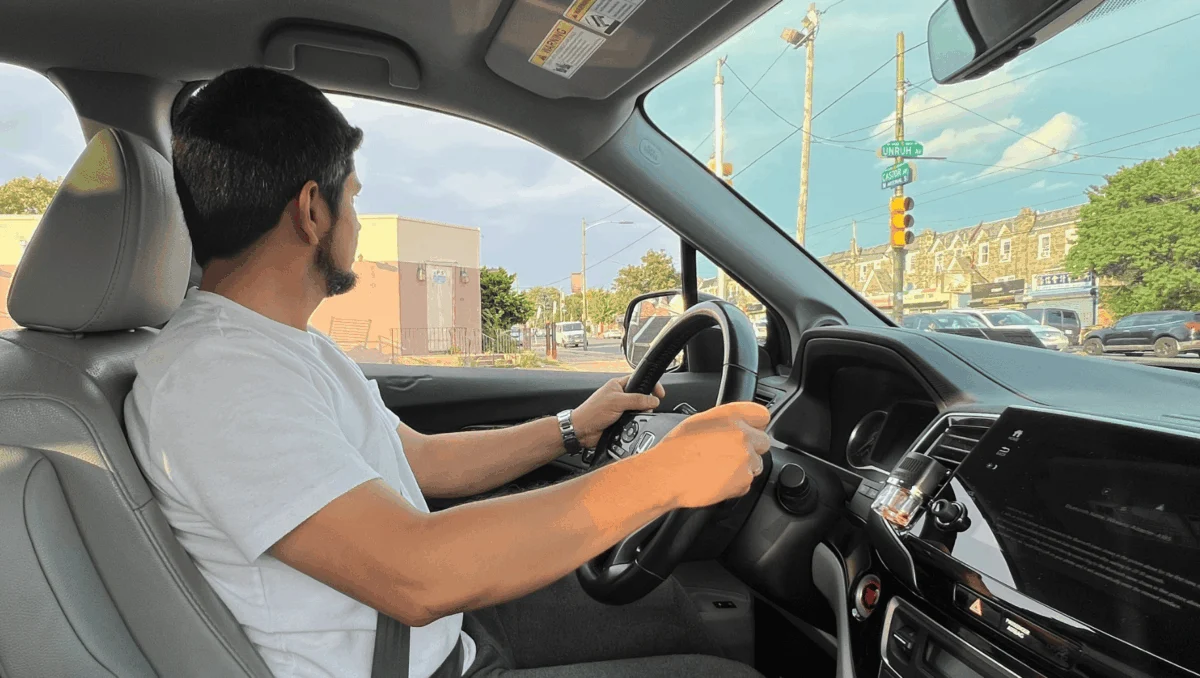
Community sponsorship of refugees is rooted in the simple, powerful idea that ordinary Americans can play a pivotal role in welcoming newcomers. This grassroots model has recently emerged as a vital pillar of the United States’ humanitarian infrastructure, transforming the way displaced individuals transition into American life. By pairing private citizens with newly arrived families, this initiative provides a framework of social, logistical, and financial support that transcends traditional government-led resettlement efforts.
The roots of this practice run deep, extending back over 140 years. HIAS, originally established by the American Jewish immigrant community to assist fellow Jewish arrivals fleeing persecution and violence in Eastern Europe, has spent over a century refining this model. Today, this tradition of communal responsibility has been revitalized, creating a robust network that helps bridge the gap between initial arrival and long-term integration.
A Chronology of Crisis and Response
The modern resurgence of community sponsorship can be traced to the rapid humanitarian influxes of the early 2020s. In August 2021, the chaotic and emergency evacuation of approximately 80,000 Afghans to the United States following the fall of Kabul necessitated an "all-hands-on-deck" response. This sudden displacement created an immediate need for housing, employment, and social integration that existing bureaucratic systems struggled to address alone.
Following the 2021 Afghan crisis, the February 2022 Russian full-scale invasion of Ukraine triggered another massive wave of global displacement. The subsequent arrival of thousands of Ukrainian refugees in the U.S. further solidified the necessity of the community sponsorship model. Between 2021 and 2024, under the Biden administration, these efforts were formalized, with NGOs and resettlement agencies recruiting and training thousands of volunteers to supplement professional caseworkers.
However, the landscape shifted dramatically in 2025. Following a transition in federal leadership, the new administration enacted significant cuts to the U.S. Refugee Admissions Program (USRAP). These policy shifts effectively closed or severely narrowed critical pathways to safety for vulnerable populations. Despite these federal retrenchments, the infrastructure built by HIAS and its network of partners remains operational, continuing to support those who arrived before the policy shift and maintaining the spirit of welcome in an increasingly restrictive climate.
The Mechanics of Integration
The efficacy of community sponsorship lies in its ability to address the "hidden" challenges of resettlement: isolation, language barriers, and the overwhelming complexity of navigating American systems. For refugees like Alaa and Hussam, a Syrian couple who spent over a decade in Turkey after being displaced by war, the arrival in Chicago in 2025 was a moment of profound vulnerability.
"There was no way to stabilize psychologically" while living in limbo, Alaa noted, reflecting on their time in Turkey. Upon arriving in Chicago, they were met by a team of volunteers coordinated through JCFS Chicago. Among them was Tom, a volunteer whose motivation was rooted in a commitment to humanitarian tradition. "I was always taught that the most repeated commandment is some version of taking care of the stranger," Tom explained. "It’s really trying to do that mitzvah in a very concrete way."
The support provided by such volunteers is not merely symbolic. It is granular and essential. Volunteers assist with the arduous tasks of opening bank accounts, navigating the complexities of the American healthcare system, enrolling children in schools, and securing employment. For Hussam, the presence of volunteers was transformative. "It was material support, logistical support, psychological support, everything," he recalled. "They convinced me: ‘I’m with you. Don’t be afraid.’"
Data and Impact: The Difference of Community
Statistical evidence and case studies from organizations like JCFS Chicago and JFCS East Bay suggest that families integrated via community sponsorship achieve milestones—such as language acquisition and employment—at an accelerated rate compared to those who lack such networks.
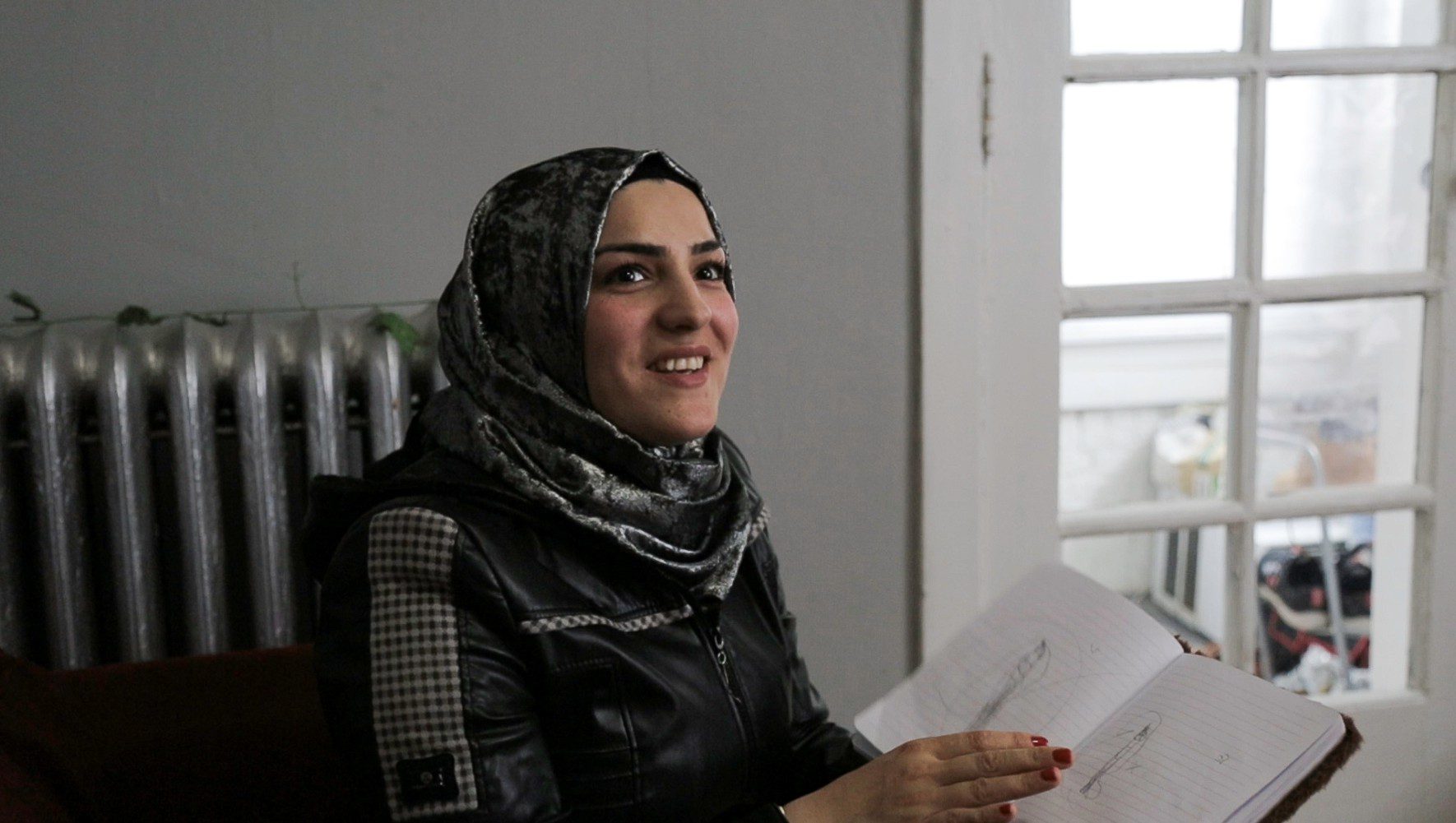
Amal, a case manager at JCFS Chicago, observed a clear disparity in outcomes. "When you compare families with volunteers and families without, you feel that families who get volunteers here know the city, the rules, and the system faster," she stated. This "acceleration effect" is largely attributed to the emotional security provided by the volunteers, which allows refugees to focus on integration rather than mere survival.
In California, the experience of Omid*, a refugee from Afghanistan, highlights the depth of this support. When his mother was diagnosed with cancer shortly after their arrival, the support provided by his volunteer network extended to navigating a hospital 50 miles away. For Omid, this went beyond logistics; it was a profound assertion of belonging. "I didn’t feel like I was in a foreign country," he said. "I felt I was in my own country, that I have someone with me."
Ethical Implications and Future Outlook
The current political climate poses significant questions about the future of refugee resettlement. As the federal government reduces its commitment to the program, the burden—and the responsibility—of maintaining a welcoming society falls increasingly on civil society.
The rationale for many volunteers is rooted in a sense of intergenerational accountability. Debbie, a volunteer with JFS Metrowest in Massachusetts, articulated this sentiment clearly: "When my children and grandchildren ask, ‘what did you do when you saw people in pain and people escaping?’ I want to be able to say I took action." This perspective underscores the broader sociological impact of sponsorship; it is as much an act of civic engagement for the host as it is a survival mechanism for the refugee.
The sustainability of this model, however, relies on consistent training and oversight. HIAS, in partnership with organizations like the Walder Foundation, has emphasized that successful sponsorship requires professional coordination to ensure that volunteers are equipped to handle complex cases. The recent report published by HIAS, which highlights the successes of partners like Commonpoint and JFS of Western Massachusetts, serves as both a roadmap and a plea for continued civic engagement in the face of federal indifference.
Long-term Integration: The Cycle of Giving
The success of the community sponsorship model is perhaps best evidenced by the evolving nature of these relationships. Two years after their arrival, Alaa and Hussam’s relationship with Tom has transitioned from a client-volunteer dynamic to one of friendship. Their children are excelling in school, and the couple is working toward the milestone of homeownership.
Crucially, the experience has fostered a desire for reciprocity. "We hope that there comes a time when we can return the favor—be volunteers," Hussam said. This cycle of support—where the receiver eventually becomes the giver—represents the ultimate goal of refugee integration.
As the U.S. grapples with its stance on immigration, the community sponsorship model stands as a testament to the capacity of local populations to absorb and integrate displaced people when the formal structures of the state prove insufficient. Whether this model can scale to meet global displacement needs remains a subject of intense debate among policymakers. However, for the families currently navigating the complexities of a new life in the United States, the impact of these personal, committed relationships is indisputable.
Name changed to protect identity.




