

Since January 2025, the landscape of humanitarian protection in the United States has undergone a seismic shift, as the Trump administration has aggressively dismantled the established infrastructure for processing asylum seekers. This fundamental redirection of border policy has effectively curtailed the ability of individuals fleeing systemic persecution to access safety, marking the most significant departure from the international and domestic legal frameworks governing refugees since the enactment of the Refugee Act of 1980.
The Legal Foundation of Asylum
To comprehend the current legislative environment, it is necessary to recognize the obligations the United States has historically upheld. Under the 1951 United Nations Refugee Convention and its 1967 Protocol, nations are bound by the principle of non-refoulement, which prohibits the expulsion of individuals to territories where their lives or freedom would be threatened. The United States codified these obligations through the Refugee Act of 1980, creating a clear pathway for those arriving on U.S. soil—regardless of their point of entry—to petition for protection based on a well-founded fear of persecution due to race, religion, nationality, political opinion, or membership in a particular social group.
Chronology of Policy Shifts (2025–2026)
The transformation of the border apparatus began in earnest on January 20, 2025, the first day of the second Trump administration. By executive decree, the White House initiated a series of rapid-fire policy implementations designed to replace traditional processing with exclusionary measures.
- January 2025: The administration issued directives suspending various humanitarian parole programs, effectively closing off legal channels for individuals seeking to apply for asylum from outside the country. Concurrently, military assets were deployed to the U.S.-Mexico border to bolster enforcement.
- Spring 2025: The administration expanded the use of "expedited removal," a process that circumvents standard immigration court proceedings. Under these new guidelines, individuals can be deported following only a brief "credible fear" screening, a process that critics argue lacks the necessary due process protections to accurately identify valid asylum claims.
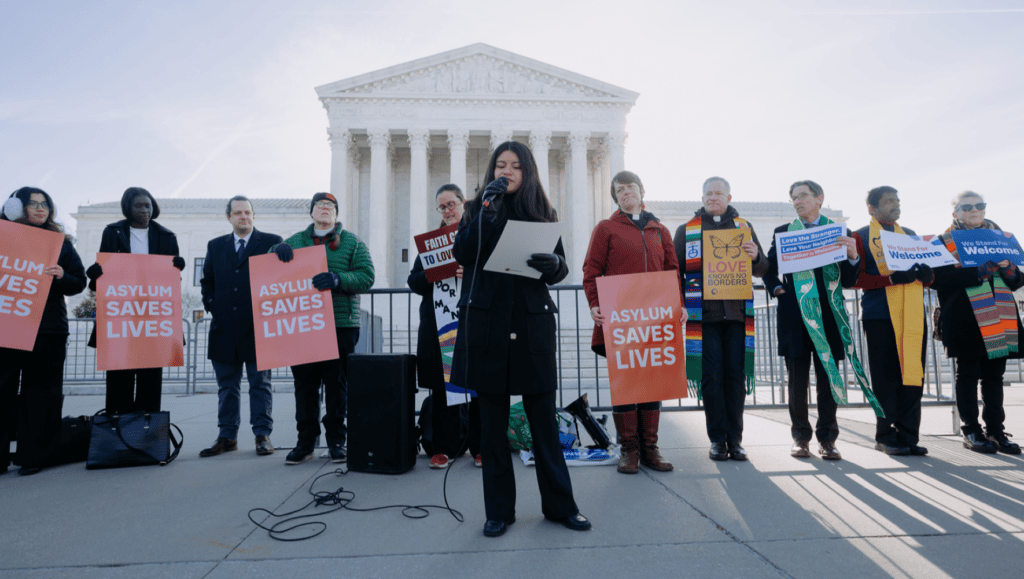
- March 2026: The Supreme Court heard oral arguments in Mullin v. Al Otro Lado, a landmark case concerning the legality of "turnback" policies at ports of entry. HIAS, the international humanitarian organization, filed an amicus brief comparing these practices to the historic refusal of the M.S. St. Louis in 1939.
- June 2026: The Supreme Court issued a ruling in favor of the administration, effectively affirming the government’s authority to deny asylum seekers the right to initiate claims at the border, thereby cementing the current restrictive paradigm.
The Data Behind the Backlog
The current crisis at the border is compounded by an existing, record-breaking backlog within the U.S. immigration court system. According to data from the Department of Justice’s Executive Office for Immigration Review, the number of pending asylum cases had surged to over 2.4 million by the close of 2025. This administrative congestion, which had been building for decades, has been exacerbated by the administration’s focus on enforcement over adjudication.
Analysts note that the shift toward mass expulsion—rather than the expansion of immigration court capacity—has created a "vacuum of adjudication." When asylum seekers are expelled to Mexico, they often fall outside the reach of the U.S. legal system entirely. Reports from international observers indicate that these populations are frequently targeted by organized crime syndicates, as they lack access to legal counsel, secure housing, or basic humanitarian services while awaiting a resolution that may never come.
Official Responses and Legal Challenges
The administration maintains that these policies are necessary to ensure national security and restore order at the southern border. In various press briefings throughout 2025 and 2026, White House spokespersons emphasized that the primary responsibility of the federal government is to secure the perimeter and mitigate the burden on domestic social services. By streamlining the removal process, the administration argues, it is deterring fraudulent claims and reducing the strain on the immigration courts.
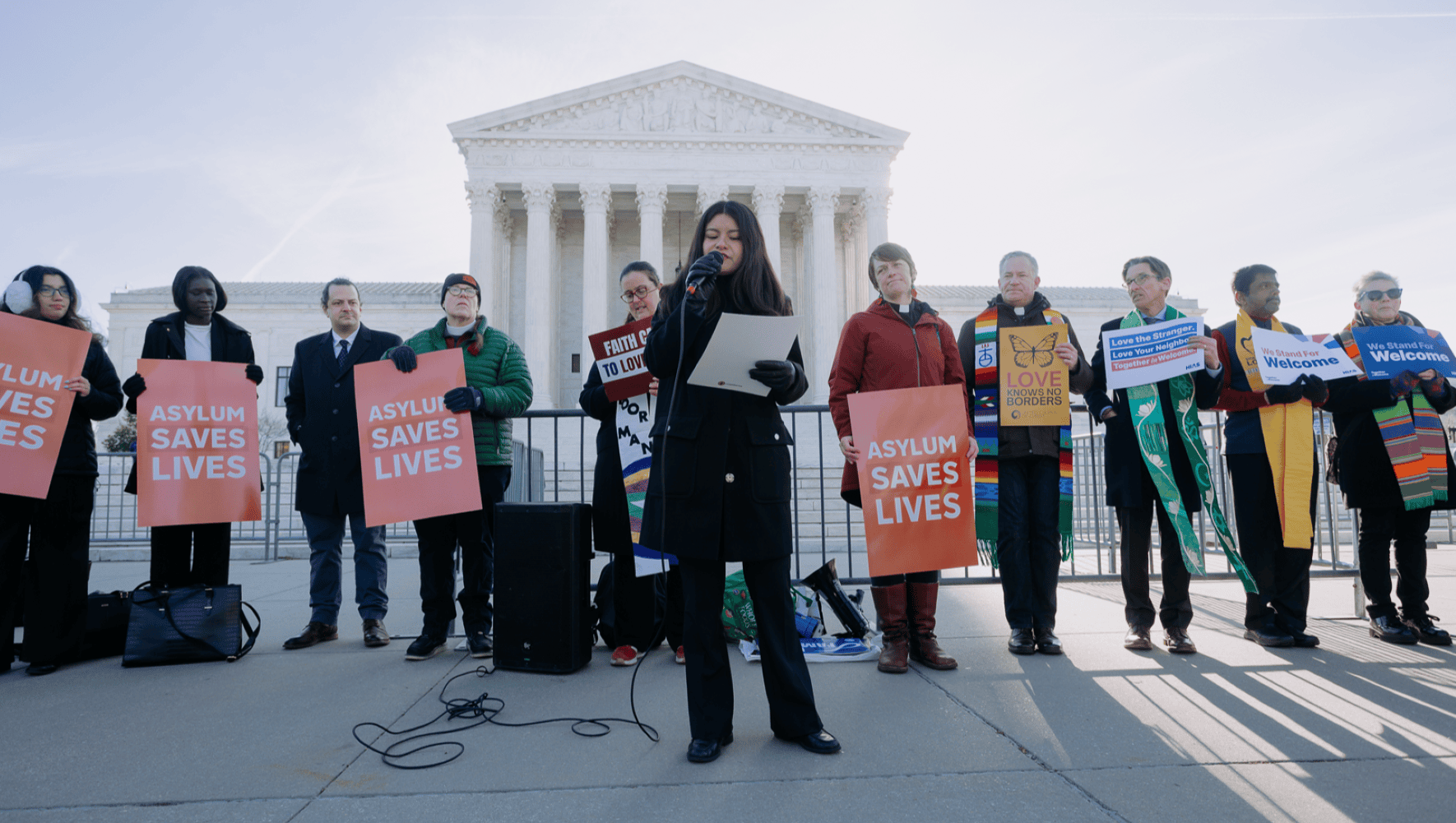
Conversely, civil rights organizations and humanitarian groups have leveled sharp criticism against these directives. HIAS has been a prominent voice in this opposition, maintaining that the current policies fundamentally violate the moral and legal commitments of the United States. In recent statements, representatives from the organization have characterized the current border rule—which allows USCIS to send asylum seekers directly to immigration court without an initial interview—as an attempt to bypass the statutory protections designed to identify the most vulnerable cases.
Broader Implications for Global Refugee Policy
The implications of these policy changes extend far beyond the U.S.-Mexico border. By moving away from the 1980 framework, the United States is signaling a retreat from the international norms it helped establish following the Second World War. Legal scholars observe that this shift provides a template for other nations to justify their own restrictive border policies, potentially weakening the global safety net for displaced persons.
Furthermore, the integration of military personnel into border enforcement has raised questions regarding the militarization of civilian immigration policy. The use of federal troops to patrol the border, combined with increased detention capacity, represents a significant budgetary shift toward enforcement at the expense of administrative processing.
The Path Forward: Seeking Reform
While the administration has prioritized enforcement, policy experts and humanitarian advocates continue to call for comprehensive reform. The debate centers on three key areas:
- Investment in Adjudication: Advocates suggest that the most efficient way to address the backlog is to increase the number of immigration judges and asylum officers, allowing for a timely, fair, and legally sound process.
- Expansion of Legal Pathways: Reinstating and expanding programs like humanitarian parole could alleviate pressure on the physical border by allowing individuals to apply for protection in their home countries or transit countries, rather than making the dangerous journey to the U.S. border.
- Regional Cooperation: Rather than unilateral expulsion, some experts propose a multilateral approach to regional migration management, focusing on burden-sharing with transit countries to improve processing times and security for those in transit.
As of late August 2026, the status of the asylum system remains in flux. The ongoing legal battles, including those surrounding the latest interim final rules from USCIS, indicate that the struggle over the definition and accessibility of asylum will remain a central pillar of the national political discourse for the foreseeable future. For now, the administration’s policies stand as the defining characteristic of modern American border control, reflecting a stark departure from the legislative consensus that guided the country for the previous four decades. The ongoing legal, social, and moral debate surrounding these changes will likely serve as a benchmark for the future of U.S. immigration policy.




