
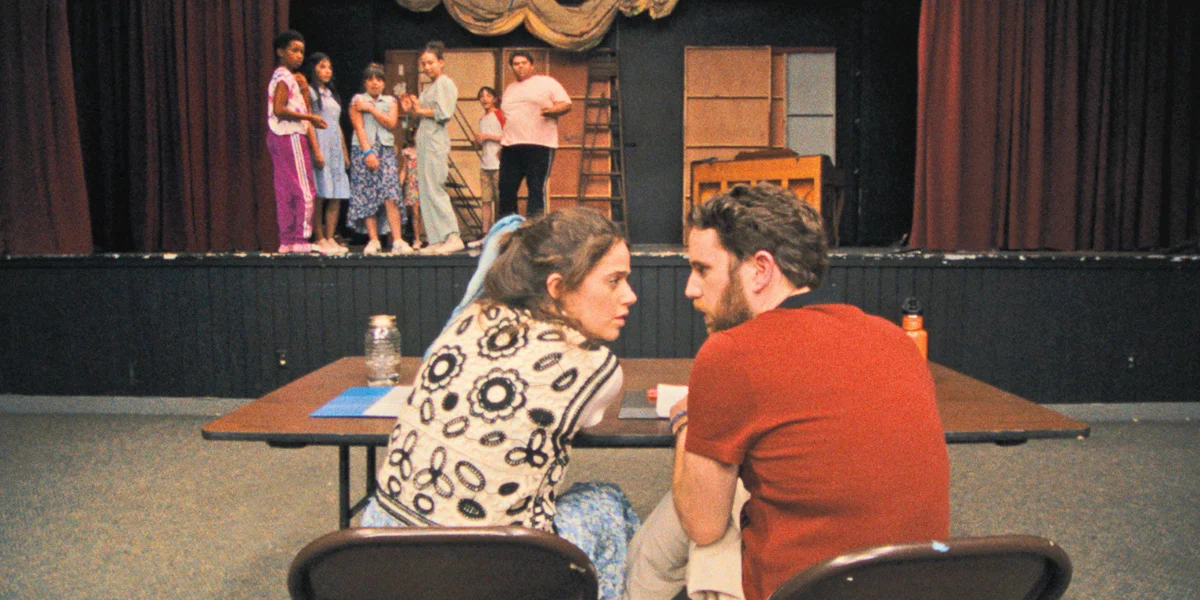
The phenomenon colloquially known as Tech Week, or Hell Week, represents a critical juncture in the secondary education performing arts curriculum. It is the final, intensive phase of production immediately preceding a theatrical opening night, characterized by the integration of lighting, sound, set changes, and costume cues into the established performance framework. While often romanticized in popular culture, the rigorous schedule and high-pressure environment of Tech Week present significant psychological and physiological challenges for high school students, necessitating a structured analysis of the pedagogical implications of these intensive production cycles.
The Mechanics of Technical Rehearsal
Technical rehearsals serve as the bridge between the rehearsal hall and the live performance. For high school theater programs, this period typically involves moving from the classroom or black box studio into a formal auditorium or proscenium theater. According to the Educational Theatre Association (EdTA), the integration of technical elements requires a shift from artistic exploration to procedural precision. Students are tasked with executing complex mechanical cues—ranging from follow-spot operation to intricate stage-crew choreography—under strict temporal constraints.
The transition from "off-book" rehearsals, where actors have memorized their lines, to the technical phase involves a transition from internal creative processes to external environmental management. This period is defined by the "cue-to-cue" rehearsal, a systematic process where directors and stage managers stop the action of the play to set the specific timing for lighting and sound transitions. This process is inherently iterative and often repetitive, leading to extended sessions that frequently exceed standard extracurricular hours.
Chronology of the Production Cycle
The standard high school production timeline typically spans eight to twelve weeks. The initial four to six weeks are dedicated to character development, table work, and scene blocking. The subsequent phase involves ensemble refinement, culminating in the transition to the performance space.
- Phase One: Pre-Production (Weeks 1-4): Script analysis, design meetings, and initial auditions.
- Phase Two: Rehearsal (Weeks 5-8): Memorization of lines and blocking; the development of the "world" of the play.
- Phase Three: Tech Week (Final 7-10 Days): The integration of technical assets. This includes paper techs, dry techs, and full dress rehearsals.
- Phase Four: Performance (Final Weekend): Public exhibition and post-mortem analysis.
Tech Week specifically serves as the crucible of this timeline. It is the point where the cognitive load on the student is highest, as they must synthesize emotional performance with technical accuracy.
Supporting Data and Educational Context
Data from the National Endowment for the Arts (NEA) suggests that participation in structured performing arts programs correlates with higher academic performance and improved psychosocial development. However, the intensity of the final production week introduces specific stressors. A study conducted by the Journal of Adolescent Health highlights that adolescents involved in high-stakes extracurricular activities are prone to sleep deprivation during peak performance periods.
During Tech Week, school-sanctioned theater activities often run until 9:00 p.m. or 10:00 p.m., significantly encroaching on the restorative sleep required for cognitive function. When combined with rigorous academic course loads, the cumulative fatigue can lead to decreased executive function, emotional volatility, and an increased risk of minor injuries during set changes. Educators and directors are increasingly implementing "Tech Week wellness protocols" to mitigate these risks, including mandatory breaks, hydration requirements, and structured nutritional support during evening rehearsals.
Institutional and Pedagogical Responses
School administrators and theater department heads have increasingly adopted formal safety protocols for high-intensity rehearsal periods. These responses are designed to balance artistic excellence with student welfare.
"The goal of a technical rehearsal is not to exhaust the student, but to build professional competence," says a spokesperson for a regional Performing Arts Educators Consortium. "We have moved toward ‘sprint rehearsals,’ where we focus on high-efficiency cueing rather than the ‘marathon’ model of the past. By providing clear rubrics for technical tasks, we reduce the ambiguity that causes anxiety in student crews."
Many institutions have integrated stage management training that emphasizes leadership and stress management. By treating the technical elements of a production as a project management challenge rather than a chaotic marathon, departments are able to maintain high artistic standards while fostering a healthier work-life balance for the student body.
Broader Implications: Theater as Vocational Training
The rigor of Tech Week serves as a proxy for professional theater environments. For students intending to pursue careers in technical theater, lighting design, or stage management, this period is a vital introduction to industry expectations. The industry standard for professional theater is a 40-to-60-hour work week during technical rehearsals, a pace that high school programs attempt to emulate safely.
However, the broader implication of these intensive periods extends beyond vocational training. The collaborative nature of technical theater teaches students the importance of interdependency. Unlike individual academic assessments, a theatrical production fails or succeeds based on the synergy between the performer and the technician. This "shared responsibility" model is a foundational component of social-emotional learning (SEL) in secondary education.
Analysis of Student Performance and Stress
Psychologists specializing in adolescent development note that the "existential weight" often reported by students during Tech Week—the sense that the production is a defining moment of their academic identity—can be a double-edged sword. While it fosters a strong sense of community and purpose, it can also lead to burnout if not properly managed by the faculty.
The transition from a student role to a production role requires a high level of mental flexibility. Students are asked to suppress their personal fatigue to maintain the "magic" of the performance. This psychological demand is significant. When a student is "off-book" and fully integrated into the technical flow of a show, they are operating in a state of high cognitive load. Research indicates that when adolescents reach this state, the mentorship provided by the director is the primary variable in determining whether the experience results in personal growth or emotional exhaustion.
Conclusion: Refining the Model
As high school theater programs continue to evolve, the focus is shifting toward sustainable production models. The traditional "Hell Week" nomenclature is increasingly being replaced by terminology that reflects a professional, systematic approach to production. By focusing on efficient scheduling, clear communication, and the prioritization of student health, theater departments are ensuring that the intensity of the experience remains a catalyst for creativity rather than a source of detriment.
The educational value of the technical theater experience remains unparalleled in the secondary curriculum. It requires the mastery of complex machinery, the coordination of human labor, and the discipline of artistic execution. While the demands of the final week of production are undeniably significant, they remain a essential component of the holistic development of the student-artist. As these programs progress, the integration of objective data, student feedback, and professional standards will continue to refine the way these intensive periods are managed, ensuring that the final curtain call is a celebration of both artistic achievement and personal resilience.




