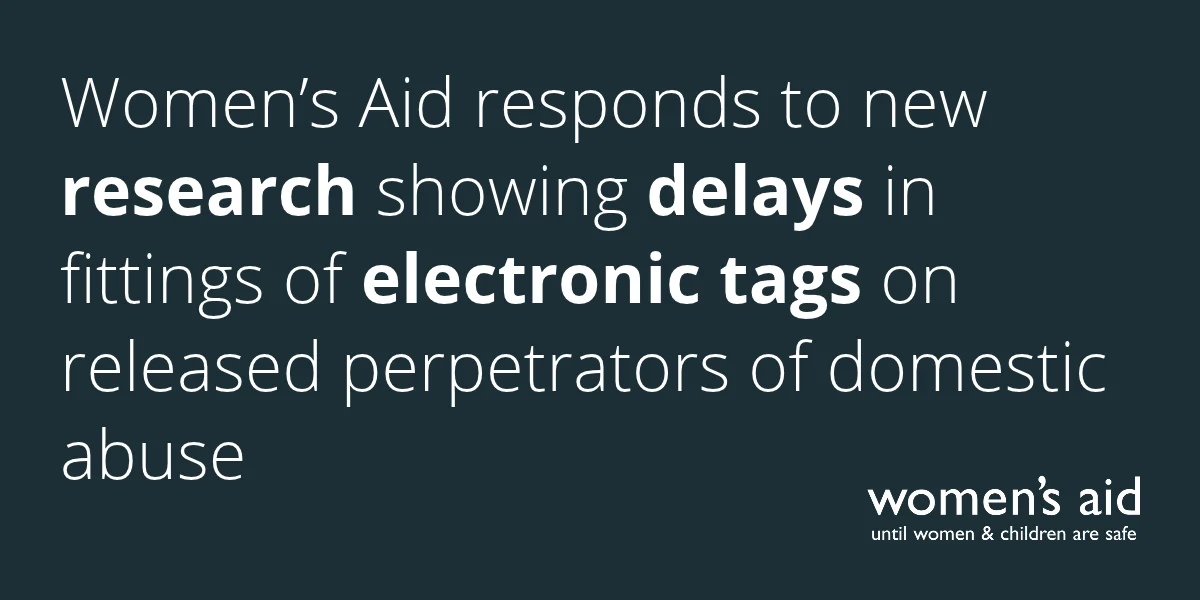
The safety of domestic abuse survivors across the nation has been thrust into sharp focus following the release of deeply concerning official data detailing widespread and severe delays in the fitting of electronic tracking tags for released offenders. According to the findings, nearly half of all electronic monitoring tags designed to track the movements of convicted criminals are not being fitted on time. Child safety experts, domestic abuse advocates, and frontline support organizations have reacted with alarm, warning that these critical administrative and logistical failures leave vulnerable women and children exposed to unacceptable levels of risk.
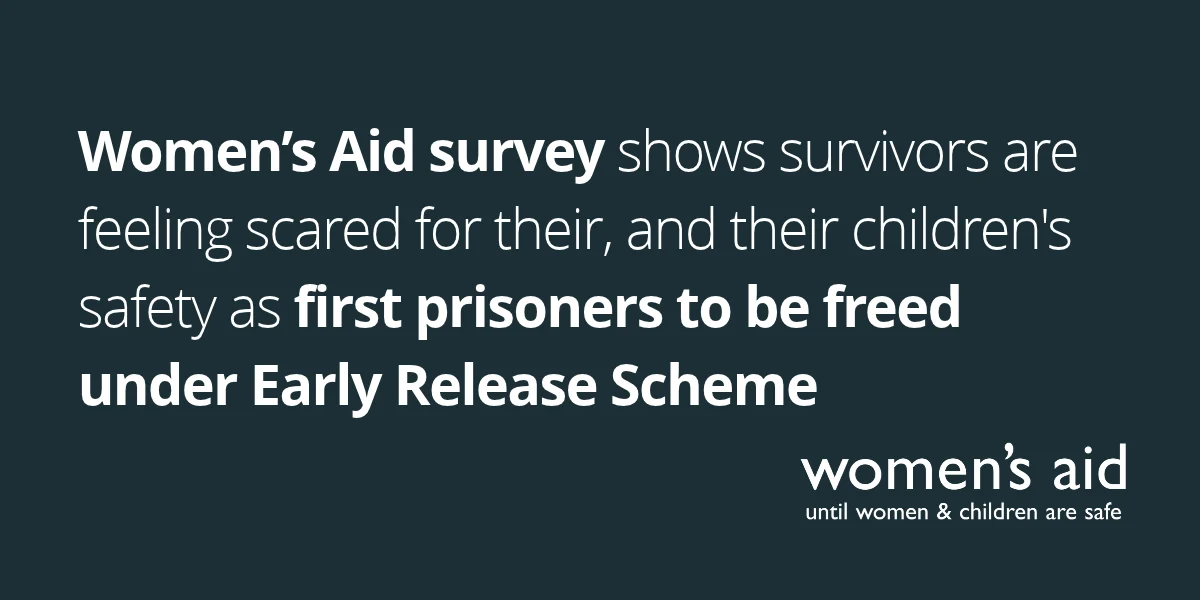
The revelation compounds existing anxieties among survivors who are already grappling with the implications of the government’s Early Release Scheme. For many victims, the judicial process is supposed to offer a measure of closure and tangible security once a perpetrator is convicted and incarcerated. However, administrative backlogs in the post-prison supervision apparatus have severely undermined public confidence in the systems mandated to protect them. Industry experts point out that electronic monitoring is not merely a bureaucratic formality, but a vital line of defense meant to bridge the dangerous gap between a violent offender walking free and the ongoing protection of their previous targets.
The Anatomy of a Systemic Failure
Electronic monitoring, commonly known as tagging, has been heavily promoted by successive governments as a cornerstone of modern community supervision. It is utilized to enforce curfews, restrict movement, and ensure that high-risk offenders—including perpetrators of domestic abuse, stalking, and harassment—maintain a mandated physical distance from their victims. However, the latest statistics highlight a profound disconnect between policy promises and operational delivery.
When nearly 50% of tracking devices fail to be fitted upon an offender’s release from custody, the foundational premise of the safeguard collapses. Without real-time location data or active exclusion zone enforcement, survivors are left in a dangerous vacuum of uncertainty. This breakdown in the initial deployment phase forces victims to rely on guesswork and heightened vigilance at the precise moment their abusers are re-entering society—a phase criminologists and domestic abuse specialists recognize as statistically the most dangerous period for victims attempting to sever ties.
First-Hand Accounts Highlight the Human Cost
The statistical failures highlighted in the report are given a sharp, human edge by the lived experiences of survivors who have navigated the broken system firsthand. Laura, a domestic abuse campaigner and survivor, shared her harrowing ordeal regarding the delayed implementation of GPS monitoring following her abuser’s release.
When her perpetrator was discharged from prison, it took a staggering two weeks for his GPS tracking device to be fitted. During that fortnight, Laura was forced to live in acute terror, acutely aware that her abuser was at large and that the promised safeguard was entirely absent. The psychological toll of wondering where he was, what he was planning, and whether he would appear at her doorstep was profound. She noted that after enduring the trauma of abuse and the arduous journey through the legal system, no survivor should be subjected to such a state of fear and uncertainty.
Compounding the failure, Laura’s experience illustrates that a physical tag alone is insufficient. Even after the device was finally fitted, her perpetrator managed to evade restrictions and harm another woman. Her testimony underscores a vital consensus among advocates: while technology has a crucial role to play in modern offender management, it must be supported by proactive risk assessments, rigorous monitoring, and immediate interventions when red flags are raised.
Broader Structural Vulnerabilities in Offender Management
The critique leveled against the electronic tagging regime extends far beyond delayed installations. Farah Nazeer, Chief Executive of Women’s Aid, emphasized that even when tags are successfully fitted on schedule, their utility remains severely limited if the accompanying restrictions fail to capture the true scope of a perpetrator’s dangerousness.
Creating effective exclusion zones and movement restrictions relies heavily on robust, multi-agency information sharing. Probation services, police forces, local authorities, and specialist domestic abuse organizations must operate in tandem. However, structural silos often prevent critical intelligence from flowing freely. Nazeer highlighted that domestic abusers frequently have multiple victims—some historical, some current, and some entirely unknown to the authorities tracking the immediate conviction.
A perpetrator might be incarcerated for a crime that appears peripheral to domestic abuse, such as criminal damage to property, when in reality, that offense is part of a calculated, broader pattern of coercive and controlling behavior designed to terrorize a victim. To accurately assess and mitigate these hidden risks, probation practitioners must work in close collaboration with specialist victims’ services, ensuring that the lived experiences and insights of those targeted are actively integrated into risk management plans.
The Enforcement Gap: Responding to Breaches
Compounding the issues of delayed fitting and inadequate risk profiling is a systemic failure in how breaches of electronic tags are handled. According to advocacy groups, a breach of a GPS tag or curfew does not currently trigger a reliable, real-time emergency response. Instead, violations are frequently processed through slow, bureaucratic, and inconsistent channels.
All too often, notification of a tag breach results in administrative inaction or the eventual designation of "no further action," stripping the safeguard of its deterrent value. Without swift, uncompromising enforcement, electronic tagging risks engendering a false sense of security. When victims believe they are protected by a high-tech surveillance ring, but responses to breaches are sluggish or absent, the mechanism ceases to be a protective barrier and instead becomes a hazardous illusion. As Nazeer succinctly noted, real-world harm often materializes long before the justice system manages to mount a response—a sequence of events that fails to deliver genuine safety.
Implications for Public Policy and Criminal Justice Reform
The fallout from these findings demands a comprehensive review of the United Kingdom’s offender management and early release frameworks. Policymakers face mounting pressure to address the structural deficiencies plaguing the private contractors and public agencies tasked with administering electronic monitoring.
Key areas requiring urgent reform include:
- Logistical Overhaul: Streamlining the procurement, maintenance, and deployment of GPS tags to eliminate the backlog and ensure 100% compliance prior to an offender’s release from custody.
- Integrated Risk Assessment: Mandating closer operational ties between probation officers and specialist domestic abuse organizations to capture the full picture of an offender’s coercive behavior history.
- Real-Time Monitoring Infrastructure: Upgrading surveillance systems to ensure that tag breaches generate immediate, coordinated law enforcement interventions rather than delayed administrative reviews.
- Victim Support Integration: Establishing direct, secure communication channels that keep survivors informed of their perpetrator’s monitoring status without placing the burden of vigilance onto the victim.
As civil society organizations, survivors, and parliamentarians continue to scrutinize the data, the core message remains unequivocal. Technology cannot substitute for competent, well-resourced institutional oversight. Until systemic delays are eradicated and robust enforcement mechanisms are embedded into the heart of the criminal justice system, electronic tags will remain an unfulfilled promise, leaving thousands of domestic abuse survivors to navigate the shadows of fear and uncertainty.