
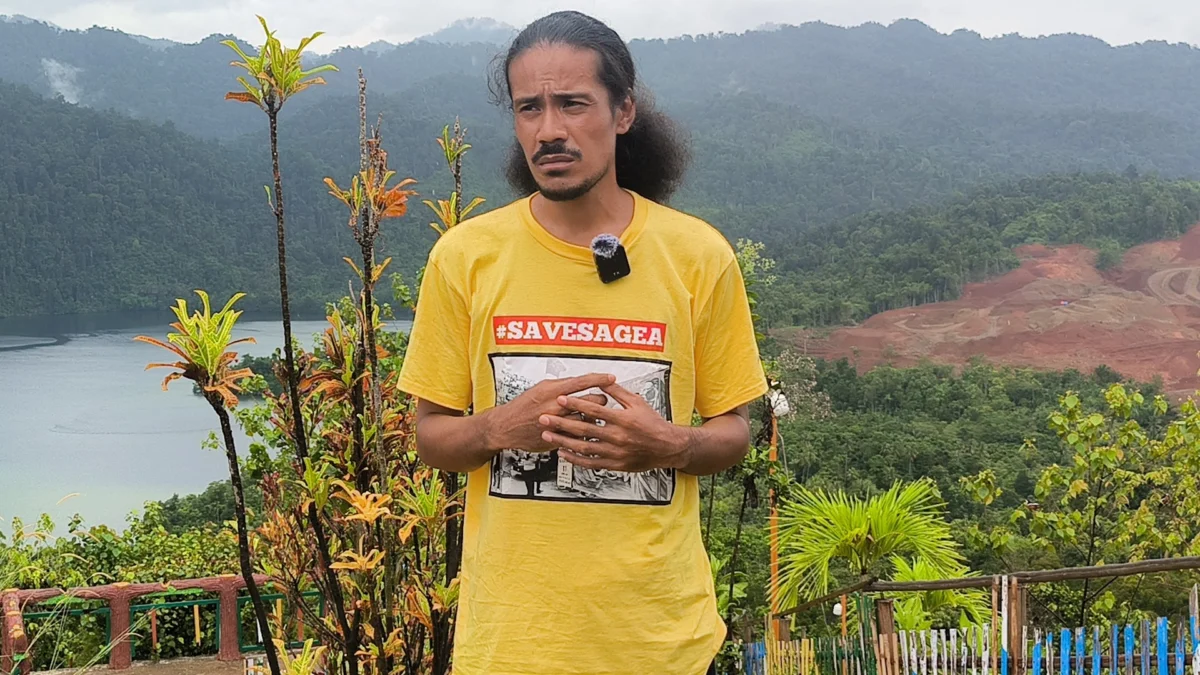
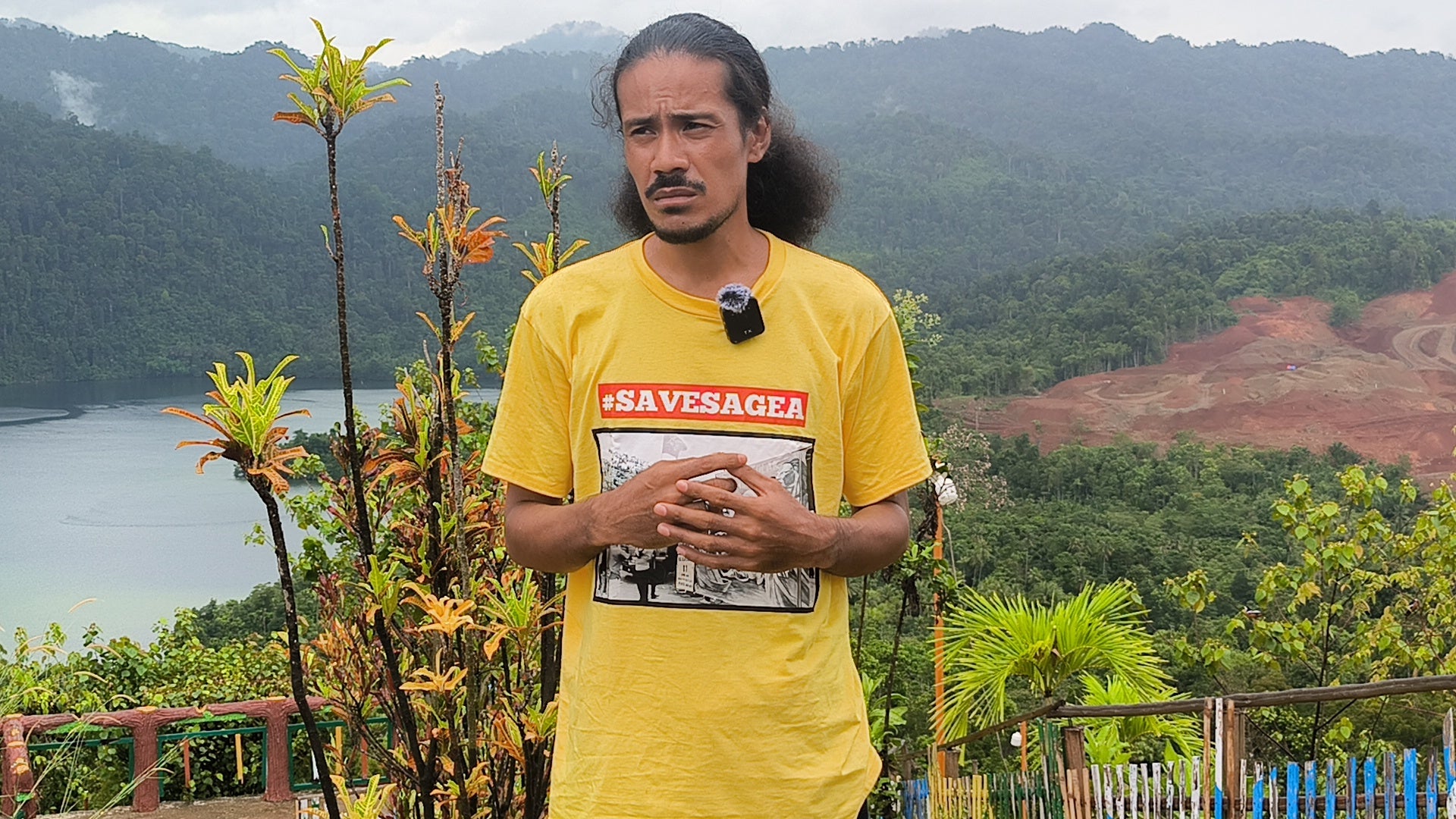
The rugged landscapes of Central Halmahera Regency in North Maluku, Indonesia, have increasingly become a focal point of intense socio-environmental conflict. At the heart of this unrest is the rapid, and often unannounced, expansion of nickel mining operations into the customary lands of indigenous communities. Recently, this friction escalated into formal legal action as local law enforcement authorities issued Notices of Commencement of Investigation (SPDP) targeting prominent grassroots leaders involved in environmental protests. Rifya Rusdi, alongside fellow community advocates Sulastri Mahmud, Ua Lada Ridwan, and Rizal, has been singled out by regional police authorities. Initially accused individually, these residents now find themselves facing potential criminal charges for masterminding demonstrations that sought to halt the destructive footprint of PT Mining and Allied Indonesia (PT MAI) and affiliated corporate entities operating in Sagea and Kiya villages.
The controversy stems from widespread local opposition to mining activities that threaten vital ecological zones, traditional livelihoods, and essential freshwater resources. Indigenous residents, youth groups, and local mothers—collectively organized under the Save Sagea Coalition—contend that corporate entities have encroached upon protected natural habitats without proper public consultation, community consent, or the transparent display of mandatory operational permits. As legal pressures mount against those defending their ancestral homelands, the situation has drawn critical scrutiny from national human rights organizations, legal aid networks, and international observers concerned about the protection of environmental defenders in resource-rich developing nations.
Chronology of Conflict and Escalating Legal Pressure
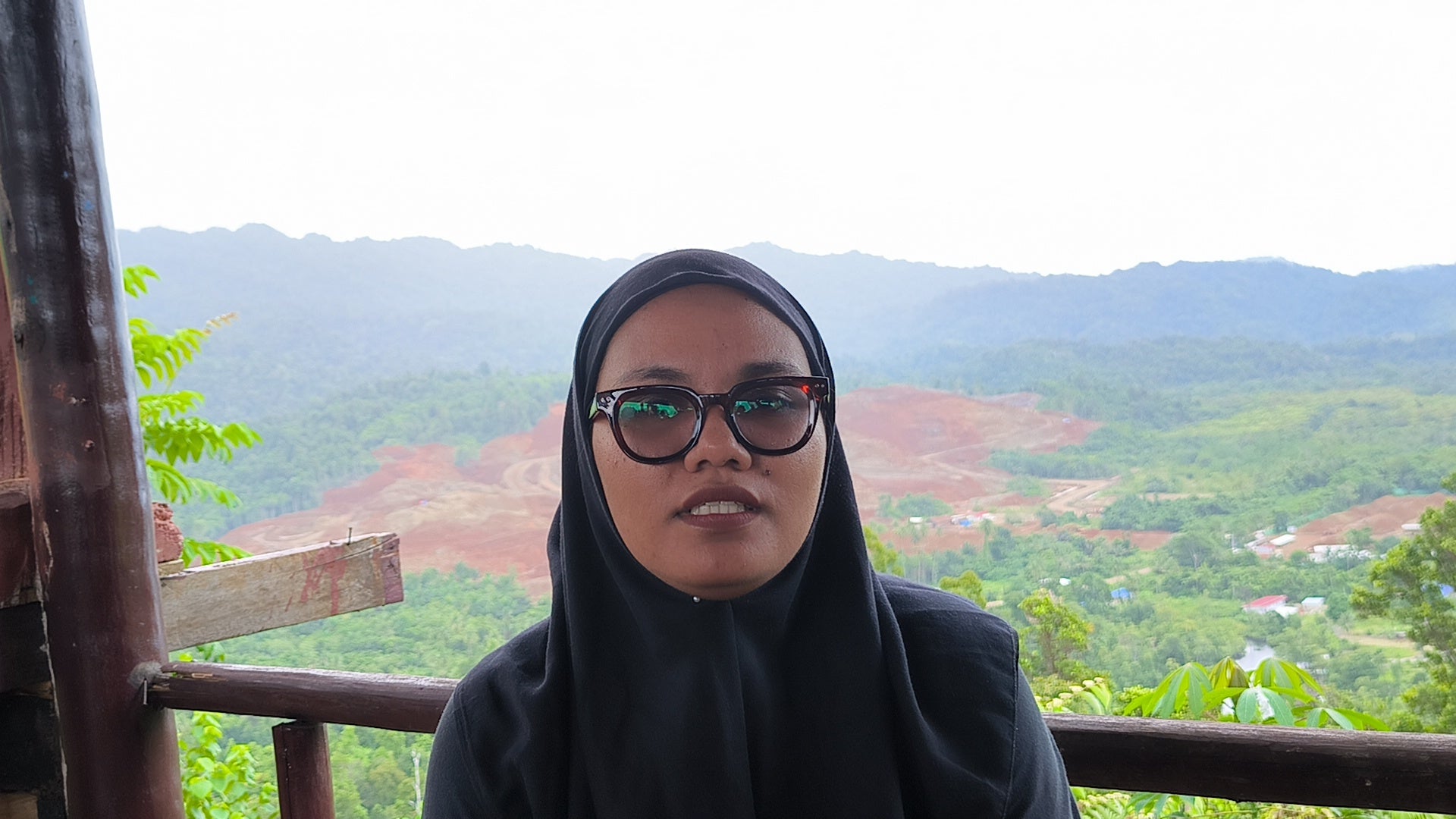
The roots of the current standoff trace back to late 2025, when local communities were caught unawares by the sudden mobilization of heavy machinery and land-clearing operations by PT MAI and PT Yonghai in the North Weda district. According to local testimonies, corporate actors initiated operations without holding prior social outreach programs or public consultations mandated by regional regulatory frameworks.
In response to the sudden arrival of industrial heavy equipment, community resistance materialized through a series of peaceful demonstrations and land occupations. In October 2025, residents noted that PT MAI began clearing forested areas directly adjacent to crucial hydrological and food-security zones, including Lake Yonelo and Lake Legai Lol. Despite formal demands from the community asking corporate representatives to produce valid permits, none were ever furnished, fueling deep suspicion among the populace.
Frustrations boiled over into consecutive waves of protests throughout February 2026. During these demonstrations, local women, known locally as mama-mama, voiced grievances regarding unfulfilled community development agreements. Specifically, an accord established between PT Yonghai and local households stipulated that the company must compensate the community Rp 350,000 per household for every departing material transport barge. Residents reported that after approximately 60 barges departed since October 2025, the community received no financial compensation whatsoever, while industrial bulldozers continued to level forested areas and disrupt local waterways.
The situation deteriorated sharply on the night of February 10, 2026, at approximately 10:00 PM WIT, when regional police served official summonses to 14 individuals—consisting of six women and eight young men—who had participated in the demonstrations. While initial police questioning treated the summoned residents as witnesses, subsequent developments saw the legal proceedings against Rusdi, Mahmud, Lada, and Rizal advance toward the issuance of an SPDP. This procedural step strongly indicates that law enforcement intends to name the activists as formal suspects, potentially under controversial legal provisions such as Article 162 of the Mining Law, which penalizes actions deemed to obstruct mining business activities.
Ecological Significance and Environmental Threats
The flashpoint in Central Halmahera centers on the extreme vulnerability of the Sagea-Kiya ecosystem, which environmental experts and government planning documents recognize as a critical conservation priority. The contested mining concessions directly abut the Bokimoruru Cave system and the Sagea River, which collectively feed the primary freshwater networks utilized by villages across the North Weda region. Furthermore, the Sagea Karst landscape serves vital hydrological and ecological functions, acting as a natural sponge and a sanctuary for diverse aquatic species that sustain local fisheries.
Local residents rely heavily on water bodies such as Lake Yonelo and Lake Legai Lol for daily sustenance, drinking water, and seasonal fishing, particularly during periods of rough maritime conditions when marine fishing is restricted. Activists have expressed grave concern that positioning tailings waste facilities and conducting land clearing in close proximity to these fragile freshwater reserves will introduce toxic sedimentation, heavy metals, and industrial runoff. Such contamination threatens to annihilate endemic fish populations, eradicate traditional food reserves, and permanently compromise the region’s drinking water infrastructure.
The ecological value of the area is underscored by its formal inclusion in multiple government planning documents. These protections are codified in Presidential Regulation No. 12 of 2025 concerning the National Medium-Term Development Plan (RPJMN) for 2025–2029, Central Halmahera Regional Spatial Plan (RTRW) Bylaw No. 3 of 2024, and Central Halmahera Regent Regulation No. 35 of 2023 regarding the establishment of the Central Halmahera Geopark. Despite these designated conservation statuses, industrial extraction permits have been granted or operationalized in close proximity, creating a profound contradiction between national development planning and ground-level regulatory enforcement.
Socio-Psychological Impacts and Human Rights Interventions
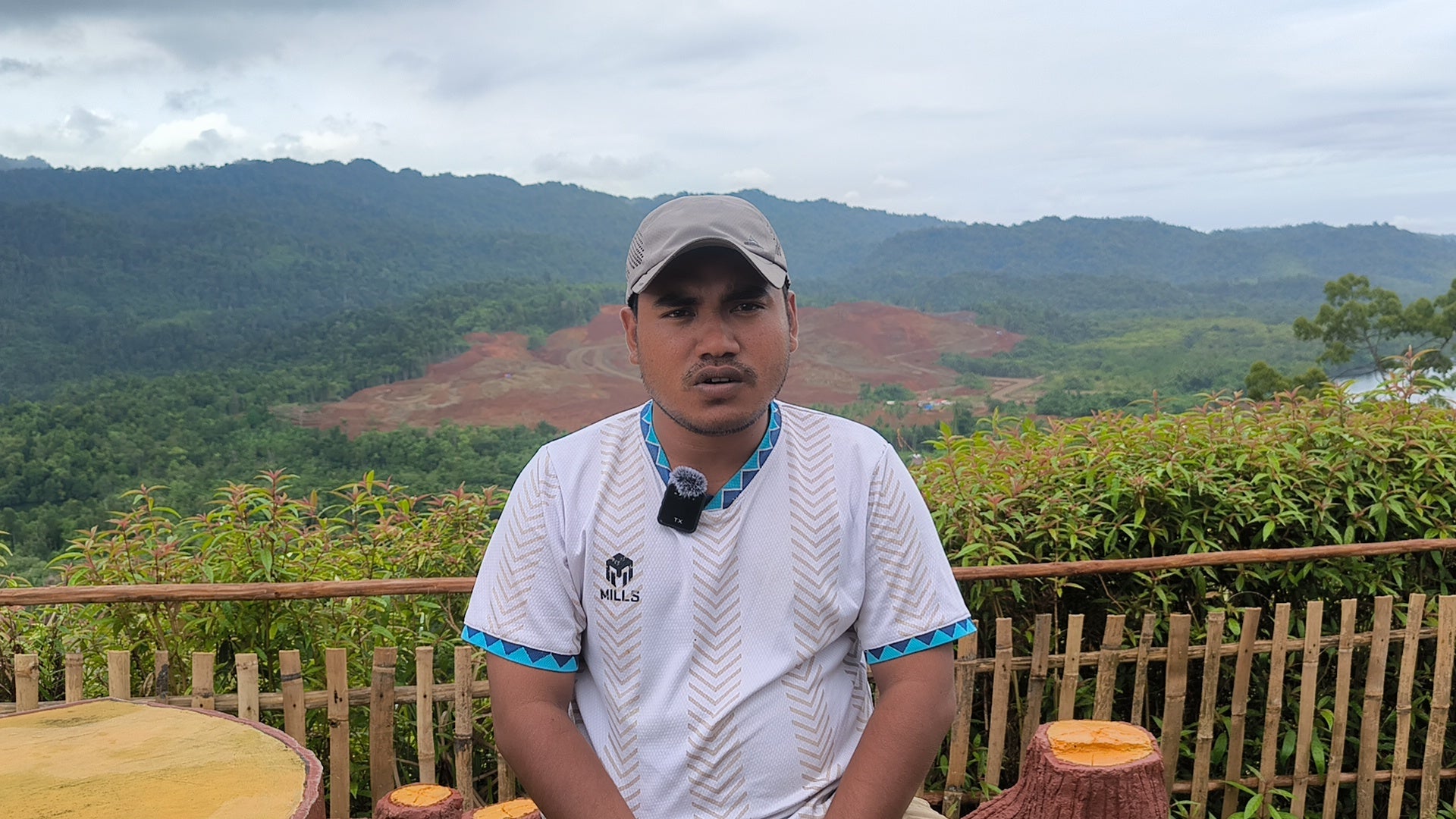
The escalation of legal pressure has taken a severe toll on the psychological well-being of the targeted activists and their families. Rifya Rusdi reported enduring intense psychological distress following the issuance of the SPDP, noting that the fear of potential imprisonment and the safety of her relatives disrupted her sleep patterns and daily life. Compounding this stress, Rusdi and other advocates experienced waves of digital harassment, including continuous spam phone calls from unknown numbers sent repeatedly throughout the day and night.
Similarly, Sulastri Mahmud—whose legal troubles coincided with preparations for her upcoming wedding—has experienced acute trauma, leading to social withdrawal and reluctance to speak publicly. Her husband, Odi Saputra, emphasized that the ongoing police interrogations and the looming threat of criminal prosecution have shattered the peace of mind of multiple households in Sagea and Kiya villages.
In response to these intimidation tactics, civil society networks mobilized rapidly. A coalition comprising 14 legal advocates from North Maluku, alongside broader national and international non-governmental organizations, has stepped forward to provide pro bono legal representation and solidarity to the accused residents. Additionally, Rifya Rusdi formally registered a complaint with the National Commission on Violence Against Women (Komnas Perempuan) following her participation in an indigenous journalism event in Jakarta. The commission initiated a formal verification process to investigate allegations of gender-based intimidation, psychological terror, and the systematic targeting of women environmental defenders.
Broader Implications for National Strategic Projects and Democratic Space
The conflict in Sagea reflects a broader nationwide friction point in Indonesia concerning the implementation of National Strategic Projects (PSN) and the rapid expansion of the electric vehicle supply chain. As global demand for nickel surges to power renewable energy technologies and battery manufacturing, eastern Indonesia—particularly the islands of Halmahera, Obi, and Sagea—has experienced an influx of heavy industrial investments.
While these extractive projects are framed as engines of national economic growth, civil society organizations and human rights advocates argue they frequently advance at the expense of indigenous land rights, environmental sustainability, and fundamental democratic freedoms. The utilization of criminal justice mechanisms, such as police summonses and the application of anti-obstruction clauses against peaceful protestors, illustrates a troubling pattern of corporate-state alignment that prioritizes commercial interests over citizen welfare. Legal analysts note that utilizing the criminal justice system to silence environmental defenders sets a dangerous precedent for the enforcement of constitutional rights regarding a clean and healthy environment.
As the legal status of the four targeted residents hangs in the balance, the Save Sagea Coalition continues to demand the unconditional revocation of PT MAI’s operational permits, the cessation of land clearing near vital water bodies, and the immediate dropping of all charges against local residents. Furthermore, community leaders have issued urgent appeals to the international community, environmental networks, and global human institutions to monitor the human rights situation in eastern Indonesia. They emphasize that the struggle to protect Halmahera’s remaining ecological strongholds is not merely a localized land dispute, but a critical test case for environmental justice and indigenous rights in an era of rapid mineral extraction.




