
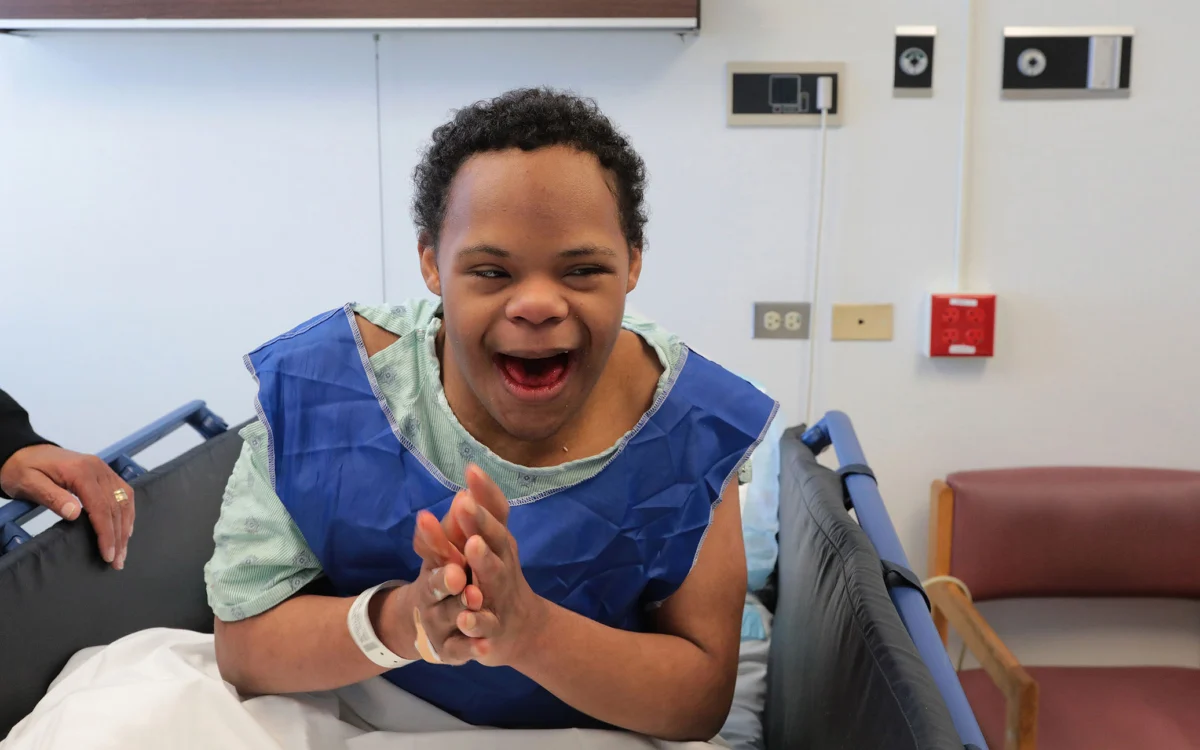
The United States Department of Health and Human Services (HHS), through the Health Resources and Services Administration (HRSA), has officially launched a sweeping $51 million federal initiative designed to fundamentally transform and expand pediatric dental care access for children with developmental disabilities nationwide. Announced this week, the major funding rollout targets 28 community health centers across the country, equipping them with the financial resources, specialized training, and structural support necessary to bridge a persistent and systemic gap in American healthcare.
For generations, families raising children with conditions such as autism spectrum disorder, Down syndrome, cerebral palsy, and broader intellectual and developmental disabilities (IDD) have encountered formidable barriers when attempting to secure routine and emergency dental services. Traditional dental offices are frequently ill-equipped to manage the profound sensory sensitivities, distinct physical motor needs, and unique behavioral or communication differences characteristic of many children with IDD. Consequently, minor dental issues often go undetected or untreated until they escalate into severe medical emergencies requiring costly, invasive, and stressful hospital-based surgeries under general anesthesia. The new federal initiative seeks to dismantle these long-standing obstacles by integrating specialized dental care directly into community health center networks, utilizing evidence-based practices to ensure that vulnerable children receive proactive, compassionate, and accessible clinical treatment.
The Persistent Crisis in Pediatric Special Needs Dentistry
The launch of the $51 million HRSA grant program addresses a well-documented public health crisis. Public health researchers and advocacy organizations have long reported that children with developmental disabilities face a disproportionately high risk of developing oral health complications, including severe tooth decay, chronic gingivitis, periodontal disease, and untreated dental caries. These risks are compounded by a complex web of compounding factors: manual dexterity limitations that impede proper daily brushing and flossing, dietary factors, side effects from essential prescription medications that cause dry mouth or gum overgrowth, and an extreme shortage of dental practitioners trained in managing patients with special healthcare needs.
Compounding the clinical risk is a critical nationwide shortage of willing and capable dental providers. Dental school curricula historically allocate limited hours to special care dentistry, leaving many general practitioners lacking the confidence or technical proficiency to treat patients who experience severe anxiety, sensory overload, or involuntary movements in the dental chair. As a result, parents often recount enduring years of rejection letters, long waiting lists, and exhaustive searches just to find a clinic capable of performing a routine dental cleaning. When care cannot be secured locally, families are frequently forced to travel hundreds of miles or wait months for hospital operating room availability—a scenario that carries elevated medical risks, substantial financial burdens, and immense psychological stress for both the child and their caregivers.
A Targeted Approach: How the $51 Million Will Be Deployed
Under the newly structured federal grant program, 28 selected health centers will receive individual awards of up to $2 million. Rather than distributing these funds for generic operational expenses, HRSA has mandated that the financial support be directed toward targeted, measurable improvements in clinical capacity and care delivery models.
Participating health centers are expected to utilize their funding streams across several critical pillars:
- Workforce Development and Clinical Training: Funding will support specialized continuing education for dentists, dental hygienists, dental assistants, and administrative staff. Training programs will focus on behavioral management techniques, sensory-adapted dental environments, adaptive communication strategies, and the safe treatment of patients with complex physical limitations.
- Infrastructure and Environmental Adaptation: Health centers will upgrade their physical facilities to accommodate sensory-friendly waiting rooms, specialized wheelchair-accessible dental chairs, and calming audiovisual tools designed to minimize patient anxiety.
- Preventive Care Expansion: Resources will be allocated to scale up early screening programs, preventative sealants, and routine fluoride treatments, shifting the care paradigm from reactive emergency intervention to proactive, continuous maintenance.
- Innovative Care Delivery Models: Grantees are tasked with testing and refining novel approaches to service delivery, leveraging telehealth for initial consultations, establishing integrated primary-dental care referral pipelines, and utilizing community health workers to guide families through the healthcare system.
In addition to direct financial support, the participating health centers will actively engage in structured collaborative learning and evaluation initiatives managed by federal health officials. This component is designed to identify successful, scalable clinical interventions that can be systematically documented, replicated, and adopted by other healthcare networks and private practices across the United States.
Official Responses and Federal Leadership
Federal health administrators emphasized that access to quality dental care is a fundamental component of overall health and well-being, noting that systemic disparities must be actively corrected through targeted public investment.
"A parent shouldn’t have to struggle to find a dental provider who is prepared to care for their child," said Tom Engels, administrator of the Health Resources and Services Administration, during the funding announcement. "This investment will help health centers build the skills, services, and approaches needed to make dental care more accessible and responsive to children and families—and help us learn what works so successful models can reach more communities."
Public health advocates and family support organizations have cautiously welcomed the announcement, viewing the $51 million infusion as a vital down payment on a larger, long-overdue systemic overhaul. Health policy analysts point out that community health centers are uniquely positioned to execute this mission. Because these federally qualified centers already provide comprehensive primary care to underserved and low-income populations, they possess established infrastructure for addressing social determinants of health. They routinely connect patients with vital wrap-around support services, including public transportation assistance, nutritional counseling, and multilingual health education, while operating on a sliding-fee scale that ensures care is delivered regardless of a family’s income or insurance status.
Broader Implications and Future Outlook
The launch of this federal initiative arrives at a critical juncture for American healthcare delivery. By embedding specialized special needs dental training and infrastructure directly within community health centers, the initiative aims to reduce the heavy reliance on costly hospital operating rooms for routine dental procedures. Medical economists note that shifting care from hospital settings to outpatient community health centers will yield substantial cost savings for state Medicaid programs and private insurers, while dramatically improving the quality of life for pediatric patients and their families.
However, healthcare experts caution that while a $51 million investment represents a substantial step forward, addressing the nationwide deficit in special needs dentistry will require sustained, long-term commitments from both the public and private sectors. Future milestones for the program will depend heavily on the empirical data gathered from the 28 participating health centers over the grant lifecycle. If these pilot programs successfully demonstrate improved clinical outcomes, reduced procedural wait times, and high rates of patient satisfaction, the scalable models developed through this initiative could serve as the legislative and operational blueprint for a permanent, nationwide expansion of accessible pediatric dental care for individuals with developmental disabilities.




