
On August 10, 2026, a catastrophic 7.4 magnitude earthquake struck the San José del Palmar region in Colombia’s Chocó province, triggering a humanitarian emergency that continues to unfold over a month later. The seismic event, which sent shockwaves through the western half of the nation, has left a trail of destruction that has challenged the limits of regional infrastructure and aid capacity. As of late September 2026, official reports from the United Nations Office for the Coordination of Humanitarian Affairs (OCHA) indicate that approximately 466,000 individuals remain directly affected, with the structural integrity of over 200,000 homes compromised or completely destroyed.
The seismic activity stands as one of the deadliest in Colombian history, resulting in a confirmed death toll of 331 people, while more than 4,500 survivors have sustained injuries. Compounding the tragedy, search and rescue operations continue for 111 missing persons, though the window for recovery is rapidly narrowing. The provinces of Risaralda, Valle del Cauca, Chocó, Quindío, and Caldas have been identified as the epicenter of the devastation, where the impact on health centers, educational institutions, and residential infrastructure has been profound.
A Chronology of the Disaster and Immediate Response
The timeline of the disaster began on the morning of August 10, when the tremor struck rural areas with limited access to modern infrastructure. In the immediate aftermath, the Colombian government declared a state of emergency, allowing for the expedited mobilization of national disaster relief agencies.
Within the first 72 hours, non-governmental organizations, including HIAS Colombia, began coordinating with local authorities to reach isolated rural communities. By mid-August, the primary focus shifted from search and rescue to the stabilization of displaced populations. By September 10, exactly one month post-impact, international humanitarian bodies released comprehensive assessments confirming that the rural communities of Naranjal and Primavera remained in a state of critical fragility. These regions, already contending with systemic poverty, found themselves largely cut off from power grids, potable water, and telecommunications, necessitating a large-scale logistical effort to deliver food, hygiene kits, and emergency shelter materials.
Humanitarian Data and the Multi-Hazard Environment
The scale of the disaster is magnified by the convergence of multiple environmental and socio-political stressors. Colombia is currently navigating a complex period of instability, with the earthquake occurring alongside a series of compounding crises. Meteorological data links the region’s current drought and flooding events to the El Niño climate pattern, which has intensified wildfires and created an erratic environment for aid delivery.
Furthermore, the country is grappling with pre-existing conflict-related displacement. The overlap of seismic destruction with these existing vulnerabilities has created a "compounding crisis" scenario. According to humanitarian analysts, the resilience of the local government and NGO infrastructure is being stretched to its absolute capacity. The destruction of health centers in the rural Chocó province has specifically hindered the treatment of chronic illnesses, leaving a significant portion of the population without access to regular medical care.
The economic impact is equally staggering. The loss of 200,000 homes represents a massive blow to the nation’s housing sector, which will require a multi-year recovery plan involving substantial international financial aid and a cohesive national reconstruction strategy.
Strategic Interventions by Aid Organizations
In response to the mounting crisis, organizations such as HIAS have implemented a multi-faceted approach to stabilize the most vulnerable groups. The current strategy relies on a combination of direct material aid and long-term integration programs.
One primary pillar of this response is the use of direct cash assistance. By injecting liquidity into the hands of survivors, aid agencies allow families to prioritize their specific needs—whether that be food, medicine, or repair materials—rather than relying solely on standardized aid packages. This program is supported by the UNIR consortium and funded by the Colombia Humanitarian Fund, which provides the necessary capital to reach remote households.
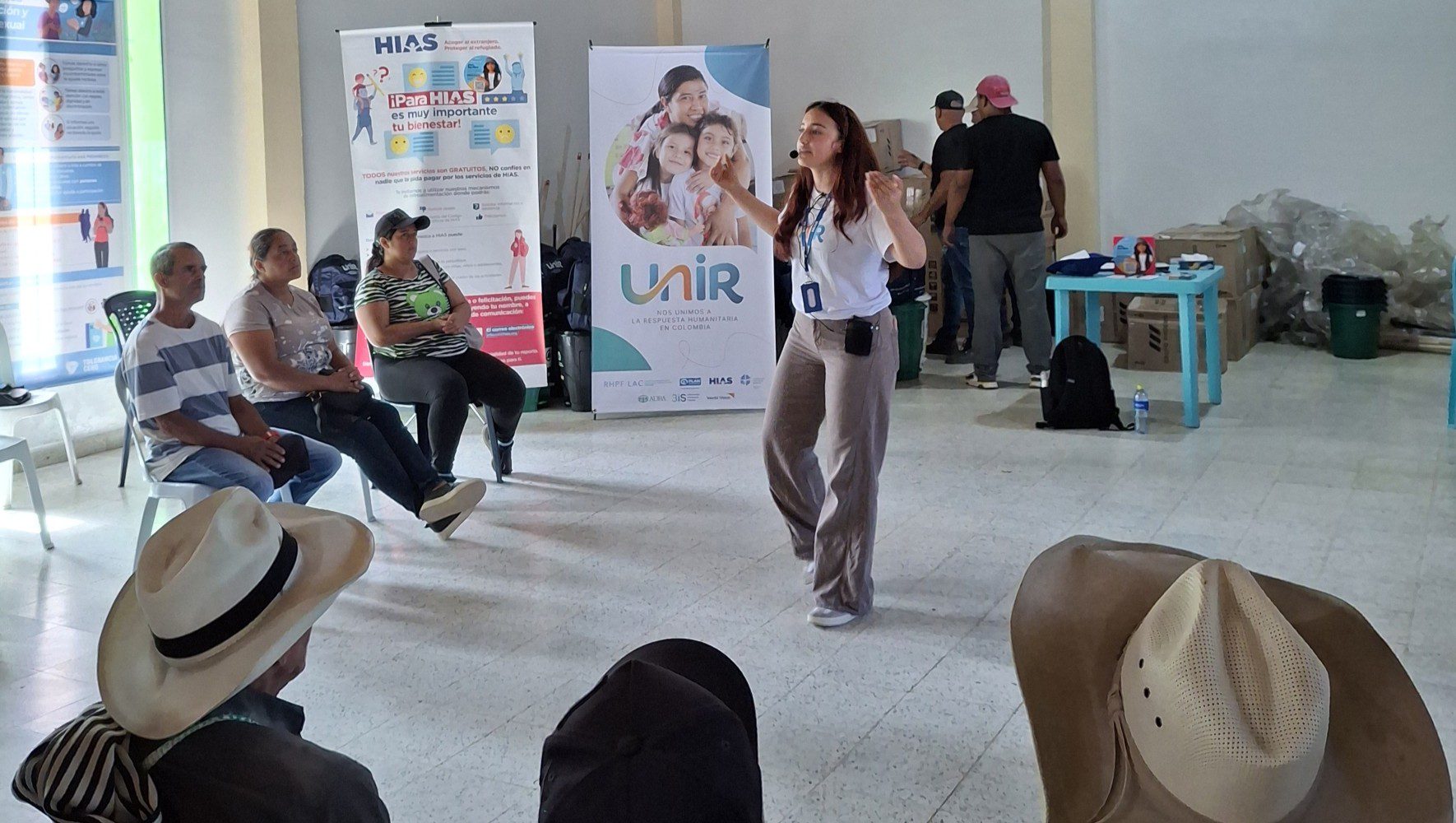
A critical, often overlooked aspect of the recovery is the psychosocial and educational component. HIAS Colombia has initiated community learning sessions aimed at preventing the spread of disease in the wake of the earthquake. These workshops cover waste management, safe water handling, and hygiene protection—essential knowledge for families living in temporary camps or damaged housing where sanitation systems have failed.
The Role of Corporate Partnerships in Shelter Solutions
The housing crisis, which has left thousands of families homeless, is being mitigated through innovative partnerships. A notable collaboration between HIAS Colombia and Airbnb has provided a temporary housing solution in urban centers like Cali. This initiative targets the most vulnerable demographics: families with children, individuals with chronic disabilities, and those at high risk of gender-based violence.
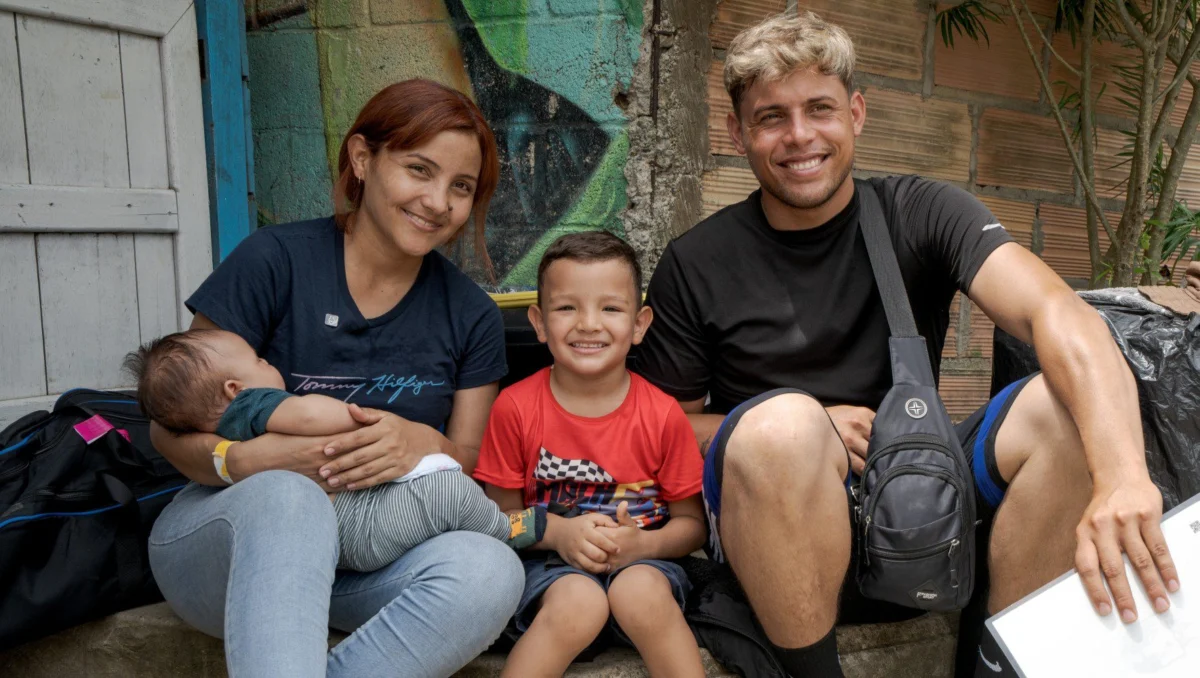
The program provides 28-day residency for displaced families, serving as a "bridge" period while they seek longer-term solutions. Catherine, an earthquake survivor who lost her home in the disaster, represents the demographic targeted by this initiative. After her residence was rendered uninhabitable, she and her two children were integrated into the Airbnb-supported housing program. Such initiatives highlight the shift in modern disaster response, where technology platforms are leveraged to provide rapid, decentralized shelter in ways that traditional refugee camps cannot match.
Broader Implications and Future Recovery
The implications of the August 10 earthquake extend far beyond the immediate need for shelter and food. Economists and urban planners warn that without significant investment in seismic-resistant rural infrastructure, these communities will remain perpetually vulnerable to future geological events. The current disaster has exposed the stark digital and physical divide between Colombia’s urban centers and its rural provinces.
Government agencies are currently in the process of formulating a long-term reconstruction framework. However, the success of this recovery depends on sustained international attention. As the initial "news cycle" of the disaster fades, the risk of donor fatigue increases. Humanitarian leaders emphasize that the coming six months will be the most critical for the transition from emergency relief to early recovery.
The recovery process must also address the environmental degradation caused by the concurrent wildfires and droughts, which have exacerbated the lack of water in affected regions. Experts suggest that climate adaptation must be integrated into the reconstruction process; building back "the same" is no longer a viable strategy in a region prone to both seismic and climatic volatility.
How Stakeholders Can Assist in the Reconstruction
For those seeking to aid in the recovery, the focus remains on supporting organizations that have established, on-the-ground logistics. Financial donations to established relief funds are the most effective way to address the evolving needs of displaced populations. As of late September, the priority remains the provision of medical supplies, clean water, and the expansion of temporary housing capacity for families who have yet to find permanent accommodation.
The situation in Colombia is a poignant reminder of the fragility of human settlement in high-risk zones. While the resilience of the people of Chocó and the surrounding provinces is evident in their community-led recovery efforts, the magnitude of the 2026 earthquake requires a sustained global commitment to ensure that families like Catherine’s can move toward a future of stability. As the recovery phase deepens, the international community’s ability to remain engaged will be the deciding factor in how quickly the western provinces of Colombia can return to normalcy and rebuild their shattered lives.




