
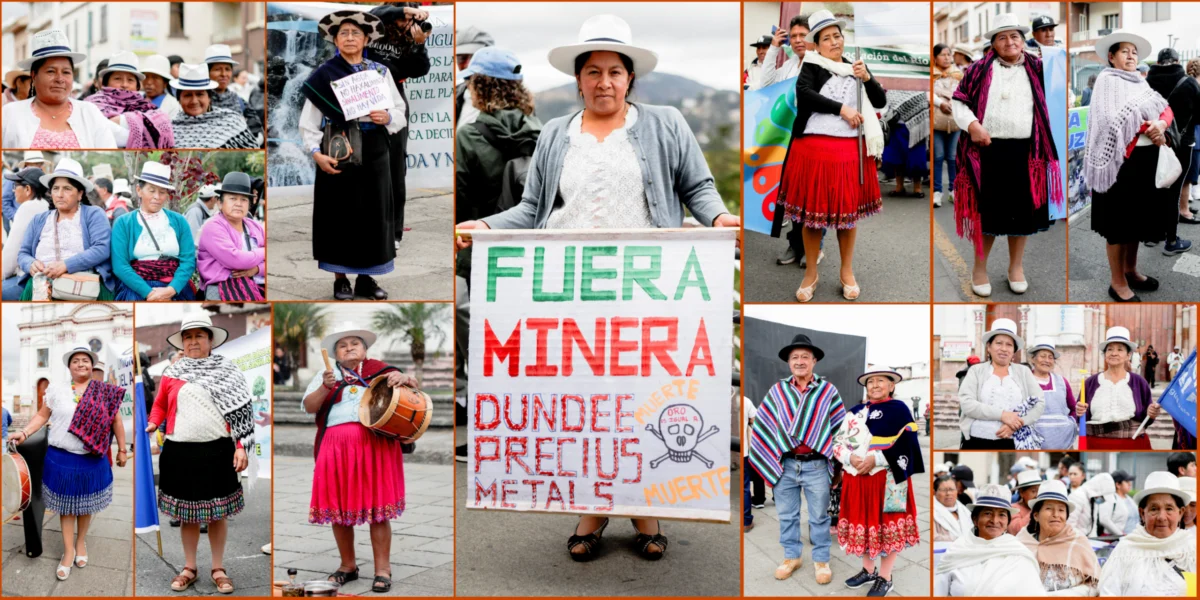
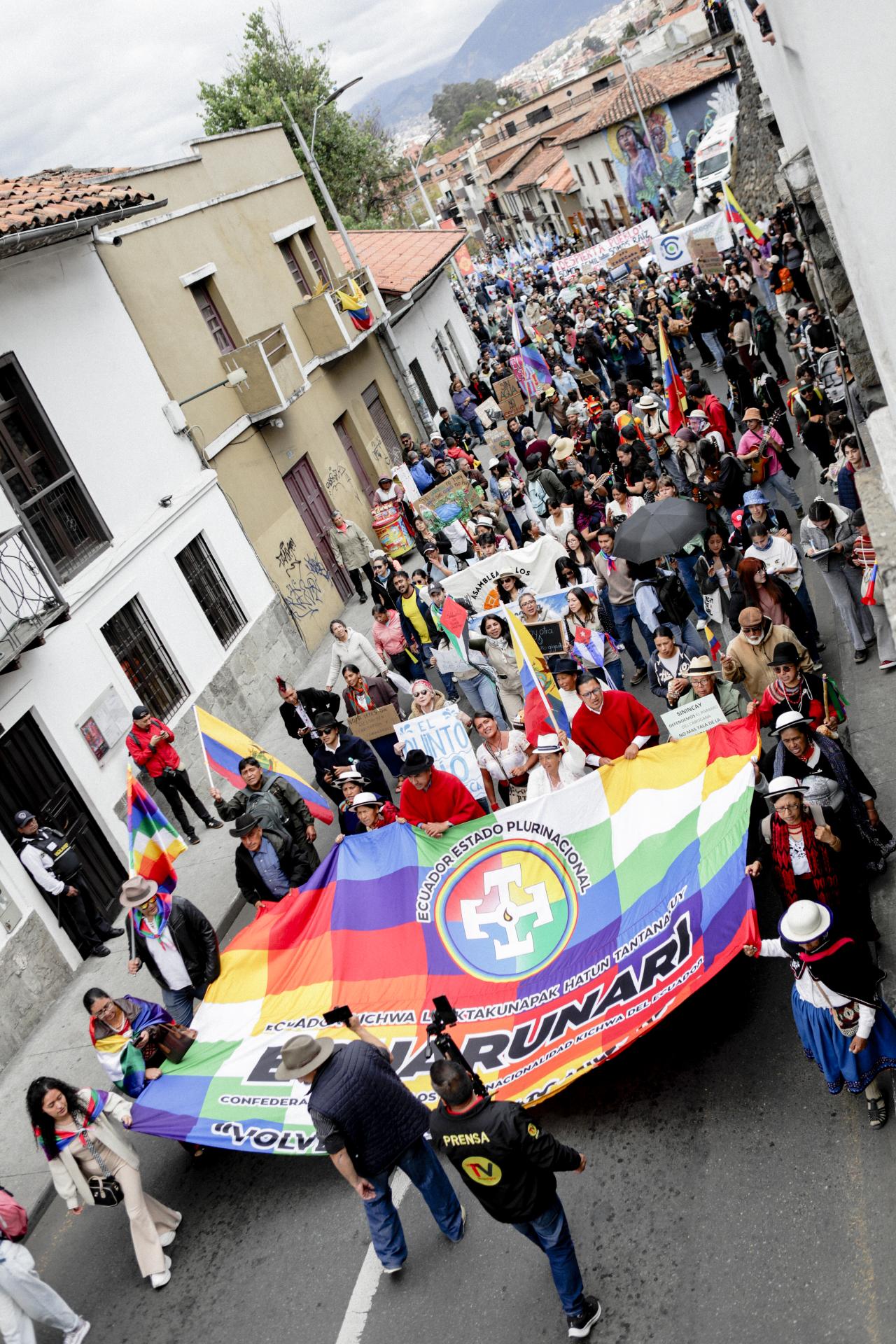
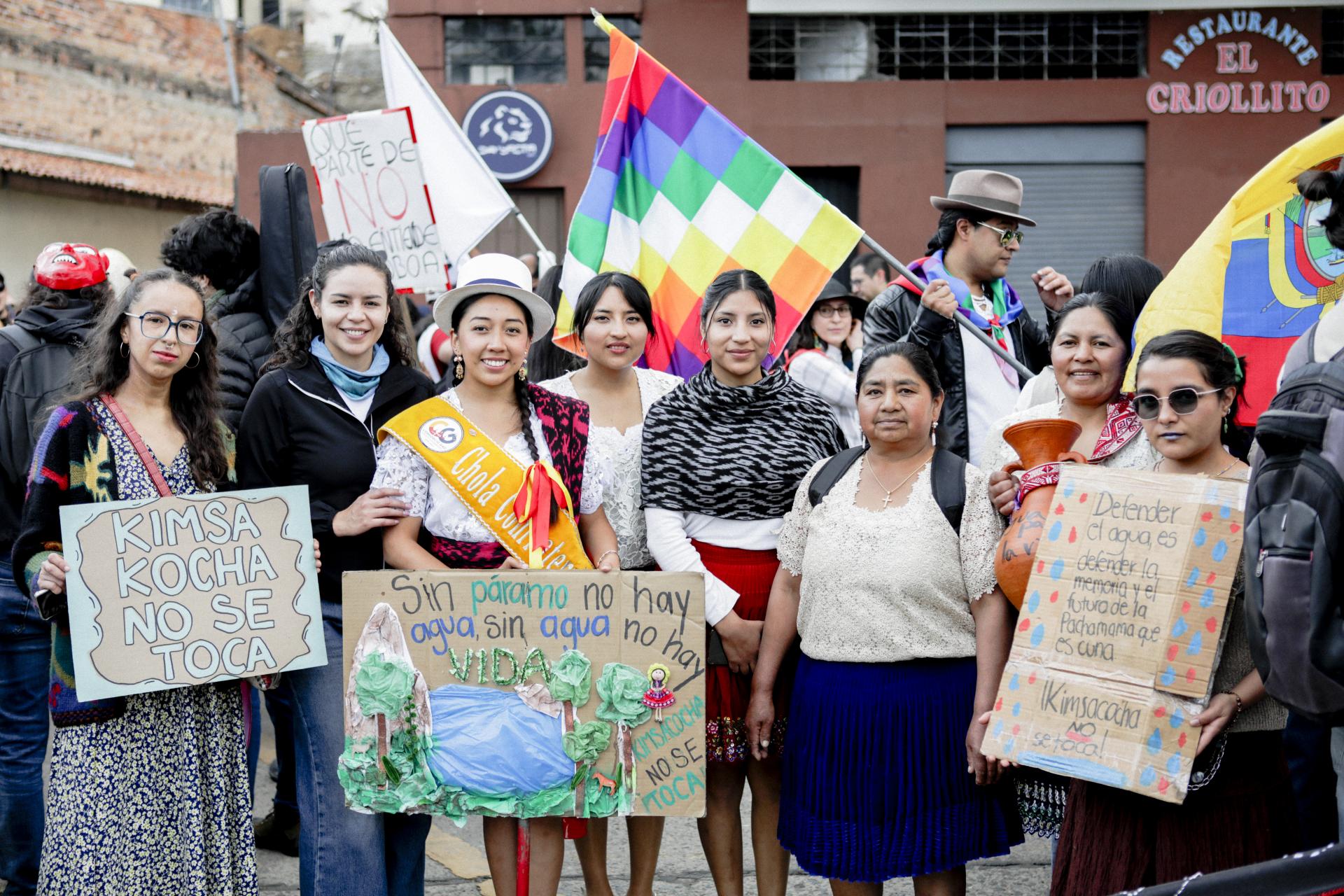
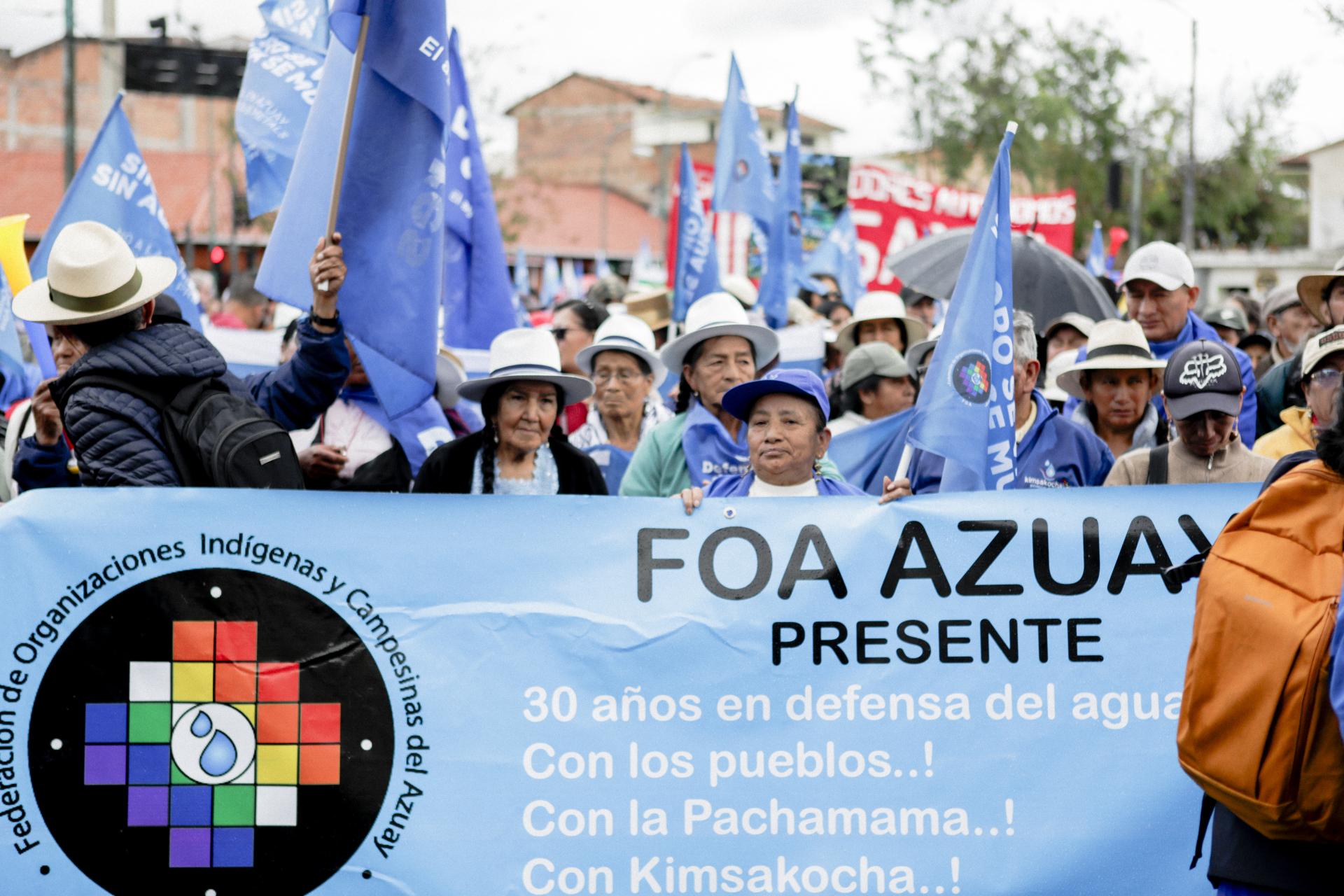
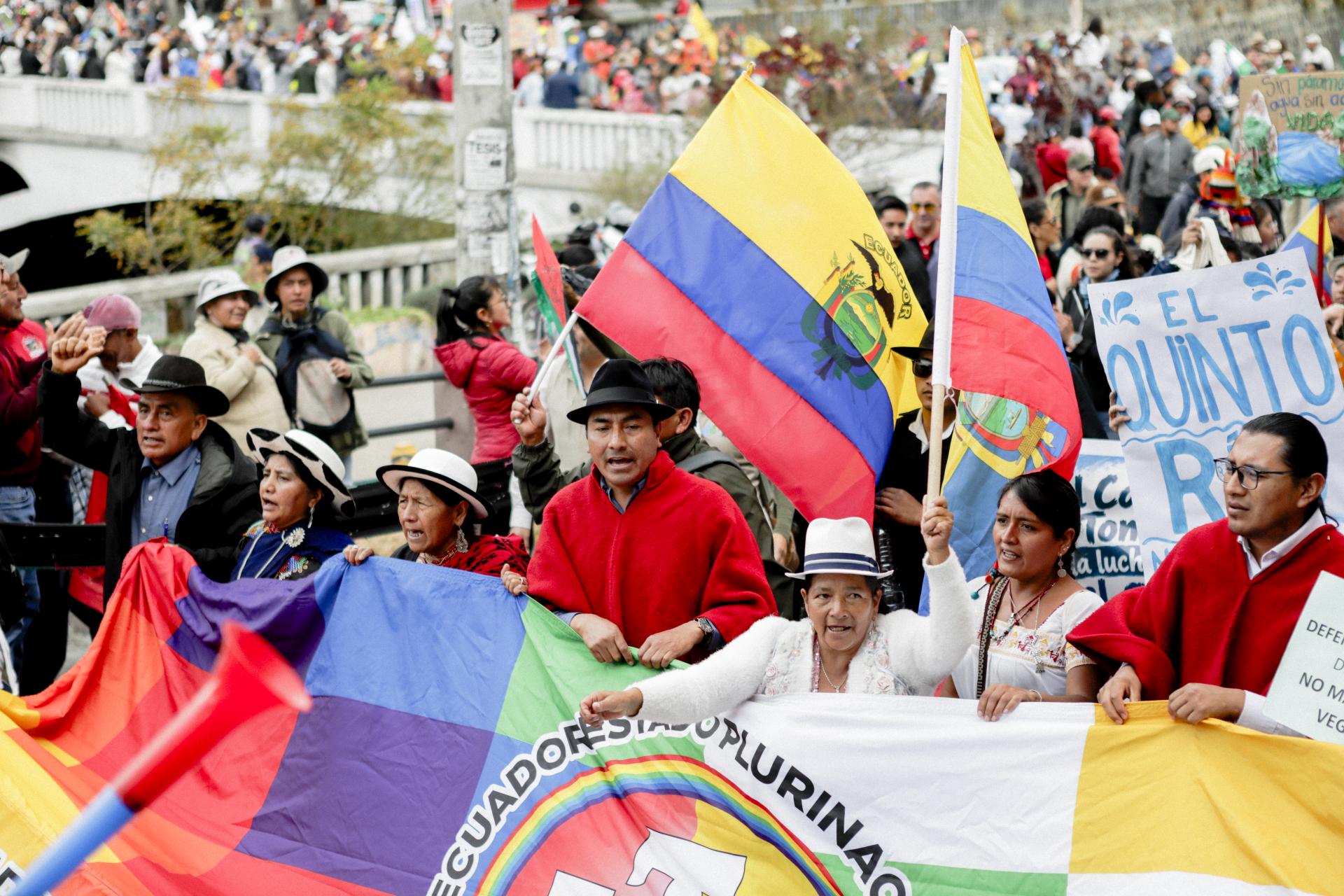
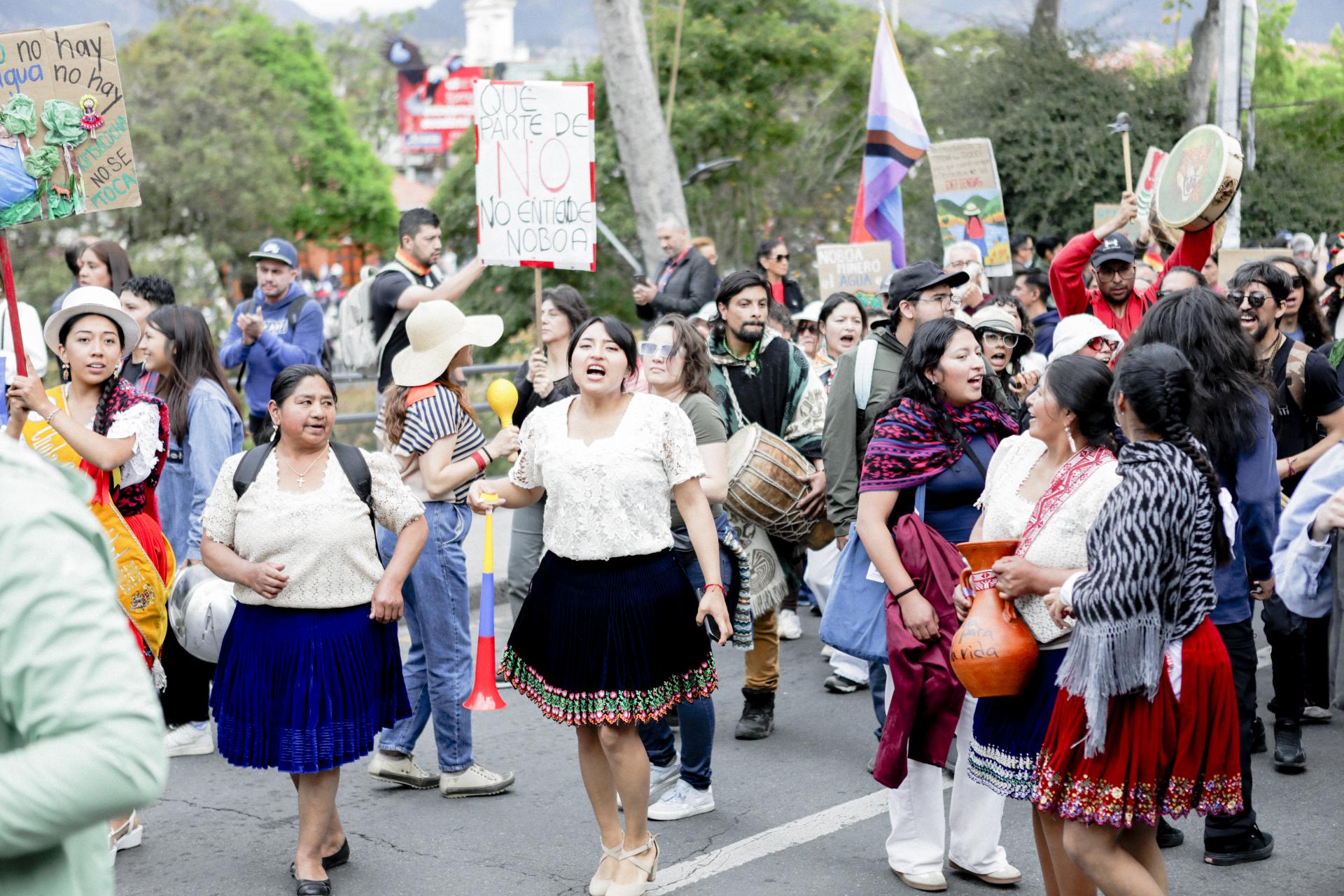
The historic colonial center of Cuenca transformed into a roaring sea of banners, traditional music, and resolute chants as hundreds of Indigenous leaders, campesino organizers, environmental advocates, and students took to the streets on September 16, 2026. Known globally as the City of Four Rivers, Cuenca temporarily welcomed a fifth: a human current of mountain defenders participating in the second annual Quinto Río (Fifth River) March. Originating from the fragile high-altitude wetlands of the southern Andes, the demonstrators converged to deliver an unmistakable ultimatum to government and corporate entities: the region’s vital water sources are not for sale, and the high-altitude párramos must remain protected from extractive industries.
This mass mobilization marks a critical inflection point in Ecuador’s ongoing socio-environmental landscape, exactly one year after the inaugural Quinto Río march brought an estimated 100,000 citizens into the streets. That landmark protest thrust the contentious Kimsakocha páramo and the looming Canadian-backed Loma Larga mining project into the national spotlight. As corporate pressures mount and climate change accelerates, the defense of southern Ecuador’s hydrological systems has evolved from a localized regional grievance into a foundational pillar of the national Indigenous rights movement.
Chronology of Resistance: Three Decades of Grassroots Mobilization
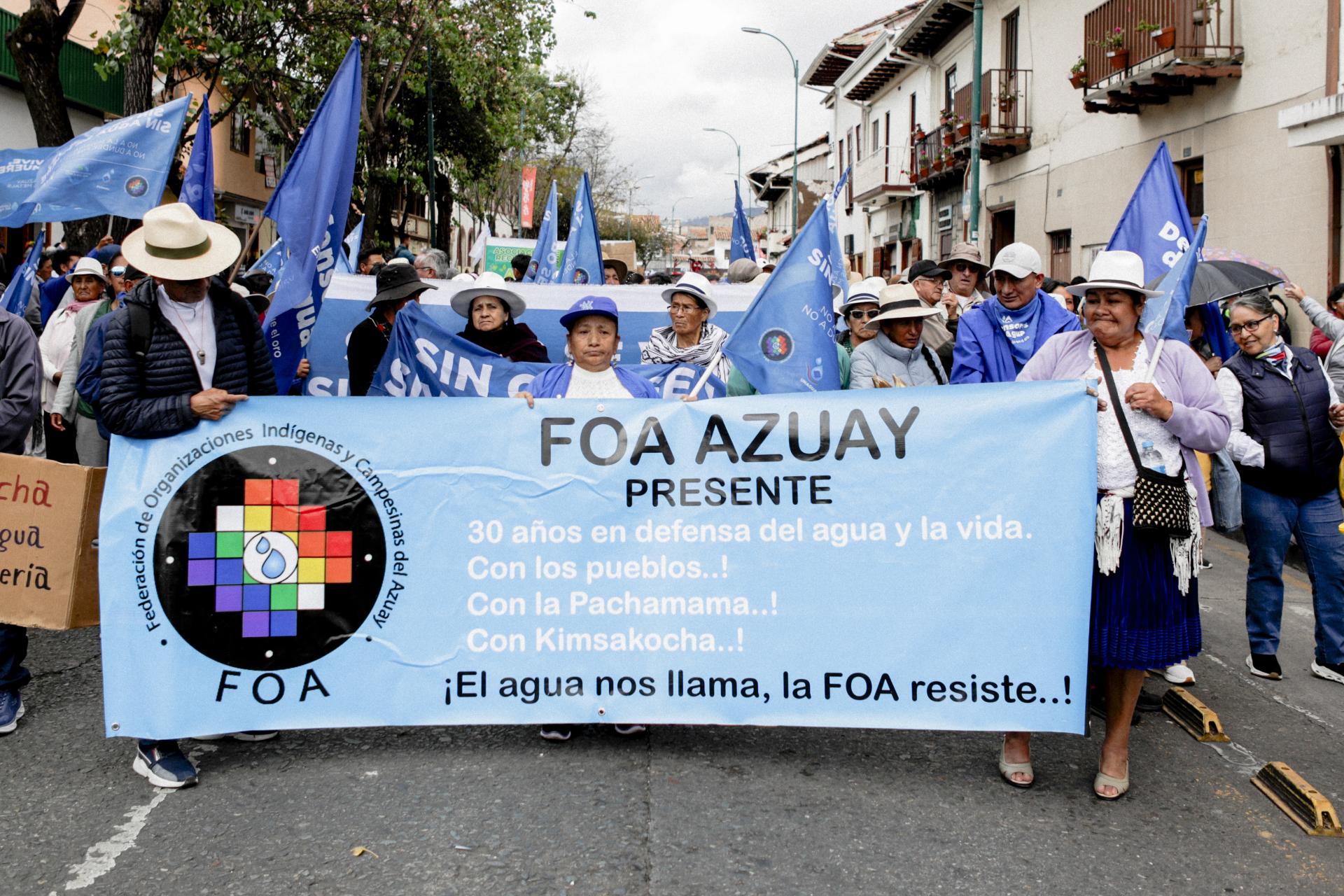
The roots of the Quinto Río movement run deep, drawing strength from decades of coordinated rural organizing. For nearly thirty years, organizations like the Federación de Organizaciones Indígenas y Campesinas del Azuay (FOA), led by current president Lauro Sigcha, have stood at the forefront of ecological stewardship in the Azuay province. FOA’s sustained resistance has encompassed grassroots community assemblies, strategic legal actions, public advocacy campaigns, and the operation of community radio stations that amplify local voices and counter corporate narratives.
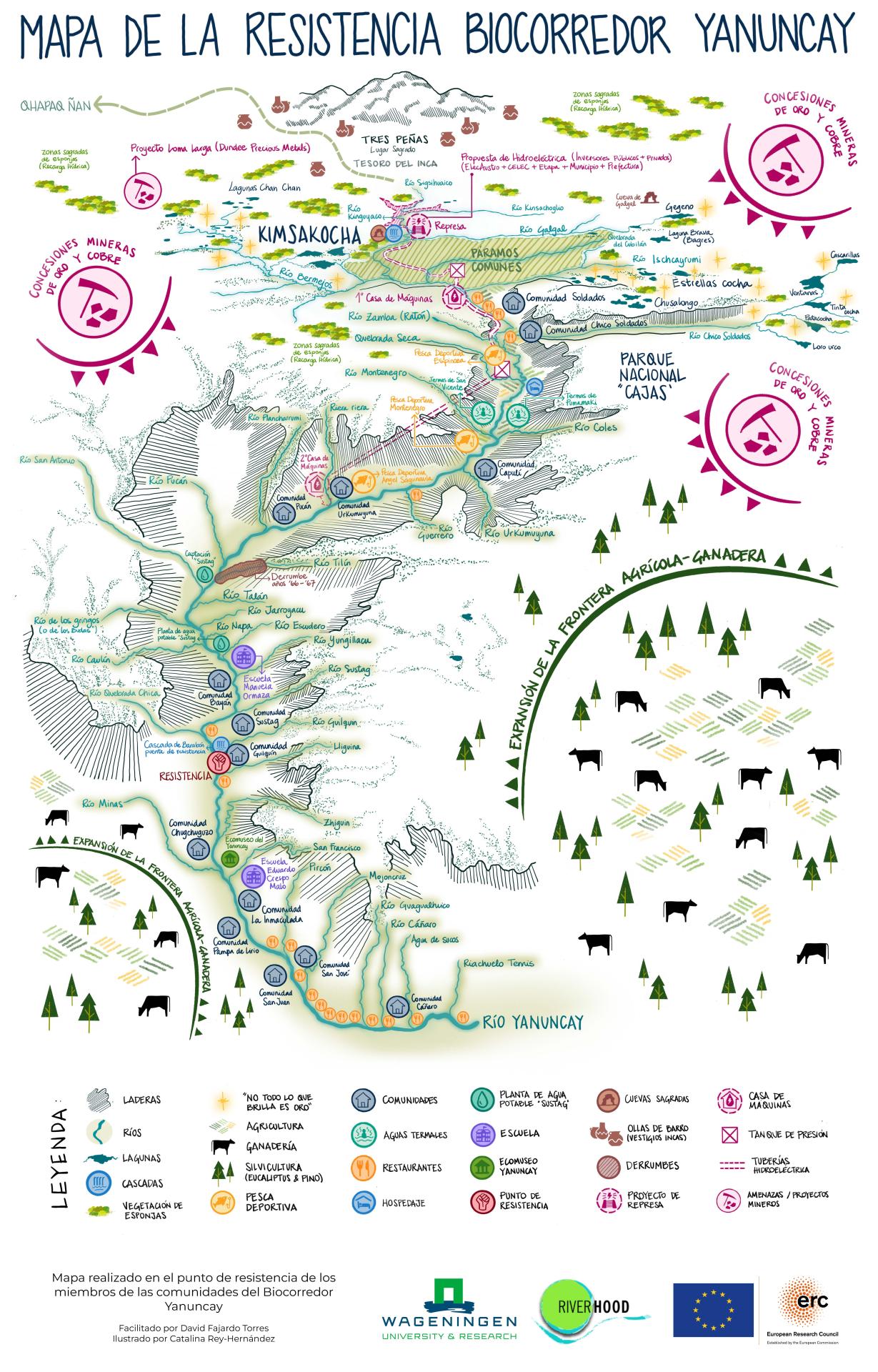
The immediate catalyst for the modern coalition was the advancement of the Loma Larga mining project—formerly known as Quimsacocha—which threatens critical water-producing ecosystems. Despite fierce local opposition and legal hurdles, extractive concessions in the area have repeatedly sparked intense confrontations between local communities and state-backed corporate interests.
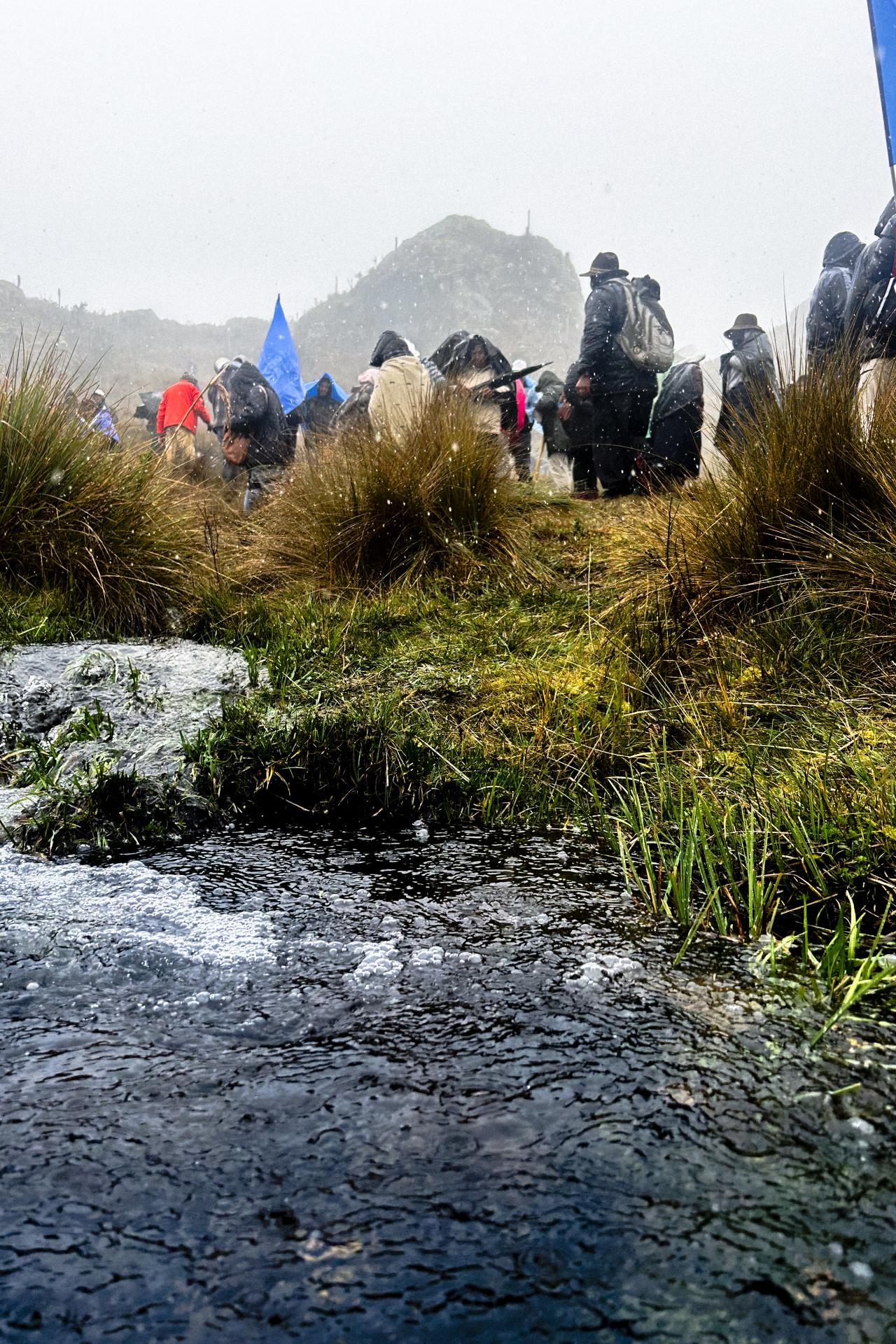
Expanding beyond mining threats, the battleground has recently widened to include mega-infrastructure projects. Along the banks of the Yanuncay River, Kañari Kichwa communities are currently confronting the pressures of the proposed Soldados-Yanuncay Hydroelectric Project. For the residents who rely on these waterways for agriculture, livestock, and daily survival, the project represents an existential threat to the delicate balance of the páramo and river valley ecosystems. These compounding pressures ultimately birthed the Quinto Río coalition, uniting disparate localized struggles into a synchronized regional force.
Where the Water Begins: The Ecological Significance of Kimsakocha
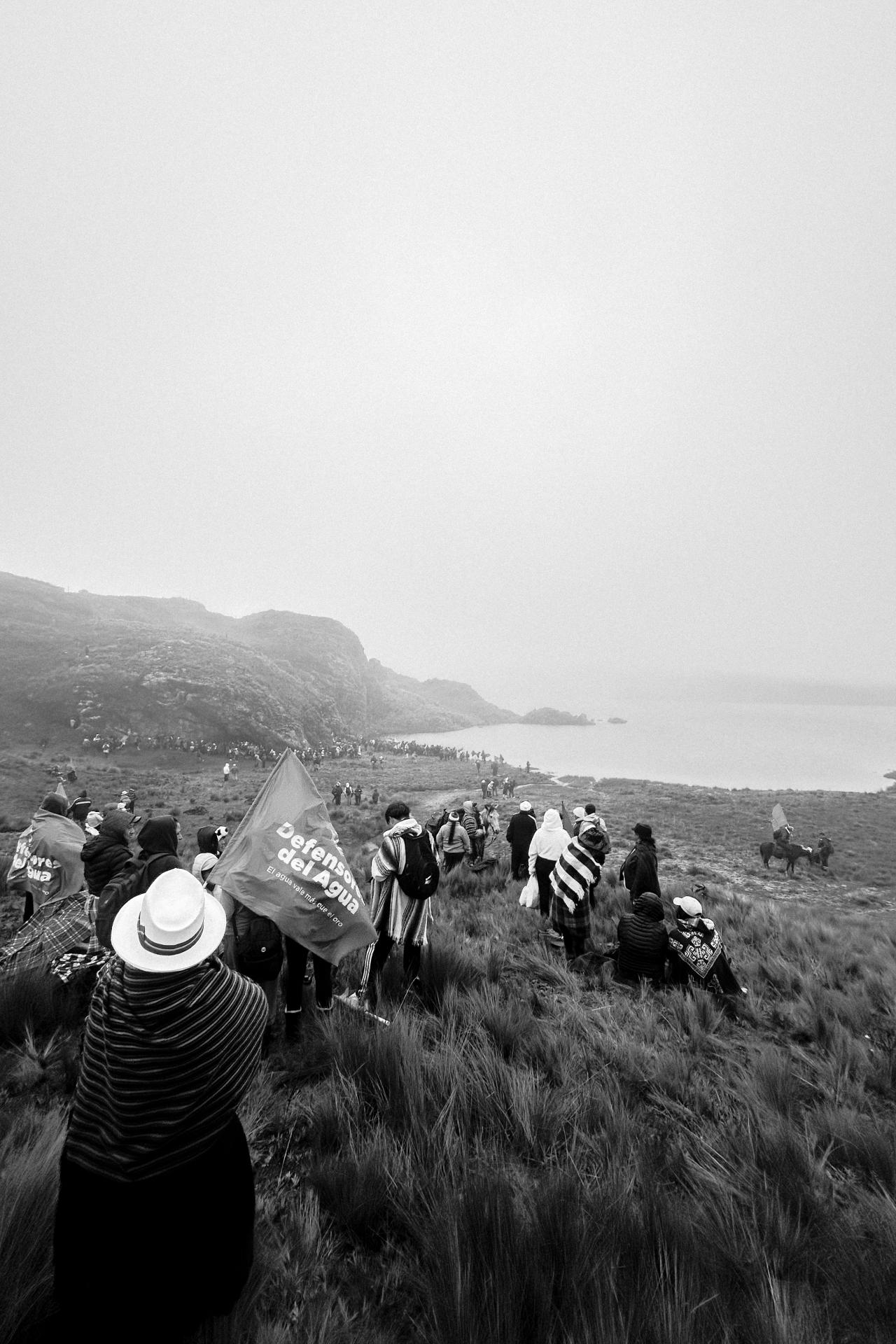
To fully grasp the gravity of the protests in Cuenca, one must look beyond the urban center and travel upward into the rugged, mist-shrouded peaks of the southern Andes. Situated at high altitudes, Kimsakocha—whose Kichwa name translates to "three lakes"—functions as a vital hydrological heart for the region. Its complex matrix of wetlands, peat bogs, and glacial lakes acts as a natural sponge, absorbing rainfall and releasing it gradually to form the headwaters of critical watersheds.
These pristine headwaters sustain downstream agriculture, livestock rearing, urban water supplies, and delicate regional ecosystems. For the Kañari and Saraguro Kichwa peoples, these aquatic systems transcend economic utility; they are sacred components of a living, interconnected territory.
"The páramo and our rivers are not simply ecosystems to be protected or resources to be exploited," local community representatives emphasized during recent regional assemblies. "They are the physical embodiment of our culture, our food sovereignty, our historical memory, and the foundation upon which future generations depend."
Youth and Women at the Vanguard of Territorial Defense
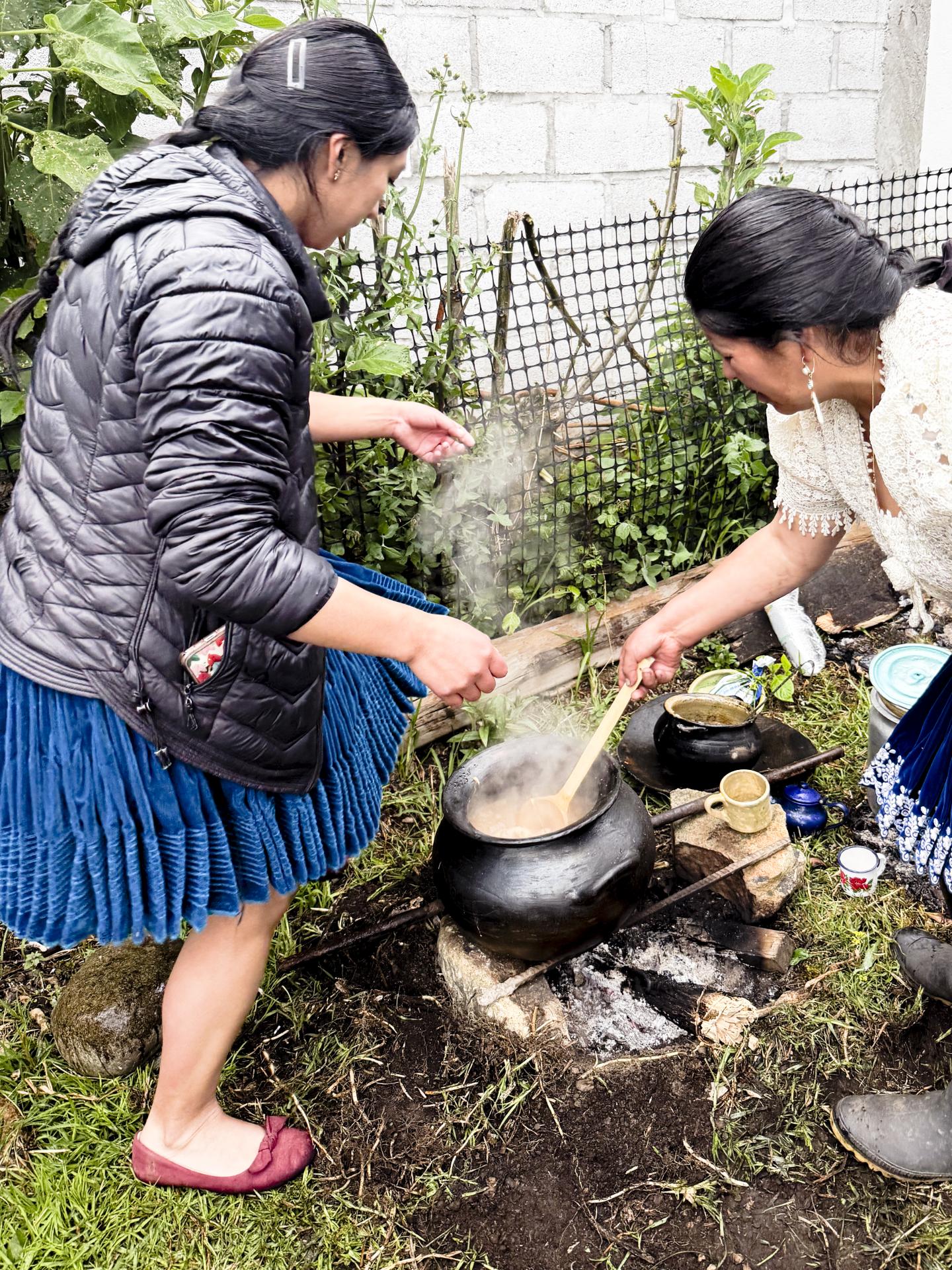
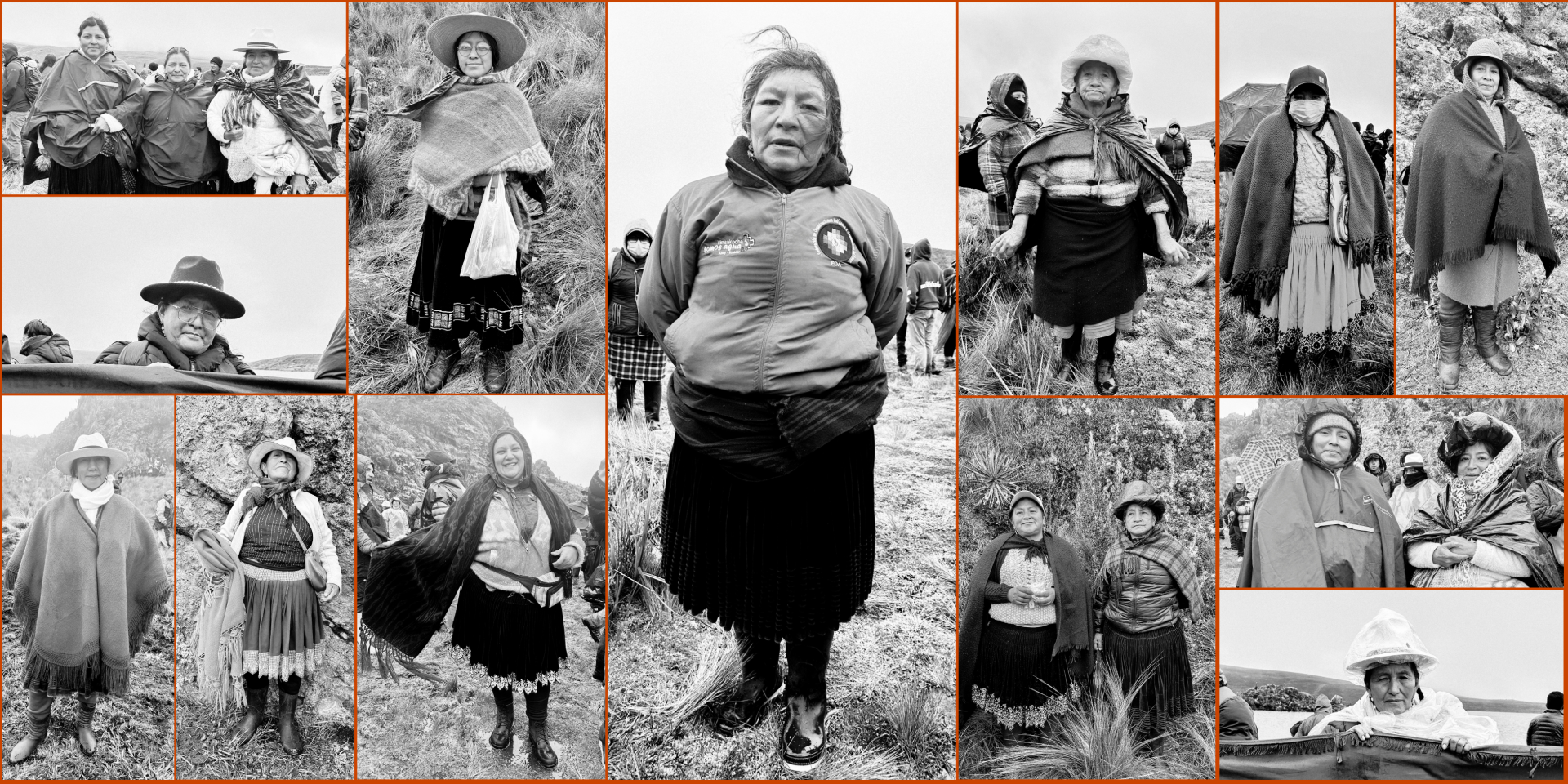
While mass mobilizations capture national headlines, the day-to-day defense of the Ecuadorian Andes is increasingly driven by women and youth. In many rural communities throughout Azuay and Loja, male migration for external labor has left women to shoulder the immense responsibilities of household leadership, agricultural maintenance, and political organizing. Women have consequently become the principal guardians of community memory and territorial integrity.
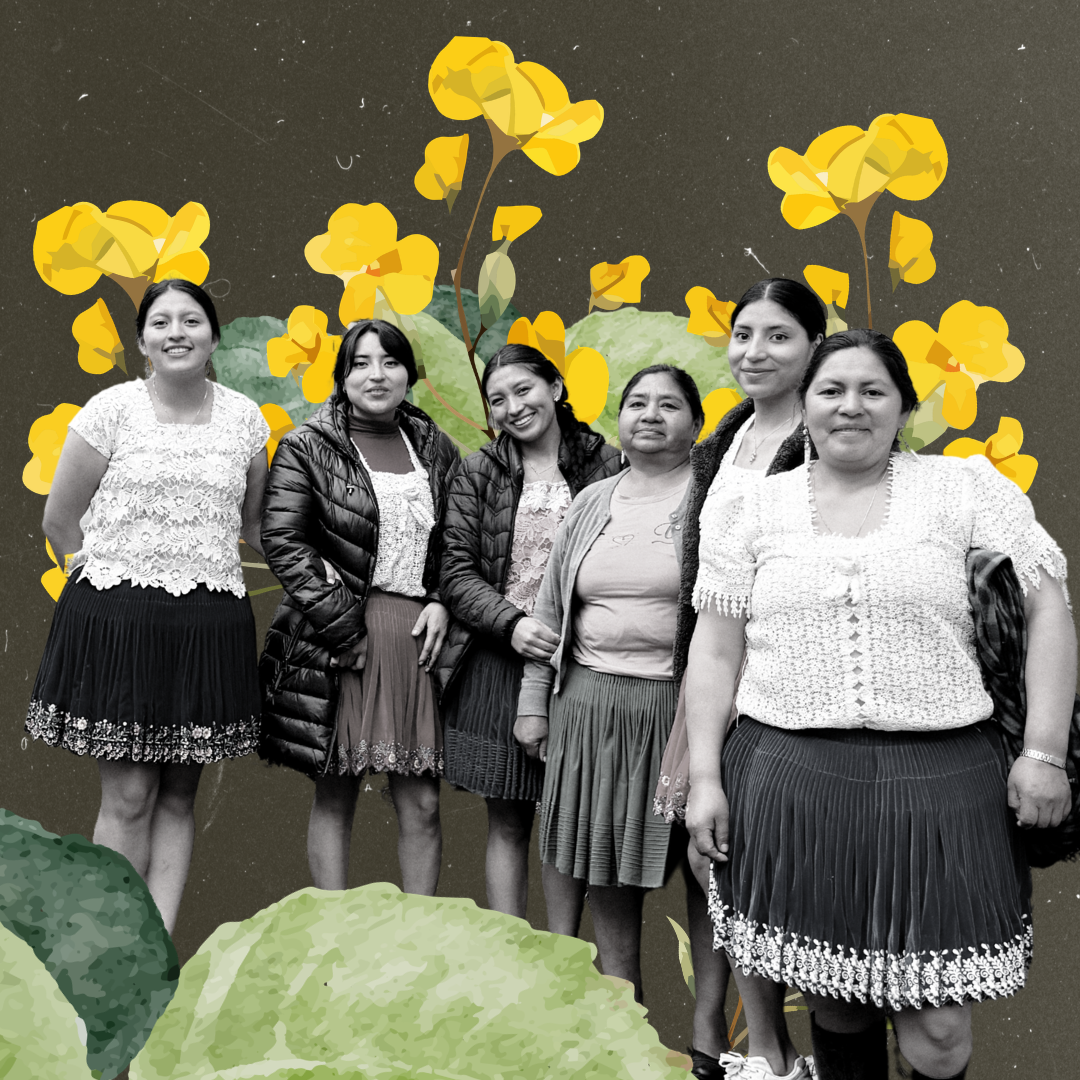
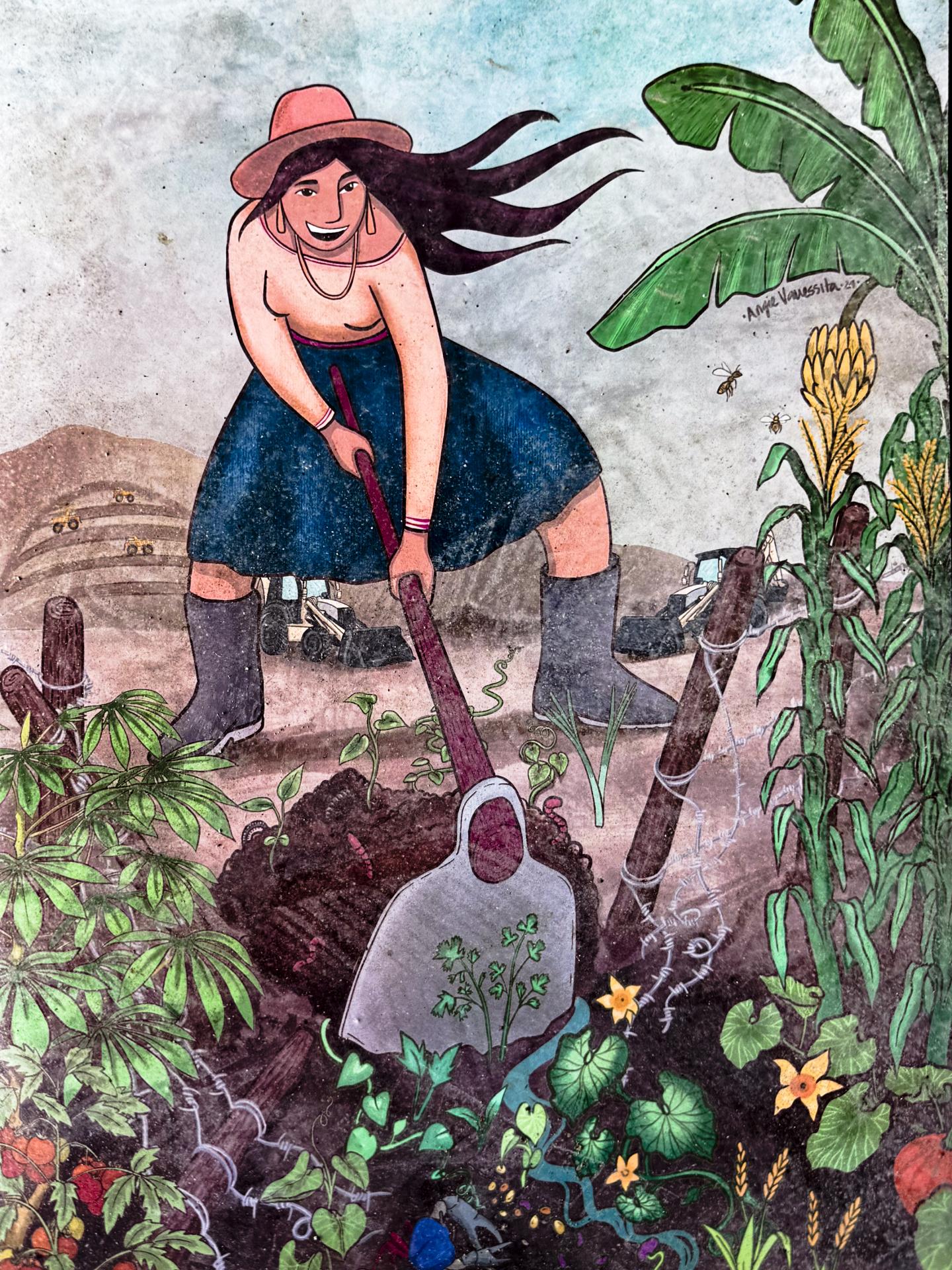
Simultaneously, a new generation of Indigenous youth is redefining what environmental stewardship looks like. In the Yanuncay River Valley, a collective of young women led by Kañari Kichwa leader Patricia Pulla is actively restoring native flora and repairing páramo water-recharge areas ravaged by a combination of climate change and increasingly severe wildfires. Supported by international fellowships from organizations like Cultural Survival, the collective operates a small native plant nursery. Here, youth propagate indigenous species to restore degraded riverbanks while simultaneously transmitting ancestral ecological knowledge.
Further south in Loja, Saraguro Kichwa youth leader Tamia Contento is spearheading similar initiatives in the Fierro Urco region. Working alongside local peers who are actively resisting regional mining pressures, Contento’s collective focuses on strengthening cultural identity, sustainable entrepreneurship, and community-based communications. By utilizing digital media, cultural workshops, and collaborative storytelling, these young leaders are ensuring that their generation remains deeply rooted in the land.
Official Responses and Corporate Stances
The escalating tensions in Azuay and Loja place the Ecuadorian central government and transnational mining corporations under intense public scrutiny. Proponents of projects like the Loma Larga gold and silver mine—historically advanced by foreign mining conglomerates—frequently argue that large-scale extraction is essential for national economic development, foreign direct investment, and job creation. Government officials have traditionally maintained that modern mining practices can be executed under strict environmental controls that safeguard public water supplies.
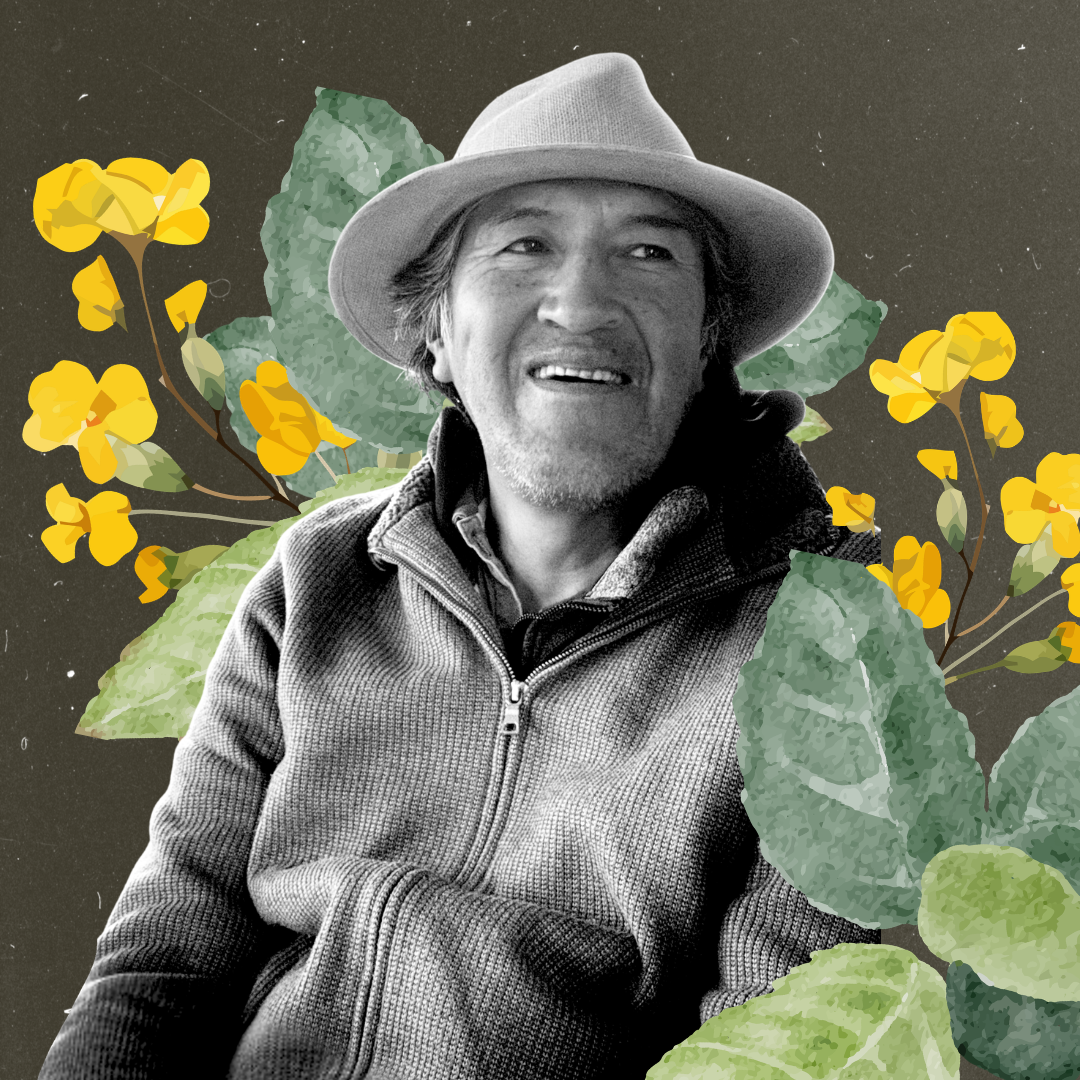
However, these official assurances have consistently failed to assuage local communities. Critics, legal scholars, and environmental watchdogs point to a severe deficit of meaningful, prior consultation with Indigenous populations, a constitutional right enshrined in Ecuador’s Magna Carta and international human rights frameworks such as ILO Convention 169. Independent hydrological studies commissioned by community organizations repeatedly warn that subterranean mining beneath high-altitude párramos risks permanently fracturing fragile aquifers, contaminating heavy metals into pristine watersheds, and irreversibly diminishing water flow during dry seasons.
Fact-Based Implications and Future Outlook
The implications of the Quinto Río movement extend far beyond the borders of Azuay province, holding profound consequences for national energy policy, environmental jurisprudence, and social stability in Ecuador.
- Judicial and Constitutional Precedents: The sustained resistance in Kimsakocha and Fierro Urco builds upon Ecuador’s pioneering constitutional recognition of the Rights of Nature (Derechos de la Naturaleza). Successful grassroots mobilization strengthens the legal arguments used by Indigenous communities to challenge extractive concessions in higher courts, potentially setting binding national precedents regarding water rights over mineral exploitation.
- National Food Security and Climate Resilience: As Andean glaciers retreat and weather patterns become increasingly erratic due to global climate change, the preservation of páramo ecosystems is a matter of national security. Compromising these natural water towers directly threatens agricultural productivity in the inter-Andean valleys, which supply food staples to major urban centers.
- Social Polarization and Governance: The widening gulf between national development strategies centered on primary resource extraction and local demands for self-determination signals continued social friction. Without robust, transparent institutional mechanisms for conflict resolution and genuine community consent, local unrest is projected to escalate.
As the echoes of the second Quinto Río march fade from the historic plazas of Cuenca, the movement leaves an indelible mark on the national consciousness. The demonstrators who walked the streets carried more than painted placards and hoisted banners; they bore the collective memory of the mountains and the generational labor of communities fighting for their survival. In the high-altitude wetlands where the rivers are born, and in the bustling streets where the people momentarily became the river, the message remains clear: the defense of water is the defense of life itself.




