
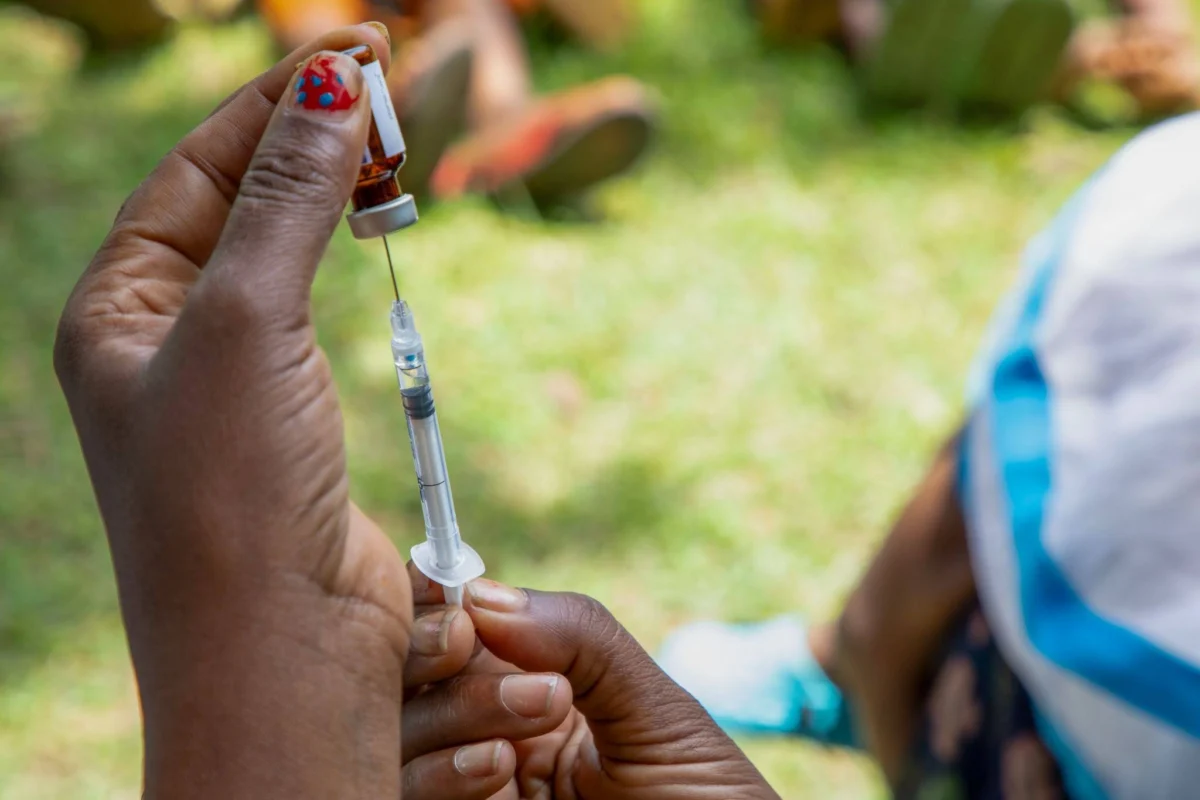
Across the globe, billions of vital vaccine doses are lost annually to minor, preventable disruptions within the cold chain—the temperature-controlled supply chain essential for preserving the efficacy of biological medical products. While procuring and installing state-of-the-art cold rooms represents a foundational step for any public health apparatus, public health experts increasingly recognize that the true measure of a resilient healthcare system lies in its long-term capacity to maintain, manage, and independently adapt this critical infrastructure over time. Nowhere is this lesson more vividly demonstrated than in Ethiopia, where a transformative collaborative initiative over the past year has reshaped the nation’s pharmaceutical supply management landscape.
In close partnership with the Ethiopian Ministry of Health and the Ethiopian Pharmaceutical Supply Service (EPSS), public health implementer JSI has spearheaded a paradigm shift across the country. Rather than treating logistical challenges, infrastructural shifts, and equipment relocations as mere technical hurdles, the partnership successfully transformed routine management and maintenance operations into an intensive, hands-on training ground and a catalyst for national policy reform.
The Stakes: Shifting Demographics and the Imperative for Resilient Logistics
Ethiopia’s rapidly evolving socio-economic landscape presents profound logistical demands on its public health supply chain. Shifting demographics, accelerated urban development, and inherent operational inefficiencies have placed unprecedented strain on the nation’s existing cold chain infrastructure. To effectively serve a population exceeding 32 million people across diverse and often challenging terrains, the national distribution network required systemic reorganization.
Historically, supply chain interventions in developing nations have relied heavily on external consultants and short-term contractors to manage sophisticated equipment relocations and upgrades. However, recognizing that such models ultimately breed long-term dependency, JSI and EPSS adopted an alternative approach. They leveraged necessary infrastructural improvements—driven by urban expansion and regional healthcare demands—to deliberately build, test, and solidify local capacity. By embedding training directly into complex logistical operations, the partnership sought to cultivate a self-reliant national workforce capable of safeguarding Ethiopia’s cold chain legacy for generations to come.
The Mekelle Hub: Streamlining Operations in Northern Ethiopia
The operational transformation began in earnest at the EPSS Mekelle hub, a critical distribution node serving more than seven million people across northern Ethiopia. Prior to the intervention, the facility was hampered by chronic operational inefficiencies. Comprehensive initial assessments revealed that these bottlenecks were predominantly caused by scattered equipment placement, which complicated inventory management and heightened the risk of compromised storage conditions for both temperature-sensitive vaccines and essential dry medical supplies.
To resolve these inefficiencies, logistics planners determined that centralizing two walk-in cold rooms and one walk-in freezer into a single, cohesive space was paramount. Rather than outsourcing this delicate engineering task, EPSS staff worked side-by-side with JSI technicians. This collaborative framework allowed local staff to participate directly in every phase of the project, including the intricate dismantling, secure transportation, and precision recommissioning of the industrial refrigeration units.
The meticulous planning and co-execution in Mekelle served a dual purpose. Beyond streamlining day-to-day warehouse operations and significantly enhancing the safety margins for stored vaccines, the operation functioned as a live technical demonstration. By engaging directly with the inner workings of the machinery, local technicians deepened their theoretical and practical understanding of how commercial cold storage systems operate under varying environmental stresses.
Navigating Geographic Constraints at the Hawassa Hub
Following the successes in the north, JSI and EPSS tackled a substantially more complex logistical challenge at the Hawassa storage facility, a vital regional hub serving a catchment population of over ten million individuals. Unlike the Mekelle facility, where consolidation was driven internally by efficiency goals, the Hawassa relocation was forced by external geographical and infrastructural pressures.
A major government-sponsored road corridor expansion project in Hawassa necessitated the urgent, unyielding relocation of two expansive walk-in cold rooms to an entirely new site. The stakes were exceptionally high: any miscalculation during the move threatened to disrupt the cold chain, risking the potency of thousands of vital vaccine doses stored for regional distribution.
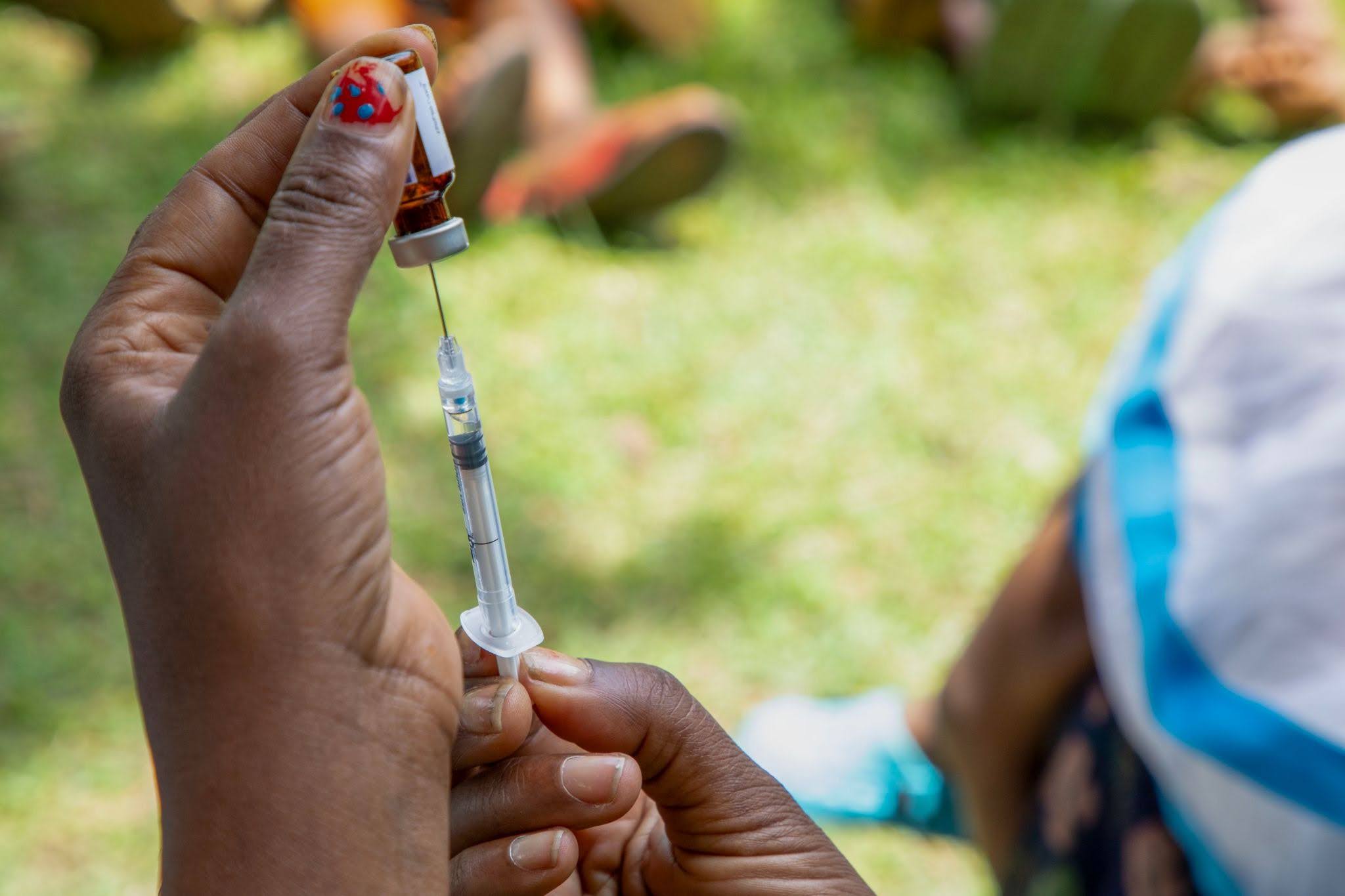
Undeterred by the tight timelines and technical complexity, JSI and EPSS successfully relocated 150 cubic meters of active cold storage to the new facility. Crucially, the operation was executed without a single lapse in temperature control, thereby preserving strict international storage standards and total vaccine potency.
In a notable evolution from the Mekelle project, EPSS personnel took the operational lead in Hawassa. When complex technical challenges arose during the de-installation and re-assembly phases, local technicians troubleshot the issues independently, guided by targeted coaching from JSI mentors. This co-execution model proved vital, empowering EPSS leadership to direct a major warehousing overhaul necessitated by unexpected geographic and urban planning constraints.
The Addis Ababa Milestone: Independent Execution at National Scale
The culmination of this year-long capacity-building journey unfolded at the Addis Ababa Hub 1, the nation’s largest sub-national vaccine store, which underpins the public health safety net for a staggering 15 million people. Prior to the intervention, the facility’s layout was severely fractured: five distinct cold rooms and one dedicated freezer room were scattered haphazardly across three separate warehouses on the campus.
This fragmented design imposed severe operational hazards. Warehouse staff were routinely forced to transport sensitive, temperature-controlled items across open-air floors. During peak daylight hours, ambient temperatures along these transit routes soared to a dangerous 38 degrees Celsius, threatening the stability of life-saving immunizations and placing enormous physical strain on logistics personnel.
Recognizing the severity of the risk, EPSS and JSI embarked on a comprehensive consolidation project to integrate the five cold rooms and the freezer room into a single, thermally optimized, state-of-the-art facility. Demonstrating the profound impact of the preceding months of training, EPSS cold chain technicians assumed complete operational leadership of the project.
With JSI providing high-level technical mentorship rather than direct labor, EPSS technicians independently executed the complex relocation, consolidation, and recalibration of the multi-unit refrigeration system within a matter of weeks. The flawless execution of the Addis Ababa project served as the ultimate test of the technicians’ growing expertise. The resulting facility not only eliminated the hazardous open-air transit routes but also established a modern, highly efficient benchmark for cold storage management in East Africa.
Following the successful completion of the Addis Ababa project, biomedical engineers and technicians gathered to mark the milestone. Their achievement signaled a definitive transition from supervised learners to confident, autonomous experts capable of directing national-level healthcare logistics.
Building a Sustainable Cold Chain Legacy Through Policy and Practice
The overarching philosophy of the JSI and EPSS collaboration can be summarized by a simple yet demanding methodology: teaching while doing. By deliberately structuring the initiative as an iterative capacity-building program—engaging the exact same local technical team across three increasingly complex consecutive projects in Mekelle, Hawassa, and Addis Ababa—the partnership ensured that practical skills compounded over time.
This deliberate progression transformed novice and intermediate technicians into elite, confident cold chain experts. However, the vision of the initiative extended far beyond immediate infrastructural upgrades and workforce training. Recognizing that individual competency must be institutionalized to survive administrative and personnel shifts, the partners worked to translate their granular, hands-on field experiences into formal national policies and operational protocols.
By codifying the lessons learned from these three major relocations into standardized national guidelines, the Ethiopian Ministry of Health and EPSS have ensured that local technical resilience is permanently woven into the fabric of the healthcare system. As climate change accelerates and demographic pressures mount across the African continent, Ethiopia’s proactive approach to cold chain management offers a replicable, sustainable model for safeguarding public health investments and ensuring that every vaccine reaches its intended recipient safely and effectively.




