
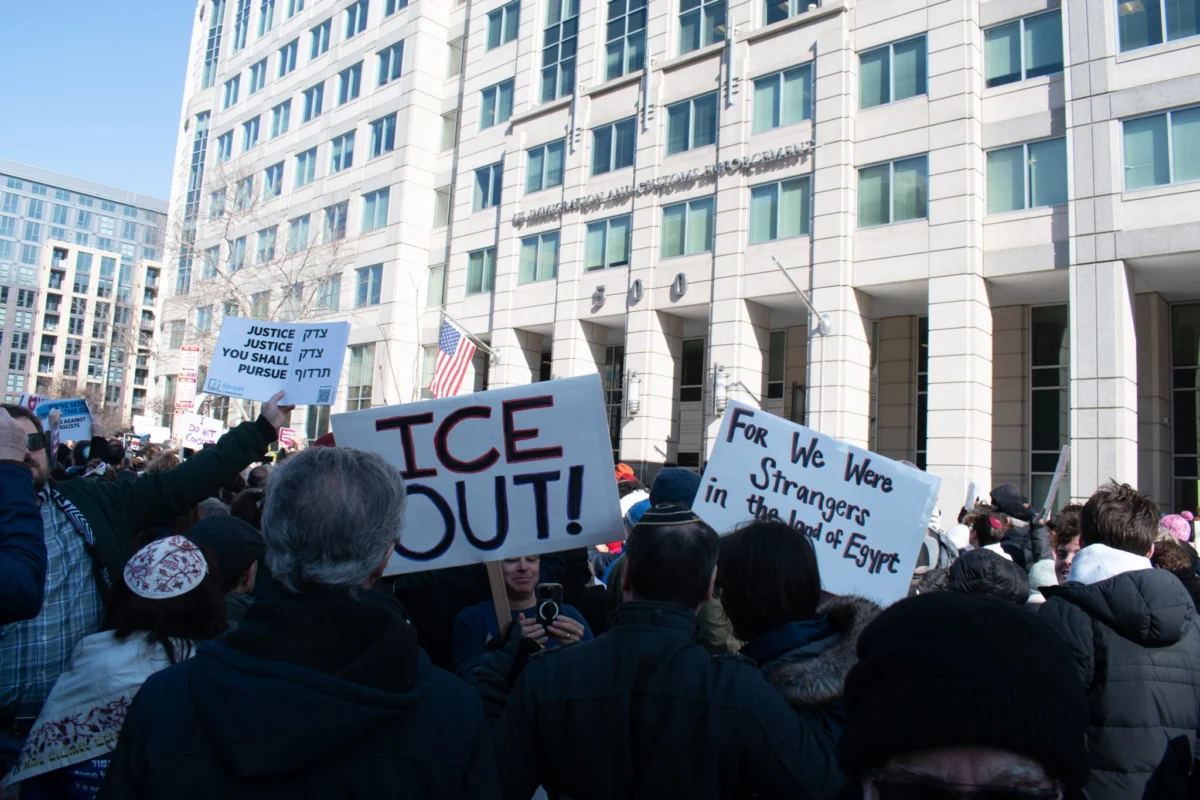
As the Jewish community prepares for the observance of Rosh Hashanah and the High Holiday season, HIAS Rabbi-in-Residence Sarah Bassin has issued a call for a renewed commitment to the protection of refugees and immigrants, framing the current era of geopolitical volatility as a critical juncture for the preservation of human rights. This appeal, published on September 2, 2026, coincides with a period characterized by significant global backsliding in democratic norms, the resurgence of xenophobic nativism, and an increasingly fractured international consensus regarding the treatment of displaced populations.
The Context of Global Displacement and Institutional Erosion
The discourse surrounding the Jewish New Year 5787 arrives at a time when the fundamental structures established in the aftermath of World War II—designed to safeguard human rights and provide refuge to the persecuted—are facing unprecedented pressure. Since the mid-2020s, international observers have documented a sharp rise in authoritarian impulses across several continents, which has directly impacted immigration policies and the legal pathways available to asylum seekers.
For organizations like HIAS, the world’s oldest refugee agency with over 120 years of history, this shift represents more than just a policy change; it marks a transformation in the global ethos of hospitality. The mainstreaming of nationalist rhetoric has led to the systematic stripping of legal statuses for long-term residents and a contraction of due process in immigration courts. This has created an environment of "legal chaos" where families who once operated within established legal frameworks now face the constant threat of sudden deportation and detention.
Chronology of a Shifting Landscape
The trajectory of the current immigration crisis can be traced back through several key developments:
- 2023–2024: Global displacement figures hit record highs, with the UNHCR reporting over 110 million forcibly displaced people worldwide. Many nations began tightening border security measures, moving away from humanitarian-based asylum models.
- March 13, 2026: HIAS hosted its eighth annual Refugee Shabbat, an event that saw widespread participation across synagogues globally. Rabbi Sarah Bassin used the platform at Temple Israel of Hollywood to emphasize the moral obligation of the Jewish community to resist the normalization of anti-refugee policies.
- Summer 2026: Throughout the northern hemisphere, domestic policy changes in the United States and elsewhere led to increased instances of administrative detention, complicating the ability of legal advocacy groups to secure timely hearings for asylum seekers.
- September 2026: As the High Holiday season approaches, the focus has shifted toward the intersection of theological tradition and political action, specifically regarding the concept of tikkun olam (repairing the world).
Supporting Data: The Scope of the Challenge
The scale of the crisis facing refugees today is underscored by stark statistical realities. According to data from the United Nations and humanitarian monitoring groups, the average length of time a refugee spends in a displaced state has reached an all-time high of approximately 12 years. This "protracted displacement" means that children are often born and raised in camps, and adults lose years of economic productivity while waiting for resettlement or legal resolution.
In the United States, the administrative backlog for immigration cases has exceeded 3 million pending files as of mid-2026. This bottleneck has exacerbated the trauma experienced by asylum seekers, who exist in a state of indefinite limbo. Research from the Migration Policy Institute suggests that the psychological toll of such instability significantly hinders the long-term integration of immigrant communities, even if they are eventually granted legal status.
Theological Evolution and the Call to Action
The article by Rabbi Bassin highlights a deliberate evolution in how the Jewish tradition addresses societal crises. The Aleinu prayer, historically a meditation on divine power, has been recontextualized in modern Jewish thought to emphasize human agency.
"When the world changes, it compels our beliefs to evolve as well," the analysis notes. The interpretation of tikkun olam has transitioned from a metaphysical concept—often involving divine intervention—to a proactive, social-justice-oriented mandate. This shift is not without its critics, who argue that modern iterations may dilute the traditional religious intent of the phrase. However, proponents like Rabbi Bassin argue that such spiritual growth is essential for maintaining moral relevance in a secular, technologically advanced, and increasingly polarized society.
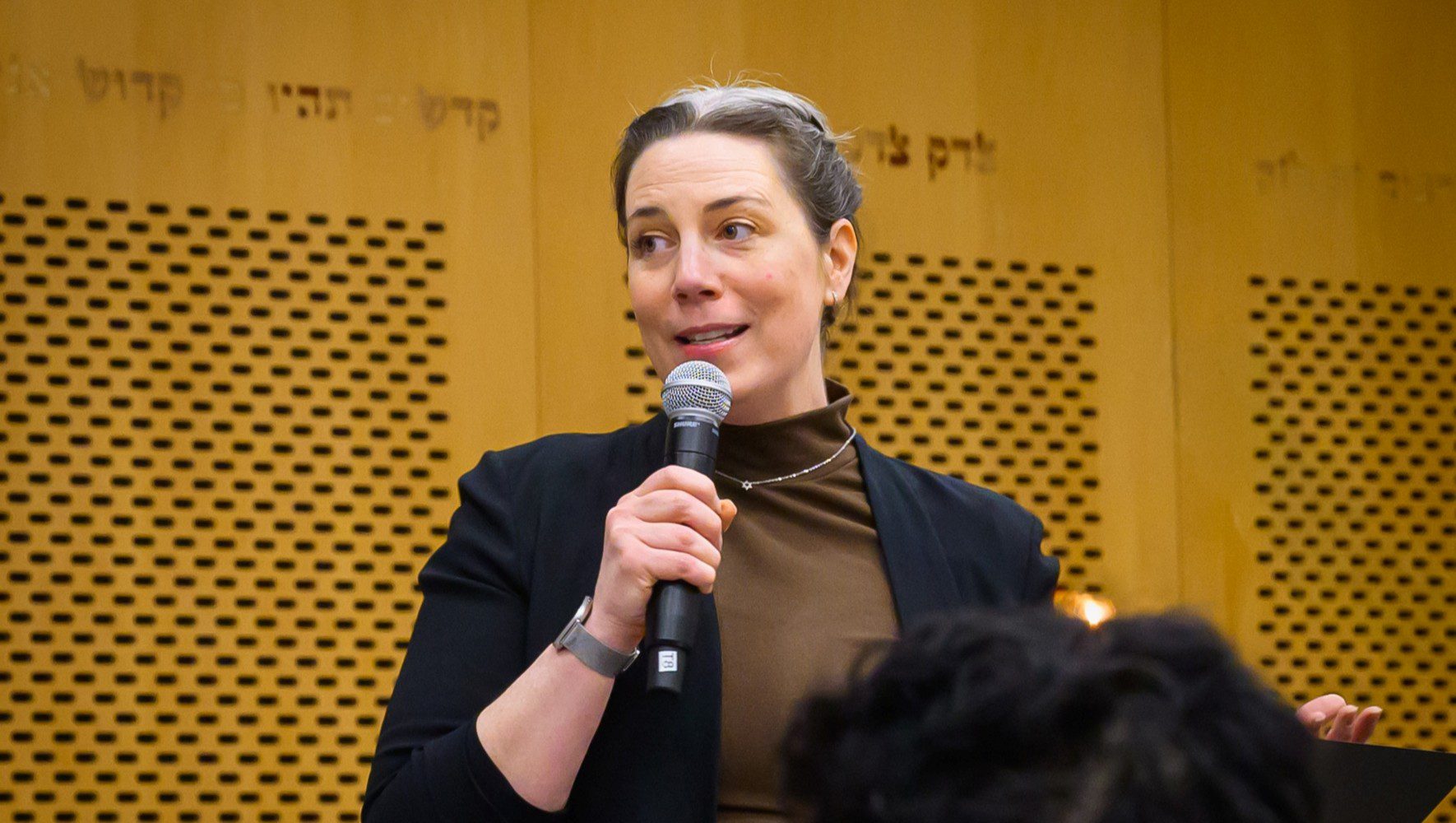
The concept of lo bashamayim hee—the assertion from the Torah that the law is not in heaven but is instead the responsibility of those on earth—serves as the cornerstone for this argument. It suggests that if the structures of justice are failing, it is the duty of individuals and organizations to reclaim and reconstruct them, regardless of the political climate.
Implications for Democratic Institutions
The erosion of a "culture of welcome" carries profound implications for democratic stability. Political scientists and human rights advocates argue that the treatment of the most vulnerable populations is often a bellwether for the health of a democracy. When due process is undermined for immigrants, it frequently creates a precedent that is later applied to other marginalized groups, eventually threatening the civil liberties of the broader population.
The ongoing efforts by organizations like HIAS represent a concerted attempt to provide a counter-narrative to nativist policies. By maintaining a focus on the inherent dignity of the individual, these groups are working to preserve the legal and social infrastructure necessary for a pluralistic society. The challenge, as noted in the recent commentary, is that the damage done to the "faith in the promise" of democratic institutions will take years, if not generations, to repair.
Official Responses and Strategic Outlook
While HIAS continues to advocate for policy shifts, the organization has also shifted its strategic focus toward immediate humanitarian support. This includes:
- Legal Aid and Advocacy: Providing direct representation for individuals facing deportation.
- Community Sponsorship: Engaging local congregations to assist in the resettlement of refugee families.
- Public Education: Utilizing the High Holidays to bridge the gap between religious observance and civic engagement.
Critics of current immigration enforcement measures, including human rights attorneys and faith-based leaders, have repeatedly called for a return to established asylum protocols. They argue that the current focus on mass removal is not only economically costly but morally inconsistent with the stated values of the United States.
Looking Forward: A Call for Resilient Responsibility
As the Jewish community enters 5787, the emphasis is placed on "spiritual chutzpah"—a quality of resilience that transcends optimism. The argument is that the pursuit of justice cannot be contingent on the likelihood of success. The work of welcoming the stranger, according to this perspective, is a foundational obligation that persists even when the political path is obstructed.
The upcoming High Holidays serve as a period of introspection not only for individuals but for the communal institutions that form the backbone of American civil society. The challenge posed by the current geopolitical climate is whether these institutions can maintain their moral compass when the tides of public opinion move in the opposite direction.
For those involved in the work of refugee advocacy, the message for the coming year is clear: the path to progress is not a straight line, and the failure of current systems to uphold human rights does not absolve society of the responsibility to act. By mining their traditions for the fortitude needed to confront a broken reality, proponents of this movement aim to build a framework for the future that is capable of weathering the current era of instability.
As the world looks toward 2027, the role of non-governmental organizations and religious groups in upholding the international order remains a critical area of focus. Whether through legislative advocacy, community-led resettlement efforts, or the persistent challenging of administrative overreach, the efforts to protect the displaced continue to be a primary metric for the resilience of democratic and humanitarian values in the 21st century.




