
The 1916 lynching of Anthony Crawford in Abbeville, South Carolina, serves as a harrowing case study in the broader American history of racial terror, a legacy that is finally being confronted through the systematic work of the Equal Justice Initiative (EJI) and its Community Remembrance Project. Crawford, a 56-year-old prosperous Black planter and community leader, was brutally murdered on October 21, 1916, after he dared to contest a white merchant over the price of his cottonseed. This act of economic independence was met with swift, lethal violence by a mob of approximately 300 white men. In the presence of hundreds of witnesses, Crawford was stabbed, beaten, and hanged before being shot more than 200 times. His death was not an isolated incident of frontier justice but a calculated act of racial subjugation, designed to maintain the social and economic hierarchy of the Jim Crow South.
A Chronology of Terror and Displacement
The violence against Anthony Crawford did not end with his death. Two days after his murder, white residents of Abbeville orchestrated a community-wide expulsion of Crawford’s widow and their 13 children. Under the threat of further violence, and with the Governor of South Carolina explicitly stating his inability to provide protection for the family, the Crawfords were forced to flee. This displacement was both physical and psychological, fracturing a once-thriving family unit and scattering its members to New York, Illinois, and other distant states. The seizure of their property served as an economic weapon, a common tactic used during the era to consolidate white wealth and suppress the economic mobility of Black citizens.

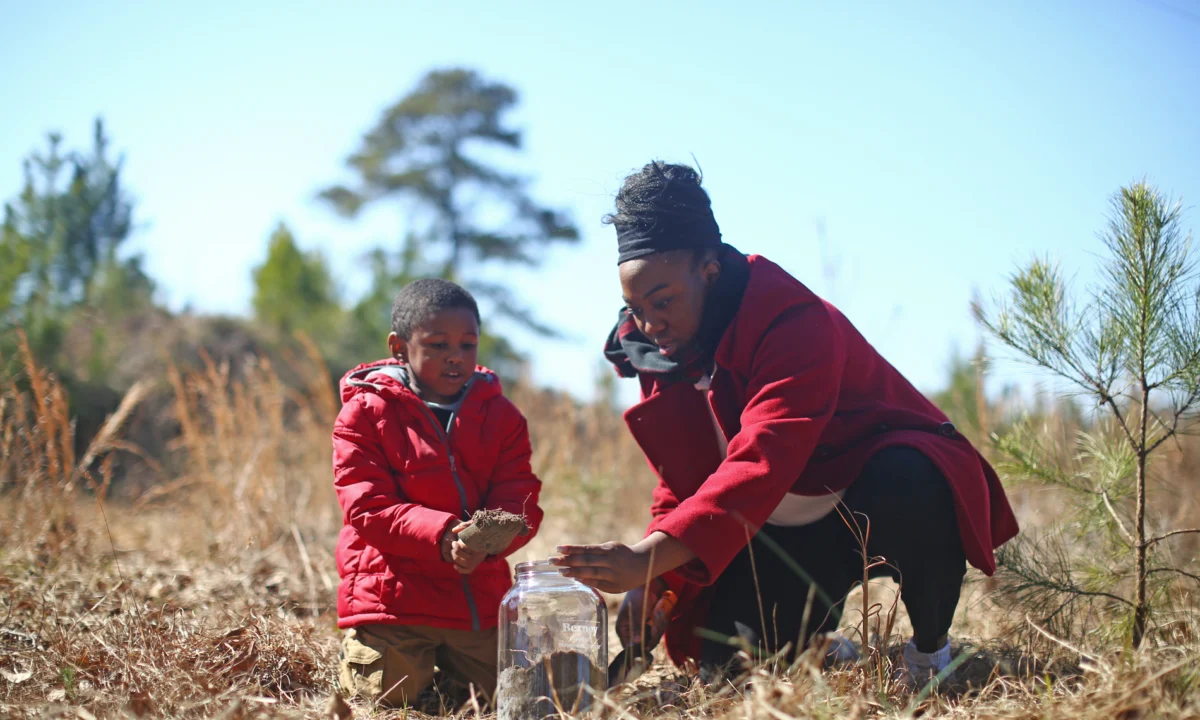
For decades, the story of Anthony Crawford existed only within the oral traditions of his descendants. The silence imposed by terror ensured that such narratives remained confined to private, whispered conversations, protecting the family from the lingering dangers of the era while simultaneously obscuring the historical record. It was not until the centennial of his murder, on October 21, 2016, that a public reckoning began. Over 100 of Crawford’s descendants traveled to Abbeville, joined by EJI Executive Director Bryan Stevenson and hundreds of community members, to reclaim the site of his death. The ceremony included the collection of soil from the public square where Crawford’s body had been displayed, a ritual that symbolizes the physical connection between the land and the history of those who bled upon it.
The Scale of Racial Terror in America
The murder of Anthony Crawford is one of more than 6,500 documented cases of racial terror lynchings that occurred in the United States between 1865 and 1950. EJI researchers have identified that these acts of violence were pervasive, with South Carolina accounting for over 240 incidents, and Abbeville County alone bearing witness to at least 11. These figures represent only the documented cases; the true number is likely higher, as many lynchings were omitted from official records or intentionally concealed by local authorities.
The implications of this era are profound. Lynching was rarely a private affair; it was often a public spectacle, sometimes attended by thousands of white spectators, including children and public officials. These events functioned as a tool of social control, reinforcing the ideology of white supremacy and deterring Black political participation, economic competition, and social advancement. Because nearly all perpetrators of these crimes went unpunished, the systemic failure of the justice system fostered an environment of perpetual insecurity for Black Americans, fueling the Great Migration—a mass movement of six million Black citizens who fled the South in search of basic safety and opportunity in the North and West.
The Community Remembrance Project: A New Landscape of Truth
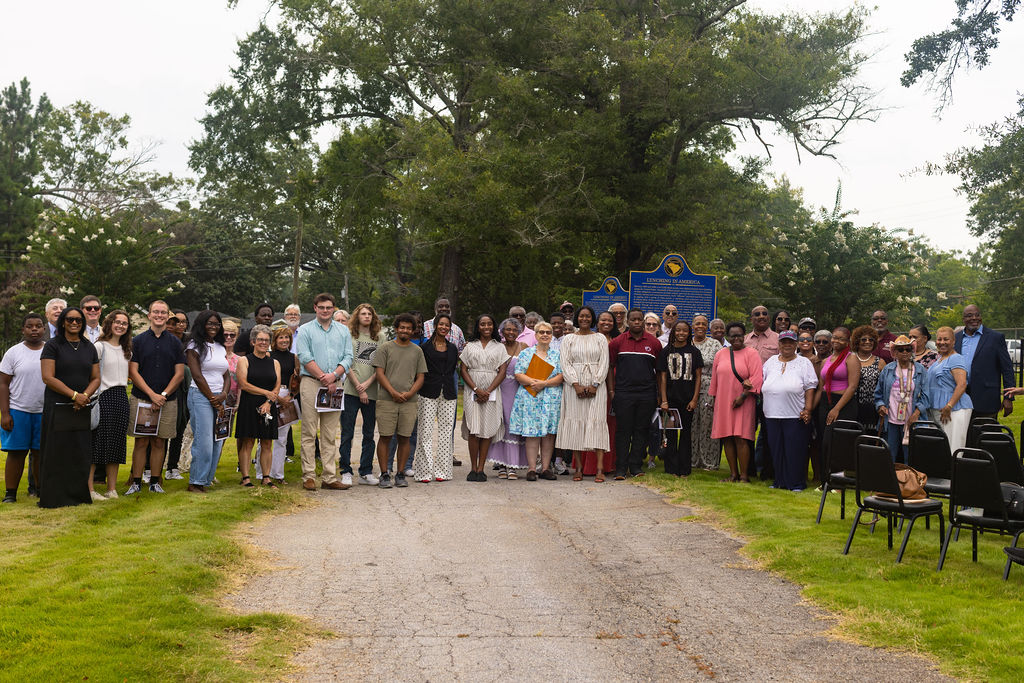
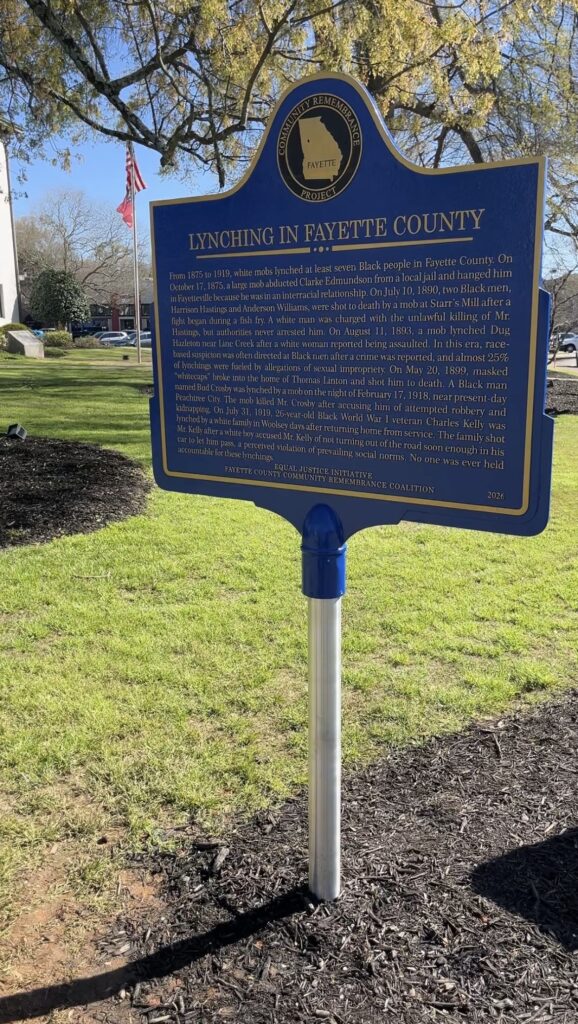
In response to the historical erasure of these atrocities, the Equal Justice Initiative launched the Community Remembrance Project (CRP). This initiative partners with multi-racial, multi-generational coalitions across the country to install historical markers at the sites of lynchings. The goal is to move beyond the traditional memorialization of Confederate leaders and defenders of slavery—often found in public squares—and instead build a physical landscape that acknowledges the realities of racial terror.
Since the installation of the first marker for William Miller in Jefferson County, Alabama, in 2015, the project has grown to include over 140 markers in more than 20 states. The markers are not mere signs; they are comprehensive records that detail the victims’ lives, the circumstances of their deaths, and the complicity of law enforcement and government officials who frequently enabled the violence. For example, the marker for Ed Johnson in Chattanooga, Tennessee, chronicles how he was lynched in 1906 despite a Supreme Court stay of execution, highlighting the utter disregard for the rule of law when it conflicted with white mob violence.
Institutional Complicity and Historical Correction
A central tenet of the CRP’s work is the correction of public records that have long masked the truth of these murders. Many death certificates from the early 20th century list causes of death such as "suicide" or "unknown" for victims who were clearly lynched. In Indianapolis, the Indiana Remembrance Coalition successfully petitioned the Marion County coroner to reclassify the 1922 death of 19-year-old George Tompkins from "suicide" to "homicide." Such administrative corrections are vital components of the restorative justice process, validating the experiences of families who have lived with the truth of these deaths for generations.
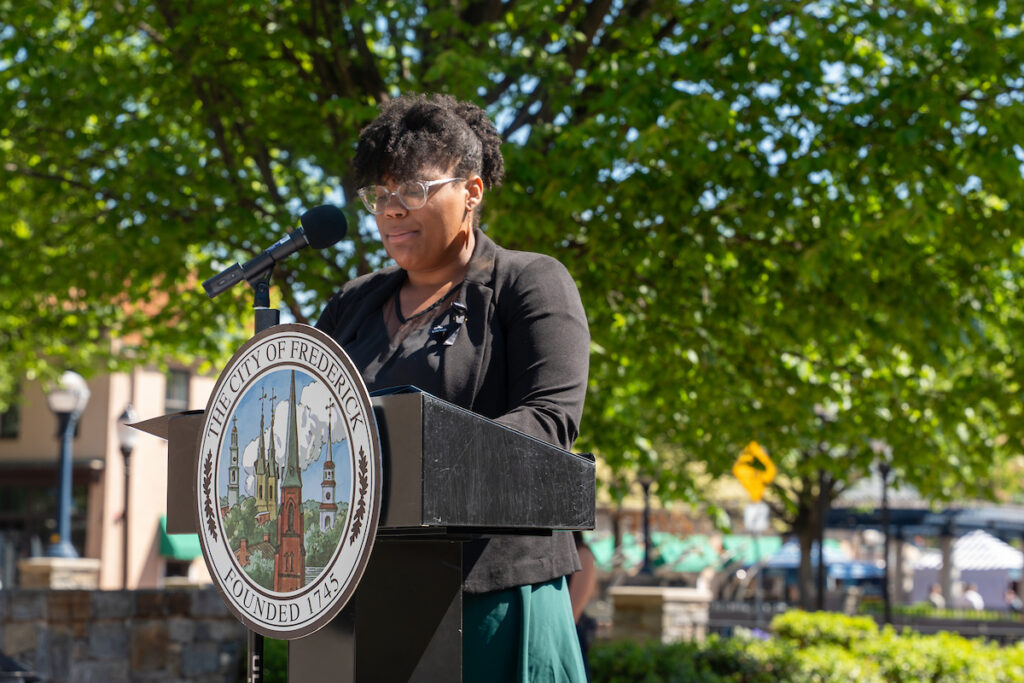
Furthermore, the project creates space for dialogue between the descendants of victims and the descendants of perpetrators. Mr. Stevenson recounts a poignant encounter in Alabama where a white man, discovering a woman collecting soil at a lynching site, realized his own ancestors might have been involved in the violence. This moment of confrontation, while deeply painful, illustrates the necessity of collective engagement in the healing process. The act of gathering soil, now housed in the Legacy Museum in Montgomery, transforms these sites from places of forgotten trauma into spaces of solemn remembrance.
The Enduring Impact on Contemporary Society
The work of the CRP arrives at a critical juncture in American history. As some government officials and educational institutions move to restrict or distort the teaching of racial history, these local coalitions serve as a bulwark against the erasure of the past. By organizing racial history workshops, hosting film screenings, and conducting public commemorations, these groups are not only honoring the dead but are also attempting to dismantle the lingering consequences of the lynching era.
The connection between historical racial terror and contemporary issues—such as police brutality, disparities in the criminal justice system, and the marginalization of Black communities—is a recurring theme in the discourse surrounding the CRP. Bryan Stevenson emphasizes that the wounds of the past cannot heal until they are fully acknowledged. "The geographic, political, economic, and social consequences of decades of terror lynchings can still be seen in many communities today," Stevenson notes. The project posits that meaningful progress on modern civil rights issues requires a comprehensive reckoning with the foundation of racial injustice.
A Legacy Confronted
Despite the installation of markers, the environment remains contested. In Abbeville, even as the historical marker for Anthony Crawford stands as a testament to his life and death, a Confederate monument remains on nearby private land, and the public park retains the name of Jefferson Davis. This juxtaposition encapsulates the tension at the heart of the American project: the struggle between the glorification of a past built on slavery and the painful, necessary work of acknowledging the victims of racial terror.
The late Doria Johnson, Crawford’s great-great-granddaughter, who spent years researching her ancestor’s story and sharing it with the public, encapsulated the importance of this work during her life. For her, the marker in Abbeville was more than just a historical sign; it was a reclamation of presence. "If you go to city hall to do business, if you go to the courthouse, you see Anthony Crawford," she once remarked. "And he’s looking back at you." Through the efforts of the CRP, the faces and stories of those who were once silenced are being returned to the public sphere, ensuring that the history of racial terror is no longer a matter of whispered secrets, but an indelible part of the American story that must be confronted to achieve a more just future.




