
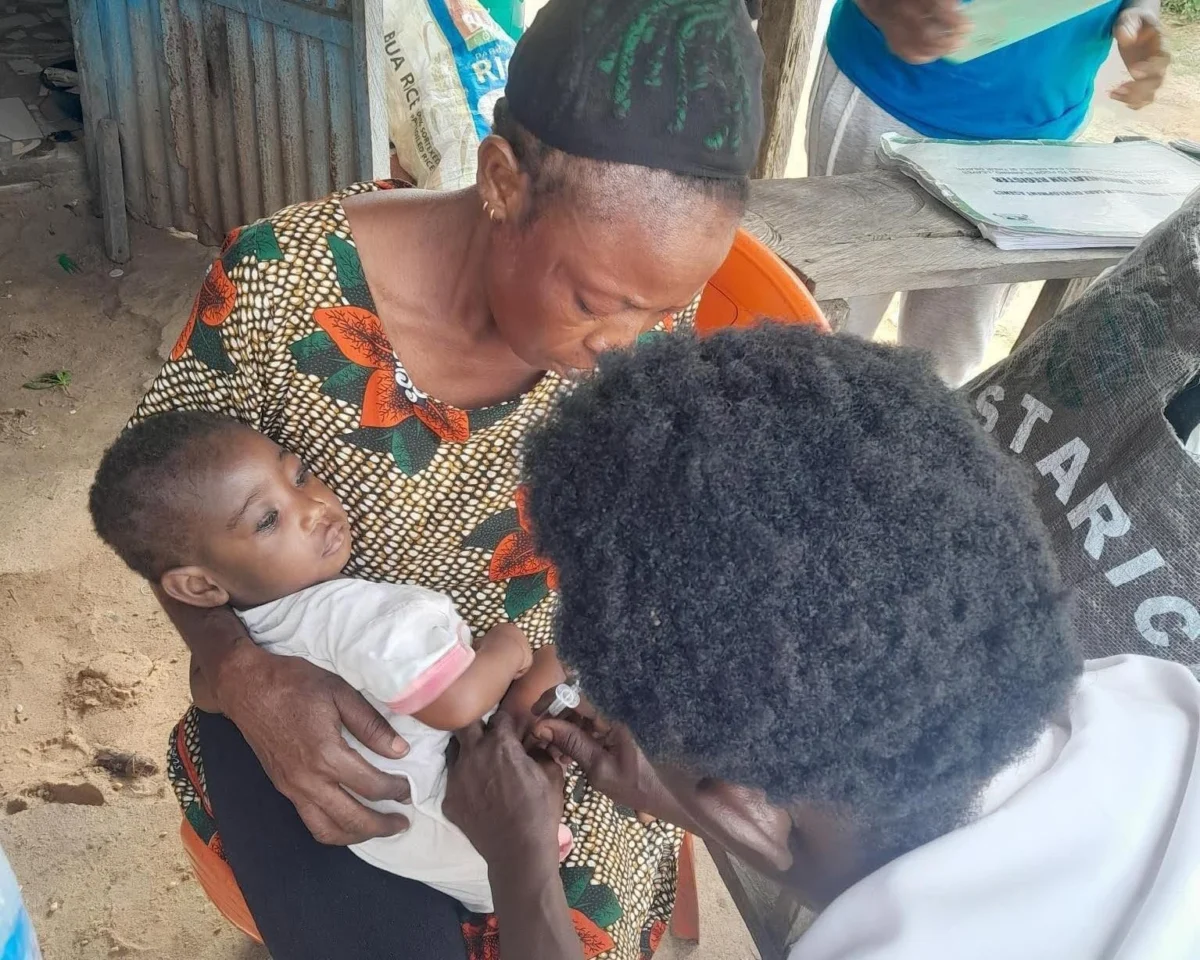
For nearly two decades, the sprawling riverine communities and bustling neighborhoods of Nigeria’s Bayelsa State harbored a quiet, persistent challenge to public health initiatives: vaccine hesitancy rooted not in defiance, but in trauma, misunderstanding, and a profound absence of empathetic communication. This systemic hurdle was brought into sharp relief through the story of Mrs. Favour, a local hairdresser and mother of five residing in the Yenegwe community. For nearly twenty years, Mrs. Favour steadfastly refused to administer routine childhood immunizations to any of her offspring. Her youngest child, an infant named Rejoice, reached the critical milestone of one year old without having received a single dose of life-saving antigens.
However, on a pivotal Tuesday in June 2026, this nearly two-decade wall of mistrust was dismantled not through coercion or bureaucratic mandates, but through a single, highly personalized, and empathetic conversation. The encounter took place during an active community outreach session organized by the Yenegwe Primary Health Center, bolstered by technical and logistical support from John Snow, Inc. (JSI). The breakthrough achieved with Mrs. Favour illuminates a broader, complex narrative about public health delivery in sub-Saharan Africa, where reaching zero-dose children requires far more than cold chain logistics and vaccine supplies; it demands emotional intelligence, active listening, and sustained community engagement.
The Genesis of Hesitancy: A Mother’s Past Trauma
To understand Mrs. Favour’s long-standing skepticism toward routine immunization, one must look back nearly twenty years to the infancy of her firstborn child. Shortly after receiving standard vaccinations at the time, the now 19-year-old first child suffered an adverse physiological reaction characterized by a high fever, extreme restlessness, and acute intestinal distress. Although the infant eventually recovered without permanent injury, the frightening episode left an indelible psychological scar on the young mother.
In the absence of timely, compassionate counseling or adequate post-vaccination education from healthcare providers, Mrs. Favour drew a direct causal link between the immunization and her child’s suffering. Without anyone to explain that minor fevers or fussiness can be normal, transient immune responses rather than dangerous systemic failures, she generalized this isolated incident to all vaccines. Consequently, when subsequent children were born, she systematically rejected immunization services, operating under the sincere yet misguided belief that she was protecting her children from harm. Her experience underscores a well-documented phenomenon in global health: many instances of vaccine refusal are fundamentally defense mechanisms triggered by unaddressed adverse events following immunization (AEFI) and a dearth of transparent communication between medical personnel and caregivers.
The Turning Point: Empathy-Driven Outreach in Yenegwe
The turning point in Baby Rejoice’s life occurred on June 10, 2026. During the Yenegwe Primary Health Center outreach initiative, healthcare workers identified the one-year-old as a classic "zero-dose" child—an infant who has entirely missed the foundational schedule of routine immunizations and possesses zero protection against vaccine-preventable diseases. Recognizing the urgency of the situation, Esogenwune Nwabueze, the Bayelsa State advocacy, communication, and social mobilization (ACSM) officer for JSI, stepped in to engage Mrs. Favour.
Rather than dismissing her fears or employing a top-down authoritative approach, Nwabueze initiated a respectful dialogue. He actively listened as Mrs. Favour recounted the traumatic experience she had endured with her eldest child two decades prior. With patience and professional expertise, Nwabueze demystified the science behind immunizations. He carefully explained what AEFIs are, clarifying that minor side effects do not inherently indicate a dangerous reaction or a causal flaw in the vaccine itself. Furthermore, he outlined common post-vaccination reactions, taught the mother how to recognize legitimate danger signs, and provided clear, actionable steps that caregivers should take if a child experiences discomfort after an injection.
This evidence-based counseling, delivered with genuine empathy, bridged the chasm of distrust that had separated Mrs. Favour from the public health system for nearly twenty years. Empowered by accurate information and reassured by a respectful listener, Mrs. Favour made an informed, voluntary decision to authorize the vaccination of Baby Rejoice. On that single day, the infant received six critical, life-saving vaccines designed to shield her against a formidable array of pathogens, including tuberculosis, polio, hepatitis B, diphtheria, pertussis (whooping cough), tetanus, pneumonia, rotavirus, and meningitis.
Navigating the Non-Linear Road to Complete Immunization
Public health experts frequently emphasize that the trajectory from vaccine hesitancy to full acceptance is rarely a straight line. Even after a breakthrough initial encounter, caregivers grappling with long-held anxieties require continuous reinforcement to prevent default and ensure adherence to multi-dose schedules. This reality manifested clearly in the weeks following Baby Rejoice’s initial vaccination.
Although the infant was scheduled to return to the clinic for her subsequent doses within one month, she missed the crucial follow-up appointment. Recognizing that a single outreach interaction is often insufficient to permanently alter healthcare-seeking behaviors, the public health infrastructure swung into action. To reinforce caregiver confidence and mitigate the risk of default, Nwabueze had already conducted a follow-up home visit the very day after the initial inoculation. Following the missed appointment, he seamlessly coordinated with the Yenagoa immunization officer and the local health facility team to ensure the case did not slip through the cracks.
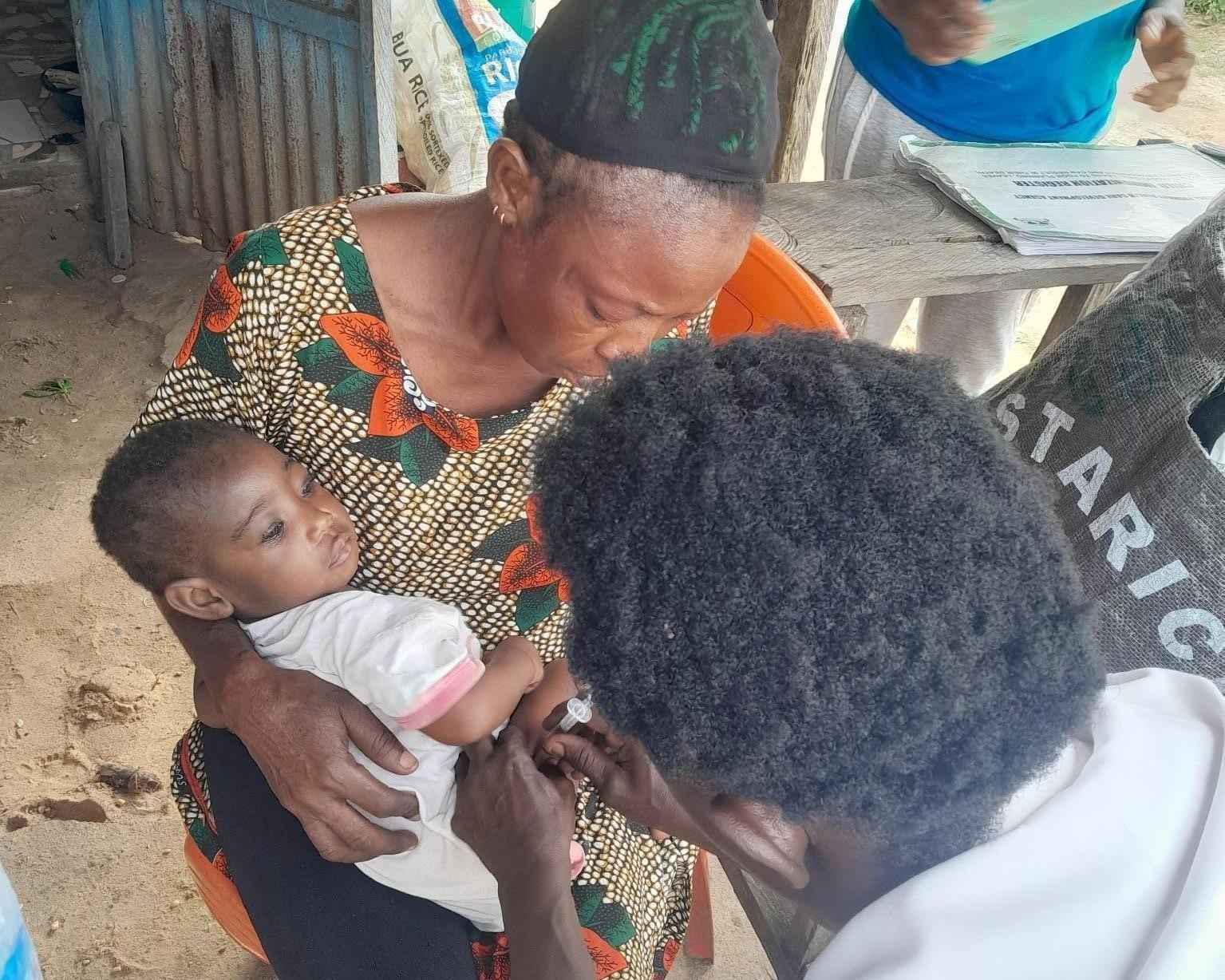
The Yenagoa immunization office promptly dispatched personnel to visit Mrs. Favour at her home. The outreach workers reassured her, reviewed the importance of completing the immunization schedule, and explained that the upcoming antigens were age-appropriate and essential for closing the child’s immunity gap. Responding positively to this persistent, non-judgmental support, Mrs. Favour brought Baby Rejoice back to the clinic the following month. The infant successfully received her remaining missed antigens, including subsequent doses of the pentavalent vaccine (Penta 2), polio 2, rotavirus, and malaria prevention interventions.
The Broader Context of Zero-Dose Children in Nigeria
The successful integration of Baby Rejoice into Bayelsa State’s immunization registry highlights broader systemic strategies currently deployed across Nigeria to tackle the persistent problem of zero-dose and under-immunized children. Nigeria, as Africa’s most populous nation, carries a significant share of the global burden of zero-dose children. Despite notable advancements in routine immunization coverage over the past decade, pockets of unreached and underserved populations remain, particularly in hard-to-reach riverine, rural, and economically marginalized communities where health infrastructure is sparse and misinformation spreads rapidly.
Organizations like John Snow, Inc., working in close collaboration with state-level health authorities such as the Bayelsa State Primary Health Care Board, utilize targeted ACSM frameworks to dismantle these barriers. These frameworks recognize that supply chain logistics—ensuring vaccines reach clinics—are only half the battle. The demand side of the equation—ensuring communities trust those vaccines and willingly bring their children forward—is equally critical. By deploying trained mobilization officers equipped with interpersonal communication skills, health agencies can directly confront rumors, historical grievances, and cultural hesitations at the grassroots level.
Institutional Perspectives and Accountability
Reflecting on the successful resolution of Mrs. Favour’s case, Esogenwune Nwabueze articulated a core philosophy that guides modern immunization campaigns. "Every caregiver deserves accurate information so they can make informed decisions for their children," Nwabueze noted. "Many vaccine refusals are rooted in fear, misinformation, or past experiences. Listening is often the first step toward building trust."
His sentiment underscores a paradigm shift in public health communication: moving away from coercive messaging and toward patient-centric, empathetic dialogues that validate the emotional realities of parents. When caregivers feel heard rather than judged, they are far more likely to engage constructively with medical personnel.
At the institutional level, leadership has continuously emphasized that inter-agency coordination and rigorous tracking mechanisms are indispensable for sustaining these gains. Dr. Williams Appah, Executive Secretary of the Bayelsa State Primary Health Care Board, underscored the collective commitment required to safeguard the region’s children. "No child is beyond reach when communities, health workers, and partners like JSI work together," Dr. Appah stated. "At the Bayelsa State Primary Health Care Board, we remain committed to identifying and reaching every zero-dose and under-immunized child with life-saving vaccines."
Dr. Appah’s remarks point to the critical importance of robust defaulter-tracking systems. In the case of Baby Rejoice, the initial missed appointment could easily have resulted in permanent default had there been a communication breakdown between the JSI mobilization officers and the Yenagoa municipal health facility. The rapid, coordinated response demonstrates how assigning clear accountability for follow-up visits transforms a potential failure into a public health success.
Implications for Future Public Health Initiatives
The chronicle of Mrs. Favour and Baby Rejoice offers profound lessons for public health planners, epidemiologists, and policymakers operating in similarly complex socio-cultural landscapes. First, it illustrates that vaccine hesitancy is rarely a manifestation of malicious intent or stubborn ignorance; rather, it is frequently a rational response—from the parent’s perspective—to past trauma, unanswered questions, and unaddressed medical scares. Consequently, public health interventions must prioritize interpersonal counseling over broad, impersonal media campaigns alone.
Second, the case demonstrates the indispensable value of community-level ACSM officers who possess the cultural competence and emotional intelligence to navigate sensitive domestic histories. By sitting down, listening attentively, and explaining the biological realities of AEFIs without condescension, these frontline workers act as human bridges connecting vulnerable populations with modern medical science.
Finally, the narrative reinforces the reality that immunization programs cannot rely solely on single-contact outreaches. True coverage requires a continuum of care characterized by proactive home visits, reliable defaulter-tracking protocols, and seamless communication loops between community-level mobilizers and fixed health facility teams. As Bayelsa State and its partners continue their relentless pursuit of zero-dose children, the lessons learned from the Yenegwe community serve as a blueprint for turning fear into confidence, and hesitation into lifelong protection.




