The current landscape of digital media has fundamentally altered the manner in which high-profile public figures interact with their audiences, transitioning from curated press releases to immediate, unfiltered social media engagement. This shift is particularly evident within the LGBTQ+ entertainment community, where figures such as Cynthia Erivo, Jenna Lyons, and the cast of the Max original series Hacks utilize platforms like Instagram to navigate personal branding, celebrate professional milestones, and engage with broader cultural discourses. As the 2024 awards season progresses, these digital interactions provide a secondary layer of narrative to the traditional entertainment industry, offering insights into the professional trajectories and cultural influence of queer icons.
The Critical and Commercial Ascendance of Hacks at the 76th Primetime Emmy Awards
The television industry has seen a significant shift toward prestige comedy-drama, a trend exemplified by the overwhelming success of the series Hacks. The program, which explores the complex relationship between a legendary Las Vegas comedian and a young, outcasted writer, secured 24 nominations for the 76th Primetime Emmy Awards. This volume of recognition places Hacks among the most critically acclaimed programs of the decade, reflecting a broader industry acceptance of narratives centered on queer identity, intergenerational mentorship, and the rigors of the entertainment business.
Industry analysts suggest that the 24 nominations serve as a validation of the show’s writing and the performances of leads Jean Smart and Hannah Einbinder. The series has been lauded for its nuanced portrayal of bisexual identity and the evolution of the "odd couple" trope within a modern feminist framework. The digital celebration surrounding these nominations highlights the communal pride within the queer community, as the show continues to break barriers regarding how LGBTQ+ characters are depicted in positions of power and creative struggle.
Broadway Milestones and the Legacy of Theatrical Excellence
The transition between film, television, and the stage remains a hallmark of a distinguished acting career. Recently, veteran actress Laurie Metcalf has garnered attention for her continued contributions to the Broadway stage. Metcalf, a multi-Emmy and Tony Award winner, has long been a staple of American theater, and her recent credits further solidify her status as a foundational figure in the industry. The acknowledgment of Broadway credits serves as more than just a professional accolade; it represents a commitment to the craft of live performance, which remains a vital pillar of the New York cultural economy.
Simultaneously, Cynthia Erivo continues to command the spotlight as she prepares for the release of the cinematic adaptation of the musical Wicked. Erivo’s social media presence, often characterized by high-fashion aesthetics and "regal" presentations, aligns with her professional branding as a powerhouse performer of immense versatility. Her influence extends beyond her vocal and acting talents, as she has become a significant figure in the fashion world, utilizing her platform to showcase avant-garde styles that challenge traditional gender norms and celebrate Black queer excellence.
Socio-Cultural Discourse: From Interior Design to Viral Food Trends
Beyond professional achievements, queer celebrities are increasingly participating in—and driving—viral cultural conversations. Jenna Lyons, the former creative director of J.Crew and a current cast member of The Real Housewives of New York City, recently sparked a debate regarding interior lighting. Lyons’ critique of "overhead lighting" or "the big light" in residential spaces resonated with a wide demographic, highlighting a shift in lifestyle preferences toward "cozy" and mood-centric environments. This discourse, while seemingly trivial, reflects a larger movement in interior design where personal comfort and aesthetic intentionality are prioritized over utilitarian functionality.
In the realm of digital consumerism, comedian Meg Stalter’s engagement with the "viral butter ice cream" trend illustrates the complexities of social media marketing. Stalter’s attempt to participate in a food trend led to a humorous interaction with the brand itself, which claimed she had been "catfished" by a fraudulent product. This incident underscores the prevalence of misinformation and the "dupe" culture within digital marketplaces, where the line between authentic viral products and opportunistic imitations is increasingly blurred. For celebrities like Stalter, these interactions serve to humanize their public persona, fostering a sense of relatability through shared experiences of consumer frustration.
The Global Reach of Queer Music and Touring
The music industry is currently witnessing a surge in the visibility of queer artists on the global stage. Renee Rapp, following her success in the Mean Girls musical film, has embarked on an extensive European tour, reflecting the high demand for her work outside the North American market. Rapp’s rise is part of a broader "lesbian pop" movement that has gained significant traction in 2024, characterized by candid lyricism and high-energy performances.
Similarly, King Princess, an artist known for her contributions to the indie-pop genre, has alerted fans to the release of new material. The announcement of new music from established queer artists often creates a significant ripple effect across digital platforms, as these releases are frequently viewed as cultural touchstones for the LGBTQ+ community. The ability of these artists to maintain a global presence through touring and digital streaming indicates a robust and growing market for queer-centric art that transcends geographic boundaries.
Physicality, Fashion, and the Scrutiny of the Public Eye
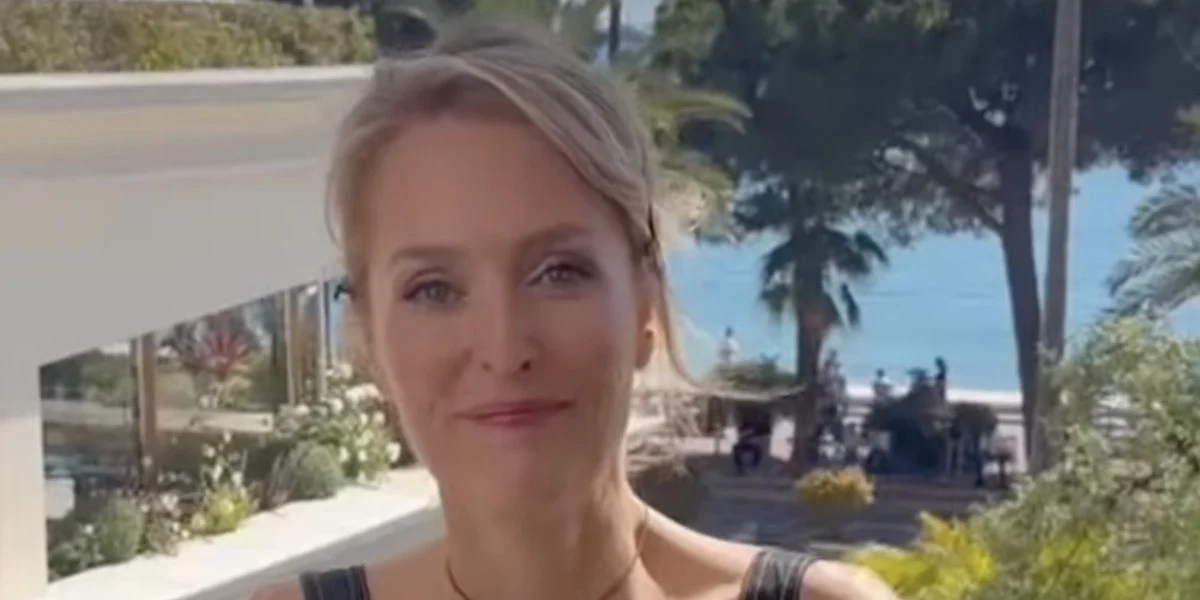
The intersection of celebrity and physical presentation remains a point of significant public interest. Gillian Anderson, a celebrated figure in both British and American television, recently shared insights into her footwear preferences, specifically her avoidance of flat shoes. This commentary touches upon the broader expectations placed on women in the public eye regarding stature and professional appearance. For many female-identifying performers, fashion choices are not merely aesthetic but are calculated decisions that influence how they are perceived in high-stakes professional environments.
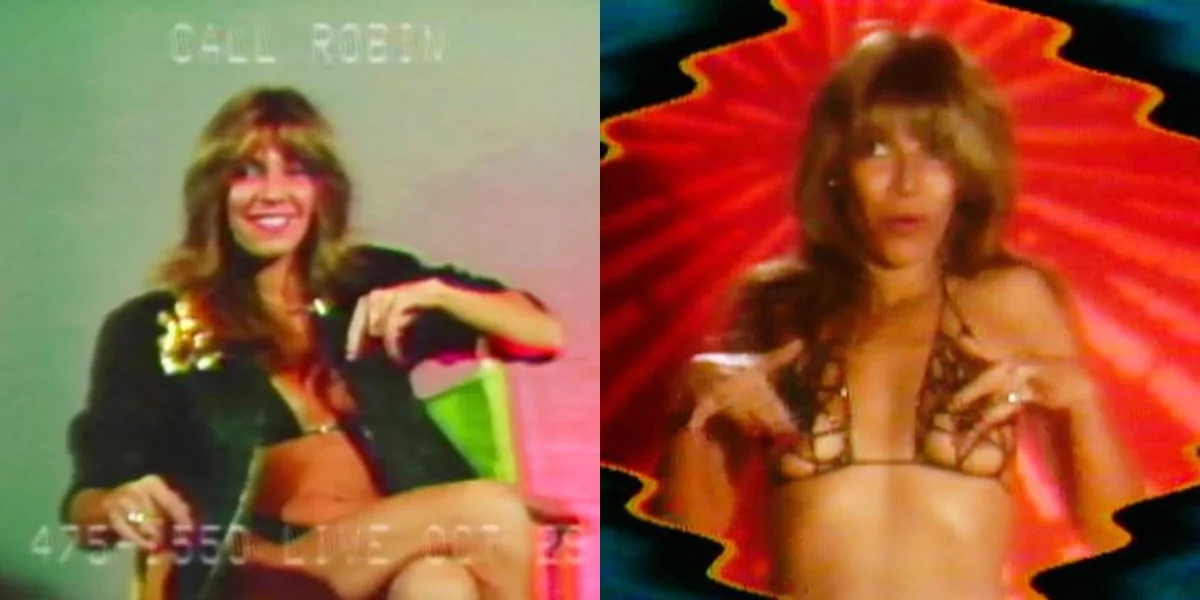
Furthermore, the public’s fascination with the mundane activities of celebrities—such as Kristen Stewart’s documented eating habits in various film and interview footages—points to a "parasocial" phenomenon. Fans and critics alike often analyze these candid moments to find authenticity in an industry known for its artifice. Stewart, who has long maintained a reputation for being uncompromisingly herself, serves as a focal point for this type of observation, as her public image is built on a foundation of non-conformity.
Chronology of Recent Queer Cultural Events
To understand the current momentum within the queer entertainment sphere, it is essential to look at the timeline of events that have shaped the recent discourse:
- Late Spring 2024: The announcement of the 76th Primetime Emmy Award nominations, where Hacks emerged as a frontrunner with 24 nods.
- Early Summer 2024: The "overhead lighting" debate gains traction on TikTok and Instagram, propelled by design experts and influencers like Jenna Lyons.
- Mid-Summer 2024: Renee Rapp commences the European leg of her tour, selling out venues in major cities and solidifying her status as a global pop icon.
- July 2024: Viral food trends, including the "butter ice cream" craze, reach a fever pitch, leading to public corrections from brands regarding product authenticity.
- August 2024: New musical releases from King Princess and other queer-identifying artists are teased, setting the stage for the autumn entertainment cycle.
Broader Implications and Industry Impact
The activities and milestones of these individuals signify a broader shift in the entertainment industry’s structural and cultural makeup. The high volume of Emmy nominations for a show like Hacks suggests that major networks and streaming services are finding sustained success by investing in diverse storytelling. This is not merely a matter of representation; it is a proven business model that attracts critical acclaim and a loyal viewership.
Moreover, the digital presence of these celebrities serves as a form of "soft power." By engaging in everyday debates—whether about lighting, boba tea, or footwear—they bridge the gap between the "unreachable" star and the general public. This accessibility is a key component of modern celebrity, particularly for the LGBTQ+ community, which has historically lacked visible role models in mainstream media.
In conclusion, the intersection of social media and professional achievement has created a more transparent and dynamic entertainment environment. From the prestigious stages of Broadway to the viral corners of Instagram, queer celebrities are defining the cultural zeitgeist of 2024. As the year progresses toward the major award ceremonies and year-end reviews, the influence of these figures is expected to grow, further cementing their roles as leaders in both the arts and public discourse. The integration of personal authenticity with professional excellence remains the defining characteristic of this new era of queer visibility.