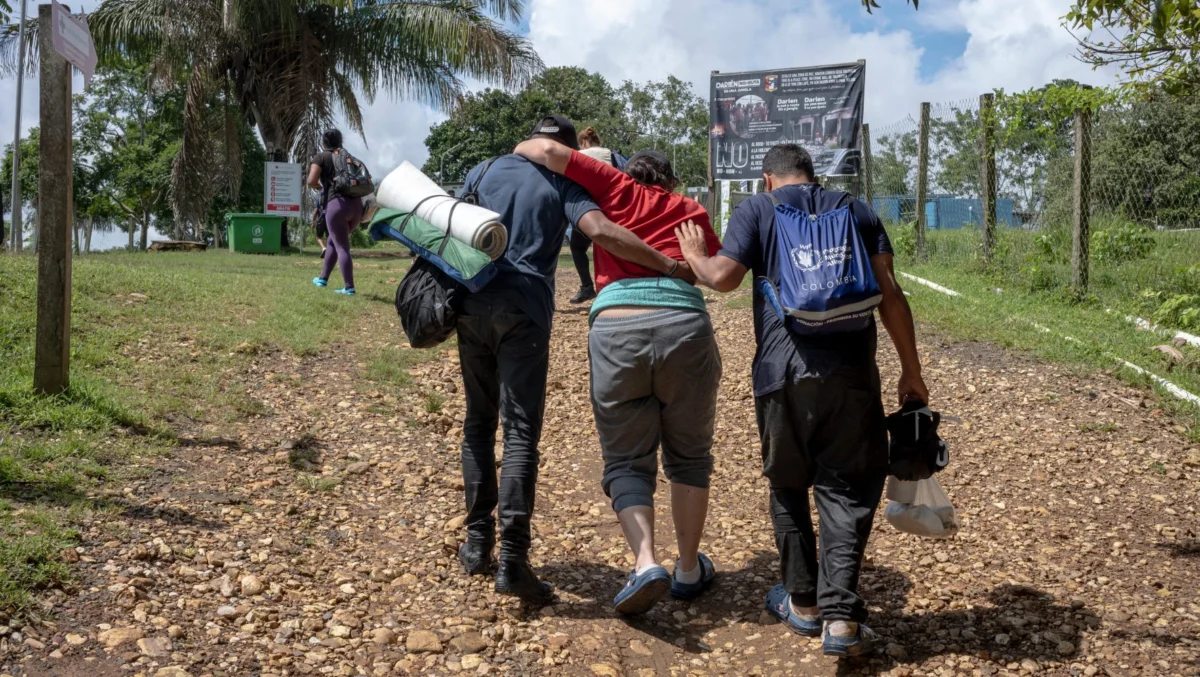
World Refugee Day, observed annually on June 20th, serves as a critical juncture for global reflection on the escalating crisis of forced displacement. This year’s commemoration is particularly significant as it coincides with the release of the United Nations High Commissioner for Refugees (UNHCR) Global Trends report, offering a comprehensive snapshot of the state of displaced populations worldwide. The report, compiled by the UNHCR, details not only the sheer numbers of refugees and internally displaced persons (IDPs) but also provides crucial insights into patterns of return, new displacements, and the effectiveness of international responses. This analysis delves into the multifaceted data presented in the 2026 report, highlighting key trends, their implications, and the imperative for renewed global commitment to addressing this humanitarian challenge.
The Significance of World Refugee Day and the UNHCR Global Trends Report
Each year, World Refugee Day is more than a symbolic acknowledgment of the strength and resilience of those forced to flee their homes. It is a day to honor both the prominent figures who have overcome adversity, such as scientist Albert Einstein, Olympian Yusra Mardini, and artist Marc Chagall – individuals supported by organizations like HIAS in their flight from persecution – and the countless unsung heroes whose contributions enrich host communities. These include teachers, nurses, construction workers, and bus drivers, all of whom, despite their own displacement, contribute immeasurably to the social and economic fabric of their new environments.
However, June 20th also demands a period of critical introspection. The UNHCR’s Global Trends report, released in conjunction with the day, acts as a global report card. It meticulously compiles data on the scale of displacement, the demographics of those affected, and the efficacy of international efforts to provide protection and solutions. This year’s report, covering data up to the end of 2025, reveals a complex and often challenging landscape, underscoring the persistent and evolving nature of the global displacement crisis.
Key Findings from the 2026 Global Trends Report
The 2026 UNHCR Global Trends report offers several critical insights into the state of forced displacement, necessitating a nuanced understanding beyond headline figures.
A Modest Decline Amidst Persistent Challenges: The Shifting Numbers
For the first time in recent years, the total number of displaced people globally has seen a decrease. The report indicates a reduction from 123 million in 2024 to 117.8 million at the close of 2025. While this numerical drop is statistically significant and offers a sliver of hope, a closer examination reveals a more complex reality. The decrease is primarily driven by approximately 15 million refugees and IDPs returning to their home countries over the past year.
However, the UNHCR’s analysis, as detailed in the report, raises significant concerns regarding the nature of these returns. The report states, "most of the returns have occurred under adverse circumstances and to areas where insecurity persists, access to basic services is lacking or severely limited and infrastructure is damaged, raising concerns about their sustainability and protection risks upon return." This suggests that while the figures indicate a return, the conditions under which these returns are happening may not align with the principles of voluntary, safe, and dignified repatriation. The long-term sustainability of these returns remains questionable, and the potential for renewed displacement due to ongoing insecurity and lack of essential services is a substantial risk.
Simultaneously, the report highlights that millions of individuals were newly displaced in 2025. This underscores the ongoing conflicts, persecution, and environmental crises that continue to force people from their homes. The stark reality is that, globally, one in every 70 individuals remains displaced. Therefore, while celebrating the courage of those who have returned, the international community must ensure that any return is truly voluntary, safe, and dignified, or that adequate protection is provided for those who remain displaced and cannot yet return. The emphasis must be on creating conditions that enable genuine choice, rather than pressured repatriation.
Identifying Protracted Crises and Host Country Realities
The 2026 report also sheds light on the origins and destinations of displaced populations, revealing persistent patterns and significant disparities.
Protracted Crises and the Concentration of Displacement:
A significant finding is that the majority of refugees in 2025, as in previous years, are fleeing a relatively small number of protracted crises. These long-standing conflicts and situations of instability continue to be the primary drivers of forced displacement. Furthermore, nearly half of all internally displaced persons (IDPs) in 2025 originate from just five countries. The report explicitly identifies Sudan, Syria, and Afghanistan as topping both the list of countries of origin for refugees and IDPs. This concentration of displacement in a few key regions offers a potential pathway for focused diplomatic intervention. If sustained and effective diplomatic efforts can be channeled towards resolving these protracted crises, there is a significant potential to enable tens of millions of people to return home safely and with dignity, provided the underlying conditions are conducive.
The Disproportionate Burden on Lower-Income Nations:
Contrary to prevalent political rhetoric, the UNHCR data consistently demonstrates that higher-income countries host a smaller proportion of the world’s refugees. In 2025, the highest-income nations hosted only 29% of the global refugee population. Conversely, low- and middle-income countries bear the overwhelming majority of the responsibility for hosting displaced people.
The burden is particularly acute for the least developed countries. These nations, which collectively represent just over 1% of the global Gross Domestic Product (GDP), are hosting nearly 26% of all refugees. This statistic underscores a profound global imbalance, where countries with the fewest resources are shouldering a disproportionately large share of the humanitarian responsibility.
Key Host Countries and the Role of Humanitarian Organizations:
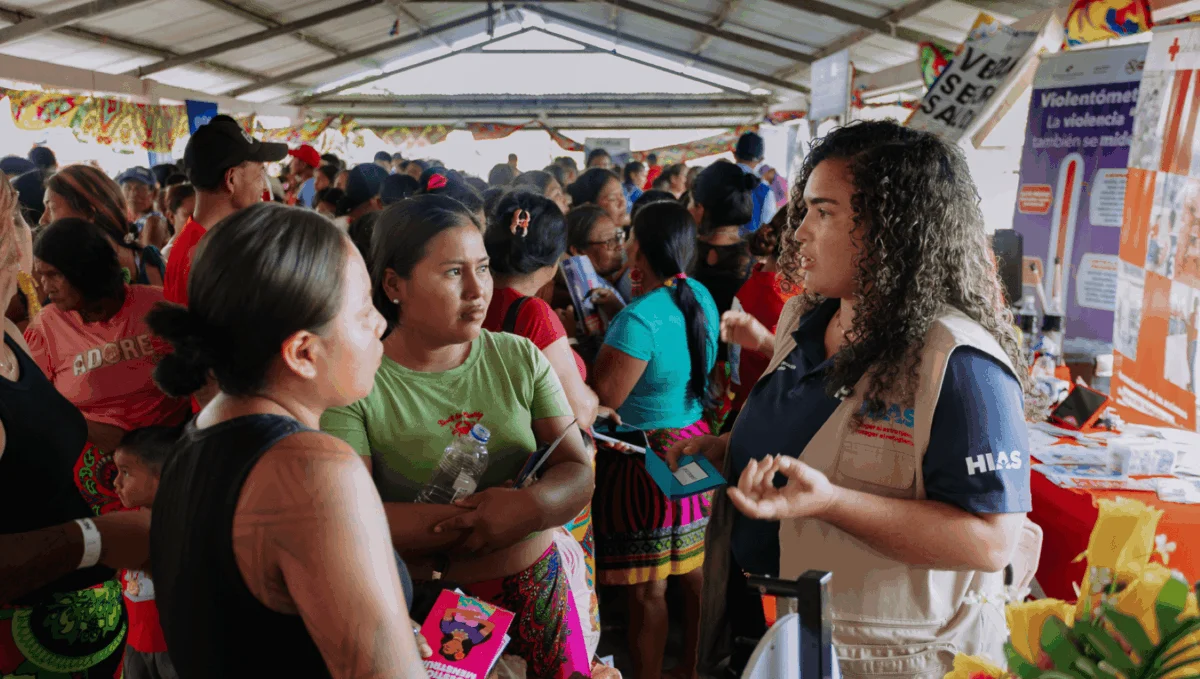
The report identifies six countries that host over a third of all refugees and individuals in need of international protection. Among these, Colombia stands out, having hosted 2.8 million displaced people in 2025. HIAS, a leading humanitarian organization, actively works in Colombia, providing crucial support to Venezuelan refugees and migrants, Colombian returnees, internally displaced persons, and the host communities that welcome them. Their programs focus on economic empowerment and mental health support, essential components for helping individuals recover from trauma and rebuild their lives.
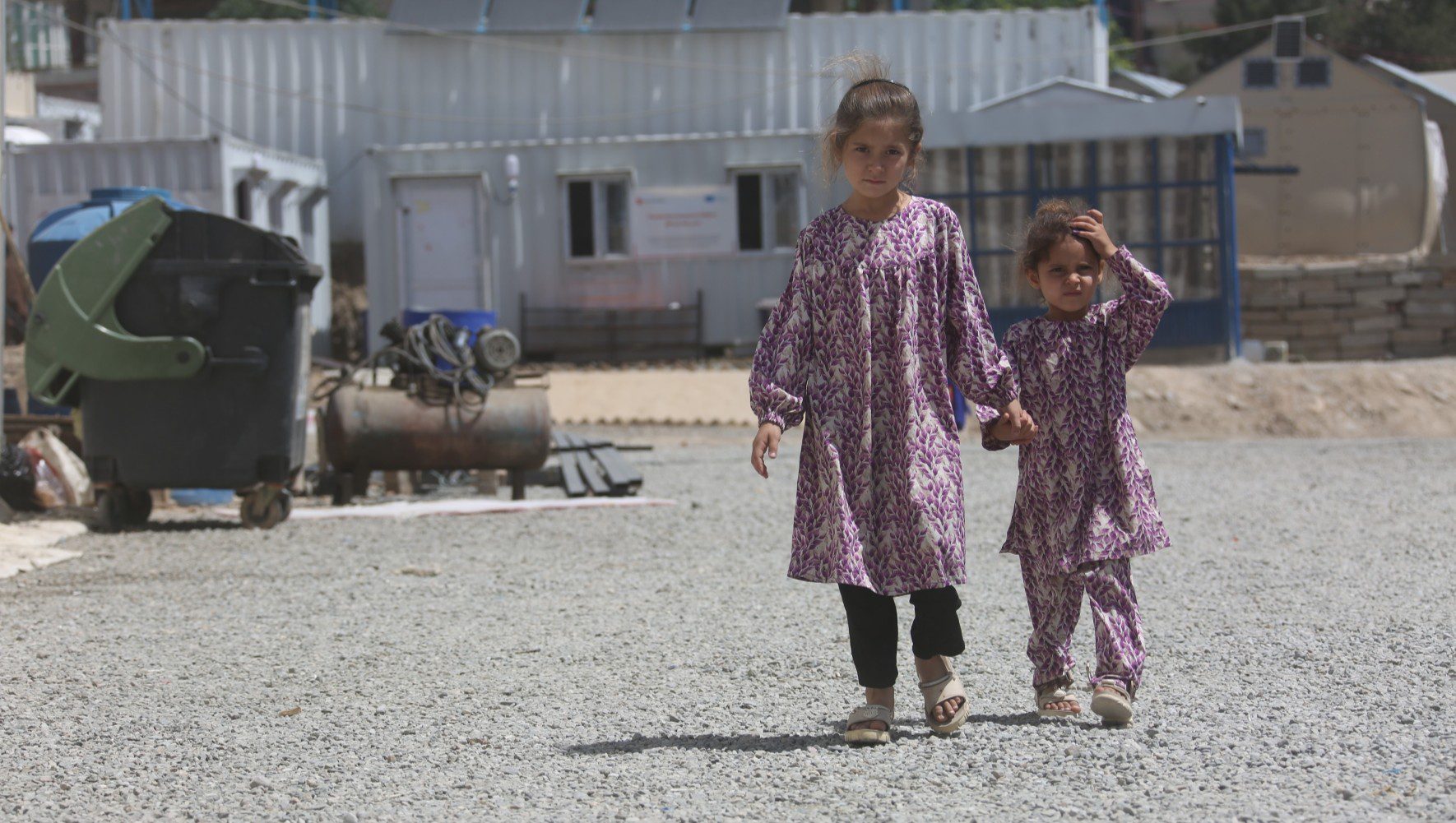
Chad is another nation highlighted, ranking sixth globally in terms of hosting displaced people, with 1.5 million individuals seeking refuge. For over two decades, HIAS has maintained a presence in Chad, assisting those displaced by the world’s largest displacement crisis, originating in neighboring Sudan. The situation in Chad exemplifies the immense challenges faced by countries on the front lines of major displacement crises, often lacking adequate resources to meet the immense needs of their displaced populations.
The work of organizations like HIAS in both Colombia and Chad demonstrates the vital importance of matching protection with opportunity. Despite their own internal challenges, these countries showcase the potential for positive outcomes when displaced individuals are not only granted safety but also provided with the tools and support to rebuild their lives and contribute to their new communities. This approach fosters resilience and integration, benefiting both the displaced and the host societies.
The Diminishing Lifeline of Resettlement
The 2026 report also addresses the critical issue of resettlement, a pathway for refugees who cannot return home and face acute risks in their asylum countries. Resettlement offers a chance to rebuild lives in third countries, with the eventual prospect of citizenship.
The Impact of U.S. Policy Shifts:
The data reveals a dramatic global impact stemming from policy changes within the United States. For decades, the U.S. Refugee Admissions Program (USRAP) has been the world’s largest resettlement initiative. However, the report indicates a significant decline in admissions. In 2025, despite an estimated 2.9 million refugees requiring resettlement globally, only 81,800 individuals were granted access to this crucial pathway, representing less than 3% of global need. This steep decline is largely attributed to the U.S., where the number of resettled individuals plummeted by 89% from the previous year, to a mere 11,500. These figures starkly illustrate the profound consequences of policy decisions on a vital humanitarian lifeline.
Global Trends in Resettlement:
While the U.S. experienced the most dramatic decrease, other traditional resettlement countries also saw shifts. Canada’s resettlement numbers dropped by 21% in 2025, to 38,800 people. In contrast, Australia, the third-largest traditional resettlement country, increased its admissions by 9% to 18,800. While resettlement is a solution for a relatively small number of people compared to the vast scale of global displacement, for those who benefit, it is undeniably life-saving. The report implicitly calls for the protection and expansion of this pathway, acknowledging its crucial role for vulnerable populations.
A Decade of Escalating Displacement and the Path Forward
The overarching message from the UNHCR Global Trends report is clear: the scale of the global displacement challenge remains immense and has escalated significantly over the past decade. The number of forcibly displaced people worldwide is now nearly double what it was ten years ago. This stark reality underscores the urgency of the situation and the need for a fundamental shift in global approach.
The Need for Sustainable Solutions:
The data presented compels a re-evaluation of current strategies. While the decrease in overall numbers in 2025 is a point of observation, it is crucial to understand that this is not solely indicative of resolved crises. The concerns surrounding the sustainability and safety of returns, coupled with ongoing new displacements, highlight the need for comprehensive and long-term solutions.
Addressing Root Causes:
Effective resolution of the displacement crisis requires a sustained commitment to addressing its root causes. This includes diplomatic efforts to resolve protracted conflicts, promoting good governance and human rights, and mitigating the impacts of climate change, which increasingly contributes to displacement. Without tackling these fundamental issues, the cycle of displacement is likely to continue unabated.
Strengthening Protection and Opportunity:
For those who are displaced, the international community must redouble its efforts to ensure robust protection mechanisms. This involves upholding the rights of refugees and asylum seekers, providing access to legal and social services, and ensuring that asylum systems are fair and efficient. Simultaneously, fostering opportunities for economic empowerment, education, and social integration within host communities is crucial for enabling displaced individuals to rebuild their lives and contribute to society.
International Cooperation and Burden Sharing:
The disproportionate burden placed on low- and middle-income countries necessitates a renewed emphasis on international cooperation and equitable burden-sharing. Wealthier nations must increase their financial and technical support to countries hosting large numbers of refugees and IDPs. Furthermore, expanding resettlement programs and exploring innovative solutions for durable solutions are essential components of a comprehensive global response.
A Call to Action for 2027:
The UNHCR report concludes with a forward-looking perspective, suggesting that with concerted action and a genuine commitment to addressing the drivers of forced displacement, the world may be able to look back on June 2027 with a sense of progress. This progress would be measured not just in declining numbers, but in tangible improvements in the rights, protection, and overall well-being of the world’s forcibly displaced people. The data from 2026 serves as a stark reminder of the challenges, but also as a potent call to action for a more just, humane, and sustainable future for all those forced to flee their homes. The coming years will be a critical test of the international community’s resolve to translate this data into meaningful action.