
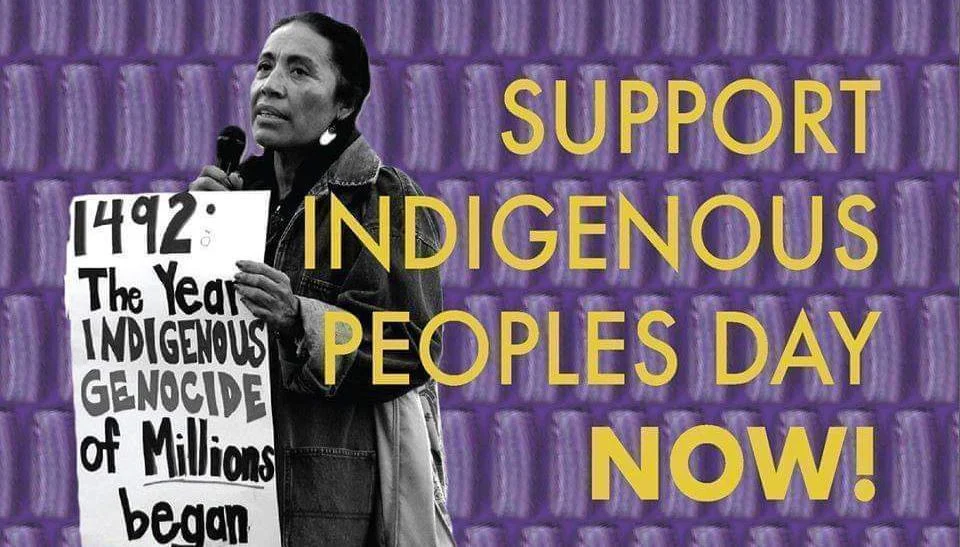
Communities across Massachusetts and the broader Northeast are preparing for an extensive lineup of cultural observances, educational symposia, museum open houses, and legislative rallies for Indigenous Peoples Day 2026. Compiled jointly by Indigenous Peoples Day MA and Italian Americans for Indigenous Peoples Day, the schedule reflects a growing regional emphasis on recognizing Native history, supporting contemporary Indigenous artists and scholars, and advocating for systemic legislative reform.
The widespread programming spans mid-October, culminating in major rallies at the Massachusetts State House where advocates continue to urge state lawmakers to enact long-stalled protections, including statewide holiday recognition and bans on Native American mascots in public schools.
Main Facts and Statewide Mobilization
The centerpiece of the advocacy efforts remains the Boston Indigenous Peoples Day March, scheduled for October 10 from noon to 3:00 PM. Beginning on the steps of the Massachusetts State House, demonstrators will gather to demand that the Massachusetts State Legislature pass comprehensive legislation celebrating Indigenous Peoples Day statewide, prohibiting the use of Native mascots, and advancing tribal sovereignty.
Organizers emphasize that these public demonstrations are vital for raising awareness about both the historical erasure of Indigenous populations and their vibrant, ongoing presence throughout the Commonwealth. Beyond the State House march, academic institutions, municipal committees, and cultural giants have curated immersive programs designed to foster cross-cultural understanding and community health.
Throughout the holiday weekend, major cultural institutions—including the Museum of Fine Arts, the Institute of Contemporary Art, the Isabella Stewart Gardner Museum, the Harvard Museums of Science and Culture, and the Massachusetts Historical Society—will host free admission days, family programs, and open houses. These events provide platforms for Native creators, performers, and historians to share traditional and contemporary works directly with the public.
Chronology of Events
The 2026 schedule begins ahead of the official holiday weekend, establishing an educational framework rooted in wellness and history.
- October 8: Tufts University kicks off the season in Medford with a lunch and learn session titled "Indigenous Roots of Wellness: Connecting Ancestral Wisdom and Community Health," offering hybrid participation starting at 11:30 AM.
- October 10: Arlington hosts a morning celebration featuring the Red Hawk Singers and Dancers at the Arlington Masonic Temple. Simultaneously, Newburyport holds an all-day observance at Waterfront Park from 10:00 AM to 5:00 PM, while Boston plays host to the high-profile legislative march at the State House. The Institute of Contemporary Art also begins its multi-day Indigenous Peoples Day weekend programming.
- October 11: Falmouth presents a Wampanoag Culture Celebration at Highfield Hall & Gardens. Tufts University hosts its second major event, a community celebration on the Medford residential quad. North Grafton invites the public to the Cummings Veterinary School for the annual Hassanamisco Indian Fair, organized by the Nipmuc Nation. Watertown holds its annual community celebration at Hosmer Elementary School, and Bangor, Maine, hosts an Indigenous Peoples Day Film Festival.
- October 12: The peak of the holiday features extensive programming across Massachusetts and neighboring states. Newton holds its sixth annual ceremonial celebration at Albemarle Field. Cambridge sees free admission events across the Peabody Museum of Archaeology and Ethnology and the Harvard Museum of Natural History. Concord features family programming with the Wampanoag Nation Singers and Dancers at the Concord Museum. Other notable in-person events take place in Brookline, Edgartown (Felix Neck Wildlife Sanctuary), Lexington, Sandwich (Heritage Museums & Gardens), and Worcester Art Museum. Virtual participants can engage with a Taino celebration hosted via Facebook. Regional events outside Massachusetts include the Abbe Museum in Bar Harbor, Maine; the Mt. Kearsarge Indian Museum in Warner, New Hampshire; Indigenous Peoples Day Philly at Penn Treaty Park; and gatherings on Randall’s Island in New York City.
- October 14: Bedford offers a virtual author talk featuring Cherokee writer Traci Sorell, who will discuss contemporary representations of Indigenous people in children’s literature.
- October 18: Brookline hosts an Indigenous author book club focusing on Never Whistle at Night: An Indigenous Dark Fiction Anthology.
- October 23: Belmont High School concludes the October calendar with "Indigenous Like Me," a musical performance and conversation featuring Annawon Weeden and Kim Moberg, presented by the Opening Doors Project.
Background Context and Supporting Data
The movement to replace Columbus Day with Indigenous Peoples Day has gained significant momentum nationwide over the past decade, driven by municipal resolutions, school board policy changes, and statewide legislative campaigns. In Massachusetts, municipalities such as Boston, Cambridge, Somerville, Brookline, and Newton have individually adopted Indigenous Peoples Day through city councils or voter referendums.
However, advocates argue that a fragmented, town-by-town approach leaves rural and conservative districts behind, necessitating a uniform state statute. Data compiled by educational equity groups indicate that dozens of Massachusetts public school districts still utilize Native American mascots, imagery, and team names, despite psychological research demonstrating that such practices negatively impact the self-esteem and mental health of Indigenous youth.
Furthermore, cultural institutions in the Commonwealth have faced increasing scrutiny and expectation to decolonize their exhibits and engage meaningfully with local tribal nations, such as the Wampanoag and the Nipmuc. Events like the Wampanoag Culture Celebration in Falmouth and the Hassanamisco Indian Fair in North Grafton serve not only as cultural showcases but also as vital avenues for self-determination and public education regarding ancestral lands.
Official Responses and Organizer Statements
Co-organizers Indigenous Peoples Day MA and Italian Americans for Indigenous Peoples Day have positioned their coalition as a bridge for cultural solidarity and historical truth-telling. By uniting Italian-American cultural advocates with Indigenous organizers, the partnership seeks to reframe the second Monday in October away from traditional colonial narratives and toward inclusivity, mutual respect, and historical accuracy.
While formal statements from legislative leadership regarding the pending bills have been measured, grassroots advocacy groups remain persistent. Sponsors of the statehouse bills argue that legislative recognition is a necessary step toward addressing historical injustices, protecting sacred sites, and ensuring accurate curricula in public schools. Representatives from participating museums and educational institutions have similarly emphasized that hosting open houses and Native-led panels is part of an institutional commitment to accountability and community partnership.
Broader Impact and Implications
The implications of the 2026 Indigenous Peoples Day events extend far beyond cultural entertainment. By combining public celebration with political mobilization, the events place direct pressure on lawmakers to advance pending civil rights and educational equity bills.
The inclusion of academic symposia, such as Tufts University’s focus on ancestral wellness and Traci Sorell’s lecture on literature representation, underscores a cultural shift toward systemic inclusion. As municipalities, universities, and museums institutionalize these programs, Indigenous Peoples Day is increasingly recognized not merely as a day off, but as an essential civic and educational touchstone for the Commonwealth of Massachusetts and the broader United States.




