As communities nationwide shift their focus toward honoring the heritage, resilience, and contemporary contributions of Native nations, Massachusetts and neighboring states are preparing an expansive lineup of public programming for Indigenous Peoples Day 2026. Compiled jointly by Indigenous Peoples Day MA and Italian Americans for Indigenous Peoples Day, the schedule features educational panels, cultural celebrations, high-profile museum open houses, community marches, and legislative advocacy efforts stretching throughout the month of October.
The annual commemorations serve a dual purpose: celebrating the vibrant cultures of Indigenous communities that have inhabited the Northeast for millennia, and drawing critical attention to ongoing policy debates. Organizers note that public participation in these events continues to grow year over year, reflecting a broader cultural shift in how municipalities and educational institutions approach the second Monday in October.
Main Facts of the 2026 Observances
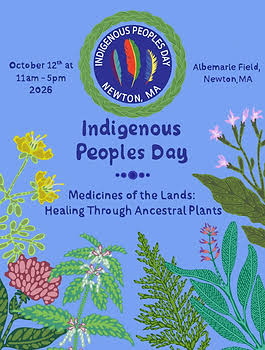
The 2026 calendar encompasses dozens of events across greater Boston, the Merrimack Valley, Cape Cod, Central Massachusetts, and several neighboring states including Maine, New Hampshire, New York, and Pennsylvania. Events range from academic symposia—such as Tufts University’s "Indigenous Roots of Wellness" lunch and learn—to large-scale community gatherings like the annual Indigenous Peoples Day Newton Ceremonial Celebration at Albemarle Field.
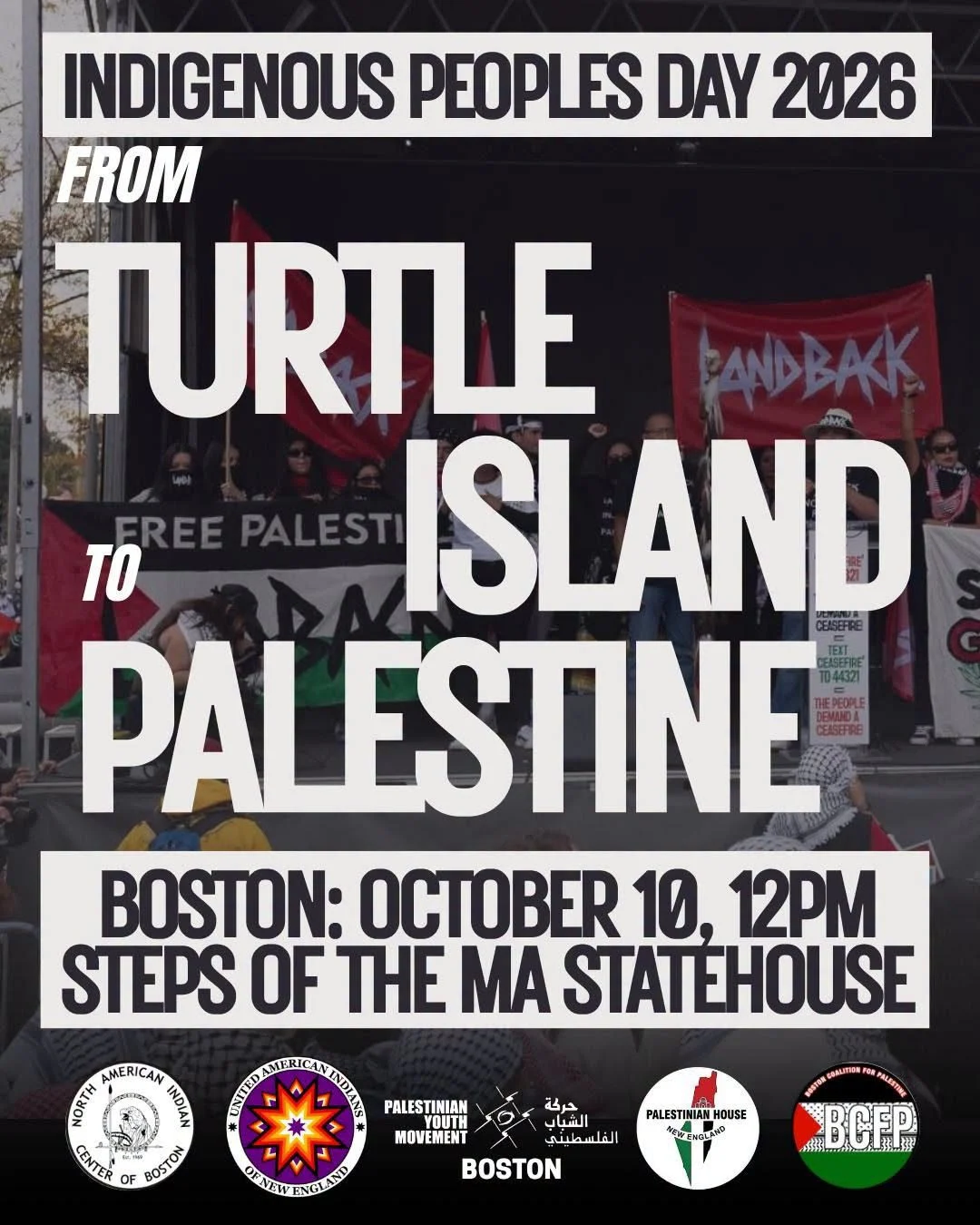
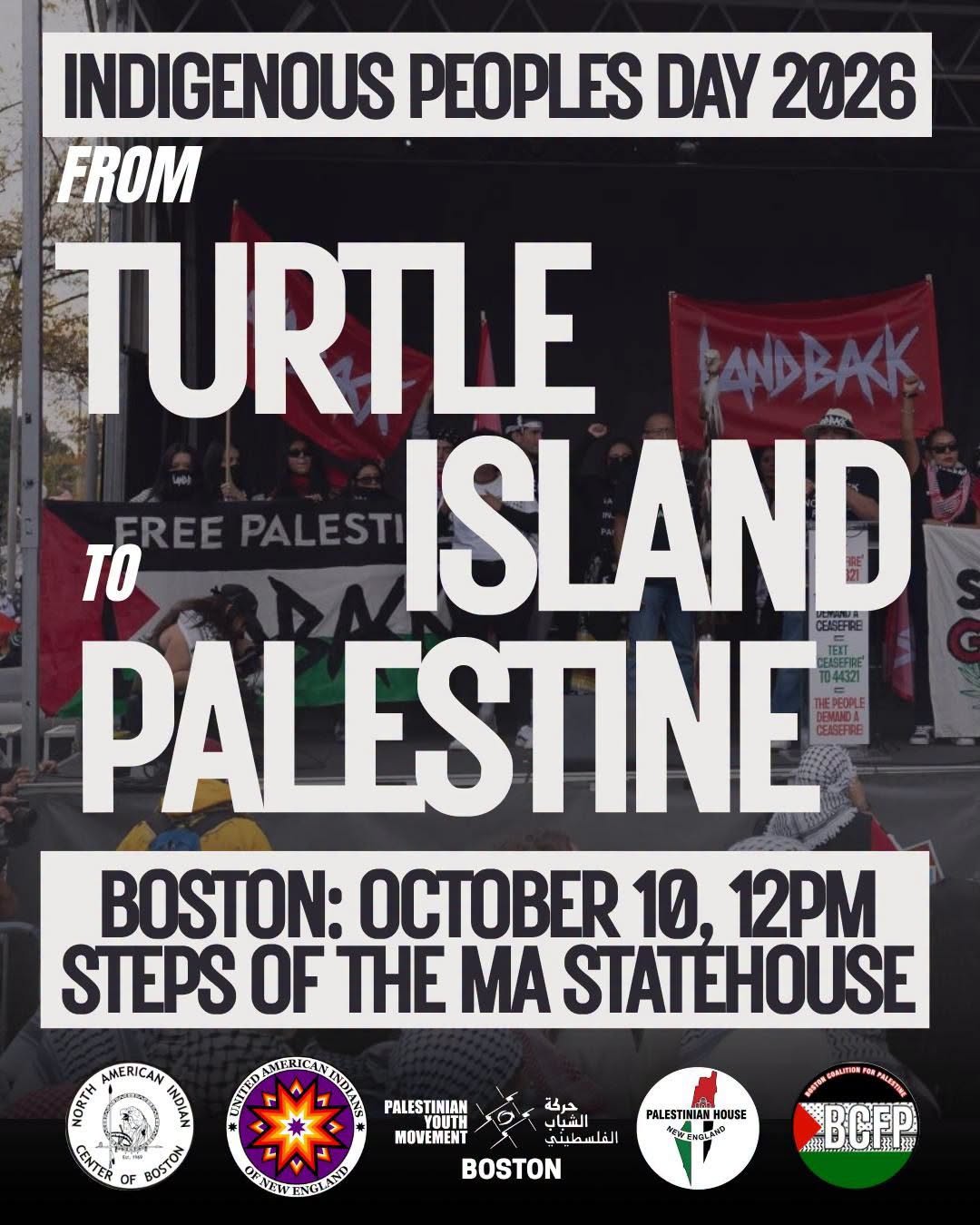
A central fixture of the holiday is the Boston Indigenous Peoples Day March, scheduled for October 10. Beginning on the steps of the Massachusetts State House, the march serves as a platform for activists and community members to demand legislative action. Specifically, participants are calling on the Massachusetts State Legislature to pass pending bills that would formally establish Indigenous Peoples Day as a statewide holiday, ban Native American mascots in public schools, and protect tribal sovereignty and cultural resources.
Chronology of Key Events
The weeks surrounding the official holiday feature a diverse timeline of cultural and educational programming, structured to accommodate families, students, and researchers alike:
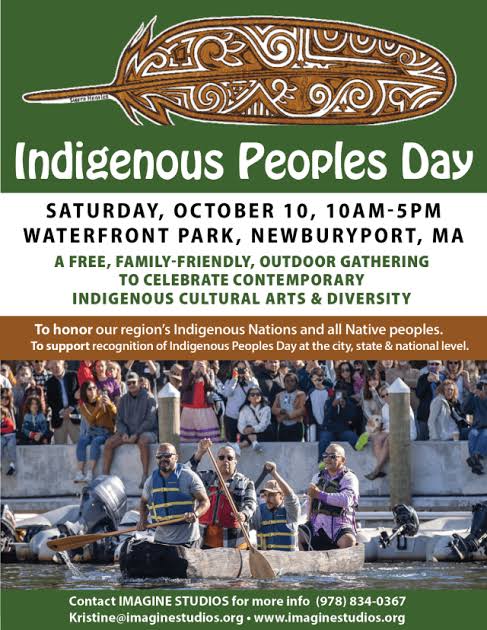
Early October (October 8 – 10): Academic institutions and local towns kick off the programming. Tufts University hosts an in-person and hybrid wellness seminar on October 8. On October 10, the Arlington Indigenous Peoples Day Celebration features performances by the Red Hawk Singers and Dancers, running concurrently with an all-day observance at Waterfront Park in Newburyport and the start of the Boston Indigenous Peoples Day March at the State House.
The Holiday Weekend (October 10 – 12): Major museums across Boston and Cambridge—including the Institute of Contemporary Art, the Isabella Stewart Gardner Museum, the Museum of Fine Arts, the Massachusetts Historical Society, and the Harvard Museums of Science and Culture—are offering open houses, free admissions, and specialized programming focused on Native arts and history. Concurrently, regional celebrations take place in Falmouth (featuring Wampanoag culture), Watertown, Brookline, Concord, Edgartown, Lexington, Newton, Sandwich, and Worcester. Virtual programming, such as a Taino celebration hosted by the Northeast Region, ensures accessibility for remote participants.
Post-Holiday Educational Series (October 14 – 23): Programming extends well beyond the holiday weekend to deepen public understanding. On October 14, Cherokee author Traci Sorell will deliver a virtual author talk hosted in Bedford, focusing on contemporary representations of Indigenous people in children’s literature. On October 18, Brookline will host a book club discussion centering on "Never Whistle at Night: An Indigenous Dark Fiction Anthology." The month concludes on October 23 in Belmont with "Indigenous Like Me," a musical performance and conversation featuring Annawon Weeden and Kim Moberg.
Cross-State and Regional Engagement
In addition to Massachusetts-based gatherings, the 2026 schedule highlights collaborative regional events across the Northeast. Major regional programming includes the Indigenous Peoples Day Film Festival in Bangor, Maine, and special institutional programs at the Abbe Museum in Bar Harbor, Maine, the Mt. Kearsarge Indian Museum in Warner, New Hampshire, and Indigenous Peoples Day NYC on Randalls Island. Further south, Indigenous Peoples Day Philly will host its annual commemoration at Shackamaxon (Penn Treaty Park) in Philadelphia on October 12. These widespread initiatives demonstrate a synchronized regional movement to elevate Indigenous voices and history across the Mid-Atlantic and New England.
Supporting Data and Institutional Participation
The scale of institutional participation in 2026 underscores a measurable trend toward corporate and cultural inclusivity regarding Indigenous histories. Major cultural repositories—including the Museum of Fine Arts, Boston, and the Worcester Art Museum—are dedicating resources to offer free admission or specialized public tours on October 12. Educational institutions such as Harvard University, Tufts University, and the Cummings Veterinary School at Tufts in North Grafton are leveraging their academic platforms to host lectures, fairs, and health-focused symposia.
According to cultural resource analysts, public institutions that host Native-led programming experience notable surges in visitor engagement over the October holiday weekend. This institutional pivot aligns with broader national data indicating that a growing number of U.S. states and municipalities have officially replaced or supplemented Columbus Day with Indigenous Peoples Day to foster historical accuracy and inclusivity.
Official Responses and Organizer Statements
While local governments and cultural institutions have largely embraced the holiday, advocacy groups emphasize that systemic legislative changes remain stalled at the state level in Massachusetts. Representatives from Indigenous Peoples Day MA and Italian Americans for Indigenous Peoples Day have repeatedly stressed that symbolic acknowledgements must be paired with legislative mandates.
"Honoring Indigenous peoples requires more than a day of cultural celebration; it demands structural change," organizers noted in campaign materials for the Boston march. Advocates point to the persistence of Native mascots in high school athletics and the absence of a statewide holiday designation as glaring gaps in Massachusetts policy. By mobilizing public support through rallies, educational panels, and public art exhibitions, coalition leaders aim to pressure state lawmakers to prioritize pending equity legislation during the upcoming legislative session.
Broader Impact and Implications
The expansive scope of the 2026 Indigenous Peoples Day programming carries significant implications for civic education and cultural representation in the Northeast. By integrating traditional ecological knowledge, contemporary literature, and ancestral wisdom into mainstream academic and public spaces, these events challenge historical erasures that have long characterized public education regarding New England’s original inhabitants.
Furthermore, events like the Hassanamisco Indian Fair hosted by the Nipmuc Nation and cultural celebrations led by Wampanoag artists provide vital economic and social platforms for tribal communities to share their living cultures on their own terms. As municipalities continue to evaluate their holiday calendars and civic monuments, the sustained momentum of Indigenous Peoples Day events serves as a catalyst for deeper conversations regarding land stewardship, civil rights, and cultural preservation across Massachusetts and the broader United States.
Individuals interested in participating, verifying schedule changes, or submitting new community events can access regularly updated information via the official portals maintained by Indigenous Peoples Day MA and Italian Americans for Indigenous Peoples Day. Full event particulars, registration links, and venue guidelines for all 2026 listings are accessible through the respective institutional websites and community document links provided by event organizers.