The intersection of Indigenous knowledge, infrastructure development, and environmental resilience took center stage in Reno, Nevada, as Indigenous leaders, community organizers, and international delegates converged for the fourth biennial National Tribal Infrastructure Coordination Conference (NTICC). Held from October 5 to 8, 2026, the four-day gathering operated under the guiding theme “Honoring Our Knowledges, Healing Our Mother Earth.” Among the prominent supporters and participants was Cultural Survival, an international Indigenous rights organization that served as an official sponsor of the event. The conference provided a vital forum for delegates from across Turtle Island and around the globe to address systemic environmental challenges, share land stewardship strategies, and forge collaborative pathways toward sustainable climate resilience.
Background Context of the Event and Organizational Objectives
The National Tribal Infrastructure Coordination Conference has evolved into a premier gathering for addressing the unique infrastructural, environmental, and sovereignty-related challenges faced by Indigenous communities. Tribal nations frequently operate at the frontlines of climate change, enduring disproportionate impacts on their ancestral lands, water systems, and traditional foodways. Despite these systemic vulnerabilities, Indigenous communities possess millennia of empirical knowledge regarding sustainable land management and ecological balance.
The NTICC was established to bridge the gap between technical infrastructure planning and traditional ecological knowledge (TEK). By bringing together tribal leaders, federal agencies, academic researchers, and grassroots organizers, the conference facilitates discussions on how to secure funding, implement green infrastructure, and revitalize cultural practices that protect natural resources. Cultural Survival’s involvement as a sponsor underscores the organization’s ongoing commitment to amplifying Indigenous voices, supporting youth leadership, and championing self-determination in environmental governance.
Chronology of the Four-Day Gathering
The 2026 conference schedule was meticulously designed to balance plenary discussions, technical workshops, and experiential learning excursions, creating a dynamic environment for knowledge exchange.

Day One: Opening Plenaries and Indigenous Leadership
The conference commenced with traditional welcome addresses honoring the ancestral homelands of the Numu, Nuwu, and Washo Peoples, acknowledging their enduring sovereignty and continuous stewardship of the region. Opening sessions focused on the overarching theme of the conference, setting a tone of collective responsibility and unity. Participants engaged in high-level dialogues regarding policy frameworks, funding opportunities for tribal infrastructure, and the integration of Indigenous science into contemporary climate adaptation models.
Day Two: Climate Resilience, Land Stewardship, and Workshops
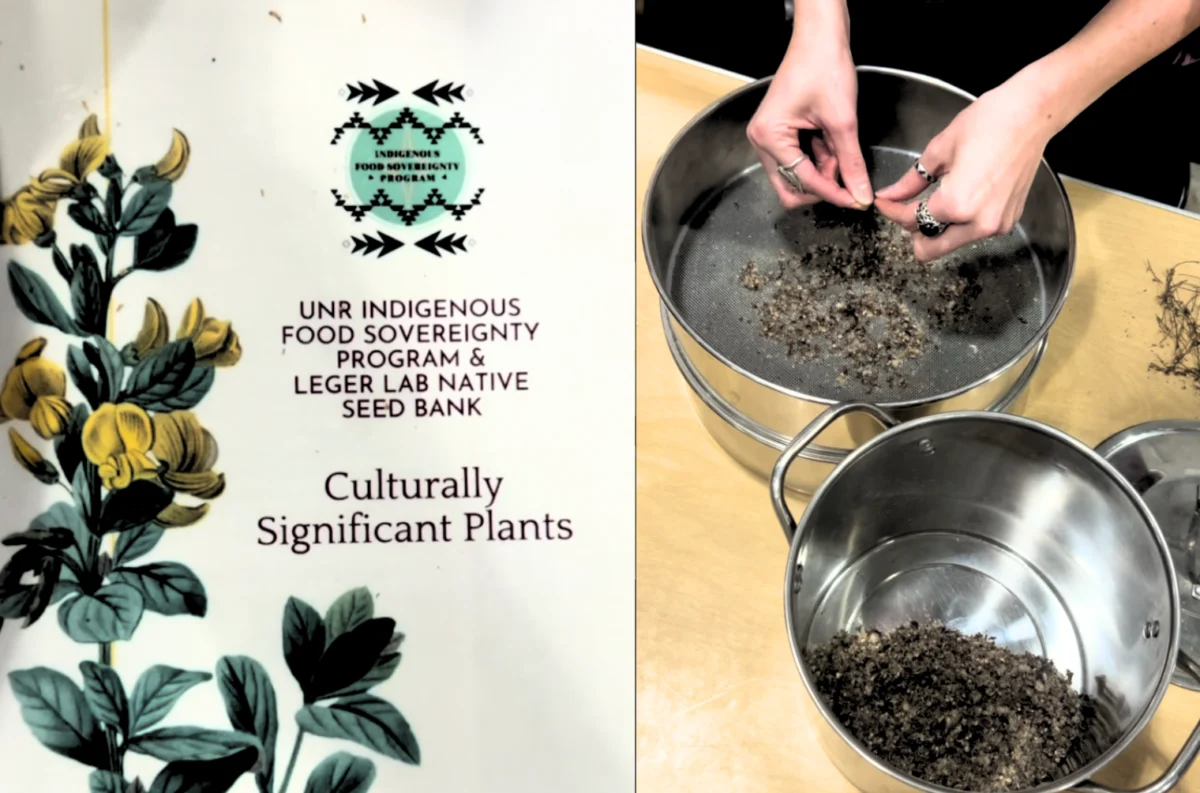
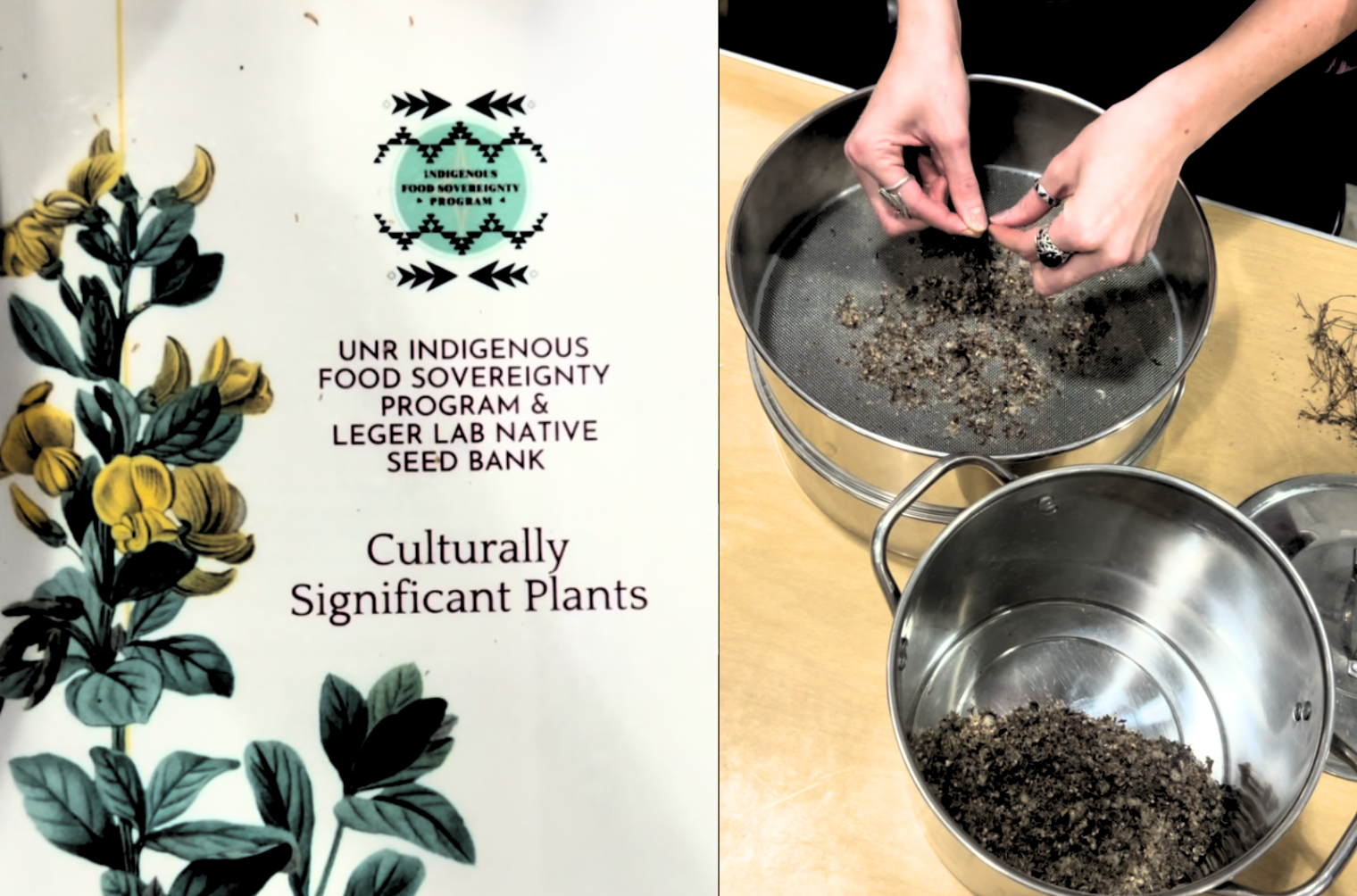
The second day shifted focus to actionable strategies for climate change mitigation and community resilience. Concurrent panel sessions explored topics ranging from renewable energy integration on tribal lands to water rights and drought management. Outside the conventional conference rooms, attendees participated in specialized workshops and field excursions. A notable excursion brought delegates to the Desert Farming Initiative and the Nevada Native Seed Bank. During this visit, participants examined the intricate links between traditional seed stewardship and food sovereignty, engaging directly in hands-on activities such as seed cleaning. These practical exercises highlighted the importance of preserving native agricultural biodiversity in the face of shifting climatic patterns.
Day Three: Cultural Arts, Heritage, and Institutional Engagement
Cultural and historical dimensions of land stewardship took prominence on the third day, highlighted by a series of private tours at the Nevada Museum of Art. Attendees explored several pivotal exhibitions, including the permanent installation “Of the Earth: Native American Baskets and Pueblo Pottery,” the co-developed rooftop garden “Great Basin Native Basket Plantings,” and the contemporary art exhibition “Listening to the Land.” These spaces underscored the historical and contemporary contributions of Indigenous Peoples as the original caretakers of the regional ecosystem. The day culminated in a vibrant Cultural Night celebration, featuring traditional foods, dances, and artistic expressions that reinforced the living nature of ancestral connections to the land.
Day Four: Youth Voices and Future Frameworks
The final day of the conference centered on intergenerational knowledge transfer and the empowerment of Indigenous youth. Cultural Survival representatives conducted on-site interviews with emerging leaders, including 2026 Cultural Survival Youth Fellow Trinity Norris (Tohono O’odham). The concluding plenaries synthesized the week’s discussions into actionable takeaways, emphasizing that climate resilience requires unified, cross-sector collaboration and the elevation of Indigenous leadership in global environmental discourse.
Supporting Data and Environmental Implications
The discussions at the NTICC 2026 took place against a backdrop of mounting empirical evidence regarding global climate change and its acute effects on Indigenous territories. According to scientific assessments by international climate bodies, Indigenous lands harbor approximately 80 percent of the planet’s remaining biodiversity, despite Indigenous Peoples making up less than five percent of the global population. Consequently, the stewardship practices highlighted at the conference—ranging from seed preservation to regenerative agriculture—carry profound implications for global carbon sequestration and ecological stability.
Data shared during technical sessions indicated that tribal nations in the western United States face compounding vulnerabilities related to prolonged drought, wildfire risks, and infrastructural deficits. Addressing these challenges requires substantial capital investment coupled with regulatory flexibility that respects tribal sovereignty. The NTICC served as a critical nexus for connecting tribal infrastructure projects with federal and private funding mechanisms, ensuring that infrastructural development aligns with ecological preservation and cultural preservation.
Official Statements and Perspectives from the Field
The urgency of reciprocal land stewardship was a recurring motif throughout the conference. Speaking on the integration of traditional knowledge and contemporary media, 2026 Cultural Survival Youth Fellow Trinity Norris articulated the philosophical foundation of her fellowship project, "Carrying Our Stories Forward: A Portrait & Micro-Story Project Uplifting O’odham Language Through Community Storytelling on Traditional Foodways."
Reflecting on the symbiotic relationship between humans and the environment, Norris stated, “This work is important to me because this is Mother Earth, and as we take care of this land, and as we steward the land — the land takes care of us. That reciprocity between the land and us as Native Peoples is really important.” Norris’s project utilizes portraits, audio reflections, and micro-stories to document O’odham terminology surrounding traditional foodways, thereby reinforcing community identity and intergenerational knowledge transmission.
Cultural Survival’s leadership echoed these sentiments, emphasizing that Indigenous methodologies must form the bedrock of global environmental strategies. Staff members noted that the conversations in Reno underscored a fundamental truth: because climate change permeates every facet of modern society, Indigenous perspectives must be represented in every environmental and infrastructural decision-making space.
Broader Impact and Policy Analysis
The implications of the fourth biennial National Tribal Infrastructure Coordination Conference extend well beyond the immediate conclusion of the event. By fostering inter-tribal solidarity and facilitating direct engagement with institutional partners, the conference contributed to the institutional capacity of tribal nations to manage their own resources independently.

From a policy perspective, the emphasis on food security, seed sovereignty, and green infrastructure highlights the necessity of shifting away from extractive economic models toward regenerative systems. As federal and international entities increasingly recognize the efficacy of Indigenous land management—particularly in wildfire mitigation and ecosystem restoration—platforms like the NTICC provide the empirical and cultural groundwork necessary to influence legislative agendas.
Ultimately, the consensus emerging from Reno, Nevada, is clear: addressing the global climate crisis demands the unification of diverse knowledge systems, the pooling of resources, and an unwavering commitment to amplifying Indigenous voices. By honoring ancestral wisdom while adapting to modern environmental realities, participants at the 2026 NTICC laid a robust foundation for a sustainable future shared by all communities and their natural environment.