March 31, 2026
The familiar question posed at every Passover seder, "Why is this night different from all other nights?" resonates with a profound urgency this year, as Rabbi-in-Residence Sarah Bassin of HIAS (Hebrew Immigrant Aid Society) emphasizes the critical need for action in support of refugees and displaced individuals. Bassin’s message, delivered through reflections tied to the symbolic rituals of Passover, highlights the enduring relevance of the Exodus narrative to contemporary humanitarian challenges. The traditional answer to this question, rooted in the Haggadah’s four symbolic acts—bitter herbs for oppression, matzah for urgent flight, salt water for tears, and reclining for newfound safety—serves as a powerful reminder of the universal experience of displacement. These symbols, far from being mere historical relics, encapsulate the architecture of displacement itself: the gnawing fear, the desperate flight, the profound grief, and the persistent, aching hope for sanctuary.
HIAS, an organization with a nearly 140-year history of assisting Jewish refugees and later expanding its mission to serve all individuals fleeing persecution, draws a direct parallel between the ancient story of liberation and the modern-day struggles of those seeking safety. The Passover narrative, Bassin argues, is not just a historical account but a blueprint for empathy and a mandate for active engagement. The Haggadah’s core message compels participants to internalize the experience of being uprooted, to "see themselves as though they personally left Egypt." This profound obligation, she asserts, transcends mere empathy; it is a call to responsibility, a testament to the idea that memory without action is incomplete, and a demand to reciprocate the compassion that once offered refuge to their ancestors.
The Enduring Resonance of Passover Symbols
The symbolic acts of the Passover seder are central to Bassin’s message, transforming abstract concepts into tangible experiences. The bitter herbs, often represented by maror, evoke the sting of oppression and the harshness of enslavement. This resonates deeply with the plight of refugees facing systematic persecution, violence, or discrimination in their home countries. The matzah, unleavened bread baked in haste, symbolizes the urgency of flight, the need to escape quickly without the luxury of time for provisions to rise. This mirrors the often sudden and perilous departures of individuals fleeing conflict or natural disasters, forced to leave behind all but the essentials. The salt water, used to dip various elements, represents the tears shed in sorrow and loss, a poignant reminder of the grief associated with leaving behind loved ones, familiar surroundings, and a sense of belonging. Finally, reclining during the meal signifies reaching a state of safety and freedom, a moment of rest after a perilous journey.
These symbols, when experienced collectively around the seder table, create a powerful immersive understanding of displacement. Bassin posits that these are not abstract historical markers but the very "architecture of displacement itself." They offer a visceral connection to the human cost of being forced from one’s home, a connection that HIAS strives to foster in its advocacy and direct service work.
A Shared History of Displacement and Resilience
Bassin’s reflections underscore a fundamental tenet of Jewish tradition: the deep-seated understanding of what it means to be an outsider, a stranger with nowhere to go. Throughout history, Jewish communities have faced repeated expulsions, pogroms, and systematic persecution, necessitating flight and the search for refuge. This shared historical experience forms the bedrock of HIAS’s commitment to protecting and assisting refugees, regardless of their faith or origin. The organization’s evolution from serving primarily Jewish refugees to becoming a global leader in humanitarian aid reflects an expanded understanding of solidarity, recognizing that the imperative to welcome the stranger is universal.
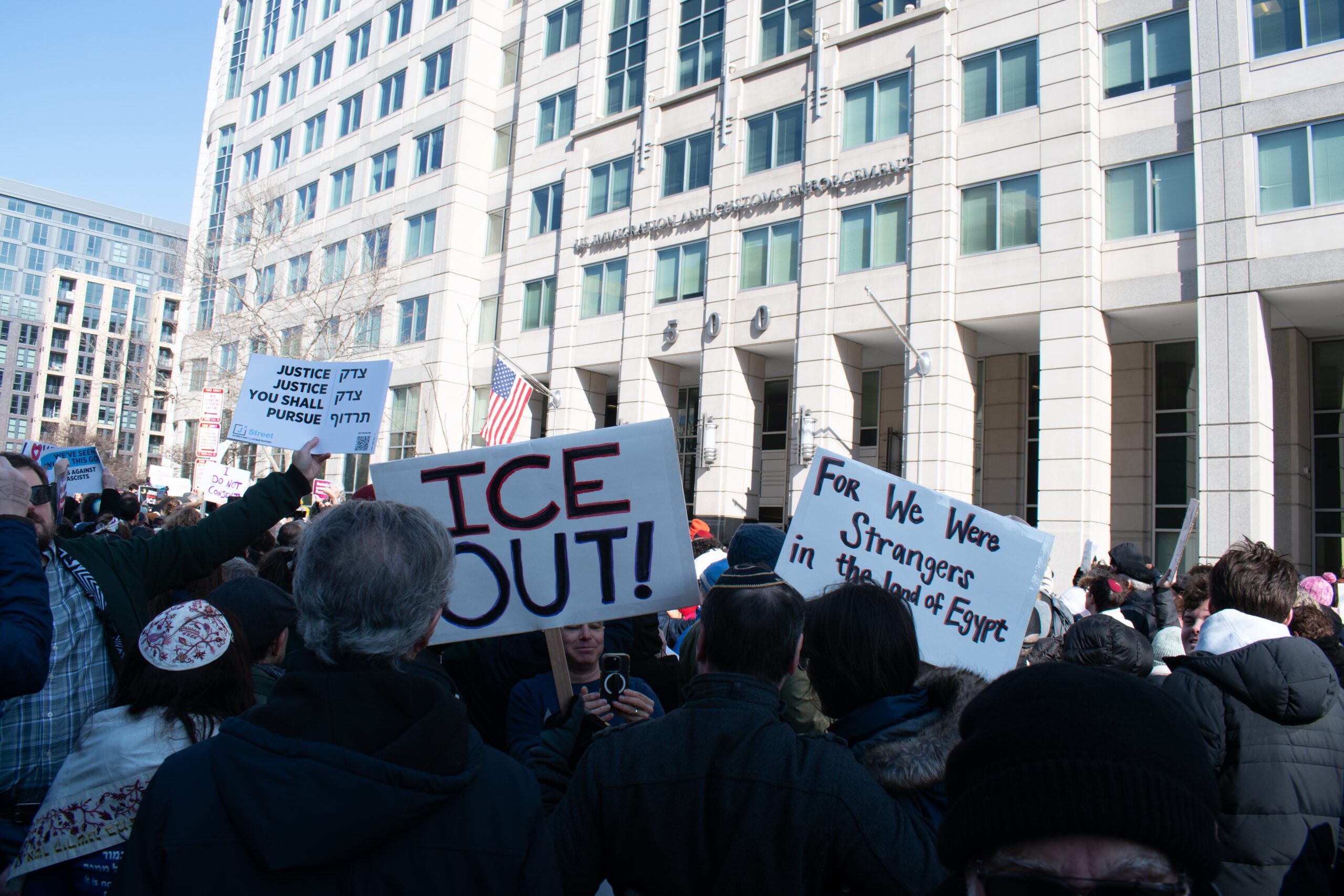
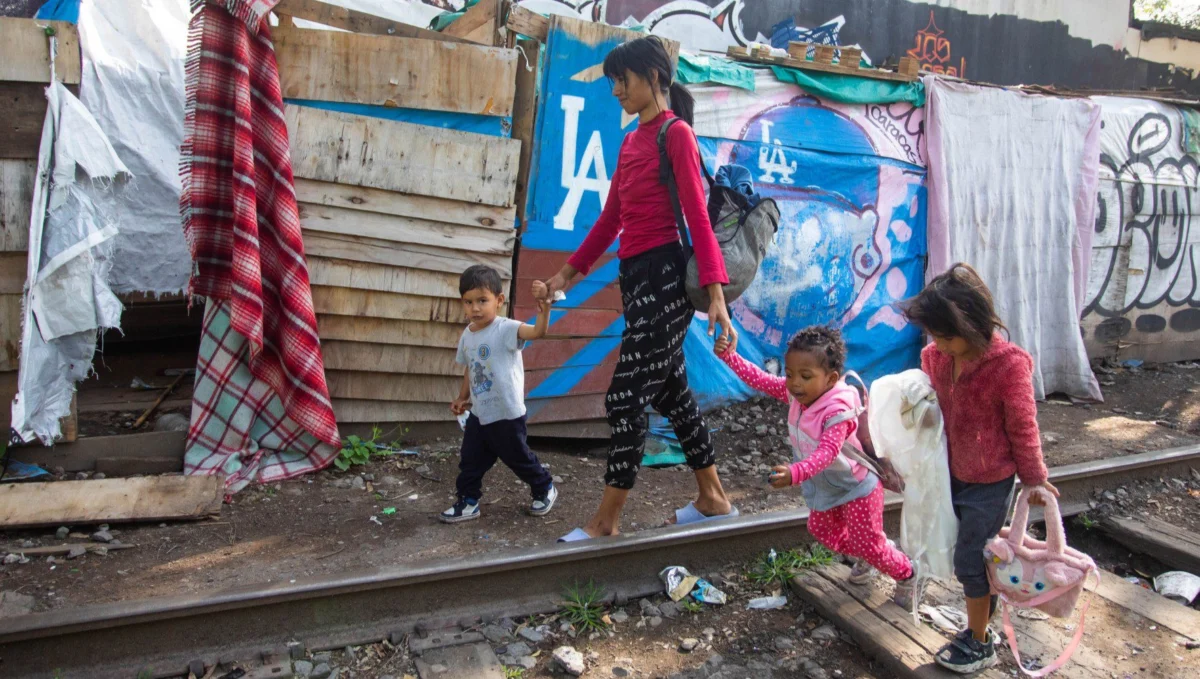
This Passover, as families gather to retell the story of their ancestors’ liberation, many individuals served by HIAS are traversing paths that echo this ancient narrative. Bassin paints vivid pictures of these modern-day journeys: a mother desperately navigating borders with her children, clutching only what she could carry; a teenager striving to learn new words for "safe" and "home" in an unfamiliar language; an asylum seeker finally finding a moment of peace, sleeping without the constant dread that has shadowed them for years. These are not distant stories but lived realities that demand our attention and our action.
The Mandate for Action: "In Every Generation…"
The most powerful call to action within the Passover ritual is the mandate found in the Haggadah: "In every generation, everyone is obligated to see themselves as though they personally left Egypt." Bassin emphasizes that this is not a passive exercise in empathy but an active imperative. It is a profound reminder that the liberation of the past is incomplete without present-day commitment to the freedom and dignity of others. This directive serves as a counterpoint to indifference and a powerful impetus for humanitarian engagement.
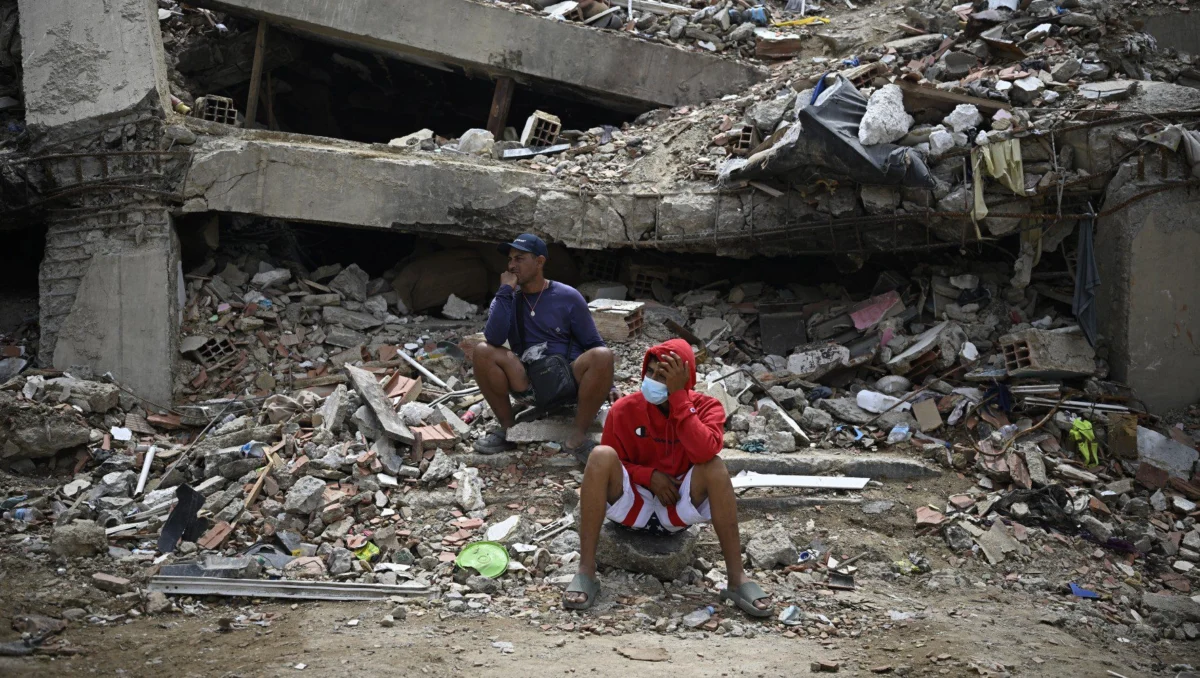
The implications of this mandate are particularly stark in the current global climate. According to the United Nations High Commissioner for Refugees (UNHCR), the number of forcibly displaced people worldwide reached a record 117.3 million by the end of 2023, a figure that has continued to rise due to ongoing conflicts and crises. This escalating humanitarian crisis presents a significant challenge to the principles of welcoming and protection that are central to Passover. In many parts of the world, refugees and asylum seekers are facing increasing xenophobia, shrinking legal protections, and political environments that are hostile to their rights and their very humanity.
Confronting Fear with Courage and Compassion
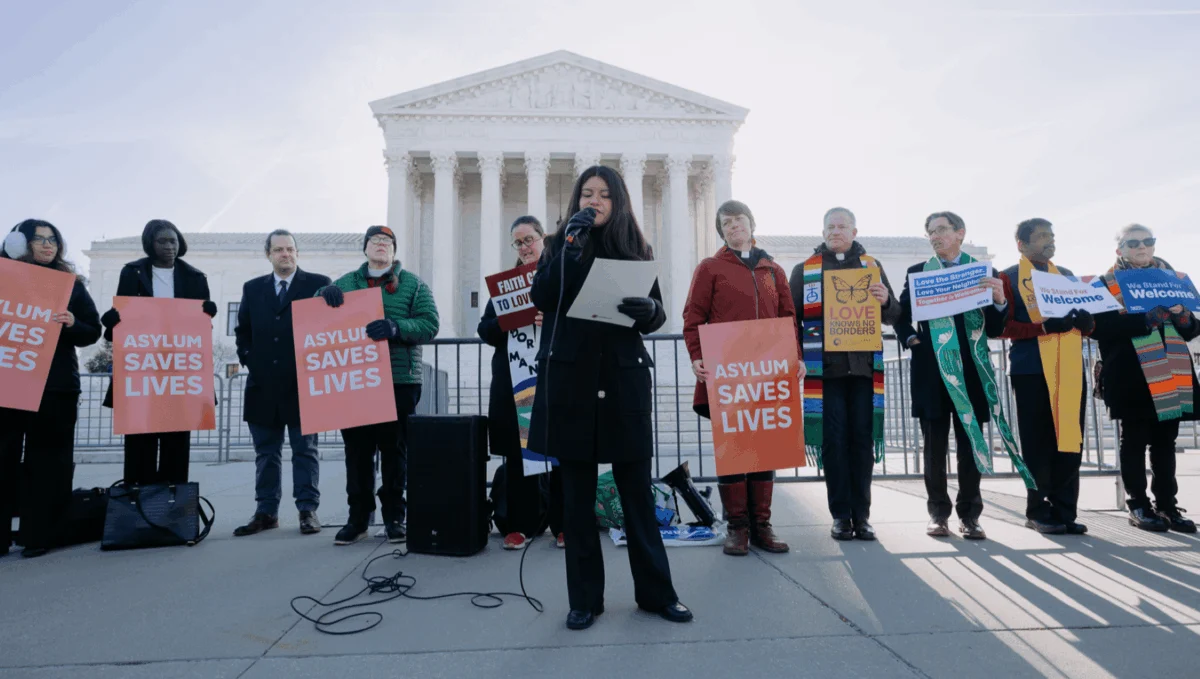
In this context, Bassin’s message becomes a critical call for courage. She highlights that at a time when many nations are opting for fear over compassion, there is a vital need for individuals and communities to actively choose to welcome. This choice is not merely an act of altruism but a fundamental expression of shared humanity and a commitment to upholding the values of justice and dignity for all.
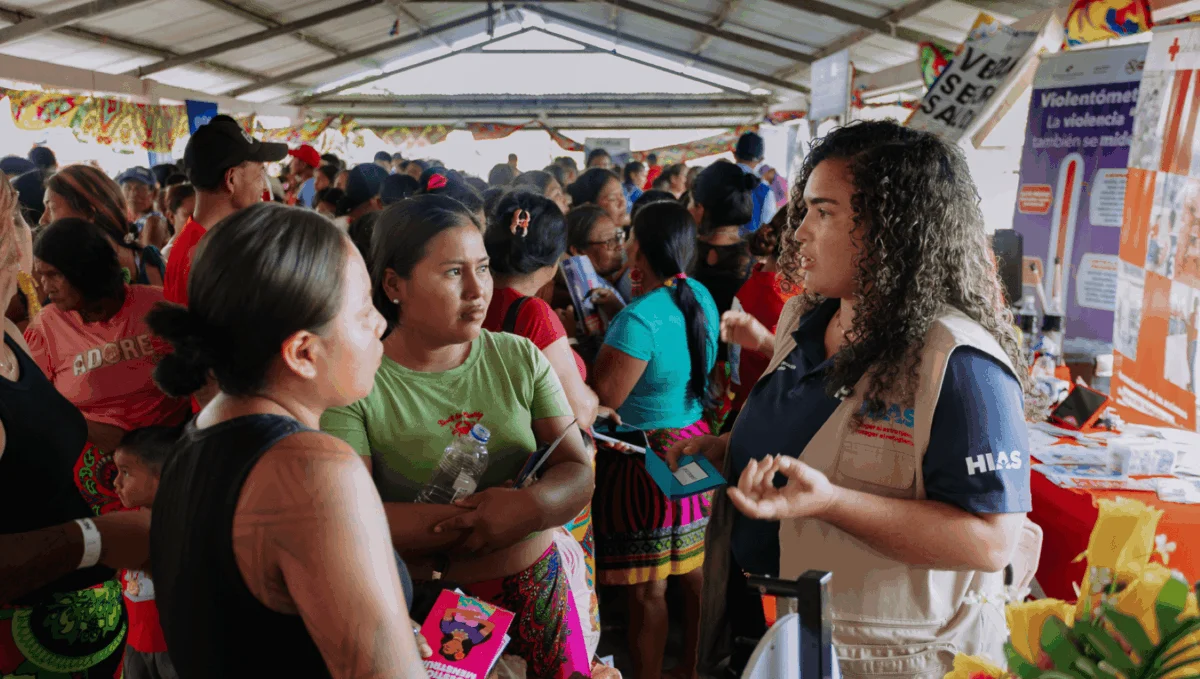
The work of HIAS is instrumental in translating this Passover imperative into tangible support. The organization provides a range of services, including legal assistance, resettlement support, and advocacy, to help refugees and asylum seekers rebuild their lives in safety. Their efforts are guided by the understanding that each individual has a unique story of resilience and a right to a future free from persecution.
A Call to Collective Responsibility
Bassin’s concluding remarks reinforce the central theme: "Why is this night different from all other nights? We already know why. It’s different because we do not let ourselves get distracted. Because we choose to remember. Because we choose to act. Because you choose to be with us." This statement encapsulates the active role that individuals can play in addressing the global refugee crisis. It is a recognition that collective action, fueled by memory and a commitment to humanitarian principles, can make a profound difference in the lives of those seeking refuge.

The urgency of this message is amplified by the increasing global challenges faced by displaced populations. Reports from organizations like Amnesty International and Human Rights Watch consistently highlight the precarious situations of refugees, including inadequate access to essential services, the risk of refoulement (forced return to a country where they face persecution), and the pervasive psychological toll of prolonged displacement. HIAS’s work, therefore, is not just about providing immediate aid but also about advocating for systemic change and fostering a global culture of welcome.
Broader Impact and Implications
The implications of Bassin’s message extend beyond the Passover observance. They speak to a broader societal responsibility to engage with the complexities of global migration and displacement. By drawing parallels between ancient narratives and contemporary realities, HIAS and its supporters aim to cultivate a deeper understanding of the shared human experience of vulnerability and the transformative power of compassion.
The call to action issued by HIAS encourages concrete steps. Their website and related resources often outline specific ways individuals can contribute, such as donating to support their programs, volunteering their time, advocating for more humane immigration policies, and engaging in educational initiatives to raise awareness. These actions, when multiplied across communities, can create significant positive change, offering hope and tangible support to those who need it most.
In essence, the Passover message, as interpreted by HIAS, serves as a timeless reminder that the pursuit of freedom and safety is a perpetual endeavor. It calls upon us to confront the present-day echoes of ancient oppression and to actively participate in the ongoing journey of liberation, ensuring that the lessons of the past inform a more just and compassionate future for all. The difference of this night lies not only in its rituals but in the conscious choice to extend the hand of welcome and support to those who are still on their own journeys toward safety and belonging.