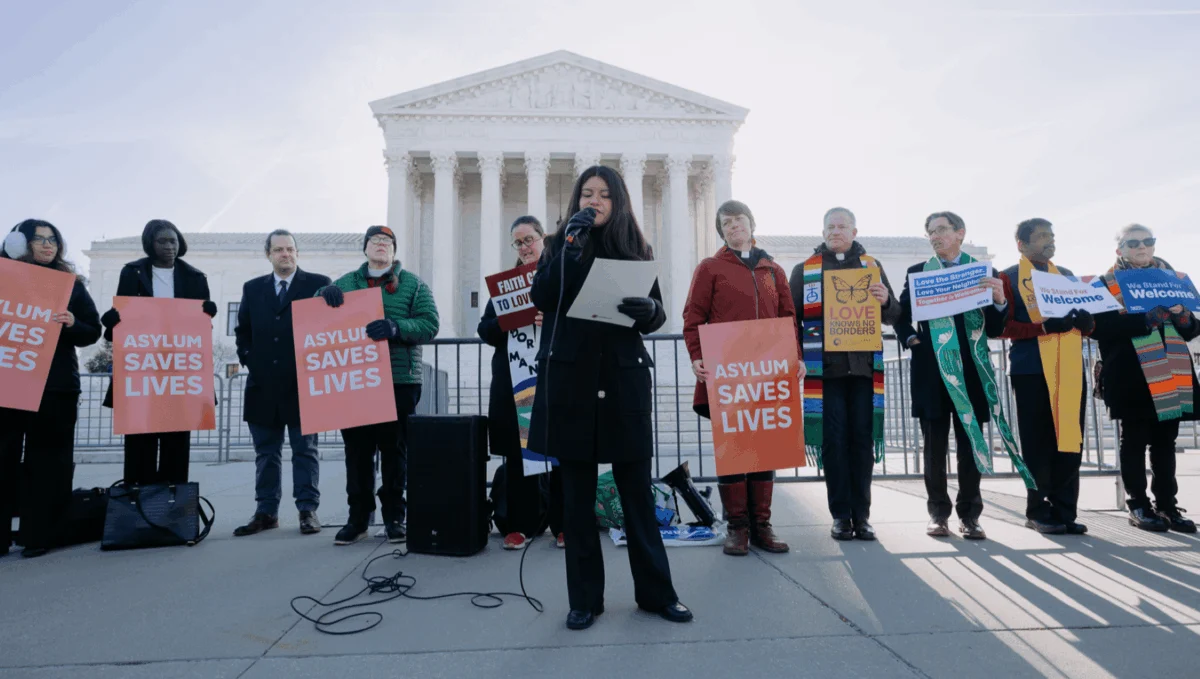
On March 11, 2026, a powerful and unified declaration emerged from the American Jewish community, with over 1,100 Jewish clergy members from across the denominational spectrum publicly affirming their unwavering support for refugees, asylum seekers, and immigrants. This significant mobilization underscores a deep-seated commitment to core Jewish values that mandate the protection of human dignity, humanity, and the rights of all individuals within national borders.
The statement, released concurrently with a compelling video featuring participating clergy, articulates a profound connection between the Jewish people’s historical experience and their contemporary advocacy. Drawing upon millennia of tradition, collective memory of displacement, and sacred texts, these religious leaders are issuing a call to action rooted in empathy and ethical responsibility.
Echoes of History, Imperatives of Today
The Jewish community’s historical narrative is intrinsically interwoven with the experience of flight, seeking refuge, and the desperate need for a safe haven. This lived experience, often referred to as the "memory of migration," informs their understanding of the biblical commandment: "You shall not wrong or oppress the stranger, for you were strangers in the land of Egypt" (Exodus 22:20). This foundational tenet, along with the principle of loving one’s neighbor as oneself (Leviticus 19:34) and the call for one law for both citizen and sojourner (Numbers 15:15), serves as the bedrock of their stance.
The clergy signatories emphasize that their advocacy is not merely a matter of contemporary politics but an intrinsic expression of Jewish identity. "To be a Jew is to insist on the inherent human dignity of every person," the statement reads. "To be a Jew is to advocate for law to be just, compassionate, and fair, and cry out when power is wielded with cruelty." This moral compass, they argue, is particularly crucial in "this moment," urging a reclamation and recentering of values in a world often characterized by division and hardship.
A United Front: Denominational Diversity and Shared Values
The breadth of denominational representation among the signatories is a testament to the broad consensus within American Judaism on this issue. The list includes Rabbis and Cantors from Orthodox, Conservative, Reform, Reconstructionist, and Renewal movements, as well as independent rabbinic leaders and chaplains. This cross-communal unity signifies that the ethical imperatives of welcoming and protecting the vulnerable transcend theological differences, uniting diverse Jewish communities under a common banner of humanitarianism.
The accompanying video, titled "America’s Jewish Clergy Speak Out for Immigrants," features a montage of these religious leaders articulating their personal and communal commitment. Their words serve as a powerful counter-narrative to divisive rhetoric, emphasizing shared humanity and the universal principles of justice and compassion. The video’s release is intended to amplify this message and encourage broader engagement.
The Call to Action: Beyond Words to Deeds
The initiative is not solely about pronouncements; it is coupled with a clear call for tangible action. The organizers are urging the public to engage with the statement, share the video widely within their networks, and actively participate in advocacy efforts. A dedicated portal has been established for U.S. Jewish clergy to add their names to the growing list of signatories, with periodic updates planned to reflect the ongoing expansion of this unified front.
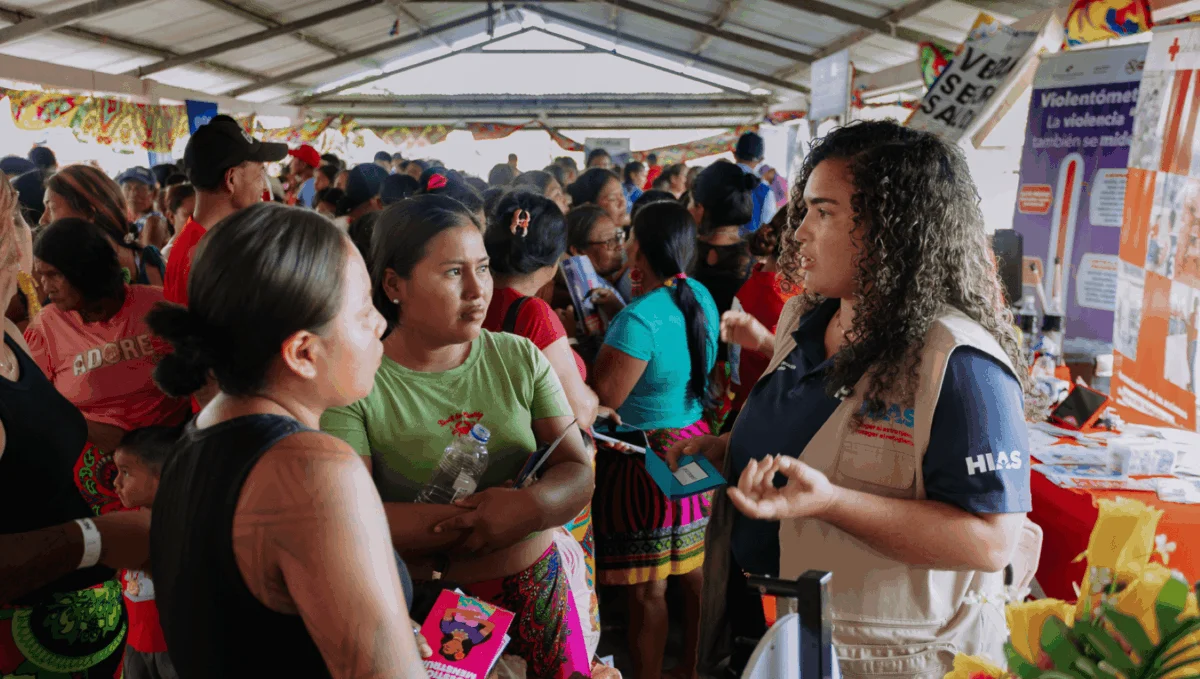
The initiative is spearheaded by organizations that have long been at the forefront of refugee and immigrant advocacy, such as HIAS (formerly the Hebrew Immigrant Aid Society), which has a century-long history of assisting displaced populations. This collaboration highlights the deep historical roots of Jewish involvement in humanitarian aid and the ongoing relevance of these efforts in the current global landscape.
Context and Broader Implications
The timing of this declaration is significant, occurring within a complex and often contentious national and international discourse surrounding immigration policy. In recent years, the United States has grappled with record numbers of asylum seekers at its borders, strained resources, and deeply divided political opinions. This broad coalition of Jewish clergy seeks to inject a moral and ethical dimension into these debates, grounded in both religious teachings and historical precedent.
The implications of this widespread clergy endorsement extend beyond the Jewish community. It represents a significant moral voice advocating for a more humane and just approach to immigration. By framing the issue through the lens of ancient ethical teachings and the collective memory of a people who have themselves sought refuge, the statement challenges prevailing narratives and offers a compelling vision for compassionate policy.
Furthermore, the initiative serves as a powerful example of faith-based leadership engaging directly with pressing social issues. It demonstrates the capacity of religious institutions to mobilize their members and influence public discourse, offering a counterweight to policies that may be perceived as lacking in empathy or respect for human rights. The sheer number of signatories—exceeding 1,100—signals a robust and deeply embedded commitment within the American Jewish clergy to this cause.
A Legacy of Welcoming
The Jewish tradition is replete with narratives and laws emphasizing the importance of welcoming the stranger. From the early patriarchs and matriarchs who encountered divine messengers in human form, to the ongoing interpretations of biblical texts, the theme of hospitality and protection for the vulnerable is a recurring motif. This historical and theological undergirding provides a powerful foundation for the current advocacy.
The signatories are not merely echoing historical commandments; they are actively applying them to contemporary challenges. The "memory of migration" is not just a historical footnote but a living imperative that calls for courage and moral clarity. In a world facing unprecedented displacement due to conflict, climate change, and economic instability, the voices of these Jewish leaders underscore the universal human obligation to respond with compassion and uphold the dignity of all.
Looking Ahead
The statement and accompanying video are poised to be a significant touchstone in ongoing discussions about immigration and refugee policy. The commitment from over 1,100 U.S. Jewish clergy signifies a powerful moral and ethical stance that will undoubtedly resonate within and beyond their communities. As the world continues to navigate complex humanitarian challenges, this unified voice from the American Jewish clergy serves as a potent reminder of the enduring power of faith-based advocacy and the timeless call to welcome and protect those seeking refuge. The call to action—to share, to engage, and to advocate—invites all to join in upholding these fundamental human and Jewish values.