Three years into the devastating civil war in Sudan, the humanitarian landscape has been irrevocably altered, with a staggering 14 million people displaced both internally and across its borders. Chad, a nation already grappling with resource scarcity, now finds itself hosting an overwhelming 1.8 million displaced individuals. The majority of these arrivals have sought refuge in Chad since the conflict erupted, placing an immense and unsustainable strain on communities that were already struggling to meet basic needs. This escalating crisis, the world’s largest displacement event, is compounded by severe cuts to crucial humanitarian funding from both U.S. and European donors over the past year, leaving an already overstretched system perilously close to collapse and refugees increasingly vulnerable to hunger, disease, and violence.
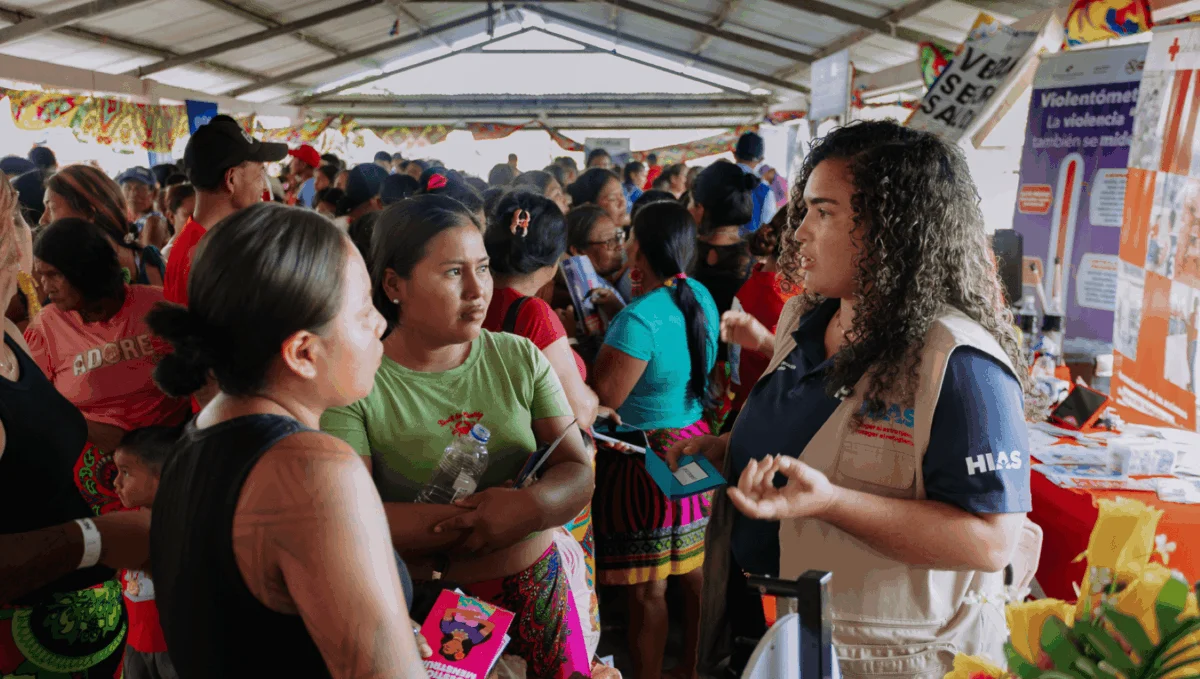
Despite these harrowing circumstances, the indomitable spirit of Sudanese refugees in Chad shines through. Organizations like HIAS, which has been a steadfast presence in Chad for over two decades, are working tirelessly to provide essential support to refugees, internally displaced persons, and the host communities along the eastern border with Sudan. Through programs focused on economic empowerment and mental health care, HIAS is enabling survivors of war and violence to begin the arduous process of rebuilding their lives and finding a semblance of stability amidst profound uncertainty.
The Escalating Humanitarian Crisis in Chad
The conflict, which ignited in April 2023 between the Sudanese Armed Forces (SAF) and the Rapid Support Forces (RSF), has rapidly devolved into a widespread humanitarian catastrophe. Reports from the United Nations indicate that the fighting has not only ravaged urban centers and rural areas within Sudan but has also triggered a massive exodus of civilians. Chad, sharing a lengthy and porous border with Sudan’s Darfur region, has become a primary destination for those fleeing the violence. The influx has overwhelmed existing refugee camps and strained host communities, leading to critical shortages of food, water, shelter, and medical supplies.
According to UNHCR data, the number of displaced people in Chad has surged dramatically since the onset of the war. Before the current conflict, Chad was already hosting a significant number of refugees from Sudan’s Darfur region, victims of protracted and brutal conflicts dating back to the early 2000s. The new wave of displacement has exacerbated existing challenges, pushing humanitarian agencies to their operational limits. The sheer scale of need, coupled with dwindling resources, paints a grim picture for the coming months and years.
Funding Shortfalls Jeopardize Lifesaving Assistance
The impact of reduced humanitarian aid cannot be overstated. For organizations like HIAS, which rely heavily on donor funding to implement their programs, these cuts represent a severe blow. The German Federal Foreign Office (GFFO) has been a key partner for HIAS Chad, supporting vital initiatives in economic empowerment and protection. However, the broader trend of decreased funding from major international donors has created a precarious financial environment. This reduction in resources directly translates to fewer services, reduced food rations, and a diminished capacity to respond to the ever-increasing needs of displaced populations.
Aid organizations have repeatedly warned that these funding gaps are not merely administrative inconveniences; they have life-or-death consequences. Malnutrition rates are expected to rise, access to essential healthcare will become even more limited, and the risk of exploitation and violence against vulnerable individuals, particularly women and children, will intensify. The international community’s commitment to supporting refugees is being tested, and the consequences of inaction or insufficient action are dire.
Stories of Resilience and Hope: Fatna’s Journey
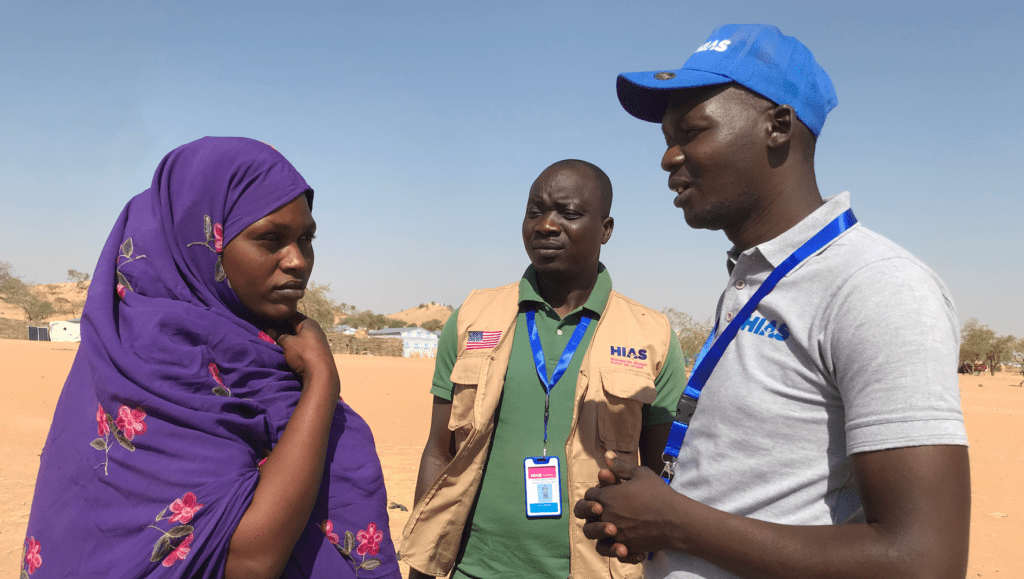
Amidst the overwhelming challenges, the resilience and determination of Sudanese refugees offer a beacon of hope. Fatna, a mother of eight living in the Aboutenguéné camp, exemplifies this spirit. Before connecting with HIAS, her life was a desperate cycle of fear and poverty. "Before, to feed my children, I sold bundles of firewood," Fatna recounted. "I had to walk for miles, sometimes far from the camp, exposing myself to attacks, harassment, and even the risk of rape. Every trip was dangerous, every day a source of worry."
Fatna’s participation in HIAS’s economic assistance program, generously funded by the German Federal Foreign Office (GFFO), has been transformative. She was able to establish her own business selling crops she now cultivates herself. Her venture has expanded, and she now supplies vegetables to three nearby camps. "I can now provide for my children without risking my life," Fatna shared, her voice filled with pride. "By saving some of the assistance I received, I was able to plant this season. The harvest was good, proof that my strategy is working, and I am very proud of it. My home is more stable, my children are eating better, and I have regained my dignity."
Beyond economic empowerment, HIAS provides crucial protection services to Fatna and other women in her community, working to prevent gender-based violence. "I am deeply grateful to HIAS for this assistance, but also for the regular follow-up and constant support," Fatna stated. "Today, I am ready to get more involved in my community, to raise awareness among other women and direct them to services." Her journey underscores the profound impact that targeted support can have on individual lives and community well-being.
Zam-Zam: Rebuilding a Life After Decades of Displacement
Zam-Zam’s story is another testament to the enduring strength of refugees. She first arrived in Chad over two decades ago, fleeing the initial wave of violence in Darfur that tragically claimed her husband’s life. Now, she is a mother of six, including a daughter with a disability who faces mobility challenges. "When I arrived at the Farchana camp in 2004, my situation was extremely difficult," Zam-Zam recalled. "I was mentally devastated, without the resources to provide for my children’s basic needs."
With her limited savings, Zam-Zam managed to start a small business selling goods at the camp market. Her efforts were eventually recognized by other refugee women who had received services from HIAS. The organization provided her with economic assistance, again supported by GFFO, enabling her to expand her business. This support has allowed her to travel more frequently between camps, diversify her product offerings, and stock up on essential food items for resale.
"Since that day, my life has changed," Zam-Zam shared. "Thanks to this business, I can provide for my children, who have enough to eat, attend school, and receive the basic healthcare they need. With my income from my business, I can even support my relatives when they face social difficulties." Her success highlights the ripple effect of economic empowerment, not only improving her immediate family’s circumstances but also extending to her broader kinship network.
The Power of Economic Empowerment and Protection
HIAS’s approach in Chad, as demonstrated through the experiences of Fatna and Zam-Zam, emphasizes the critical link between economic empowerment and protection. By providing refugees with the means to earn a sustainable income, HIAS helps them regain agency, reduce reliance on potentially exploitative coping mechanisms, and build a more secure future. This assistance often takes the form of seed capital for small businesses, vocational training, and financial literacy programs.
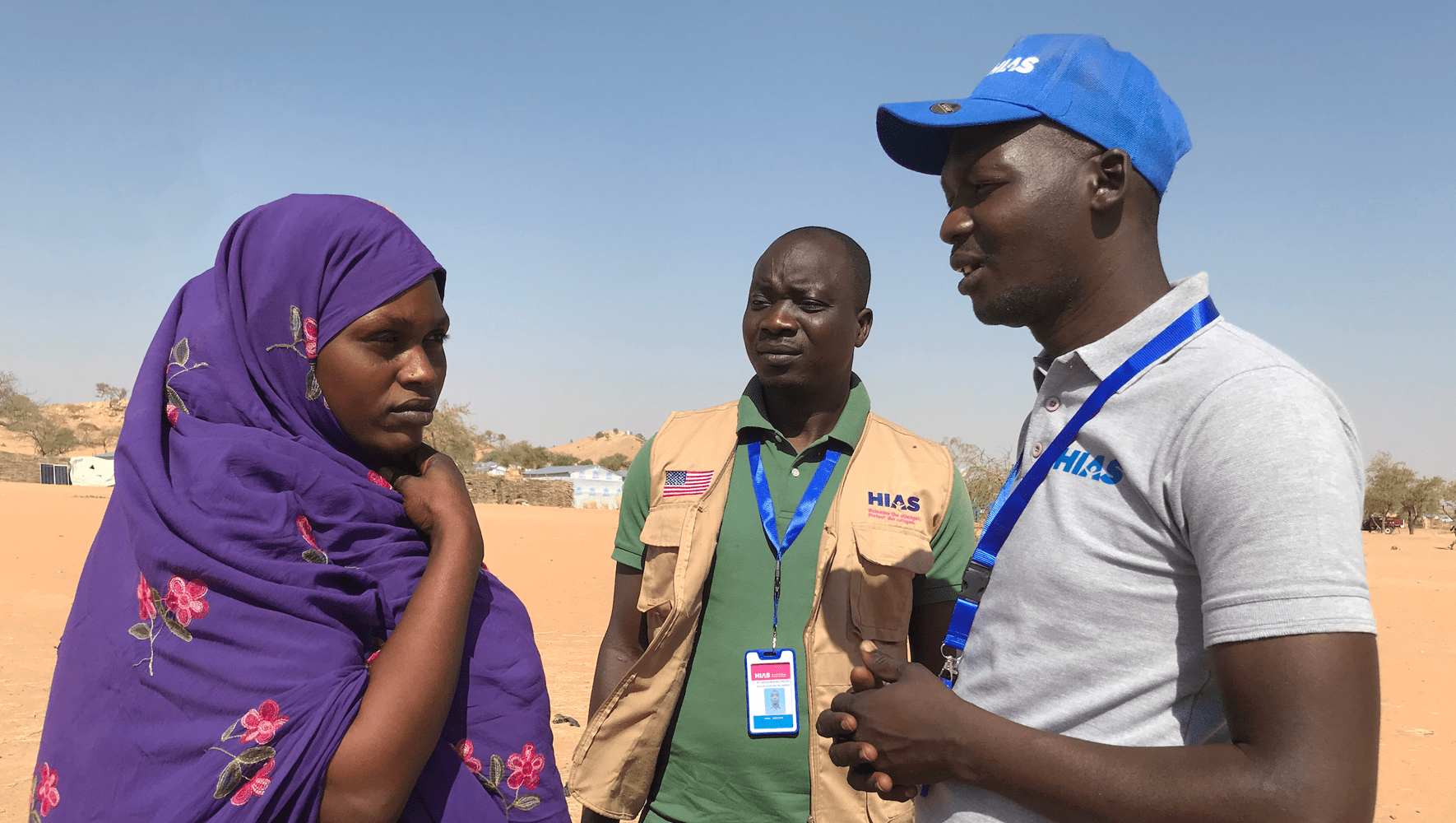
Anitha Niyongir, HIAS Chad’s Protection Manager, articulated this philosophy: "For Sudanese refugees in Chad, economic empowerment and protection are inseparable. When individuals, especially women and girls, have access to safe livelihoods and opportunities alongside protection services, they are better equipped to resist exploitation, reduce harmful coping mechanisms, and reclaim control over their lives." This integrated approach acknowledges the multifaceted challenges faced by refugees and seeks to address them holistically.
The ongoing conflict in Sudan has created what is now recognized as the world’s largest displacement crisis. The United Nations High Commissioner for Refugees (UNHCR) has consistently highlighted the escalating numbers of people forced to flee their homes. The international community’s response has been widely criticized as insufficient, with significant funding gaps hindering the delivery of essential aid.
A Call for Sustained Support and Global Solidarity
The stories of Fatna and Zam-Zam are powerful reminders of the resilience of the human spirit in the face of unimaginable adversity. However, their continued progress and the well-being of millions of other Sudanese refugees in Chad depend on sustained and increased international support. As Zam-Zam poignantly stated, "I am grateful to HIAS for its continued support of women and children in the community. We pray that more funding will be made available to continue supporting the most vulnerable."
The implications of the ongoing crisis extend far beyond Chad’s borders. A protracted and unresolved conflict in Sudan risks further regional destabilization and a continued surge in refugee flows. Addressing the root causes of the conflict, while simultaneously providing robust humanitarian assistance, is paramount. The international community must recognize the urgency of the situation and reaffirm its commitment to upholding the rights and dignity of refugees.
HIAS Chad remains steadfast in its mission to assist refugees in recovering from decades of brutal fighting. The organization’s work, supported by partners like the German Federal Foreign Office, provides not only immediate relief but also lays the groundwork for long-term recovery and self-sufficiency. The success stories of Fatna and Zam-Zam are a testament to what is possible when refugees are provided with the resources and support they need to rebuild their lives. However, the scale of the crisis demands a collective and amplified response from the global community. Without it, the gains made by individuals like Fatna and Zam-Zam, and the hope they represent, remain precariously balanced.
The current situation in Chad is a stark illustration of the global refugee crisis, underscoring the need for increased diplomatic efforts to resolve the conflict in Sudan and for a renewed commitment to humanitarian funding. The future of millions of lives hangs in the balance, and the international community’s response in the coming months will be critical in determining whether these individuals can find lasting peace and security.