The poignant lament of "Kete Ujan Gaye" (Kete Got Destroyed), a song penned by Gond artist Shiv Prasad Kusro, echoes the profound devastation wrought upon his ancestral village and the surrounding Hasdeo Arand forest in Chhattisgarh’s Surguja district. Released in 2025, the song serves as a stark testament to the displacement and ecological ruin inflicted by the relentless expansion of Adani Enterprises’ coal mining operations. Kusro’s lyrics paint a grim picture of lost heritage, fractured communities, and a desolate future: "Kete ujad gaye, suna padgaye… parsa kete ma khulish khadan, paar parosi man ho gain biraan, bhai bhai man nai pahchan, apan man ab ho gaye anjaan… putu khukhdi ma din bitaan, nai mile ab lakri paan, dau dada ke nikalat he jaan, laika chauwa ke nei hai dyaan." These words translate to a chilling reality: "Kete got destroyed, everything has become numb… the mine opened in Parsa and Kete and the neighborhood has become desolate… even brothers don’t recognize each other, we have become strangers to each other… we used to spend our days collecting wild mushrooms, now we can’t even find wood and leaves anymore, our parents are in grief, and they can’t even think of their children."
For the predominantly Adivasi (Indigenous) communities of Hasdeo Arand, the narrative of development has become a story of dispossession and ecological degradation. As Adani Enterprises, a subsidiary of the powerful Adani Group, continues its aggressive expansion, villagers report widespread failures in rehabilitation, the systematic destruction of sacred forests, and the erosion of their cultural identity, all in the face of their determined resistance.
Shiv Prasad Kusro, now 37, a farmer by livelihood and a musician by heart, vividly remembers the Kete of his youth. "Kete was beautiful," he reminisces, describing a landscape rich with fields, forests, and a diverse array of wildlife, including sambar and cheetahs. This idyllic existence has been shattered since the mine’s inception in 2010. "Life is extremely difficult now," Kusro states, his voice heavy with the weight of loss. "Just like how difficult our lives are, our spiritual lives are also getting difficult." The opening of the mine marked not just a physical displacement but a collective trauma that has scattered the people of Kete, turning brothers into strangers and neighbors into distant memories. The promised monetary compensation has proven insufficient, and the psychological toll of uprooting entire communities has left deep scars. "I still get tears in my eyes when I think of those times," Kusro admits, the pain evident in his words. "I don’t even feel like talking about it."

A Timeline of Extraction: The Hasdeo Arand Coal Mining Saga
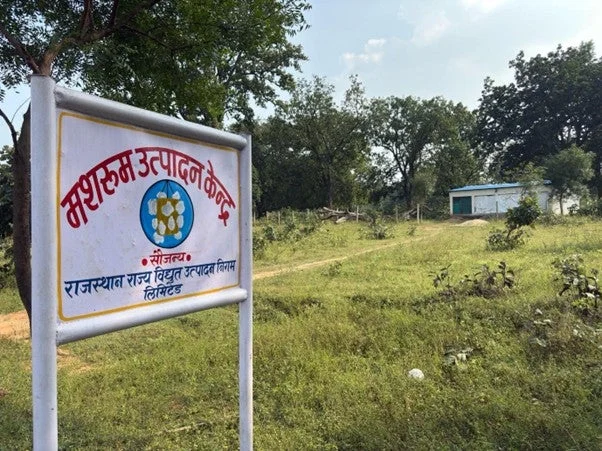
The exploitation of Hasdeo Arand’s rich coal reserves is a complex narrative involving government policy, corporate interests, and environmental concerns. The process began in 2007 when the Indian government allocated the coalfields to Rajasthan Rajya Vidyut Utpadan Nigam Limited (RRVUNL), a state-owned power utility. In 2013, RRVUNL appointed Adani Enterprises Limited as the developer and operator of these lucrative mines.
The Hasdeo Arand forest, recognized for its dense forest cover and biodiversity, was declared a "no-go" mining zone by the Ministry of Environment, Forest and Climate Change’s Forest Advisory Committee in 2009. However, this crucial environmental recommendation was overturned in 2011 when Jairam Ramesh, then the environment minister, granted approval for the Parsa East and Kanta Bavan coal mine. Phase II of the mine received approval in 2012, despite significant opposition and a subsequent case filed in the National Green Tribunal.
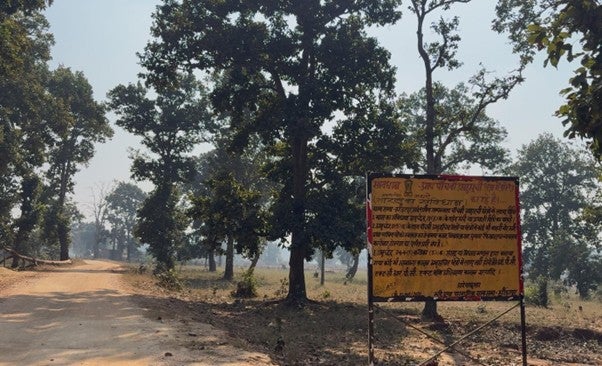
The trajectory of mining in the region has been marked by legal challenges and temporary suspensions. In 2014, mining operations were suspended by the Tribunal. However, Adani Enterprises challenged this order, leading to a stay from the Supreme Court that permitted mining to continue. The company’s ambitious expansion plans extend beyond Kete and Parsa, targeting land acquisition in villages such as Salhi, Hariharpur, Ghatbarra, and Fatehpur in Surguja district, and Tara and Janardhanpur in Surajpur district.
The estimated reserves within the six approved coal blocks in Hasdeo Arand are staggering, with an estimated 5 billion metric tonnes of coal. The coal beneath Kete alone is valued at approximately $5 billion, with the construction of these mines projected to destroy 1,898 hectares of vital forest land. The Adani Group, led by Gautam Adani, the second-richest man in Asia, has faced scrutiny for its close financial ties with Prime Minister Narendra Modi, raising questions about the influence of corporate interests on environmental policy. The impact of Adani’s mining activities is not confined to India; the company faces similar resistance from Indigenous communities in Australia, such as the Wangan and Jagalingou Peoples, who are fighting against the Carmichael mine in Queensland.

The Hollow Promise of Rehabilitation
The promises made to displaced communities have largely remained unfulfilled, leaving a trail of broken trust and economic hardship. Komalsai, a displaced resident of Kete and now an employee of Adani (his name has been changed for privacy), recounts the initial arrival of the company approximately 15 years ago. "At first, geologists from the Indian government came for a survey," he recalls. "After that, Adani came [with the] Rajasthan government. They surveyed and approved the mines here. They have been active since 2008-2009; however, in 2012, people got compensation and were displaced."
Of the roughly 200 families displaced from Kete, a significant portion now resides in the company’s resettlement colony in the nearby Basen village. A core promise made to these families was that their children would be eligible for employment at the mine upon reaching the age of 18. However, when these young adults sought employment, Komalsai states, "the company said that they have no such policy," instead advising families to pursue further education to qualify for jobs.

The resettlement colony itself is a testament to the inadequacy of the rehabilitation efforts. Spanning less than a square mile, the colony consists of small, two-room apartments with attached bathrooms, often deemed insufficient for even a single family. "Those who don’t have jobs are not living in this colony. What will they do and eat?" Komalsai questions, highlighting the dire economic realities faced by many. Rehabilitation packages were categorized based on land ownership, influencing the size of the promised houses. While 60-70 individuals secured jobs as part of the rehabilitation, Komalsai notes that some quit, while others were terminated, often due to issues like alcoholism.
The company pledged ₹4.25 lakh (approximately $4,675 USD) for the construction of each house. However, the resulting structures, measuring 16×16 feet, are of poor quality, according to residents. "Earlier, the company said that they would build a ‘top-level’ rehabilitation colony. But there is nothing here. No electricity, water, road, education, or healthcare," Komalsai laments, pointing out the stark contrast between official claims and the lived reality. The colony, situated on the outskirts of Basen village, was initially cut off by a river, with residents forced to cross on foot until a bridge was constructed only last year. Even then, monsoon rains can render the bridge impassable.

Promises of free education, healthcare, and clean water have also been met with disappointment. Residents had to invest their own money to dig borewells, and the electricity that was supposed to be free is now a paid utility. While a health center exists, it functions merely as a first-aid station, lacking a regular doctor and necessitating trips to Udaipur town for serious medical needs.
Shiv Prasad Kusro recalls his plea to authorities during the land acquisition: "I have just one request: that they write on a stamped paper that my three generations will be secured and taken care of. Because if our village is uprooted, our [official land settlement] is over." His request was dismissed, with officials offering their word as a guarantee. The lack of proper documentation proving land ownership has become a significant impediment for displaced individuals seeking official recognition and support.

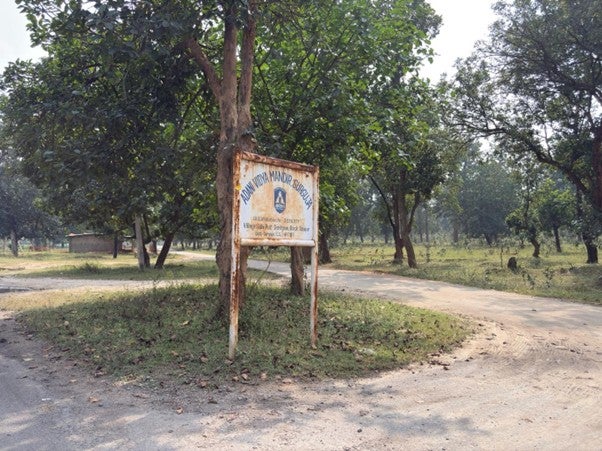
The Adani Vidya Mandir, a school established by the company, primarily admits the children of Adani employees, despite being intended for displaced families. Kusro, after enrolling three of his children, was denied admission for his fourth child, citing a policy of limited enrollment per family. This led him to withdraw his children and enroll them in a government school in protest.
The Unraveling of Tribal Families and Livelihoods
The displacement from Kete has not only fractured the physical landscape but has also irrevocably broken apart families. Kusro’s own family, once residing together in three large houses, is now scattered across different locations, having purchased land wherever they could find affordable options. This fragmentation is a shared experience among the approximately 200 families displaced from Kete.
Ganesh Shyam, a 38-year-old farmer and displaced resident of Kete now living in the Basen resettlement colony, highlights the pervasive sense of disconnection. "Life in Kete was good," he states. "People weren’t roaming around here and there. Now, since the mine has opened, you ask someone where they are, and they will tell you how their parents or relatives are scattered across different places. That’s how life has become." The cost of maintaining these scattered familial ties, through travel and communication, imposes an additional financial burden on impoverished families.
In neighboring Salhi village, where resistance against mine expansion continues, Anand Ram Kusro, a 55-year-old active participant in the movement, expresses deep concern. His mother and relatives hailed from Kete, and today, the whereabouts of many of his kin remain unknown. "Some are probably alive, some are dead now. We don’t have any news. Seeing this scares us. We don’t want to be in a situation like Kete," he shares, reflecting the pervasive anxiety among those facing similar threats.
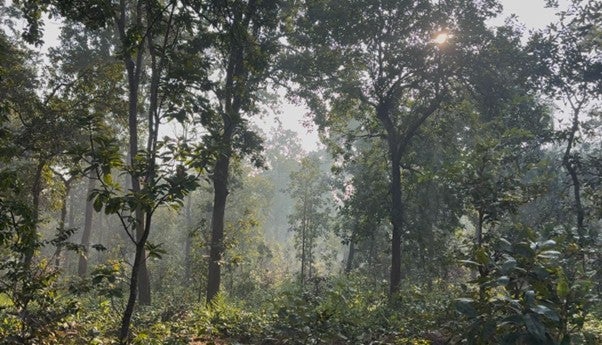
The loss of ancestral lands has resulted in a loss of access to the forest’s bounty, a critical source of sustenance and income for these communities. Fruit trees planted by ancestors, including mango and jackfruit, have been destroyed. Even the mahua trees, which served as communal resources for families, have been felled for the mine. Displaced individuals who have relocated to other villages often find themselves as outsiders, with limited rights and facing restrictions on accessing forest resources. "The new villagers say that you cannot use our forest, and we must listen to them," Komalsai explains, highlighting the loss of autonomy and dignity.
The economic implications are profound. What was once a self-sufficient existence, where communities could gather wood for construction, collect fruits like mahua, tendu, and char, and cultivate traditional crops, has been replaced by a dependence on purchasing these necessities. The forest, once a "bank without cash," providing a sustainable livelihood, is now inaccessible.
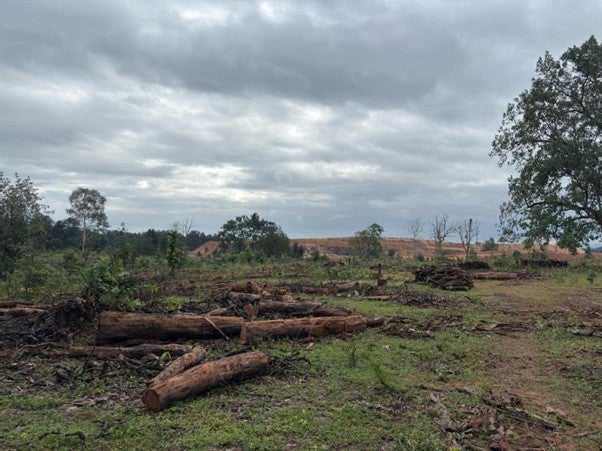
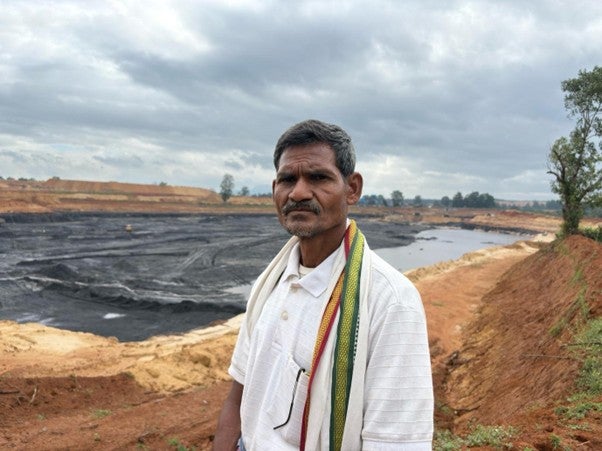
The ecological impact is equally severe. The Hasdeo Arand forest, an important elephant corridor, is experiencing increased human-wildlife conflict. Elephants, once rarely seen in villages, are now a common sight, causing damage to homes. This conflict underscores the displacement of wildlife due to mining activities. Furthermore, pollution from the mines is a significant concern, with dust contaminating homes and water bodies. The Atem River, a vital water source, is being polluted by mine discharge, turning the soil black.
Sacred sites, such as the Ramgarh hills, revered by the Uikey clan of the Gond people, are also showing signs of damage, with cracks appearing due to blasting from the mines. The dust seeps into homes, contaminating even stored water, posing a threat to the health and well-being of the residents.

The Illusion of Monetary Rehabilitation
While some individuals received substantial compensation, reportedly up to ₹1.5 crore (approximately $164,000 USD) for their land, many others received significantly less, often a mere 10% of the land’s market value. The tragic story of a man in Basen village, who, after receiving a paltry sum, died of illness with less than ₹5,000 ($55 USD) in his bank account, illustrates the widespread economic vulnerability.
The resettlement colony in Basen, with its common toilets and poorly constructed houses, remains largely vacant, as residents have sought more suitable living arrangements. The promised employment benefits have also become a point of intergenerational conflict within tribal communities, with older generations often leading resistance movements while younger, educated individuals are drawn to perceived employment opportunities offered by the companies.

The Land Acquisition Act of 2013 includes a clause mandating the relocation of displaced families in similar ecological zones to preserve their economic opportunities, language, culture, and community life. However, the ambiguous phrase "as far as possible" has been exploited, leading to the failure of effective implementation in scheduled areas.
The expansion of Adani mines in Salhi village has led to the destruction of sacred groves, including a sarna and the sacred site of Persa Pen, an ancestral spirit. The rehabilitation policies, focused solely on human welfare, often fail to acknowledge the deep spiritual and cultural connection tribal communities have with the non-human world—hills, trees, rivers, and forests are considered sentient beings and integral to their cosmology. This dissonance between tribal worldviews and the prevailing rehabilitation frameworks highlights a fundamental disconnect in the approach to development.

The Erosion of Ancestral Spirits and Cultural Identity
The displacement from Kete has resulted in the abandonment of numerous ancestral spirits, such as Gaura Mata, Isarraja, Sundorani, Sivarihya, Diharin, Thakur, Deur Gosain, Dhodi Gosain, and Manwair. These spirits, deeply interwoven with the fabric of village life and rituals, are now left unattended, a source of profound grief for the displaced. The spirits of the forest, such as Sivarhiya, were once invoked for protection during journeys into the woods. Sacred trees like the sarai and saja, believed to be abodes of ancestral spirits, have been destroyed.
The narrative of loss extends to the spiritual realm. The destruction of Kete and its surrounding forests, which occurred within a decade, starkly contrasts with the longevity predicted by ancestral spirits for the village. Adani’s assertion that spirits could be relocated proved futile, as the spiritual and cultural significance of these ancestral spaces cannot be replicated. The loss of these sacred sites leaves communities vulnerable and disconnected from their heritage.

In Salhi, too, ancestral spirit sites are under threat, raising existential questions for the Adivasi communities. "If they are not there, how will we survive?" asks Ram. "They give us strength in a time of need. We are adivasis, we don’t worship idols. Our gods are the saja and sarai tree. That’s what gives us power; it gives us shade and fruits. Who else is better for worshipping?"
Kusro expresses deep regret for the perceived mistake of allowing their land to be given to the company, believing that the hardship faced by his community is a consequence of this decision. He acknowledges that the spiritual guardianship of the Basen village spirits now sustains him, but the memory of Kete and the struggle of his current existence bring him to tears.
Community Resistance Against the Mining Tide
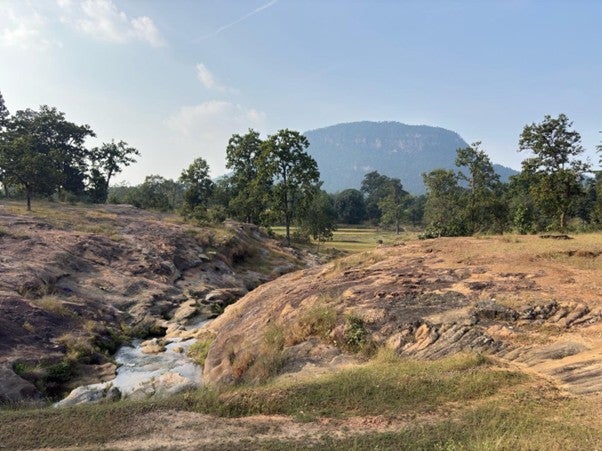
Despite the overwhelming challenges, the communities of Hasdeo Arand are demonstrating remarkable resilience and unwavering resistance against the expansion of Adani’s mining operations. In October 2024, villagers from Salhi, Hariharpur, Ghatbarra, and Fatehpur engaged in a confrontation with Chhattisgarh police while protesting the felling of sacred trees for Phase II of the mine.
"This is a village of (ancestral spirit) Budhadev," states Ram, emphasizing the sacredness of their ancestral lands. "We have hundreds of kinds of trees like saja, sarai, and dhaura in this forest. But today, the Adani company has cut down and destroyed our Hasdeo forest. The company is threatening and harassing us to get their work done."
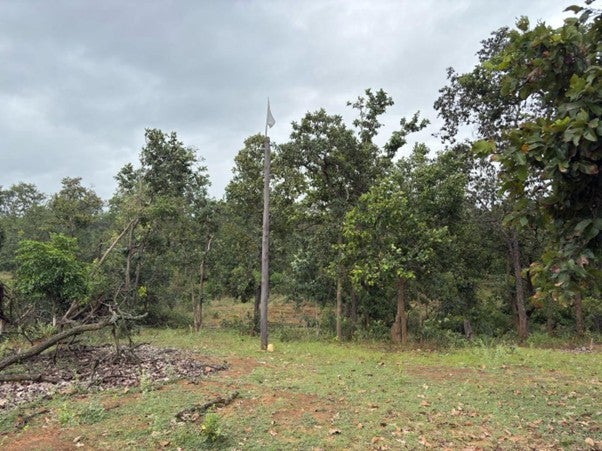
For over a decade, these communities have fought a protracted battle against the mines, fueled by a belief in truth and justice. They allege that fraudulent gram sabhas, threats, harassment, and attempts at bribery are employed to undermine their resistance. The perceived collusion between the government and Adani raises concerns about the future of their children and the desecration of their spiritual spaces. "We are Adivasis. How can we live without the forest?" they implore.
The demand for the removal of the mine from the forest remains unheeded by the government. Yet, the resolve of the communities is unshakeable. "We will fight this till the end, until our last breath," Ram declares. "We will fight till our death. Otherwise, where else will we go? We will not leave this fight. In our village, Salhi, in Surguja, in the entire Chhattisgarh [state] and India, the consequences of this coal mine will be visible." Their struggle is not merely for land but for the preservation of their identity, their culture, and their very existence.