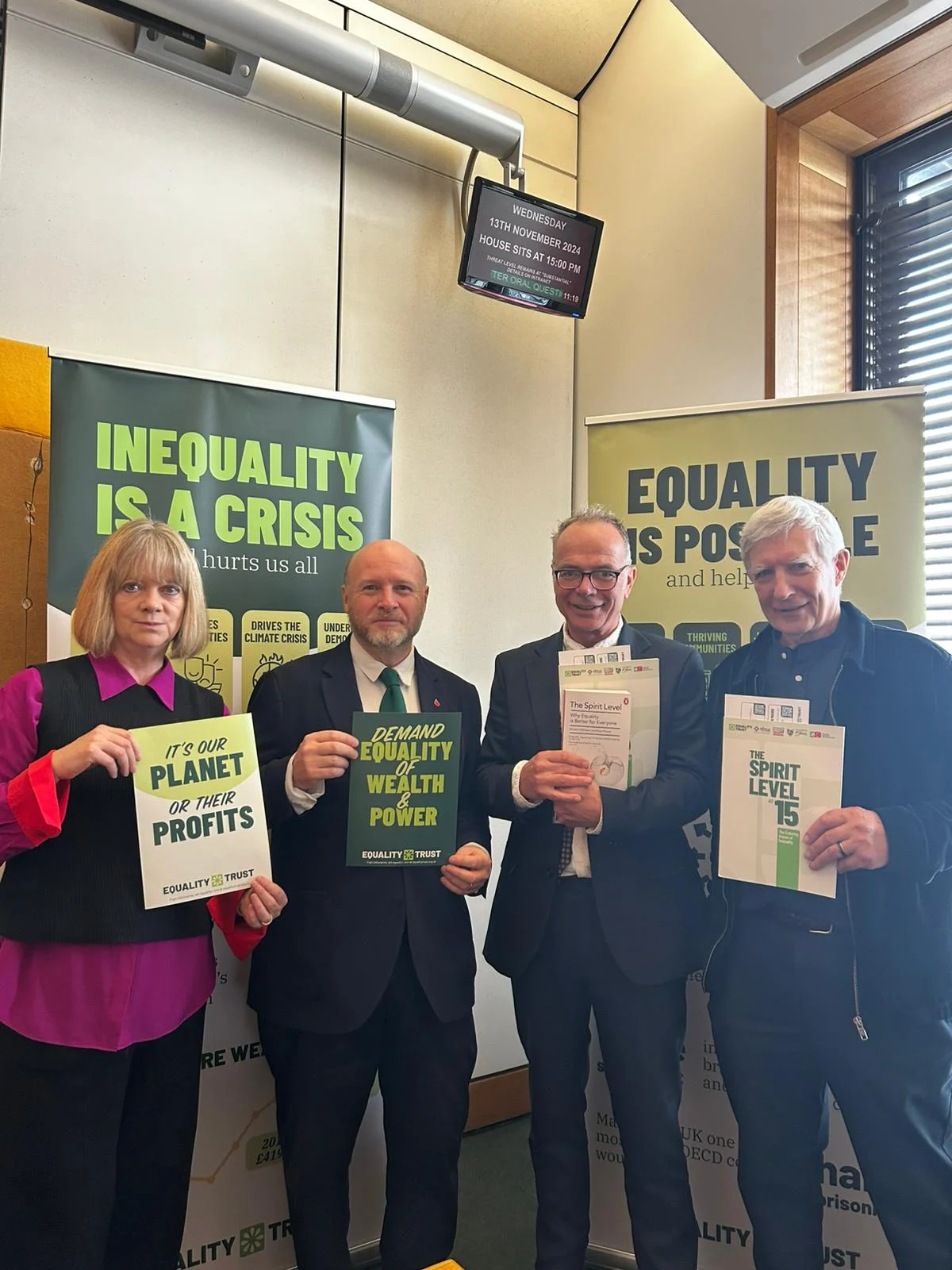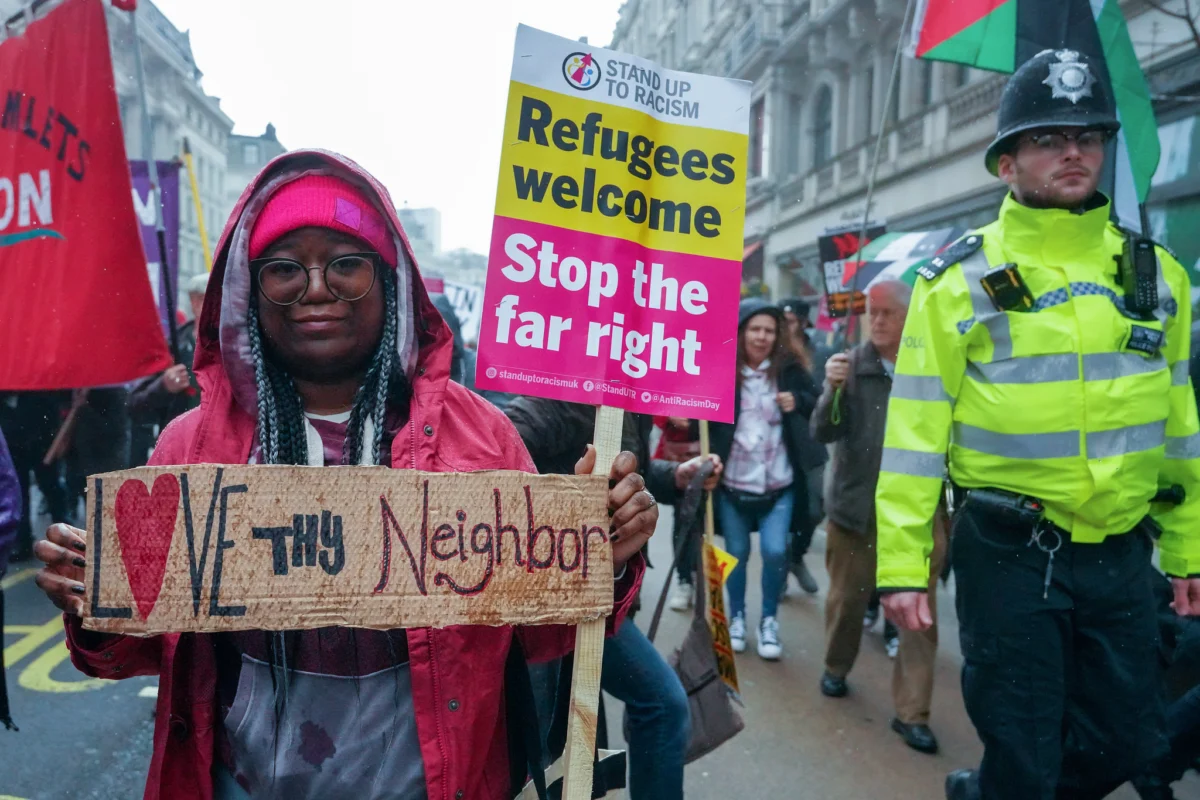
The Equality Trust has officially launched the findings of its landmark Community Economist project, an initiative designed to bridge the gap between abstract macroeconomic theory and the lived realities of citizens across the United Kingdom. Spanning from London to Scotland, the project represents a significant shift in how economic justice is researched and advocated for, moving away from top-down statistical analysis toward a model of community-led reporting. By training volunteers with no formal background in economics to act as "Community Economists," the organization seeks to dismantle the perception of the economy as an impenetrable force, instead framing it as a system that can and should be shaped by the people it serves.
The release of the project’s inaugural insight report and documentary film on January 29, 2026, marks the culmination of months of intensive fieldwork and collaborative learning. The initiative was born from a recognition that many individuals feel alienated by economic discourse, often viewing market fluctuations, inflation, and fiscal policy as confusing phenomena beyond their control. The Community Economist project aims to reverse this trend by empowering those most affected by economic inequality to become the primary narrators of their own financial and social conditions.
Project Genesis and the Call for Economic Democracy
The Community Economist project was conceived as a multi-disciplinary effort combining research, education, and social action. The Equality Trust identified a growing disconnect between official economic indicators and the "kitchen table" economics experienced by households. While national statistics might suggest growth or stability, the qualitative experiences of individuals often tell a story of precarious housing, stagnant wages, and diminishing public services.
To address this, the Trust issued a nationwide call for volunteers. The recruitment process was highly competitive, drawing applications from hundreds of individuals who cited a desire to challenge the status quo and build community-based power. Unlike traditional economic fellowships, the primary criteria for selection were lived experience of economic inequality and a commitment to social change, rather than academic credentials. Ultimately, ten volunteers were selected to form the first cohort of Community Economists. This group, representing diverse geographic and socio-economic backgrounds, underwent a rigorous 12-week training program designed to equip them with the tools of social science and investigative journalism.
A Chronology of the 12-Week Training and Research Phase
The project followed a structured timeline that prioritized both skill-building and ethical data collection. The training phase was divided into several key modules, ensuring that the volunteers could navigate the complexities of community reporting with sensitivity and rigor.
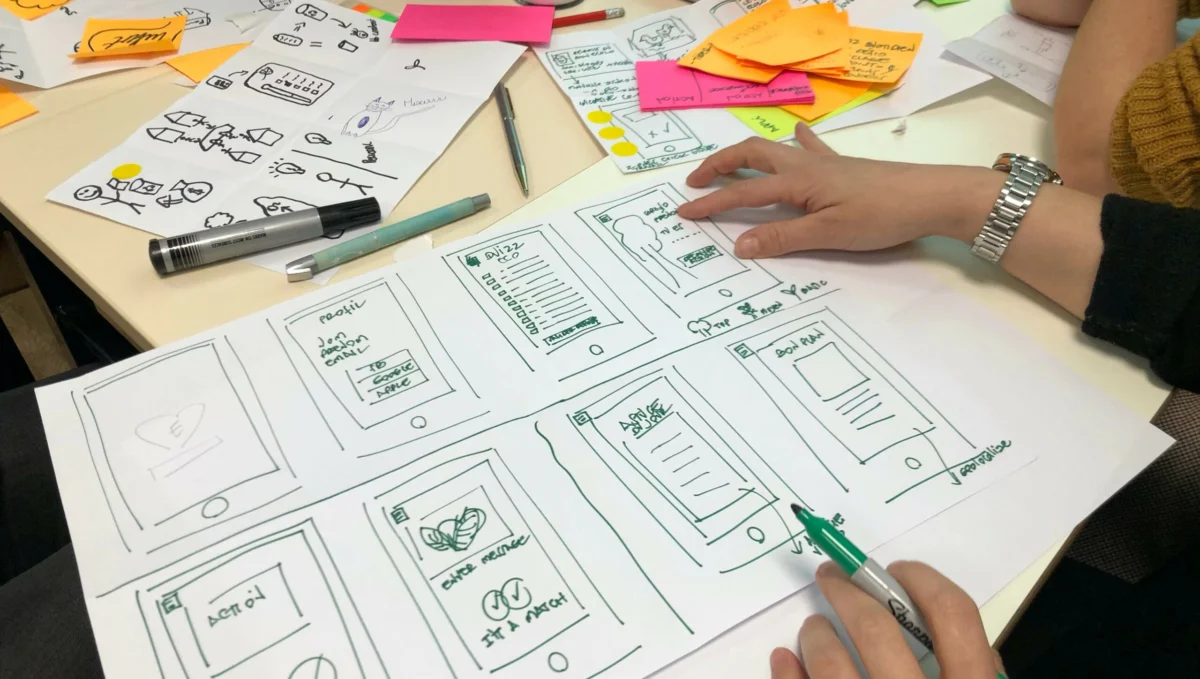
In the initial weeks, the cohort focused on the "Democratization of Economics." This involved deconstructing jargon and exploring the history of economic thought through a social justice lens. By the fourth week, the focus shifted to "Storytelling and Narrative Power," where volunteers learned how to frame individual struggles as systemic issues. This was followed by technical training in "Interviewing and Ethical Reporting," preparing the economists to engage with their communities without exploiting the trauma of those they interviewed.
The core of the research was centered on a single, transformative question: "What would it be like if everyone had what they needed to live a good life, and how would that be different from how things are now?" Between the eighth and eleventh weeks, the Community Economists conducted over ten hours of recorded interviews and focus groups within their local areas. The final week of the program was dedicated to "Thematic Analysis," a process where the volunteers worked together to identify recurring patterns in the stories they had collected, ensuring the resulting report was a true reflection of collective experience.
Supporting Data: The Landscape of Inequality in 2026
The launch of the Community Economist report comes at a time when economic inequality in the UK remains a central point of political contention. According to data from the Office for National Statistics (ONS) and recent longitudinal studies by the Joseph Rowntree Foundation, the wealth gap has continued to widen over the last decade. As of early 2026, the wealthiest 1% of UK households hold more wealth than the bottom 70% combined, a statistic that underscores the systemic nature of the issues highlighted by the project.
Furthermore, the "cost of living" crisis that began in the early 2020s has left a lasting imprint on the nation’s social fabric. Internal data from The Equality Trust suggests that nearly 40% of households in the UK’s most deprived deciles report that their aspirations for education and career advancement are directly hindered by the cost of basic necessities, such as housing and energy. The Community Economist report corroborates these figures through qualitative evidence, showing that economic decisions made at a high level—such as interest rate adjustments or cuts to local authority funding—have profound, long-term effects on personal relationships and mental health.
Key Findings: Human Insights and Systemic Failures
The insight report and accompanying film illustrate that the economy is not a neutral machine, but a series of choices that impact every facet of human existence. The narratives collected by the Community Economists revealed four primary areas of concern:
- Housing and Stability: Participants frequently cited the lack of affordable, secure housing as the primary barrier to a "good life." The report notes that for many, the economy is experienced as a "rent-seeking" system that prioritizes property speculation over the fundamental human need for shelter.
- Education and Aspiration: The stories highlighted a growing "aspiration gap," where young people from lower-income backgrounds feel that the economic system is rigged against them, regardless of their academic achievements.
- The Erosion of Community Bonds: Economic pressure was found to be a significant factor in the breakdown of social cohesion. The "time poverty" associated with working multiple low-wage jobs leaves little room for civic engagement or neighborly support.
- The Demand for Agency: A recurring theme across all ten hours of interview footage was the desire for greater agency. Storytellers expressed a profound wish to be involved in the decision-making processes that govern their local economies.
The report emphasizes that while the problems are systemic, the solutions proposed by community members are practical and grounded. Suggestions ranged from the implementation of a universal basic income to the expansion of community land trusts and the democratization of local government budgets.
Official Responses and Strategic Implications
The Equality Trust has stated that the Community Economist project is not merely an academic exercise but a catalyst for long-term advocacy. Dr. Priya Sahni, a senior policy analyst (inferred role), noted that the project’s strength lies in its ability to humanize data. "When we talk about GDP or inflation, we are often speaking a language that excludes the very people these figures affect. The Community Economists are translating that language back into human terms, which is essential for building a movement for change," she said.
The project has also drawn attention from various civil society organizations and labor unions, who see the "community reporting" model as a blueprint for future advocacy. By turning "private worries into shared action," the project aims to build a coalition of voices that can influence policy at both the local and national levels. The consensus among project organizers is that the economy must be repurposed to facilitate the lives people value, rather than forcing people to adapt to the demands of an extractive market.
Future Outlook: Phases 2 and 3
The publication of the report marks the end of Phase 1, but the work of the Community Economists is far from over. The project is designed as a three-stage intervention.
In Phase 2, which is scheduled to commence in the spring of 2026, the project will move into a period of "focused workshops and message testing." This phase will involve taking the insights from the report back to the communities where they were gathered to refine advocacy strategies. The goal is to build a robust framework for "coalition building," bringing together disparate groups—from housing activists to climate campaigners—under a unified banner of economic justice.
Phase 3 will represent the culmination of the project’s energy. During this final stage, the Community Economists and their allies will launch a series of "social actions." These actions will be designed to turn the gathered evidence into tangible policy demands. Whether through targeted lobbying, public awareness campaigns, or grassroots organizing, Phase 3 seeks to ensure that the "human and real" insights of the report result in systemic legislative change.
Conclusion: A New Paradigm for Economic Justice
The Community Economist project stands as a testament to the power of collective storytelling in the face of systemic inequality. By rejecting the notion that economics is a "dark art" reserved for experts, The Equality Trust and its cohort of volunteers have provided a new template for civic engagement. The project asserts that if people make economies, then people have the power to remake them.
As the UK navigates the economic challenges of the mid-2020s, the voices of the Community Economists offer a clear-eyed assessment of what is broken and a hopeful vision for what could be. The report serves as both a warning and a roadmap: a warning that the current trajectory of inequality is unsustainable, and a roadmap toward an inclusive economy that serves the many, not the few. The work ahead involves turning these conversations into power, ensuring that the stories of today become the policy victories of tomorrow.