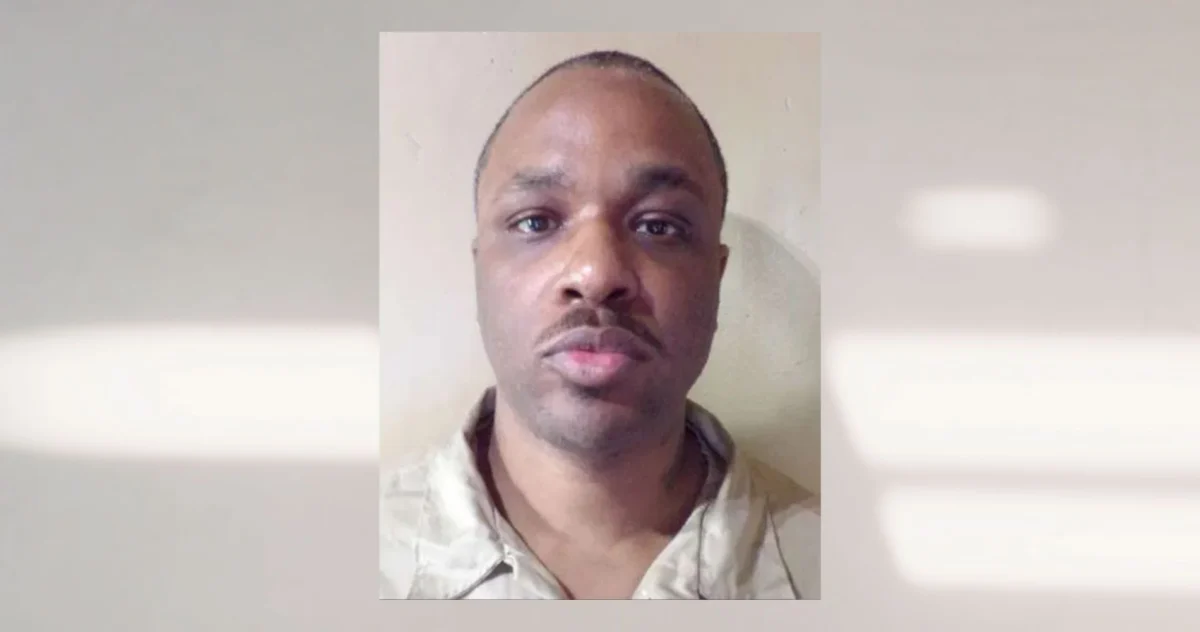
The Supreme Court on Monday declined to review the case of Michael Sockwell, 63, effectively paving the way for him to receive a new trial 36 years after a Montgomery judge sentenced him to death. This pivotal decision affirms the Eleventh Circuit Court of Appeals’ finding that Mr. Sockwell’s constitutional rights were violated during his original 1990 trial due to prosecutors’ racially discriminatory striking of potential jurors, a practice long condemned by federal law. The ruling underscores enduring concerns about racial bias within the criminal justice system and the integrity of jury selection processes, particularly in capital cases.
Chronology of a Protracted Legal Battle
Michael Sockwell’s legal saga originates from the tragic events of 1988, when he was charged in the killing of a Montgomery sheriff’s deputy. Prosecutors alleged the crime was orchestrated by the deputy’s wife, a detail that provided a backdrop to the ensuing legal proceedings but whose complexities were overshadowed by the procedural irregularities that would later come to light regarding jury selection.
In 1990, Mr. Sockwell was brought to trial for capital murder. It was during the critical phase of jury selection that the seeds of constitutional violation were sown. Then-Assistant District Attorney Ellen Brooks, a figure whose prosecutorial conduct would later face intense scrutiny across multiple cases, struck an alarming 80% of the qualified Black prospective jurors in Mr. Sockwell’s trial. This systematic exclusion was not merely statistical; it was punctuated by Ms. Brooks’s own admission that she struck one Black man specifically because he was the "same race, sex, and age" as the defendant. Such a direct acknowledgement of race as a factor in jury exclusion stands in stark contravention of established legal principles designed to ensure fair and impartial juries, as enshrined by the U.S. Supreme Court.
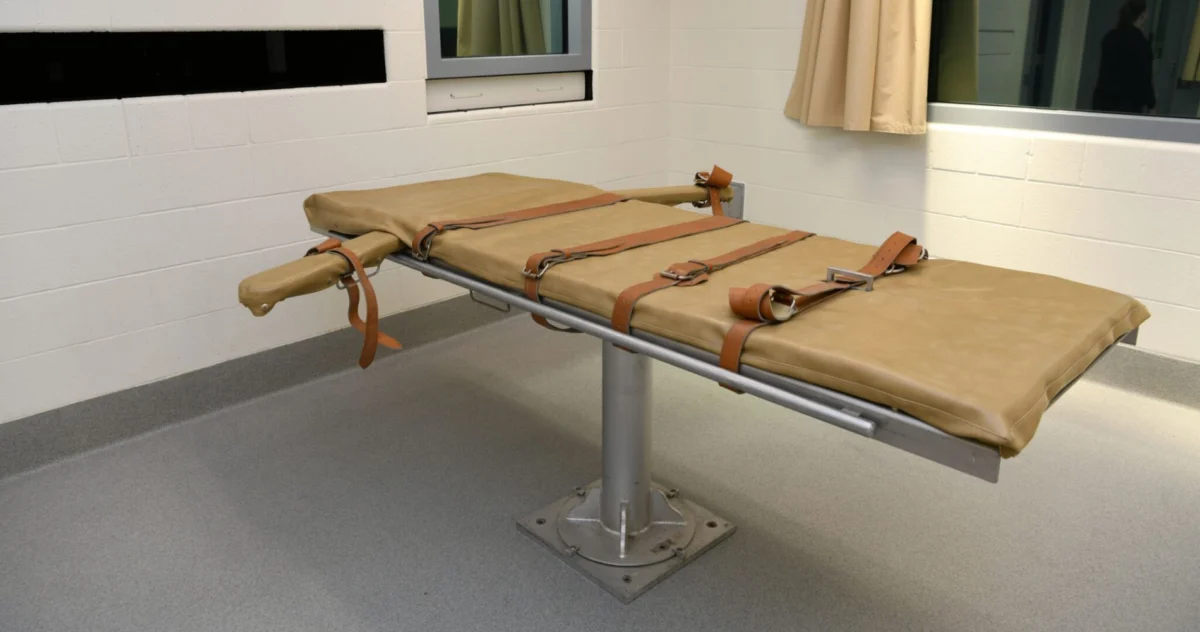
Following his conviction, Mr. Sockwell’s jury deliberated on his sentence. Despite the capital murder conviction, the jury ultimately voted 7-5 to impose a life-without-parole sentence. However, this recommendation was tragically overridden by the trial judge, who instead sentenced Mr. Sockwell to death. This practice, known as "judge override," was a peculiar and controversial feature of Alabama’s capital sentencing scheme. For decades, until Alabama became the last state to eliminate it in 2017, judges in the state routinely disregarded jury verdicts of life imprisonment and imposed the death penalty, a practice that disproportionately affected Black defendants and cases with racial undertones. Mr. Sockwell spent more than three decades on Alabama’s death row, a period marked by persistent appeals and legal challenges against his conviction and sentence.
The long path to Monday’s Supreme Court decision gained significant momentum this past summer when the Eleventh Circuit Court of Appeals intervened. The federal appeals court granted Mr. Sockwell a new trial, concluding that prosecutors had indeed violated his right to a fair trial by illegally striking potential jurors based on their race. This finding was not isolated but rooted in a broader pattern of misconduct. The Eleventh Circuit specifically noted Ellen Brooks’s "significant history of striking jurors in a racially discriminatory manner right before and during Sockwell’s trial in 1990." The court’s review of the record revealed that both of Alabama’s appellate courts had previously identified multiple instances of Brooks striking Black jurors in violation of Batson v. Kentucky, the landmark Supreme Court decision aimed at preventing racial bias in jury selection.
The Eleventh Circuit’s condemnation extended beyond a single prosecutor, acknowledging that Brooks was "not the only culprit within the Montgomery County District Attorney’s office." Bruce Maddox, another prosecutor in the same office, was also cited for engaging in racially discriminatory jury strikes. The court highlighted that Maddox persisted in this practice even after being repeatedly chastised by the Alabama Supreme Court for necessitating costly retrials due to his "whimsical, ad hoc excuses" for striking Black jurors that the court had previously rejected. This documented pattern suggested a systemic issue within the Montgomery County prosecutorial environment rather than isolated incidents.
In November, following the Eleventh Circuit’s ruling, a federal judge issued a directive for prosecutors to formulate plans for a new trial by March 18 or, failing that, to release Mr. Sockwell from prison. The Montgomery County District Attorney’s office, through a spokesperson, has indicated its intent to retry the case, though they have declined further comment on the specifics of their strategy. The Supreme Court’s recent decision to deny review solidifies the Eleventh Circuit’s mandate, marking a critical juncture in Mr. Sockwell’s protracted legal saga and bringing him one step closer to a trial free from the taint of racial discrimination.
The Foundation of Fair Trials: Batson v. Kentucky and the Equal Protection Clause
At the heart of Mr. Sockwell’s successful appeal lies the Supreme Court’s 1986 decision in Batson v. Kentucky. This seminal ruling established a framework for courts to address and remedy racial bias in jury selection, specifically targeting peremptory strikes – the right of attorneys to reject a certain number of potential jurors without stating a reason. Prior to Batson, proving discriminatory intent in jury selection was exceedingly difficult, often requiring evidence of a systemic pattern of exclusion over many cases. Batson lowered this evidentiary bar, allowing defendants to challenge individual peremptory strikes if they could show a prima facie case of racial discrimination. Once such a showing is made, the burden shifts to the prosecutor to provide a race-neutral explanation for the strike. The judge then determines whether the defendant has proven purposeful discrimination.
The Eleventh Circuit’s detailed analysis in Mr. Sockwell’s case directly applied the Batson framework. The court found that Ellen Brooks had indeed struck eight of the ten Black jurors from Mr. Sockwell’s jury pool. Critically, the court meticulously compared the reasons Brooks provided for striking Black jurors with her reasons for not striking white jurors. This comparative juror analysis revealed stark inconsistencies, leading the court to conclude there was a "substantial likelihood of race-based considerations in the exercise of those strikes." For instance, a prosecutor might claim to strike a Black juror for having a relative who was arrested, while allowing a white juror with a similar background to remain on the panel. Such disparities are often tell-tale signs of pretextual, race-based discrimination, serving as thinly veiled excuses for racial bias.
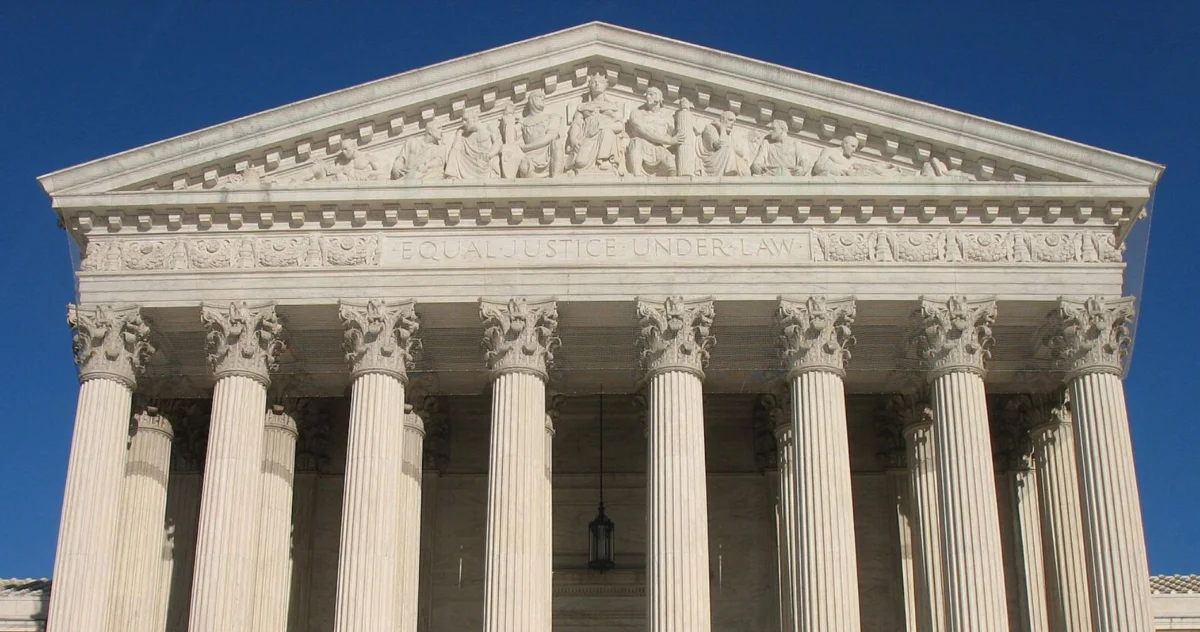
The court explicitly stated that the "overwhelming evidence in this record" demonstrated that the prosecutor’s racially discriminatory strikes violated Mr. Sockwell’s rights under the Equal Protection Clause of the Fourteenth Amendment. This clause guarantees that no state shall "deny to any person within its jurisdiction the equal protection of the laws," a principle that extends to ensuring a jury drawn from a fair cross-section of the community, free from racial exclusion. The Eleventh Circuit’s concluding statement, "Equal justice under law requires a criminal trial free of racial discrimination in the jury selection process," encapsulates the profound constitutional importance of their decision and the bedrock principle of American jurisprudence that was violated in Mr. Sockwell’s original trial.
The Troubling History of Judge Override in Alabama
Mr. Sockwell’s initial death sentence was not solely a result of a racially tainted jury selection process; it was also a product of Alabama’s now-abolished practice of judge override. This unique aspect of Alabama law, formally known as judicial override, allowed a trial judge to impose a death sentence even when a jury had recommended life imprisonment without parole. Alabama was the only state in the nation that permitted this practice, and its application was highly controversial, drawing significant criticism from legal scholars, human rights organizations, and advocates for death penalty reform.
Between 1976 and 2017, when the practice was finally eliminated, Alabama judges overrode jury life verdicts to impose death sentences in 101 cases. Conversely, judges overrode jury death verdicts to impose life sentences in only 10 cases. This stark imbalance highlights how judge override was predominantly used to impose harsher sentences, often against the express will of a jury that had heard all the evidence and weighed the mitigating and aggravating factors. This power allowed judges to act as a "thirteenth juror" with disproportionate authority, undermining the traditional role of the jury in capital sentencing.
The practice was especially problematic in cases involving racial bias. Data collected by organizations like the Equal Justice Initiative (EJI) consistently showed that judge override was disproportionately applied in cases involving Black defendants, particularly when the victim was white. This added another layer of racial disparity to Alabama’s already criticized capital punishment system. For Mr. Sockwell, the jury’s 7-5 vote for life without parole was a clear indication that not all jurors believed the death penalty was warranted. Yet, the judge’s unilateral decision to impose death circumvented the jury’s deliberative process, effectively substituting judicial discretion for collective community conscience. The abolition of judge override in 2017, a legislative response to decades of advocacy and legal challenges, came too late to prevent Mr. Sockwell’s initial death sentence but stands as a testament to the recognized flaws in this practice. The Supreme Court’s upholding of a new trial for Sockwell further highlights the systemic issues prevalent during the era of judge override.
Broader Implications: Racial Justice, Prosecutorial Accountability, and Fair Trials
The Supreme Court’s refusal to hear the State of Alabama’s appeal in Michael Sockwell’s case carries significant implications beyond the individual defendant. It serves as a powerful reaffirmation of the fundamental constitutional right to a jury untainted by racial discrimination and sends a clear message about prosecutorial accountability.
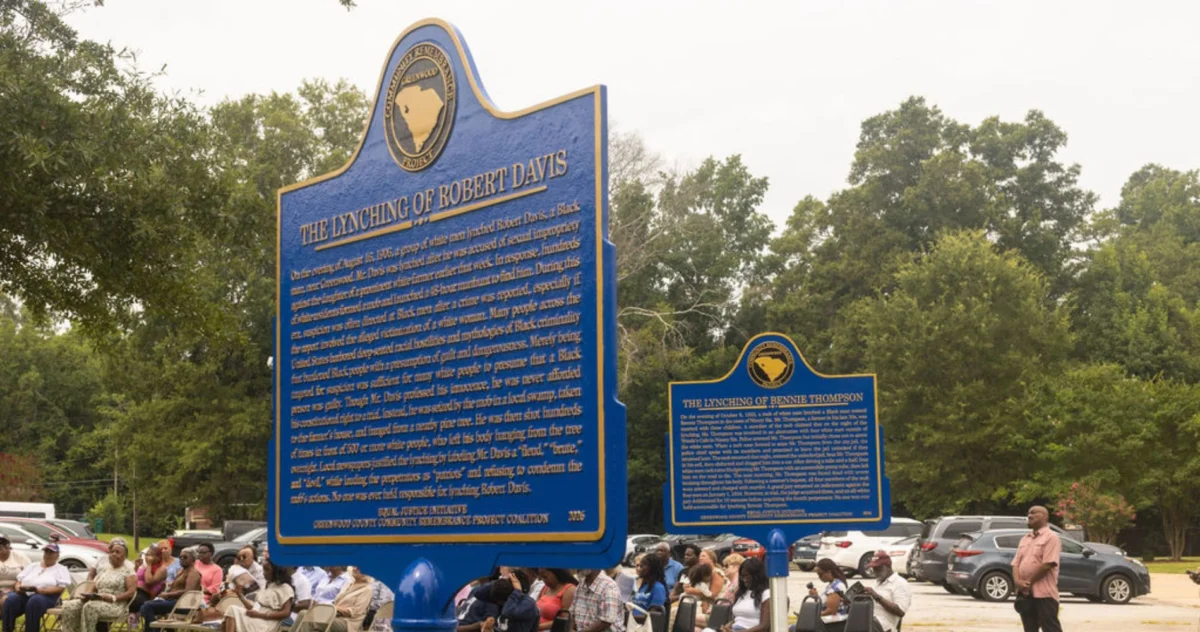
Racial Justice in the Justice System: This ruling underscores the ongoing struggle for racial justice within the American legal system. Despite landmark decisions like Batson, racial bias in jury selection remains a persistent problem, particularly in jurisdictions with histories of racial discrimination. Studies by organizations such as the Equal Justice Initiative and academic researchers have repeatedly documented the systematic exclusion of Black jurors in capital cases across the South. For example, an EJI report on jury discrimination found that in eight Southern states, prosecutors excluded qualified Black citizens from jury service at rates 3.5 times higher than white citizens in capital cases. The Sockwell case provides a stark, decades-long example of how such discrimination can lead to wrongful convictions or unjust sentences. The decision reinforces the judiciary’s role in safeguarding the integrity of jury trials against such prejudice, emphasizing that the promise of equal protection must be actively enforced.
Prosecutorial Accountability: The detailed findings by the Eleventh Circuit regarding Ellen Brooks’s and Bruce Maddox’s repeated Batson violations highlight the critical need for prosecutorial accountability. Prosecutors hold immense power within the criminal justice system, and their ethical obligations include upholding the Constitution and ensuring fair trials. A documented pattern of discriminatory jury strikes, especially after judicial warnings, points to a systemic failure to adhere to these principles. This case serves as a reminder that such misconduct has long-lasting consequences, leading to decades of incarceration, costly appeals, and eroded public trust. The ruling encourages greater scrutiny of prosecutorial practices and potentially stronger mechanisms for holding prosecutors accountable for constitutional violations. It reinforces the notion that the pursuit of conviction must never override the duty to uphold constitutional rights.
The Integrity of the Jury System: The jury system is a cornerstone of American democracy, designed to ensure that justice is administered by a body representative of the community. When jurors are systematically excluded based on race, the legitimacy of verdicts is compromised, and public confidence in the fairness of the justice system is undermined. Mr. Sockwell’s case vividly illustrates how a racially biased jury selection process can infect the entire trial, leading to an unjust outcome that took 36 years to begin to rectify. The Supreme Court’s decision reaffirms that the pursuit of "equal justice under law" demands a jury selection process free from prejudice, reflecting the diverse perspectives of the community it serves.
The Human and Financial Cost of Injustice: The journey of Michael Sockwell from death row to the promise of a new trial has spanned nearly four decades. This immense period represents not only a profound human cost for Mr. Sockwell and his family, who have endured years of uncertainty and suffering, but also a significant financial burden on the state, stemming from years of appeals, legal proceedings, and the operation of death row. The delay in justice and the considerable public resources expended trying to rectify constitutional errors emphasize the critical importance of getting it right the first time and adhering to constitutional principles from the outset.
Official Responses and Forward Path
While the State of Alabama sought Supreme Court review, its petition was ultimately denied, indicating the highest court’s affirmation of the lower federal court’s findings. The Montgomery County District Attorney’s office has publicly stated its intention to retry the case, acknowledging the federal judge’s directive for a new trial plan by March 18 or Mr. Sockwell’s release. This commitment to retry the case means Mr. Sockwell, despite having spent more than half his life incarcerated under a death sentence, will face new legal proceedings where the initial constitutional violations must be avoided.
For Mr. Sockwell’s legal team and advocates, the Supreme Court’s decision represents a monumental victory and a testament to their unwavering commitment to justice. While no official statements have been released immediately following the Supreme Court’s decision, it is logical to infer that his legal counsel would express profound relief and determination to ensure a truly fair process moving forward, free from the systemic biases that marred his original trial. Civil rights organizations and legal experts who have long championed reforms in the death penalty and jury selection are likely to view this as a crucial step towards dismantling systemic racial biases, particularly in states with a history of such issues. The case will undoubtedly be cited as a significant precedent in future challenges to racially motivated jury strikes, reinforcing the imperative for all parties in the criminal justice system to uphold constitutional guarantees.
As Michael Sockwell prepares for a new chapter in his decades-long legal battle, his case serves as a stark reminder of the enduring legacy of racial discrimination in the American South’s justice system and the persistent efforts required to achieve true equal protection under the law. The path ahead remains challenging, but for the first time in 36 years, Mr. Sockwell will have the opportunity to face a jury selected in accordance with the Constitution, free from the racial bias that marred his original conviction and death sentence.