February 23, 2026
Since the full-scale war erupted in Ukraine in February 2022, the nation has faced an unprecedented humanitarian crisis, forcing an estimated 5.6 million Ukrainians to seek refuge abroad and displacing an additional 3.7 million within the country’s borders. The relentless drone strikes and volatile frontlines have plunged millions into poverty, leaving them in precarious living conditions. Despite immense trauma, the Ukrainian people have demonstrated remarkable resilience in the face of widespread devastation.
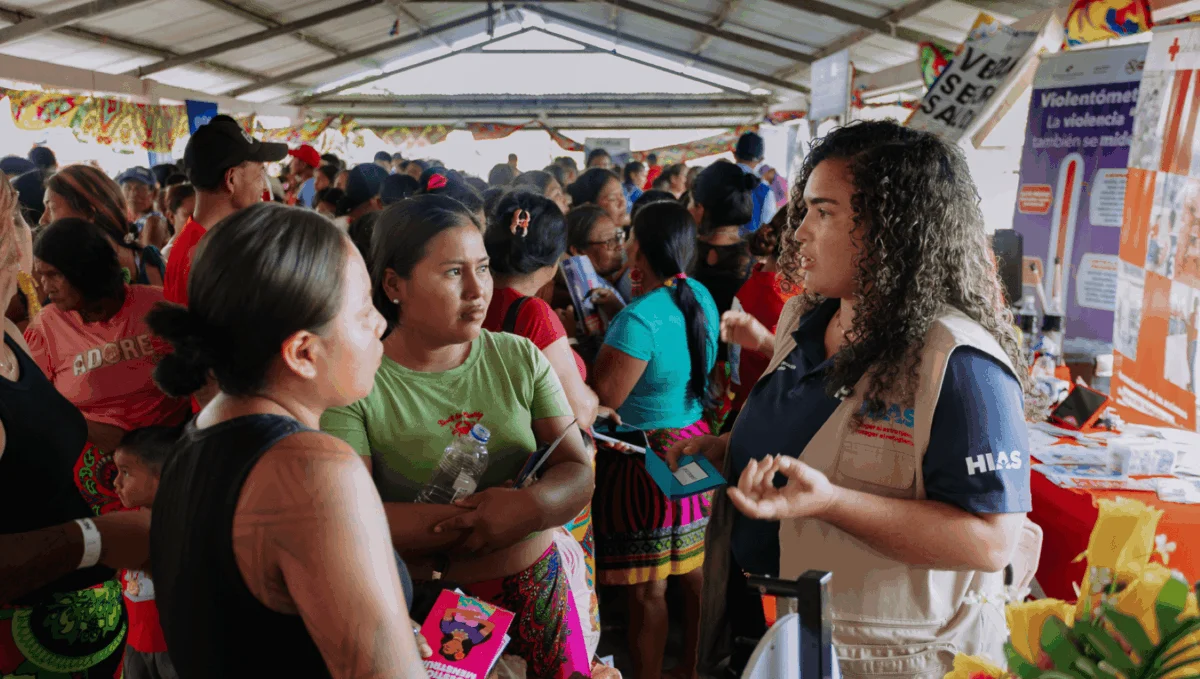
HIAS, an organization dedicated to assisting refugees and displaced persons, has been a steadfast presence, supporting hundreds of thousands of internally displaced Ukrainians and refugees across Europe, Israel, and the United States. Their multifaceted aid includes emergency provisions such as cash assistance, housing support, and essential hygiene kits. Beyond immediate relief, HIAS is deeply involved in ongoing recovery efforts, offering critical mental health care, economic empowerment programs, and robust protection services. Furthermore, HIAS has actively engaged Jewish communities globally to foster a welcoming environment for Ukrainian refugees and to advocate for their fundamental rights.
The organization’s operational capacity in the region has been indirectly affected by previous policy shifts regarding humanitarian aid. However, HIAS remains committed to supporting displaced Ukrainians through its network of local partners situated near the conflict zones. With crucial funding from the German Federal Foreign Office (GFFO), HIAS Europe and its on-the-ground collaborators are significantly enhancing access to vital services. These include individualized and group counseling, art therapy, economic assistance, violence prevention initiatives, legal support, trauma interventions, and the provision of basic necessities. The collective efforts of HIAS and its partners are focused on enabling displaced Ukrainians to find safety, heal from the profound effects of war, and embark on the challenging journey of rebuilding their lives. The following narratives offer a glimpse into the lives of those being supported.
A Chronology of Displacement and Resilience
The full-scale invasion of Ukraine by Russia on February 24, 2022, marked a catastrophic turning point, triggering a humanitarian crisis of immense scale. The initial weeks saw a rapid exodus of millions seeking safety in neighboring countries, primarily Poland, Romania, Hungary, Slovakia, and Moldova. Internally, cities like Kyiv, Kharkiv, and Mariupol became epicenters of destruction and displacement, forcing residents to flee their homes in search of security within Ukraine.
By late 2022 and into 2023, the conflict had evolved, with persistent missile and drone attacks targeting civilian infrastructure and residential areas across the country, even in regions far from the frontlines. This sustained assault further exacerbated the displacement crisis, pushing more people into poverty and necessitating a greater focus on long-term support and recovery.
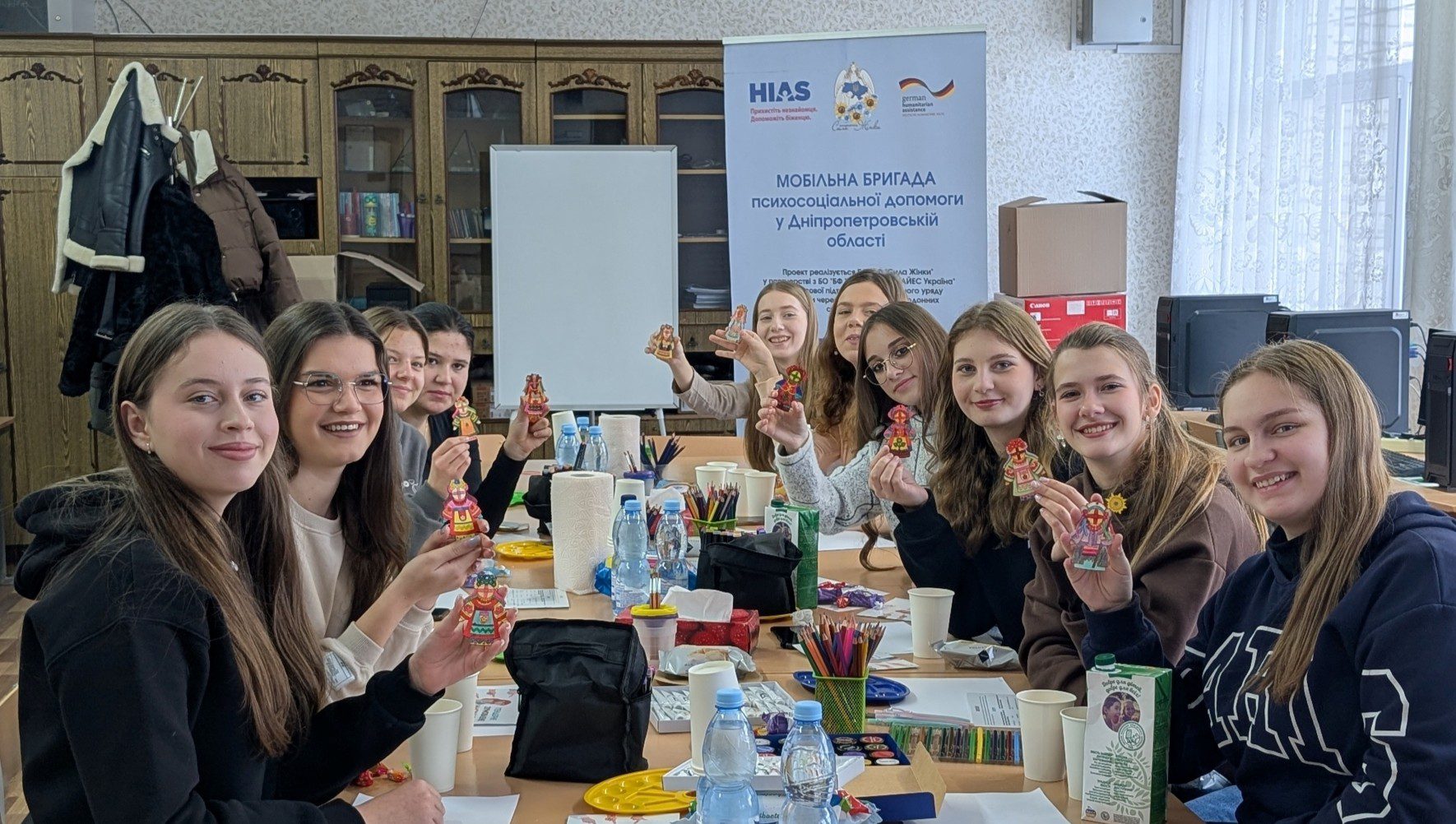
2024 and 2025 have seen a shift towards sustained humanitarian aid and rebuilding efforts. Organizations like HIAS, with the support of international donors such as the German Federal Foreign Office, have intensified their focus on providing specialized services, including mental health support, legal aid, and economic empowerment programs, recognizing the long-term psychological and material needs of the affected population. The ongoing nature of the conflict, however, continues to present significant challenges, with new waves of displacement occurring as frontlines shift and infrastructure is damaged.
Personal Stories of Hope and Recovery
Inna and Zhanna: Stitching Hope Back Together
Inna and Zhanna, sisters hailing from the southern city of Kherson, have consistently faced life’s adversities side-by-side. Their journey with the Kherson Regional Center "Successful Woman" (SW) safe space, a project supported by the GFFO and implemented with HIAS’s assistance, began as a search for a brief respite. They sought a quiet place to recharge their devices, find a moment of calm, and connect with individuals who understood their shared experiences.
What started as a temporary refuge soon evolved into a vital hub for recovery and personal growth. The sisters actively participated in group activities, completed a comprehensive mental health care course, and regularly engaged in support groups. Their dedication was further evident when they enrolled in a sewing and tailoring course, driven by a shared vision of establishing their own small sewing studio. They approached each session with unwavering commitment, motivating each other and envisioning a future built on their shared craft.
However, their aspirations were once again shattered when shelling impacted their neighborhood, destroying their home and possessions in an instant. Like many from Kherson, they were forced to evacuate with minimal belongings, arriving at the safe space in distress. Despite this profound loss, the "Successful Woman" project provided Inna and Zhanna with essential tools – a sewing machine and an overlock – to reignite their entrepreneurial dreams. Today, Inna has already completed her first garment and is accepting small orders, demonstrating the tangible impact of this support. Step by step, the sisters are rebuilding their lives, meticulously stitching hope back into their future.
Lidiya: Finding Solace Through Art and Community
Lidiya, a 77-year-old resident of Kharkiv, recalls the harrowing first day of the war. She was in a hospital with her granddaughter when the city was engulfed by the sounds of sirens, ambulances, and fire trucks. Her daughter-in-law facilitated their evacuation that same day. While her village was spared from large-scale destruction, nearby explosions served as a constant reminder of the ongoing conflict.
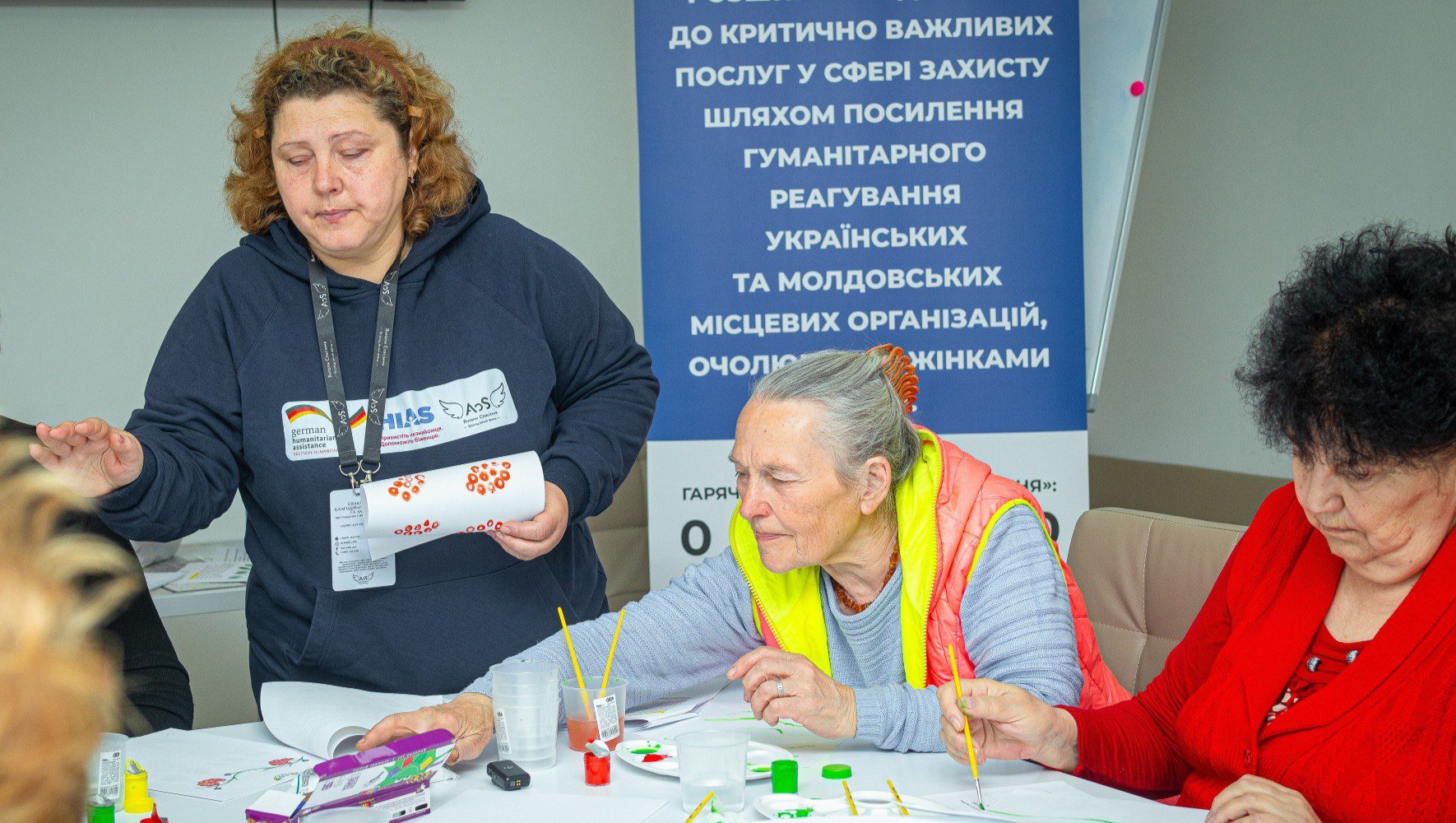
Since early 2023, Lidiya has been an active participant in the training sessions conducted by the "Angels of Salvation" mobile teams. This initiative, funded by the GFFO and implemented with HIAS’s support, dispatches teams across the Kharkiv region to deliver crucial mental health support. These sessions are designed to help displaced Ukrainians manage stress, process trauma, and bolster their emotional well-being amidst the war.
Lidiya describes these sessions as "a breath of fresh air," instrumental in restoring her emotional equilibrium and fostering connections with her community members. "You come in feeling like a hedgehog curled into a ball, but after the sessions you calm down," she shared, illustrating the profound impact of the therapeutic environment. Participants are encouraged to engage in reflection, share their experiences, and utilize creative outlets such as drawing, writing, and poetry as therapeutic tools. Inspired by these activities, Lidiya has rediscovered her passion for poetry, a cherished pastime from her youth.
Crucially, these sessions reinforce the understanding that individuals are not alone in their struggles. They provide opportunities for learning, creative expression, and meaningful dialogue, which are particularly vital for older adults who often face limited access to mental health services. "Life goes on. We’ve learned to be strong. But it’s very important not to be strong alone," Lidiya emphasized, highlighting the communal aspect of resilience.
Sofia: Empowering Young Voices for a Safer Future
Fifteen-year-old Sofia emerged from a violence prevention training with a newfound sense of clarity and self-assurance. The workshop, facilitated by "Power of a Woman" (PoW) and supported by the GFFO and HIAS, illuminated issues she had previously only partially grasped. Sofia recognized the prevalence of harassment, online abuse, and unhealthy relationships among girls her age. She also understood how stereotypes are perpetuated across generations. Her aspiration is for a world where personal boundaries are universally respected and where girls grow up with the same rights and opportunities as boys, empowered to make their own choices without shame.
During the training, PoW facilitators provided comprehensive explanations of various forms of violence, emphasizing the critical importance of personal boundaries and consent – both physical and emotional. They also offered practical guidance on how to respond safely and seek assistance. Sofia raised a pertinent question about self-worth and the impact of gossip and bullying. In response, the team’s psychologist employed a powerful demonstration: crumpling and stepping on a 200-hryvnia bill, she asked if its value had diminished. "No matter what happens to it, its worth remains the same," the psychologist stated. Sofia reflected on this lesson, declaring, "I will remember this example for the rest of my life… What matters is knowing who you are and valuing yourself." PoW continues its mission to equip young people like Sofia with the knowledge and skills to identify, prevent, and challenge violence.
*Anna: Finding Dignity and Support in Vulnerable Circumstances**
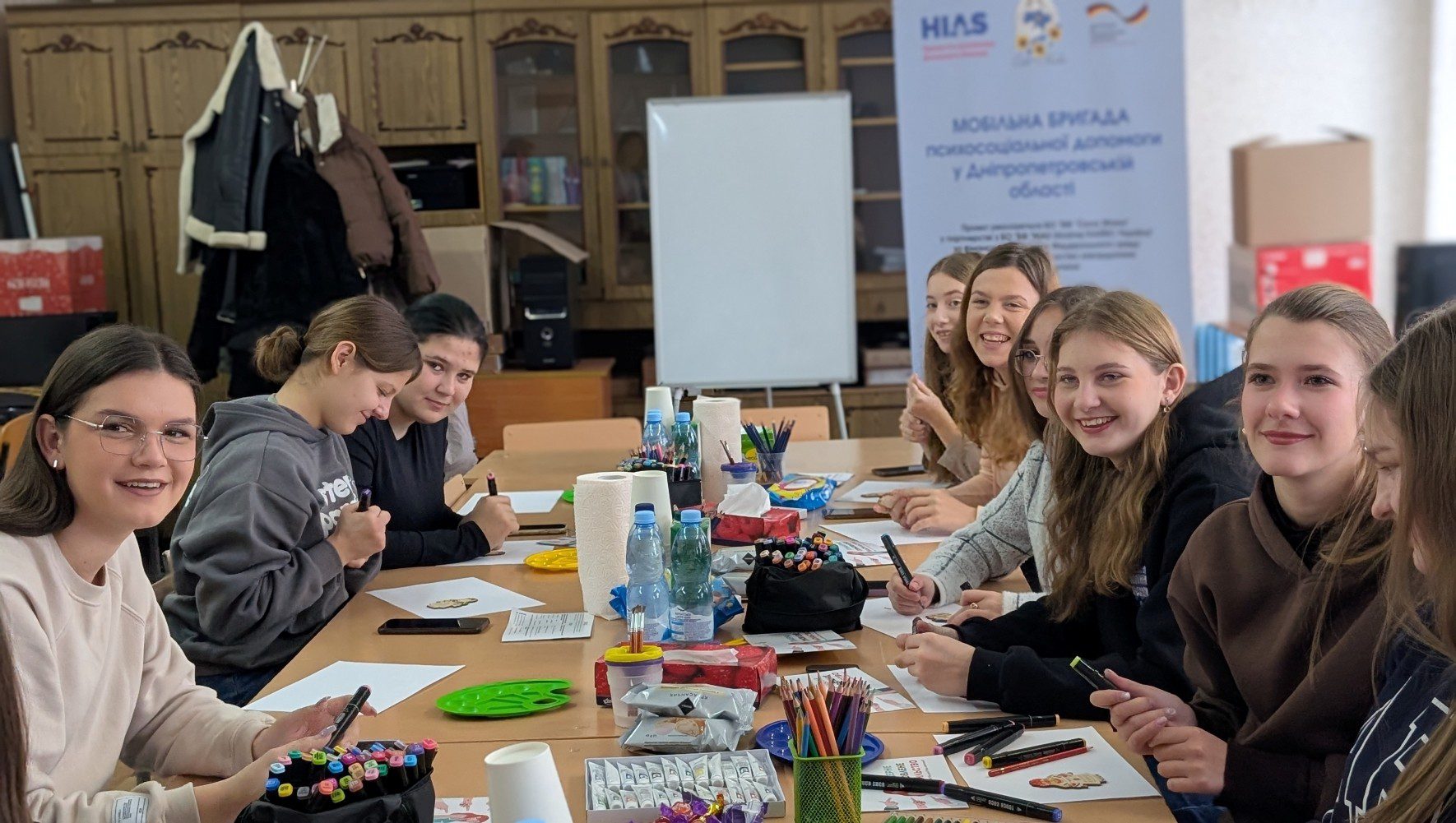
Anna*, a 40-year-old mother of three from the Roma community, has navigated a life marked by significant challenges. Her educational opportunities were limited, and she is unable to read or write. Prior to the war, she relied on seasonal agricultural work, but many of these opportunities evaporated as businesses relocated. The lack of formal education has further compounded her difficulties in securing employment, leaving her family in a precarious financial situation, often struggling to afford basic necessities.
"Power of a Woman" (PoW), with funding from the GFFO and implementation support from HIAS, has provided Anna with essential supplies and access to critical training on violence prevention and response. "We face violence every day without even realizing it," Anna observed. The dignity kit she received was more than a gesture of care; it significantly improved her access to hygiene products and enhanced her living conditions. Through PoW’s awareness sessions, she gained a deeper understanding of various forms of violence and learned actionable steps to take when she or others encounter such situations. "I felt cared for. We are usually ignored, and no one ever asks if we need support," Anna shared. "We felt that we are not alone, that someone truly cares about us." Her name has been changed for her safety.
Supporting Community Mental Health and Well-being
The ongoing conflict in Ukraine has had a profound and pervasive impact on the mental health of its population. Reports indicate a significant increase in anxiety, depression, post-traumatic stress disorder (PTSD), and other psychological distress among both civilians and those directly exposed to combat. Vulnerable groups, including children, the elderly, and marginalized communities, are disproportionately affected.
HIAS and its partners, such as "Angels of Salvation" and "Power of a Woman," are addressing this critical need through a range of interventions. Art therapy, as experienced by Lidiya, provides a non-verbal outlet for processing trauma and fostering emotional expression. Group counseling and support groups, which Inna and Zhanna benefited from, create a sense of community and shared experience, reducing feelings of isolation. Violence prevention workshops, like the one Sofia attended, not only equip individuals with knowledge and coping mechanisms but also empower them to advocate for their safety and well-being.
The psychological implications of prolonged conflict extend beyond immediate trauma. The disruption of social structures, loss of livelihoods, and uncertainty about the future contribute to chronic stress and can hinder long-term recovery. Therefore, the sustained provision of mental health services, alongside economic and social support, is crucial for enabling individuals and communities to rebuild their lives and foster resilience.
Analysis of Broader Implications
The sustained humanitarian response in Ukraine, bolstered by international funding and the dedication of organizations like HIAS and their local partners, highlights the critical role of coordinated efforts in addressing protracted crises. The German Federal Foreign Office’s significant contribution underscores the commitment of European nations to supporting Ukraine’s recovery and the well-being of its displaced population.
The GFFO’s funding mechanism, channeled through HIAS Europe and implemented by local partners, exemplifies an effective model for delivering targeted aid directly to those most in need, even in challenging operational environments. This approach ensures that assistance is culturally sensitive and responsive to the specific needs of the affected communities.
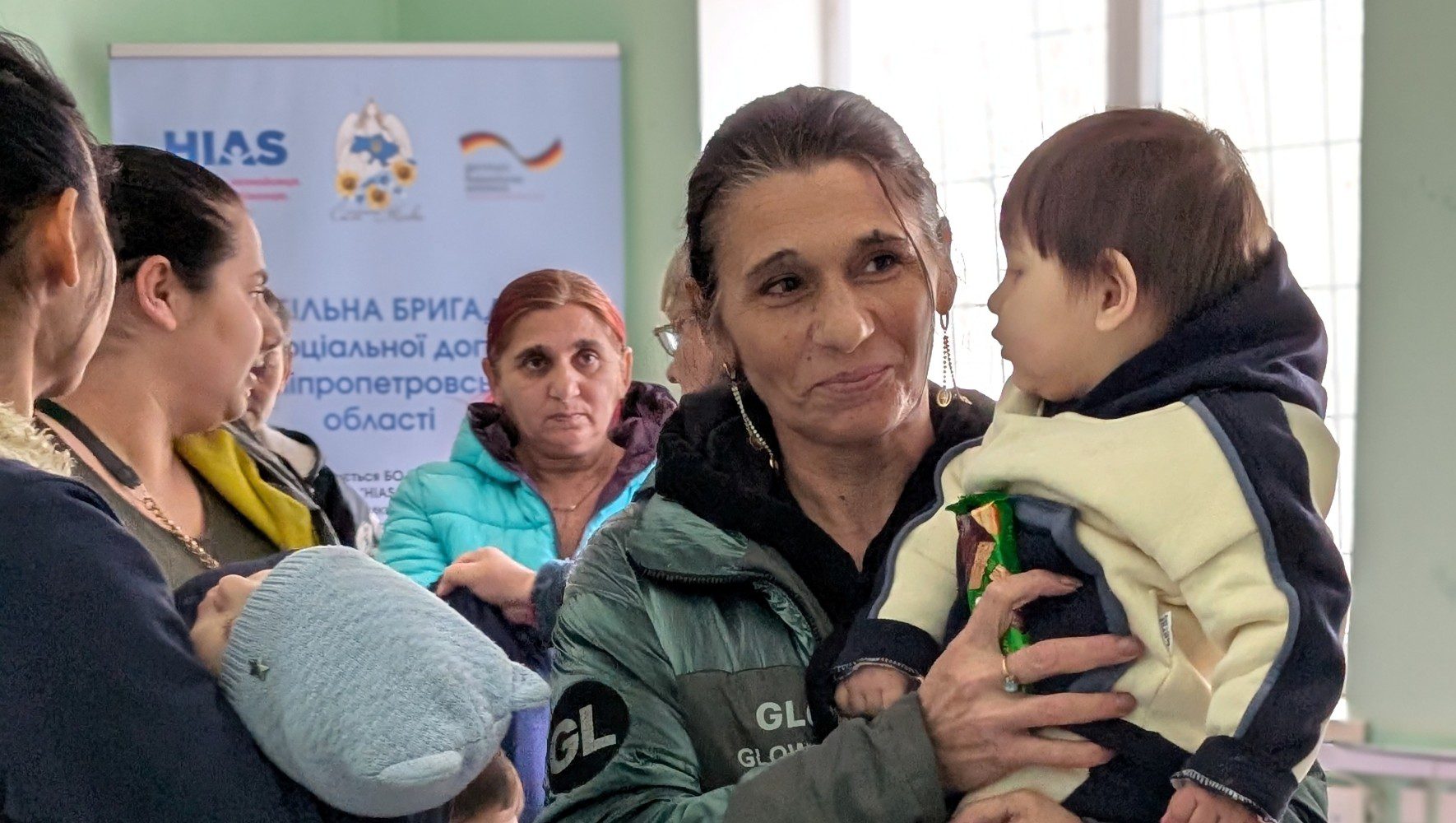
The emphasis on multifaceted support, encompassing immediate relief, mental health care, economic empowerment, and protection services, reflects a growing understanding that long-term recovery requires addressing the holistic needs of displaced populations. The stories of Inna, Zhanna, Lidiya, Sofia, and Anna demonstrate the transformative impact of such comprehensive assistance, enabling individuals to not only survive but also to begin rebuilding their lives with dignity and hope.
The ongoing challenges, including the sheer scale of displacement, the persistent threat of violence, and the economic repercussions of the war, necessitate continued international engagement and support. The resilience of the Ukrainian people, coupled with the unwavering commitment of humanitarian organizations and their donors, offers a powerful testament to the enduring human spirit in the face of adversity. The long-term implications of this crisis will undoubtedly shape Ukraine’s future for years to come, emphasizing the importance of sustained investment in humanitarian aid and recovery efforts.
Your support matters. Your donation will empower HIAS to provide life-saving humanitarian assistance to refugees and displaced people where and when it’s needed most.