The landscape of Puerto Rican letters is undergoing a significant transformation as a diverse cohort of Queer Boricua writers redefines the parameters of national identity through a lens that encompasses both the archipelago and its sprawling diaspora. This literary movement, characterized by its refusal to adhere to a singular narrative, explores the intersections of colonialism, migration, gender identity, and socioeconomic status. Far from being a recent phenomenon, the exploration of queerness within the Puerto Rican context is increasingly recognized by scholars and critics as an ancestral and migratory reality that has finally found a robust platform in mainstream and independent publishing. These narratives traverse various geographies—from the rooftops of Brooklyn and the suburbs of Orlando to the humid streets of San Juan—while negotiating the complexities of Catholicism, espiritismo, and the concept of the "chosen family."
The Historical Context of the Boricua Literary Tradition
To understand the current surge in Queer Boricua literature, one must examine the historical trajectory of Puerto Rican writing. For much of the 20th century, the dominant literary canon was shaped by the "Generation of the 30s" and later the Nuyorican Movement of the 1960s and 70s. While these movements were essential in establishing a Puerto Rican identity in the face of U.S. colonial influence, they often prioritized nationalist and patriarchal narratives. The Nuyorican Movement, centered in New York City, focused heavily on the struggles of the diaspora, systemic racism, and urban poverty, yet it frequently sidelined queer voices.
The shift toward a more inclusive canon began to gain momentum in the late 20th century, influenced by the broader LGBTQ+ rights movement and the rise of Third World Feminism. Writers began to challenge the "great granary" myth of a homogenous Puerto Rican culture, instead highlighting the internal fractures and diverse realities of the population. This evolution has led to a contemporary era where "Boricua Queerness" is not merely a subgenre but a central pillar of the island’s intellectual and artistic output.
Statistical Landscape of Latinx and LGBTQ+ Representation
Despite the critical acclaim of many Queer Boricua authors, industry data reveals ongoing challenges in representation within the broader publishing world. According to the 2023 "Diversity in Publishing" study conducted by Lee & Low Books, the industry remains 72% white, with Latinx individuals making up only 8% of the workforce in editorial and executive roles. Furthermore, data from the Cooperative Children’s Book Center (CCBC) indicates that while books by and about Latinx characters have seen a gradual increase over the last decade, they still represent a fraction of the total output compared to the demographic’s size in the United States.
However, the "Queer Boricua" segment has shown remarkable resilience. The success of authors like Justin Torres and Gabby Rivera indicates a growing appetite for intersectional stories. Market analysis suggests that independent presses and zine culture have played a crucial role in nurturing these voices before they reach major imprints. This "indie-to-mainstream" pipeline has been essential for stories that refuse "respectability politics" and instead focus on the raw, often uncomfortable realities of queer life in the diaspora.
Analysis of Key Contemporary Works and Authors
The current movement is anchored by several pivotal works that span genres, from memoir and literary fiction to Young Adult (YA) and speculative fantasy. Each of these texts contributes to a broader understanding of the "embodied and complicated" nature of Puerto Rican identity.
Memoirs of Mobility and Survival
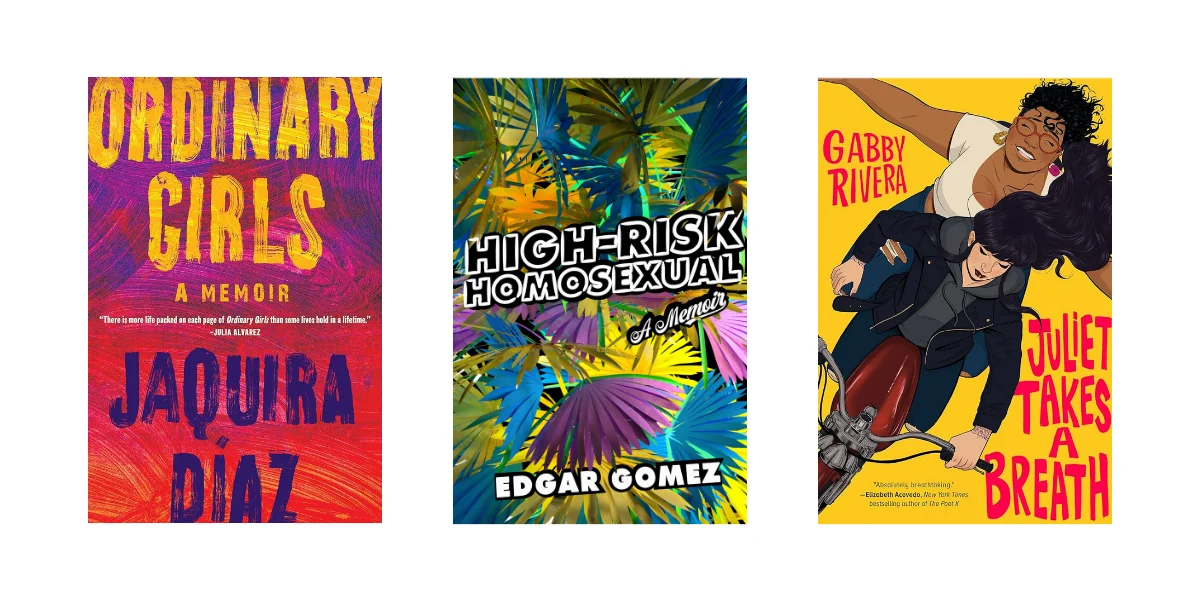
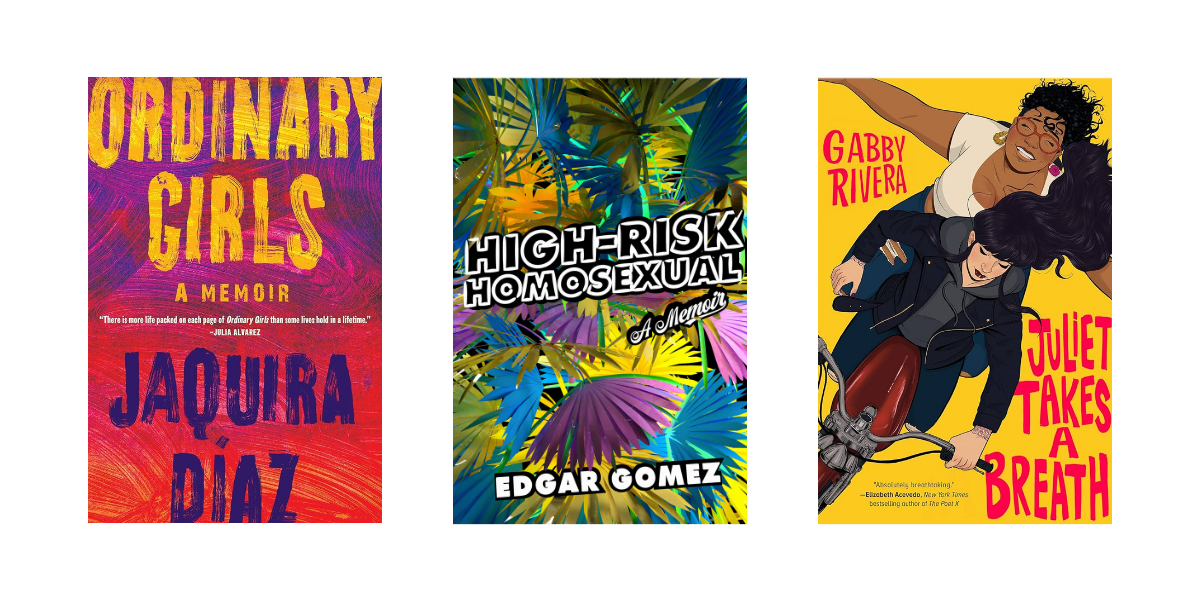
Edgar Gomez’s High-Risk Homosexual represents a significant contribution to the queer memoir genre. Gomez’s essays navigate the geographical and social shifts between Orlando, Brooklyn, and Puerto Rico. The work is noted for its sharp analysis of class mobility and the digital realities of modern queer life, including the impact of platforms like Grindr and the medical-social implications of PrEP. Gomez’s writing exemplifies the "negotiation of belonging" that defines the diasporic experience.

Similarly, Jaquira Díaz’s Ordinary Girls provides a harrowing yet lyrical account of girlhood, violence, and queerness. Set between the housing projects of Puerto Rico and the streets of Miami, Díaz’s memoir rejects traditional narratives of "upward mobility," focusing instead on the persistence of desire and the struggle for autonomy amid poverty and incarceration. Her follow-up work, This Is the Only Kingdom, continues this exploration, solidifying her role as a leading voice in contemporary queer letters.
Reshaping Young Adult and Speculative Fiction
The influence of Queer Boricua voices is perhaps most visible in the realm of Young Adult literature. Gabby Rivera’s Juliet Takes a Breath has become a foundational text for queer-of-color self-definition. By placing a Bronx-born Puerto Rican protagonist in the predominantly white feminist spaces of Portland, Oregon, Rivera exposes the limitations of mainstream feminism while celebrating the "messy" process of coming out.
In the speculative genre, Daniel José Older’s Shadowshaper series utilizes urban fantasy to explore cultural inheritance and the Afro-Latina experience in Brooklyn. While Older’s work reaches a broad audience, it remains deeply rooted in a Boricua lens, addressing themes of gentrification and the commodification of ancestral traditions. These works demonstrate that queer and diasporic identities are fertile ground for reimagining the boundaries of reality and magic.
Transgender Narratives and the Erotics of Survival
Mayra Santos-Febres’s Sirena Selena remains a landmark novel in the exploration of trans identity and performance. By following a young drag performer from the streets of San Juan to the Dominican Republic, Santos-Febres examines the "colonial economies" of the Caribbean and the way the body becomes a site of both exploitation and liberation. The novel’s focus on the "erotic charge of survival" provides a necessary counter-narrative to more sanitized versions of the queer experience.

In literary fiction, Justin Torres’s We the Animals offers a fragmented, visceral look at masculinity and queerness within a mixed-race family. Torres’s recent accolades, including the 2023 National Book Award for Fiction for his subsequent novel Blackouts, underscore the critical institutional recognition now being afforded to Queer Boricua writers who experiment with form and history.
Socio-Political Implications and the Impact of Crisis
The rise of this literary movement cannot be separated from the socio-political crises that have defined Puerto Rico over the last decade. The imposition of the PROMESA law in 2016, the devastation of Hurricane Maria in 2017, and the "Summer of ’19" protests (which led to the resignation of Governor Ricardo Rosselló) have all served as catalysts for creative expression.
During the 2019 protests, queer and trans activists were at the forefront of the movement, demanding an end to systemic corruption and gender-based violence. This political engagement is reflected in the literature, which often serves as a form of "defiant commentary" on the island’s colonial status. Writers are increasingly using their platforms to challenge the "archival silence" surrounding queer Puerto Rican history, asserting that their presence is not a modern anomaly but an ancestral constant.
Institutional Responses and Academic Interest
The academic world has responded to this literary surge with increased rigor. Departments of Latinx Studies and Gender Studies across the United States and Puerto Rico are incorporating these texts into their core curricula. Scholars argue that Queer Boricua literature provides a unique framework for understanding "decolonial queerness"—a way of being that rejects both Western heteronormativity and the specific forms of machismo rooted in colonial history.

Literary festivals and awards have also begun to adjust their focus. Organizations like Lambda Literary and the Publishing Triangle have seen a rise in nominations for Puerto Rican authors, while island-based events like the Festival de la Palabra have increasingly prioritized LGBTQ+ panels. This institutional shift is vital for ensuring the longevity of these voices and providing the financial support necessary for writers to continue their work.
Broader Impact and the Future of the Canon
The broader impact of Queer Boricua literature extends beyond the literary world. For many in the community, these books offer a sense of "coming home" and a naming of identities that have historically been marginalized. The intersectional nature of these works—addressing Afro-Latinidad, disability, and survivorhood—ensures that they resonate with a wide array of readers who see their own complexities reflected in print for the first time.
As the canon continues to grow through indie presses, zines, and self-published memoirs, it remains clear that Boricua Queerness is a permanent and evolving fixture of the global literary landscape. The ongoing dialogue between island-based writers and those in the diaspora ensures a dynamic exchange of ideas that honors the complexity of Puerto Rican identity. In a world that often seeks to simplify or erase the experiences of queer people of color, this body of work stands as a testament to the richness of a heritage that is as resilient as it is diverse. The future of Queer Boricua literature suggests a continued trajectory of risk-taking, historical reclamation, and the persistent honoring of roots that span oceans and generations.