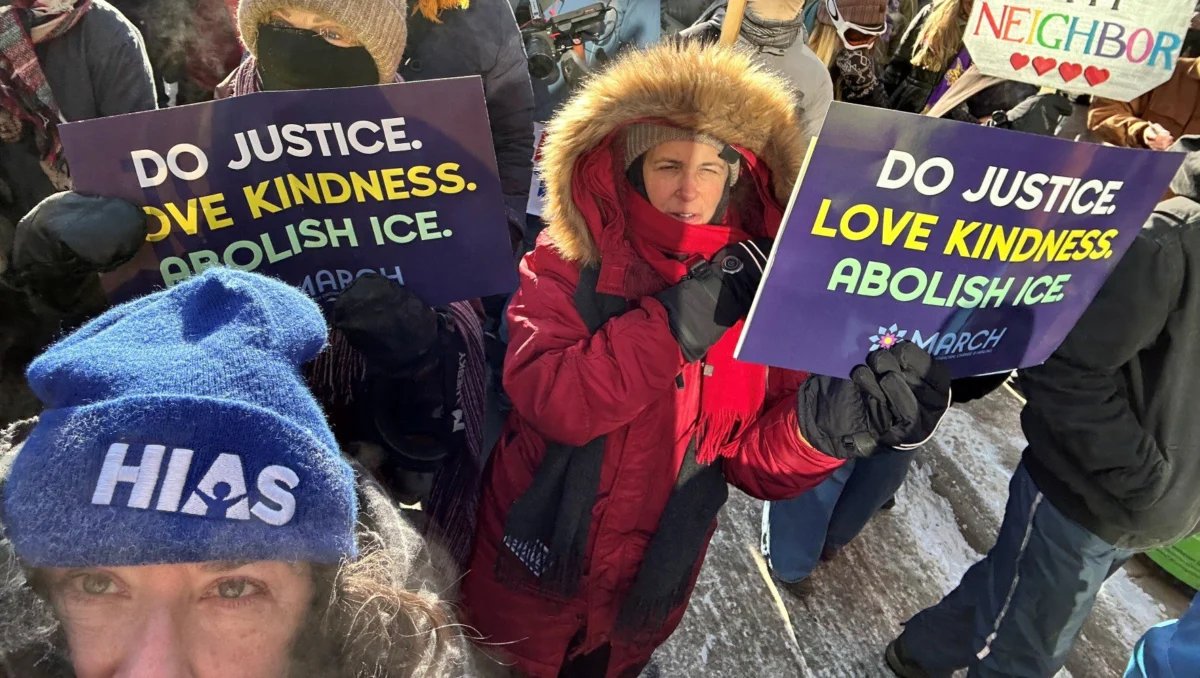
The United States has witnessed a significant escalation in immigration enforcement actions over the past year, characterized by aggressive raids and operations led by U.S. Immigration and Customs Enforcement (ICE) and U.S. Customs and Border Protection (CBP). These intensified efforts have instilled widespread fear within immigrant communities, impacting individuals who have long been integral parts of American society. The operations, occurring in diverse settings ranging from public streets and private homes to educational institutions, places of worship, and workplaces, have raised profound concerns about safety and civil liberties. The tragic loss of life during these enforcement actions, including the deaths of Renee Good and Alex Pretti at the hands of ICE and CBP officers, underscores the gravity of the situation and has prompted widespread condemnation.
The surge in activity by ICE and CBP is reportedly driven by a directive from Deputy White House Chief of Staff Stephen Miller and Department of Homeland Security (DHS) Secretary Kristi Noem. This directive aims to increase daily arrests of immigrants, with reports indicating a target of up to 3,000 individuals per day. This ambitious goal has contributed to a climate of pervasive anxiety among immigrant populations, as the enforcement actions have not exclusively targeted individuals with criminal convictions, contrary to initial promises. Instead, many apprehended individuals are reportedly those who pose no threat to public safety and significantly contribute to the economic and social vitality of their communities.
This heightened enforcement posture is further enabled by substantial congressional appropriations. In the previous fiscal year, the Department of Homeland Security received an unprecedented $170 billion, a significant portion of which was allocated to immigration enforcement, thereby bolstering the capacity to target, detain, and deport immigrants nationwide. As discussions continue regarding further funding for ICE and CBP, advocacy groups are actively campaigning to influence legislative decisions. As of the current writing, no new federal funding has been allocated to the DHS specifically for immigration enforcement operations in the current fiscal year, a development attributed in part to sustained advocacy pressure.
Understanding the Roles of ICE and CBP
Immigration and Customs Enforcement (ICE):
ICE, operating under the Department of Homeland Security, is the primary federal agency tasked with enforcing U.S. immigration laws within the interior of the country. Its mandate includes the apprehension, detention, and deportation of non-citizens. ICE deportation officers are at the forefront of these interior enforcement operations. The agency employs over 22,000 law enforcement and support personnel and manages a vast network of over 200 detention facilities, many of which are operated through private contracts. The passage of the "One Big Beautiful Bill Act" last year is cited as a catalyst for a significant expansion in ICE’s operational capacity, leading to an increase in deportation officers and detention facilities, thereby accelerating the pace of nationwide raids.
Customs and Border Protection (CBP):
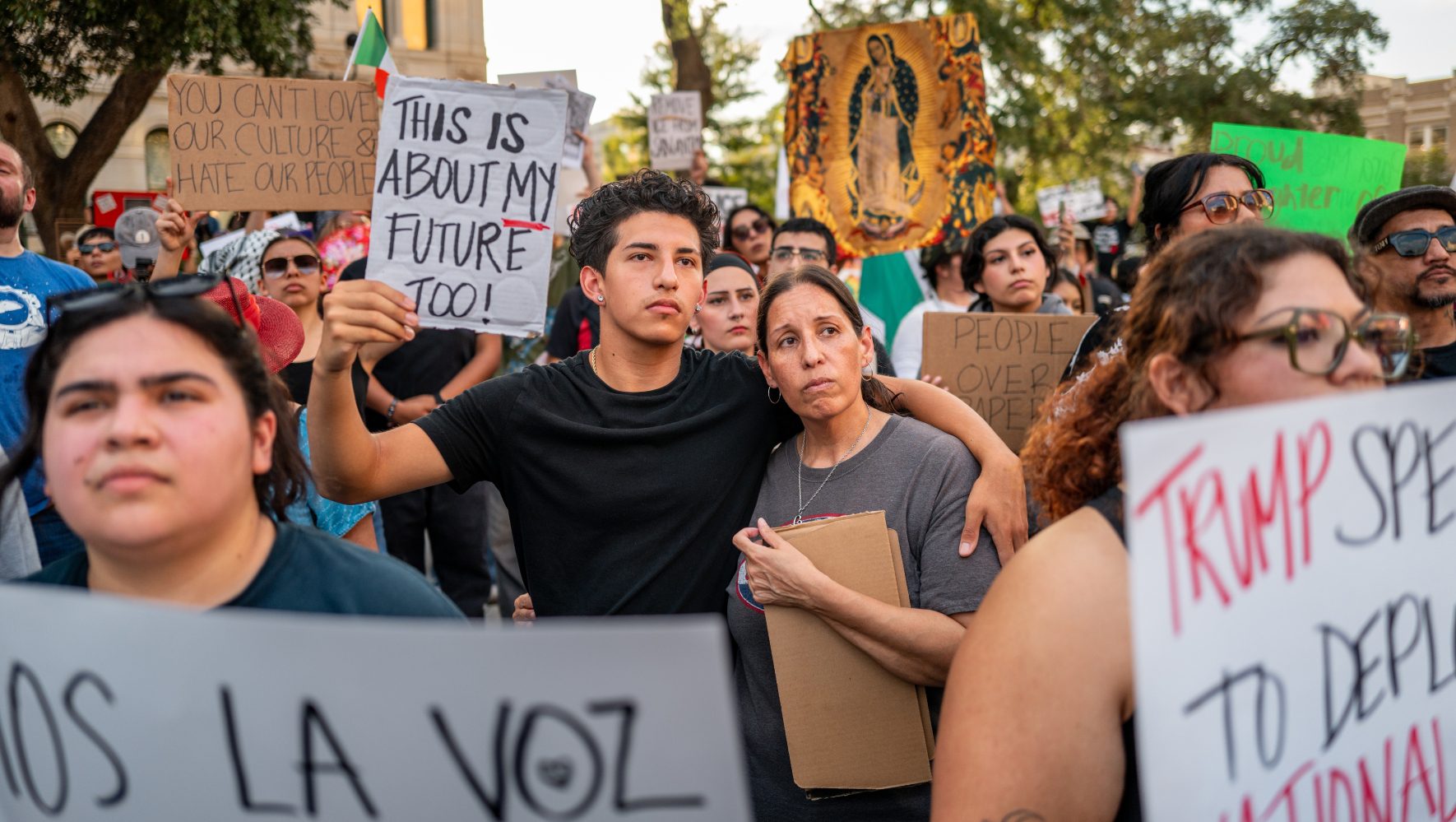
CBP, also a component of the DHS, is primarily responsible for border security. CBP officers possess broad authority to inspect, question, and search individuals and their belongings at all U.S. ports of entry. Historically, CBP’s operational scope was generally confined to areas within 100 miles of the U.S. border or any port of entry. However, recent years have seen an expansion of CBP’s role, with officers increasingly engaged in what are described as "roving patrols" throughout the country. This expansion of authority allows both CBP and ICE to interrogate individuals suspected of being non-citizens and to conduct warrantless arrests anywhere in the United States, regardless of proximity to a border. The killing of Alex Pretti in Minneapolis by CBP officers highlights the extended reach and potential consequences of these broadened enforcement activities, particularly as Pretti was reportedly a U.S. citizen who intervened in an incident involving another protester.
A Shifting Enforcement Landscape Under the Trump Administration
The period since President Trump assumed office has been marked by a dramatic increase in immigration enforcement activities, significantly altering the operational tempo and scope of ICE and CBP. Currently, ICE custody holds approximately 73,000 immigrants, representing a record high and an 84% increase compared to January 2025. A critical statistic revealing the nature of these apprehensions is that over 70% of individuals in ICE custody have no criminal record. Furthermore, 95% have never been convicted of a violent crime, which directly contradicts the administration’s stated objective of focusing enforcement on individuals with criminal histories. This data suggests a broader net is being cast in apprehension efforts than was initially communicated.
The human toll of these intensified enforcement policies is stark. The year 2025 marked the deadliest year for ICE custody in over two decades, with 32 reported deaths. The concerning trend has continued into 2026, with six individuals having died in ICE custody within the early months of the year.
The Trump administration’s drive to rapidly increase apprehensions and raids has moved beyond established precedents. ICE has been observed targeting individuals in a wide array of locations, including workplaces, agricultural sites, university campuses, private residences, and even during routine traffic stops. A significant policy shift involved the rescission of a bipartisan agreement that had previously delineated "sensitive locations"—such as schools, places of worship, hospitals, and other community hubs—where immigration enforcement actions were to be limited. This withdrawal of protections has expanded the potential for enforcement encounters in areas previously considered safe havens.
These aggressive policies have persisted despite acknowledgment from within the administration that such measures could negatively impact the American economy. Concurrently, the administration has pursued punitive measures against "sanctuary jurisdictions"—cities and states that limit cooperation with ICE. These measures have included legal challenges and the withholding of federal funding, creating a bifurcated landscape of compliance and resistance to federal immigration enforcement directives.
The Broader Implications of Escalated Enforcement
The intensified and often aggressive tactics employed by ICE and CBP have had a profound and destabilizing effect on communities across the United States. The creation of a pervasive climate of fear discourages immigrants and their children from engaging in essential daily activities. This includes attending school, seeking necessary medical care, traveling, and going to work, all of which have significant and detrimental consequences for both individuals and the broader society. Children’s education may be disrupted, access to healthcare can be compromised, and economic participation can be curtailed, impacting local economies.
The focus on increasing deportation numbers often appears to come at the expense of due process, prioritizing speed and perceived political expediency over the fundamental legal protections afforded to immigrants. This approach can divert attention from the urgent need for comprehensive and practical policy solutions aimed at reforming the U.S. immigration system in a sustainable and humane manner. The current enforcement-centric strategy may also strain resources that could otherwise be allocated to more effective integration and support services.
The current situation highlights a critical juncture in U.S. immigration policy, where the balance between national security, border management, and the rights and contributions of immigrant communities is under intense scrutiny. The long-term implications of these enforcement trends will likely shape the social fabric and economic trajectory of the nation for years to come.
What Can Be Done?
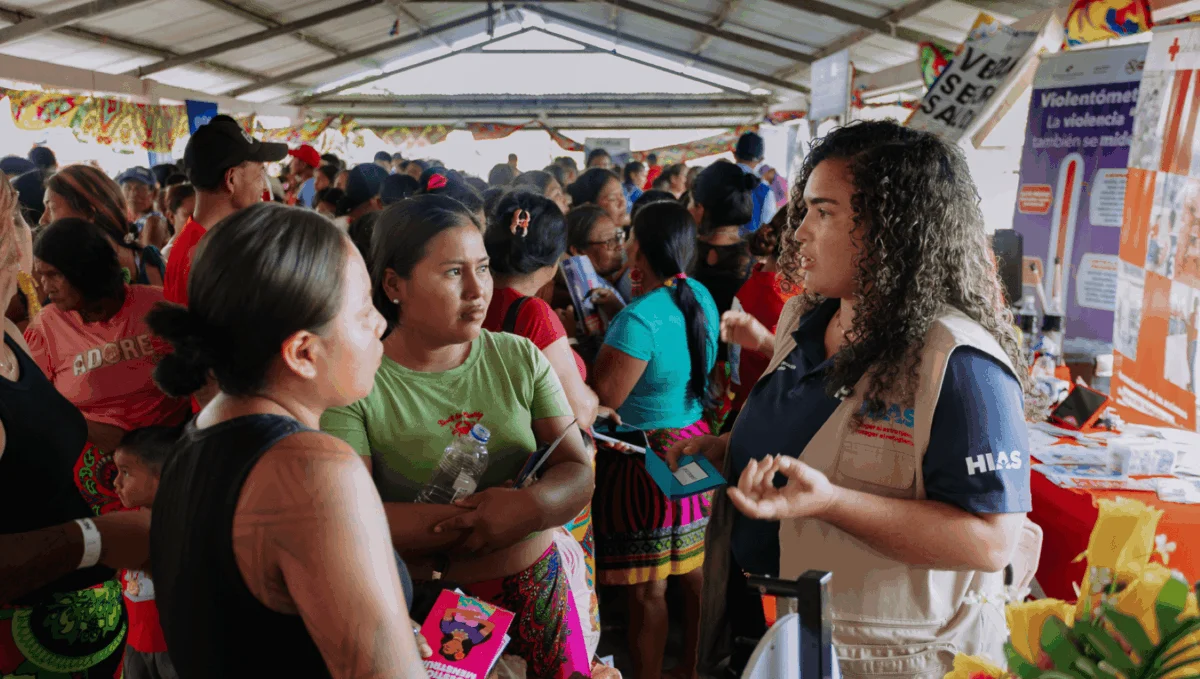
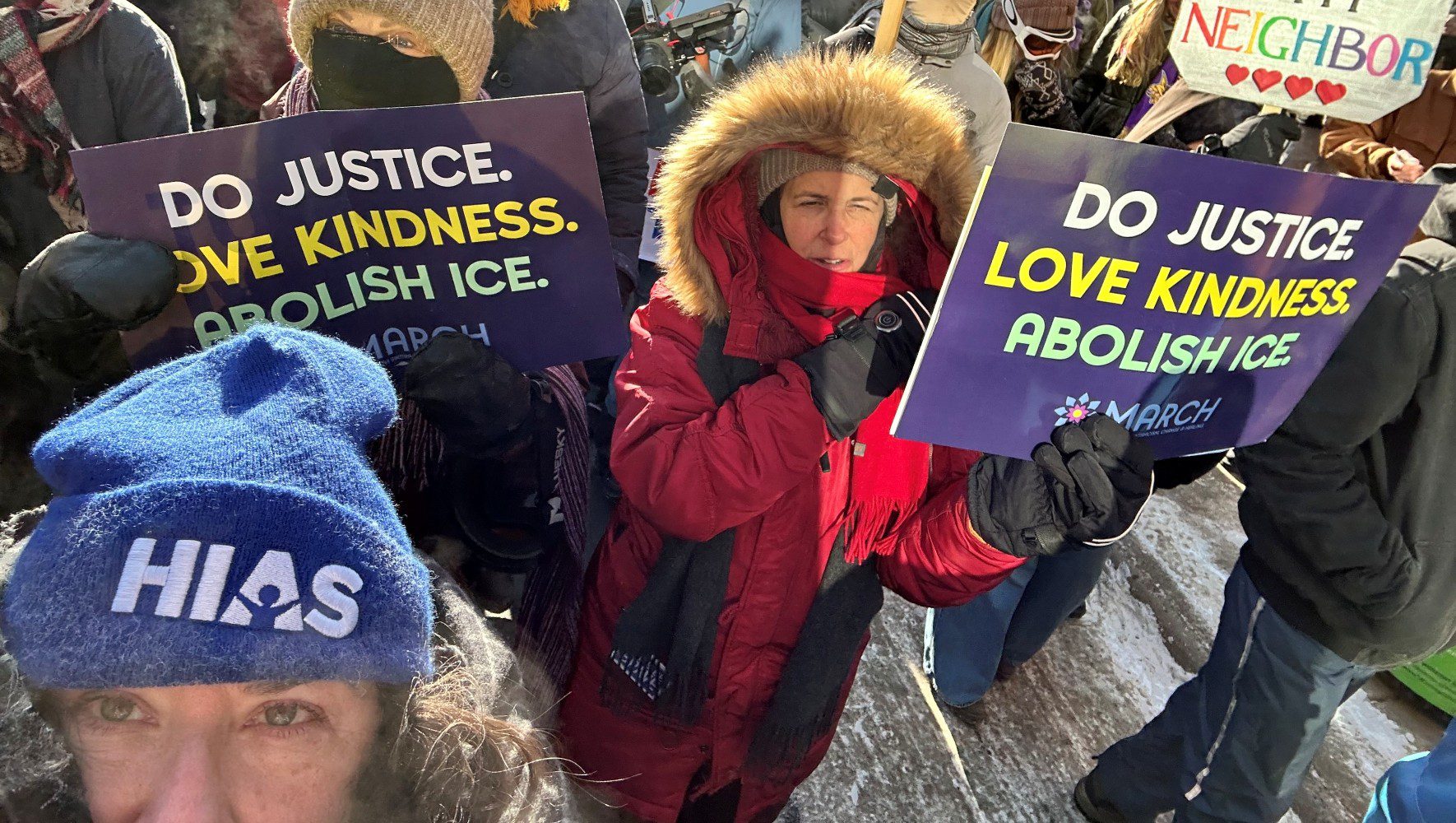
In the face of these challenges, ordinary citizens can play a vital role in supporting immigrant communities. Actions range from facilitating access to legal assistance for immigrants navigating the complex legal system to engaging with elected officials to advocate for more equitable immigration policies. Numerous avenues exist for individuals to contribute to a more just and humane immigration system. These include supporting organizations that provide direct services to immigrants, volunteering time, and raising public awareness about the realities faced by immigrant populations. As HIAS, the world’s oldest refugee agency, has long affirmed, standing with refugees and immigrants is a commitment that transcends political administrations and is essential for upholding humanitarian values and strengthening the nation.
Originally published June 27, 2025. Updated February 20, 2026.