Indigenous Peoples’ rights organization Cultural Survival has issued a stark call to action, urging governments, corporations, and international bodies to intensify their efforts in protecting Indigenous land and human rights defenders. The organization’s latest report, "Defending the Land, Paying with Life," released on March 10, 2026, at the 25th session of the UN Permanent Forum on Indigenous Issues, details the escalating violence against those who safeguard ancestral territories and natural resources, particularly in Latin America, which remains the most perilous region globally for such activism.
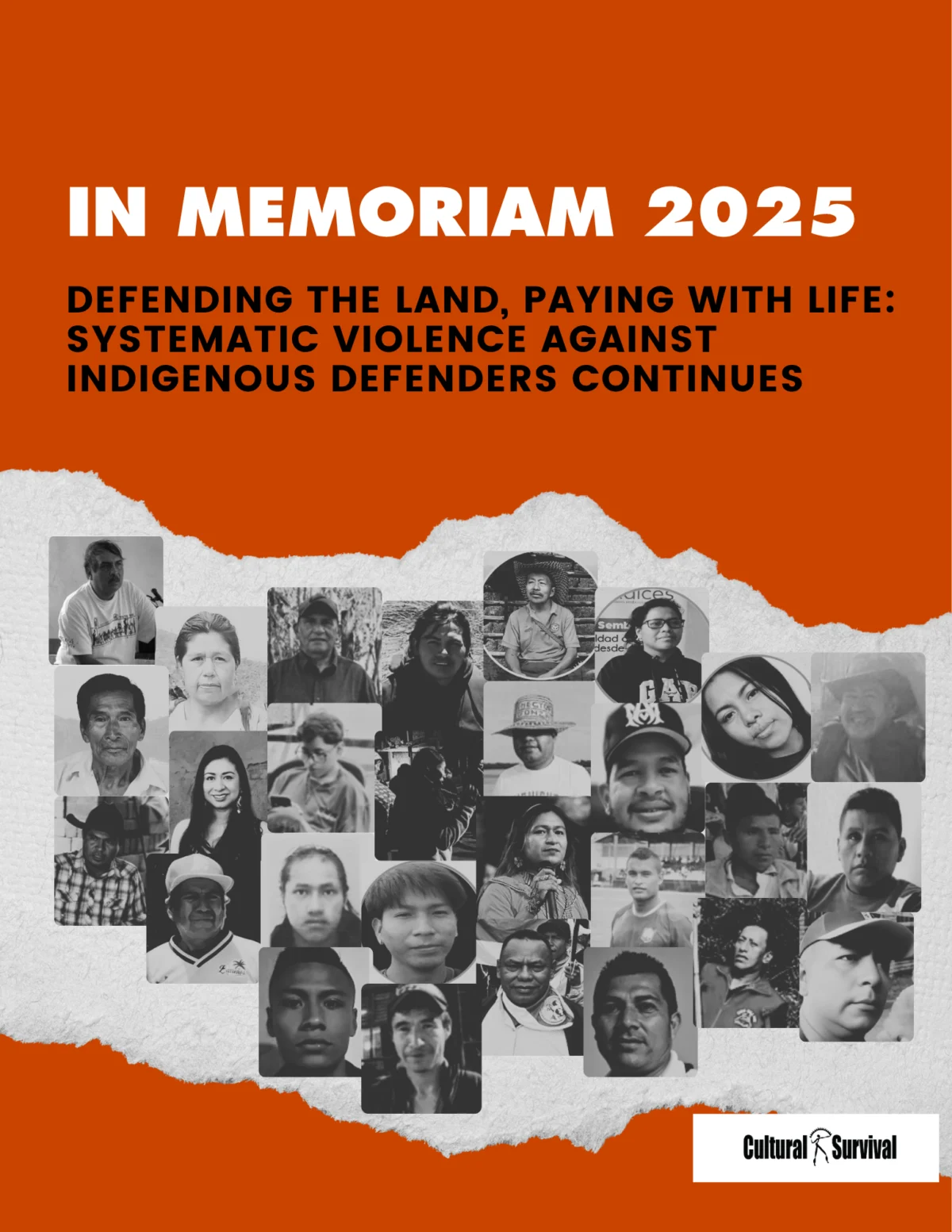
The report, which follows Cultural Survival’s annual "In Memoriam" documentation of murdered Indigenous defenders, specifically chronicles the 46 killings that occurred in 2025. This year’s findings are presented not just as a somber record of loss but as a critical analysis of the systemic issues driving this violence. The advocacy brief, "Defending the Land, Paying with Life," meticulously examines the structural violence that leads to these assassinations, framing them within established international human rights legal frameworks. It subsequently proposes concrete recommendations for the entities responsible for ensuring the safety and upholding the rights of these frontline defenders.
A Region Under Siege: The Perilous Reality for Indigenous Defenders
Latin America continues to bear the tragic distinction of being the most dangerous region in the world for individuals defending their right to land and territory. Data from 2024 underscores this grim reality, with an overwhelming 82% of the 146 documented murders of defenders occurring within this geographical area. Nations such as Mexico and Colombia, despite possessing established protection mechanisms for human rights defenders, consistently appear among the countries with the highest fatality rates. This paradox highlights a critical failure in the implementation and efficacy of existing safeguards, as defenders continue to fall victim to targeted violence.
The threats faced by Indigenous land defenders extend far beyond lethal attacks. They routinely endure intimidation, kidnappings, physical assaults, digital harassment, and a myriad of other violent tactics designed to silence their activism and render their crucial work unsustainable. These attacks are not random acts of violence but are often orchestrated to disrupt legitimate community efforts to protect their lands from encroaching extractive industries, agricultural expansion, and unsustainable development projects.
Cultural Survival’s report specifically names and honors the Indigenous defenders who were killed. These individuals, according to the organization, sacrificed their lives in service to their communities and the vital ecosystems within their territories. Their work, often centered on protecting forests, water sources, and biodiversity, is directly linked to global efforts to combat climate change and prevent environmental disasters. The report emphasizes that these defenders are often targeted precisely because their efforts challenge powerful economic interests, particularly those involved in extractive projects that contribute to global supply chains fueling climate change and ecological degradation.
International Legal Frameworks and the Obligation to Protect
"Defending the Land, Paying with Life" meticulously draws upon a wealth of international human rights standards and legal precedents to underscore the obligations of states and other actors. Key among these are the UN Declaration on the Rights of Indigenous Peoples (UNDRIP), the International Labour Organization (ILO) Convention 169, the International Covenant on Civil and Political Rights (ICCPR), and significant jurisprudence from the Inter-American Court of Human Rights. These frameworks, the report argues, provide a robust legal basis for states to implement concrete measures that protect defenders and uphold Indigenous rights.
The report implicitly critiques the gap between these internationally recognized rights and the lived realities of Indigenous defenders. While legal instruments exist to affirm the rights to land, self-determination, and Free, Prior, and Informed Consent (FPIC), their consistent violation in practice leads to the violence documented. The failure to adequately implement these rights, the report suggests, creates an environment where defenders are criminalized and targeted for upholding principles that are internationally sanctioned.
Key Recommendations for Urgent Action
Cultural Survival’s advocacy brief outlines a series of critical recommendations directed at various stakeholders. These recommendations are designed to move beyond symbolic gestures and towards tangible, systemic changes that can halt the violence and ensure accountability.
The report calls upon States to:
- Strengthen and effectively implement national protection mechanisms: This includes ensuring these mechanisms are adequately resourced, independent, and responsive to the specific threats faced by Indigenous defenders. It also implies a commitment to investigating and prosecuting perpetrators of violence against defenders.
- Uphold Indigenous peoples’ rights to land, territory, and resources: This involves fully recognizing and respecting Indigenous land tenure, ensuring FPIC for any development projects affecting their territories, and halting extractive activities that violate these rights.
- End the criminalization of Indigenous peoples: Governments must cease the practice of labeling legitimate defenders as criminals or threats to national security, which often precedes and justifies violence against them.
- Promote accountability for human rights violations: This entails thorough and impartial investigations into all killings and violent acts against defenders, bringing perpetrators to justice, and providing reparations to victims and their families.
To Companies, the report urges:
- Conduct rigorous human rights due diligence: Companies must proactively identify, prevent, and mitigate human rights risks associated with their operations and supply chains, particularly in relation to Indigenous territories.
- Ensure supply chain transparency and accountability: Businesses need to be aware of and take responsibility for the impacts of their activities, including those of their subsidiaries and partners, on Indigenous communities and defenders.
- Respect Indigenous peoples’ rights, including FPIC: Companies must engage in genuine consultation with Indigenous communities and obtain their free, prior, and informed consent before commencing any project that may affect their lands or livelihoods.
The UN Permanent Forum on Indigenous Issues and the Presidency of COP Escazú’s governing board are encouraged to:
- Amplify the voices of Indigenous defenders: Provide platforms for defenders to share their experiences and concerns at international forums.
- Advocate for the implementation of international human rights standards: Consistently push for the adherence to UNDRIP, ILO Convention 169, and other relevant instruments.
- Monitor and report on the situation of defenders: Enhance mechanisms for tracking violence against defenders and hold states accountable for their commitments.
The international community is called upon to:
- Support Indigenous-led initiatives: Provide financial and political support to organizations working to defend Indigenous rights and protect defenders.
- Exert diplomatic pressure: Engage in dialogue with governments to urge them to prioritize the safety and rights of Indigenous defenders.
- Promote corporate social responsibility: Encourage and demand that corporations adhere to the highest human rights and environmental standards.
A Legacy of Resistance: Remembering and Resisting
Alicia Moncada, Cultural Survival’s Director of Advocacy and Communications, eloquently articulated the profound significance of the report: "Every name in this report is a universe that was extinguished, a language, a territory, a form of knowledge that the world will never recover. In memoriam is not an act of mourning; it is an act of resistance." This statement encapsulates the dual purpose of the report: to honor the memory of those lost and to galvanize ongoing efforts to prevent further tragedies.
The act of remembering is framed as an act of resistance because it highlights the ongoing struggle and the value of what is being lost. The knowledge, cultures, and ecological stewardship embodied by Indigenous defenders are presented as irreplaceable assets for the entire planet. Their silencing through violence represents not only a loss for their communities but a detriment to global efforts towards environmental sustainability and cultural diversity.
Chronology of Violence and Advocacy
The release of "Defending the Land, Paying with Life" at the UN Permanent Forum on Indigenous Issues on March 10, 2026, marks a critical juncture in the ongoing advocacy for Indigenous land defenders. This event follows a year of intensified violence in 2025, the details of which are meticulously documented in the report. The report itself builds upon the organization’s annual "In Memoriam" publications, which have consistently highlighted the grim statistics and individual stories of Indigenous defenders killed while protecting their ancestral lands.
The decision to release the advocacy brief at the UN Permanent Forum underscores the importance of international dialogue and pressure in addressing this crisis. This forum provides a crucial platform for Indigenous peoples to voice their concerns directly to global policymakers and to advocate for the implementation of international human rights instruments.
The data cited from 2024, indicating that 82% of documented defender murders occurred in Latin America, provides a stark historical backdrop to the 2025 figures. This trend suggests a persistent and worsening situation, demanding immediate and comprehensive intervention. The continued vulnerability of defenders in countries with existing protection mechanisms like Mexico and Colombia points to systemic weaknesses that require urgent attention.
Broader Impact and Implications
The ongoing violence against Indigenous land defenders has far-reaching implications that extend beyond the immediate communities affected. These defenders are often at the forefront of protecting biodiversity hotspots, vital water sources, and carbon sinks that are crucial for global climate regulation. Their silencing through violence directly jeopardizes these critical environmental services, with potentially devastating consequences for the planet.
Furthermore, the attacks on Indigenous defenders represent a broader assault on human rights and the rule of law. When those who advocate for justice and environmental protection are targeted with impunity, it sends a chilling message to civil society and undermines democratic principles. The criminalization of defenders and the lack of accountability for perpetrators erode trust in state institutions and create an environment of fear.
The economic drivers behind much of this violence are significant. Extractive industries, large-scale agriculture, and unsustainable infrastructure projects often operate with the complicity of state actors, creating a potent nexus of power that targets Indigenous resistance. The report’s emphasis on corporate responsibility is therefore crucial, as it acknowledges the role of businesses in perpetuating or mitigating this violence through their investment and operational decisions.
Calls to Action: Mobilizing Support
Cultural Survival is not only presenting a report but also urging active participation from the global community. Two immediate actions are proposed to empower individuals to contribute to the cause:
- Signing Petitions: Petitions have been launched targeting authorities in Mexico and Colombia. These petitions implore governments to fulfill their fundamental obligations to protect Indigenous defenders, proactively prevent violence, and ensure that justice is served in all cases of killings and attacks. By signing these petitions, individuals can lend their voice to the demand for accountability and effective protection.
- Social Media Campaign: A global social media campaign encourages individuals to share a vertical photo of themselves holding a sign that reads: "Justice for Indigenous defenders murdered in Latin America." This visual act of solidarity aims to raise widespread awareness and demonstrate the international community’s commitment to the cause. Participants are encouraged to use specific hashtags, such as #ProtejanALasDefensorasIndigenas, #JusticiaParaLxsDefensorxsIndigenas, #ProtectTheProtectors, and #DefendTheDefenders, and to tag @culturalsurvival to amplify the message.
The call to action also includes specific social media handles for relevant government agencies in Mexico and Colombia, facilitating direct engagement and pressure on these institutions. This multi-pronged approach aims to leverage both traditional advocacy channels and the power of digital activism to create sustained pressure for change.
The fight to defend Indigenous lands and the lives of those who protect them is a fight for environmental justice, human rights, and the future of our planet. Cultural Survival’s "Defending the Land, Paying with Life" report serves as a critical reminder of the urgent need for collective action and unwavering commitment to these vital causes.