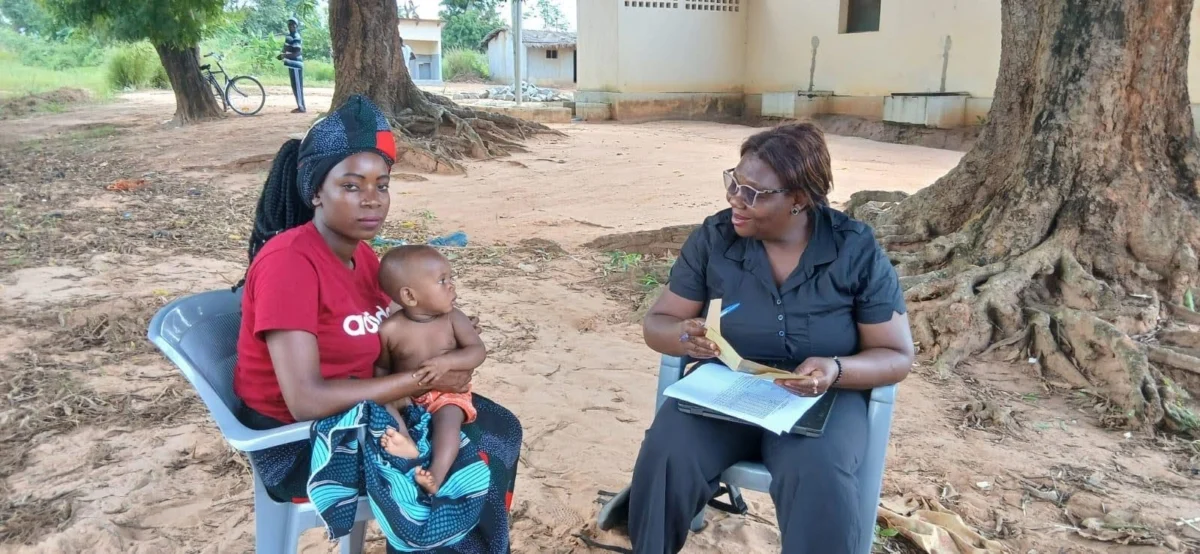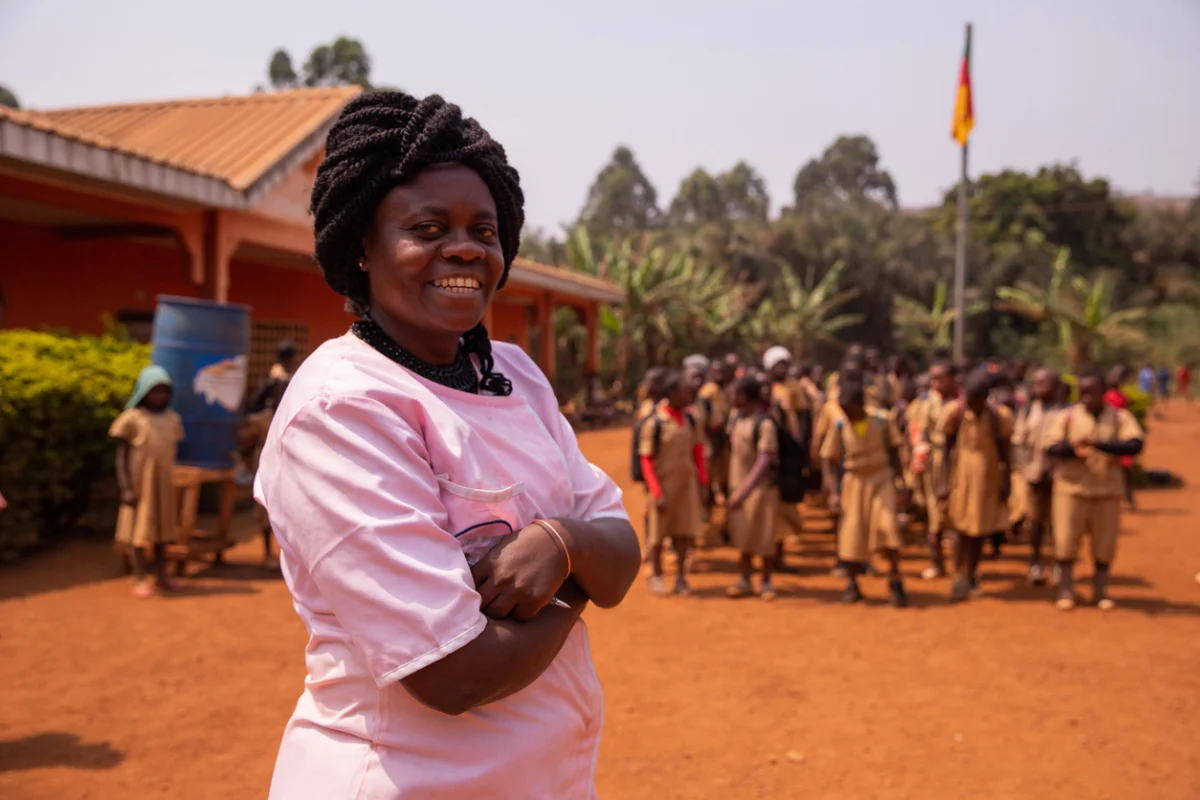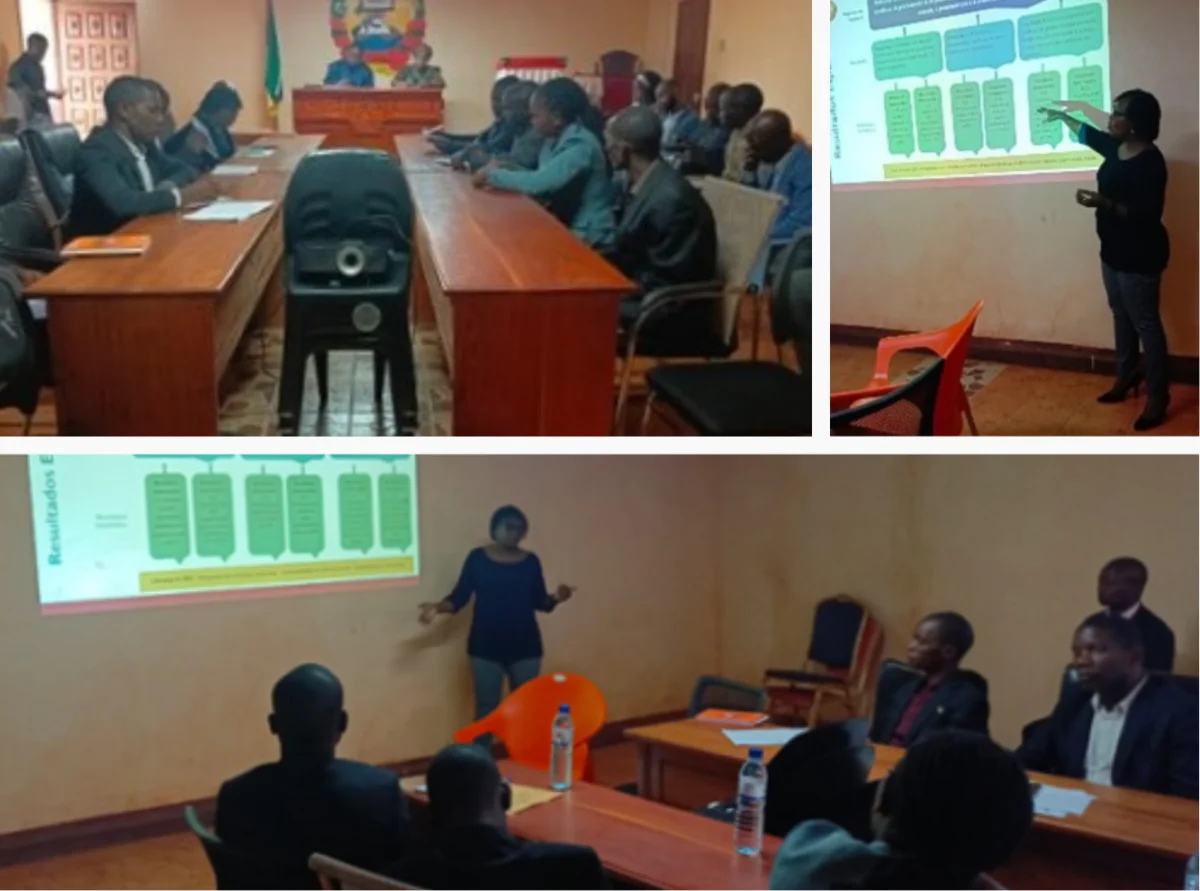
The Ministry of Education and Culture (MEC) of Mozambique, in a strategic alliance with World Education—a JSI initiative—has officially inaugurated the "Empowering Educators" program, a comprehensive intervention designed to overhaul the quality of primary education through sustainable teacher professional development. Funded by IrishAid and launched in early 2026, this initiative represents a pivotal step in operationalizing the Mozambican government’s National Strategy for Continuous Teacher Training. By focusing its initial efforts on the Niassa Province in northern Mozambique, the program seeks to bridge the gap between national policy and classroom-level execution, ensuring that educators in some of the country’s most remote regions receive the support necessary to improve student learning outcomes.
The launch of the Empowering Educators program comes at a critical juncture for the Mozambican education system. While the country has made significant strides in increasing school enrollment over the past two decades, the quality of learning remains a persistent challenge. National assessments have frequently highlighted gaps in foundational literacy and numeracy, particularly in rural provinces where teacher support systems are often stretched thin. The new program is specifically designed to address these systemic issues by fostering a culture of continuous, on-the-job training and gender-responsive school management.
Strategic Objectives and Targeted Impact in Niassa Province
The Empowering Educators program is not merely a series of workshops but a systemic intervention aimed at three core pillars: improving learning outcomes in primary education, strengthening foundational learning, and promoting the protection and retention of female students. Niassa Province, characterized by its vast geography and logistical challenges, serves as the primary implementation site. The program will initially reach 600 teachers—more than 200 of whom are women—and 100 school directors across four targeted districts, including Mavago and Mecula.
By targeting school directors alongside classroom teachers, the program acknowledges that educational quality is inextricably linked to leadership. School directors in the program are trained to move beyond administrative roles, becoming pedagogical leaders who can observe, mentor, and support their staff. This dual approach ensures that the improvements made at the teacher level are reinforced by an institutional framework that values and facilitates professional growth.
A History of Collaboration: World Education and the Ministry of Education
The foundation of the Empowering Educators program is built upon more than 15 years of partnership between World Education and the Government of Mozambique. Since 2011, World Education has been a key technical partner for the MEC, delivering both large-scale national programs and targeted local interventions. Over the last decade and a half, these collaborative efforts have resulted in the training of tens of thousands of teachers and have directly supported the educational journeys of more than 2 million learners across the nation.
This deep institutional history allows the Empowering Educators program to avoid the pitfalls of "one-size-fits-all" development projects. Instead, it leverages existing government structures and tools, ensuring that the intervention is integrated into the national system rather than operating parallel to it. The program’s design reflects a shift in international development philosophy—moving from external service delivery to internal capacity strengthening.
The Multiplier Effect: A Sustainable Model for Professional Development
A central component of the program’s methodology is the "multiplier" principle, an approach emphasized by World Education’s Provincial Manager, Ligia Lundo. In traditional teacher training models, educators often attend centralized seminars and then return to their schools with little follow-up support. The Empowering Educators model flips this dynamic by prioritizing on-the-job training and peer coaching.
Under this model, trainee teachers and school leaders act as multipliers. Deputy School Heads are equipped with tools to provide ongoing classroom-level support, allowing for real-time feedback and the practical application of new pedagogical techniques. This peer coaching mechanism is designed to be self-sustaining; as teachers improve their skills, they become resources for their colleagues, creating a localized ecosystem of professional excellence. Strengthening management at all levels—from the district office to the individual classroom—enables the creation of a social and academic environment where both teachers and students can thrive.
Addressing Gender Disparities and Enhancing Protection
One of the most significant components of the Empowering Educators program is its focus on gender-responsive school management. In Mozambique, and particularly in northern provinces like Niassa, girls face unique barriers to education, including early marriage, household responsibilities, and safety concerns. The program seeks to improve the access, retention, and protection of girls by training school staff to recognize and mitigate these challenges.
By ensuring that at least one-third of the participating teachers are women, the program also addresses the need for female role models in the classroom. Research in the region suggests that the presence of female educators can significantly increase the comfort and security of female students, leading to higher attendance and lower dropout rates. The program’s emphasis on "gender-responsive management" involves creating school environments that are not only safe but actively supportive of the specific needs of young women, ensuring they can complete their primary education and transition to secondary schooling.
Official Launch and Regional Commitment
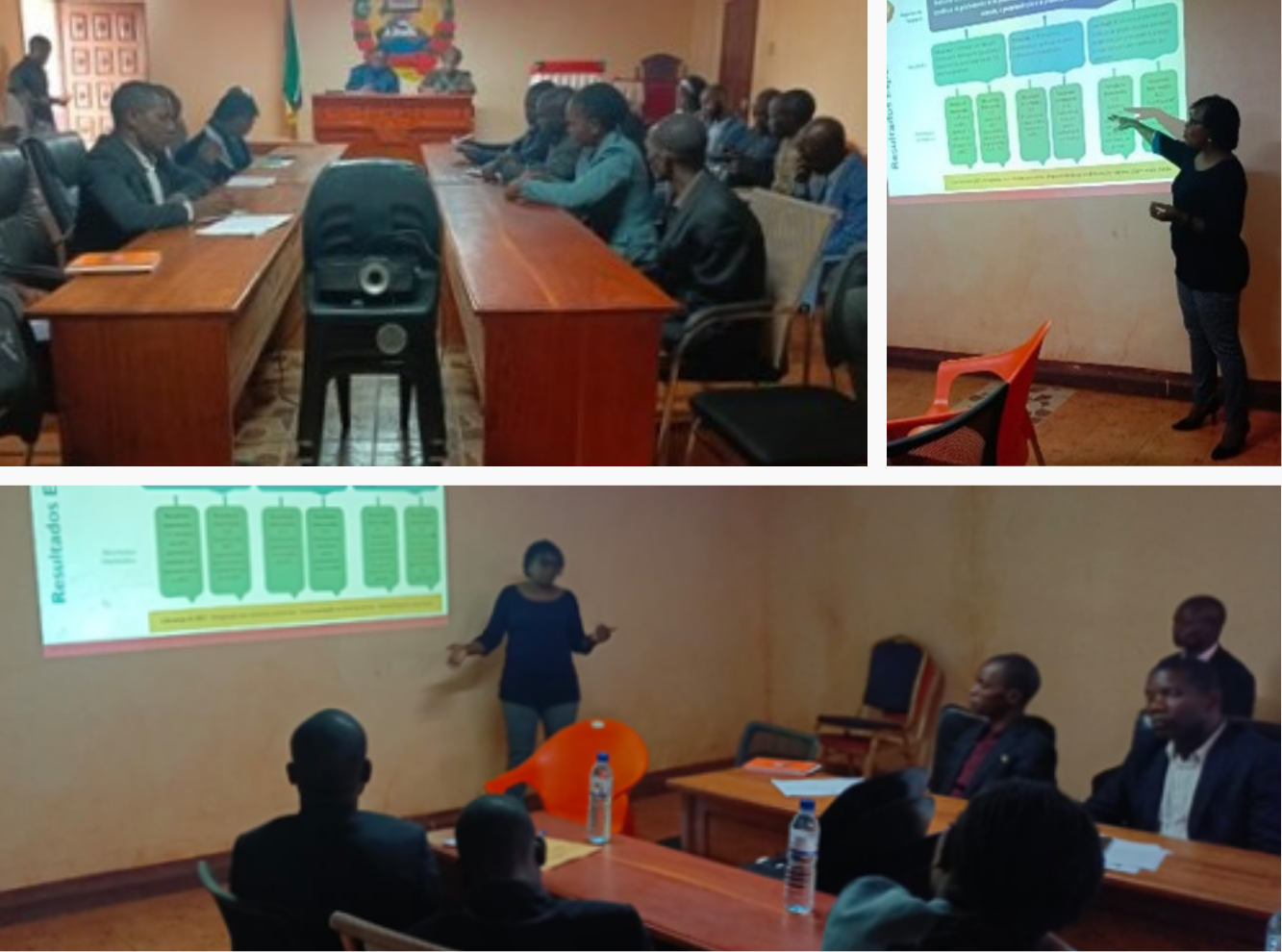
The program’s rollout has been marked by a series of high-profile kick-off events in the districts of Mavago and Mecula. These events served to solidify the commitment of local government officials to the initiative. During the launch in Mavago, the district administrator delivered a speech reinforcing the local government’s dedication to the program’s success, noting that the empowerment of teachers is the most direct route to the socio-economic development of the district.
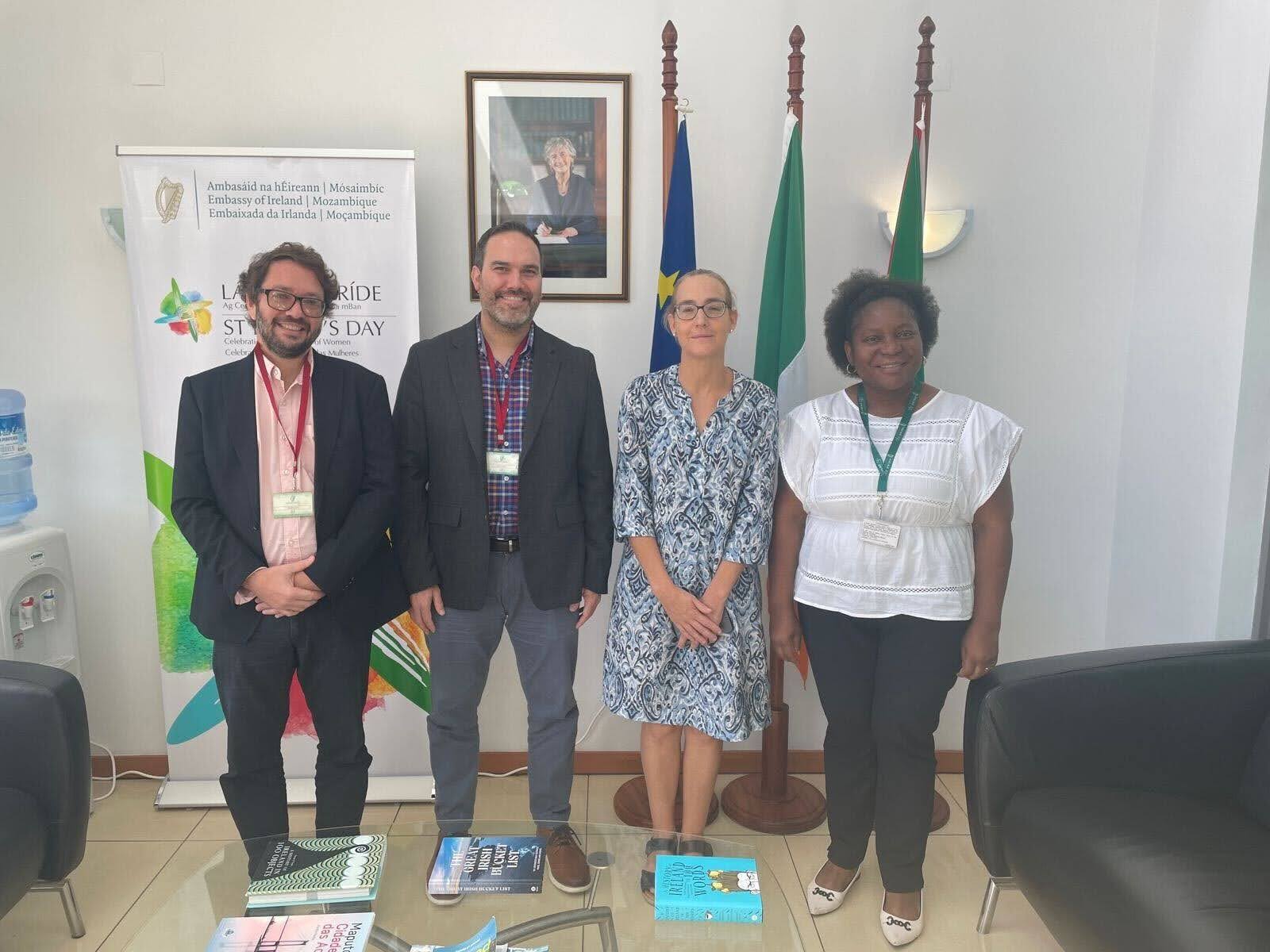
The launch was attended by key figures from both the implementing partners and the donor community. Representing the Irish government were Aileen O’Donovan, Deputy Head of Mission and Cooperation, and Lídia Meque, Program Manager at the Embassy of Ireland in Maputo. Their presence underscored the diplomatic and developmental importance of the initiative. Adam Turney, a World Education initiative director, and David Noyes, the Project Director, represented the technical leadership, emphasizing that the program’s success would be measured by tangible improvements in student literacy and numeracy.
The Role of IrishAid and International Cooperation
IrishAid’s funding of the Empowering Educators program is part of Ireland’s broader commitment to international development and poverty reduction in Mozambique. Ireland has long identified education as a priority sector, recognizing it as a fundamental human right and a catalyst for achieving the Sustainable Development Goals (SDGs).
The partnership between IrishAid and the Mozambican government reflects a shared vision of localized development. By funding a program that operationalizes national strategy rather than imposing an external agenda, IrishAid supports the sovereignty and long-term stability of the Mozambican education system. This alignment with national priorities ensures that the resources provided are used effectively to address the specific hurdles faced by the Ministry of Education in Niassa.
Data-Driven Implementation and Baseline Evidence
A distinguishing feature of the Empowering Educators program is its commitment to data-driven decision-making. Before the full-scale implementation of training modules, the project is gathering comprehensive baseline evidence. This initial research phase is crucial for understanding the specific starting points of the participating teachers and the current learning levels of the students.
By establishing a clear baseline, the program can measure its impact with precision over the coming years. This evidence-based approach allows for the iterative refinement of training materials and coaching techniques. If certain districts or schools show slower progress, the program can deploy additional resources or adjust its strategy to address specific localized bottlenecks. This level of adaptability is essential in a province as diverse and geographically fragmented as Niassa.
Broader Implications for Mozambique’s Educational Future
The success of the Empowering Educators program in Niassa could serve as a blueprint for the rest of Mozambique. As the Ministry of Education and Culture looks to scale the National Strategy for Continuous Teacher Training, the lessons learned from this IrishAid-funded initiative will be invaluable. The shift toward peer coaching, pedagogical leadership by school directors, and gender-responsive management represents the "gold standard" for educational reform in sub-Saharan Africa.
Furthermore, the program contributes to regional stability. Education is a powerful tool against the cycles of poverty and insecurity that have occasionally affected northern Mozambique. By providing young people with foundational skills and keeping them in school, the program fosters a more resilient and capable workforce for the future.
As the program moves into its active implementation phase throughout 2026 and beyond, the eyes of the international development community will be on Niassa. The collaboration between the Mozambican government, World Education, and IrishAid stands as a testament to what can be achieved when national policy is met with dedicated technical expertise and sustained international support. The ultimate goal remains clear: to ensure that every child in Mozambique, regardless of their gender or where they live, has access to a quality education led by a supported and empowered teacher.