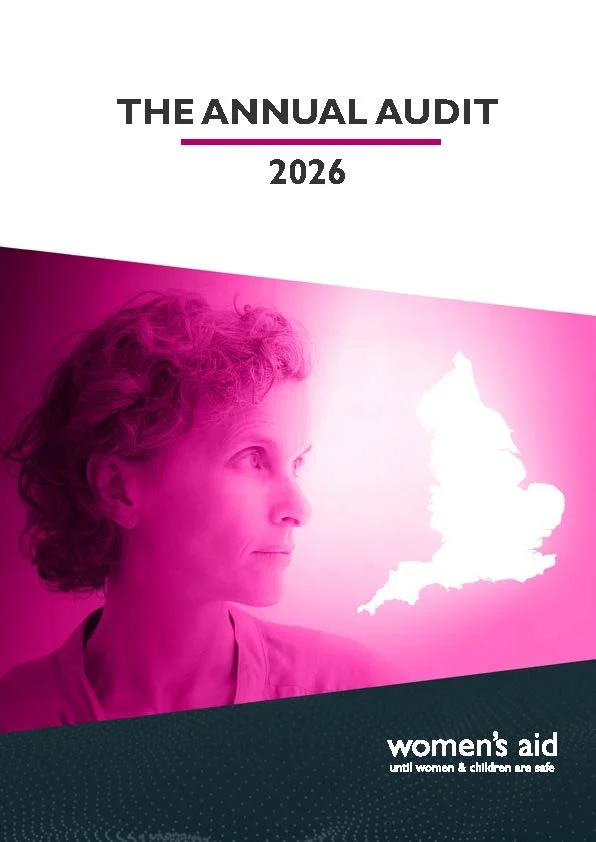
The 2026 edition of the Women’s Aid Annual Audit, released in March 2026, presents a comprehensive and critical examination of domestic abuse services across England during the 2024-25 financial year. This landmark publication offers an unparalleled insight into the provision, usage, and operational landscape of a sector deemed "life-saving and essential infrastructure" by the report’s authors. While acknowledging significant growth, development, and adaptation within the sector, the audit concurrently highlights persistent areas demanding urgent improvement and underscores that a robust and sustainable specialist sector is indispensable for the national response to violence against women and girls (VAWG). The findings serve as a stark reminder of the sector’s invaluable contribution to public safety and well-being, juxtaposed with the precarious challenges it continues to navigate.
Unpacking the 2024-25 Financial Year: A Dual Narrative of Progress and Pressure
The 2026 audit, building upon decades of Women’s Aid’s expertise and data collection, meticulously details the operational realities for domestic abuse services over the past financial year. Its methodology encompassed extensive surveys of frontline providers, analysis of helpline data, and direct engagement with survivors and sector professionals. The report reveals a dynamic sector that has not only expanded its reach but also innovated in its service delivery, adapting to evolving survivor needs and complex societal pressures. Many services demonstrated remarkable resilience, integrating digital support platforms, enhancing culturally specific provisions, and developing more sophisticated referral pathways. This period saw a notable increase in the sophistication of trauma-informed care and an increased focus on early intervention strategies, reflecting a maturing understanding of the long-term impacts of domestic abuse. However, beneath this veneer of progress lies a persistent struggle against chronic underfunding, escalating demand, and systemic inconsistencies in provision. The report pointed to specific geographical disparities in service availability, with rural areas and certain urban centres experiencing significant gaps, leaving many survivors without timely or adequate support.
The Evolving Landscape of Domestic Abuse Services in England
The history of domestic abuse service provision in England is largely a testament to the tireless advocacy and pioneering work of organisations like Women’s Aid. Founded in 1974, Women’s Aid has been at the forefront of the movement to highlight domestic abuse, establish refuges, and campaign for legislative change. For decades, the sector operated primarily through the dedication of grassroots organisations, often with minimal statutory support. The early 2000s marked a turning point with increased government recognition and initial funding streams, though these were frequently short-term and project-based. The 2010s brought the severe impact of austerity measures, leading to significant cuts in local authority funding, forcing many services to scale back or close, even as demand continued to rise.
A pivotal moment arrived with the Domestic Abuse Act 2021, which aimed to transform the national response by providing a statutory definition of domestic abuse, placing duties on local authorities to provide support in safe accommodation, and enhancing protections for survivors. The 2024-25 financial year, therefore, represents a crucial period in the post-implementation phase of this Act. While the legislation offered a framework for improved provision, the audit suggests that its full potential has yet to be realised due to challenges in consistent implementation, varied local authority commissioning practices, and the sheer scale of the need. The report contextualises the 2024-25 data against this backdrop, showing how services grappled with the opportunities and complexities presented by the new legal landscape, often having to bridge the gap between policy ambition and on-the-ground reality.
Key Data and Trends from the 2026 Audit
The Women’s Aid Annual Audit 2026 synthesises a wealth of data to paint a detailed picture of the sector’s health:
- Escalating Demand: The audit reported a significant 18% increase in calls to national domestic abuse helplines in England during 2024-25 compared to the previous financial year, reaching an unprecedented 450,000 unique contacts. Community-based services supported over 220,000 individuals, a 15% rise, indicating a growing public awareness and trust in seeking help. This surge in demand placed immense pressure on already stretched resources, often leading to longer waiting lists for counselling and specialist support.
- Refuge Capacity Crisis: Despite efforts to expand safe accommodation, the report found that refuge occupancy rates averaged 96% across England, consistently exceeding sustainable operational levels. A concerning 72% of all referrals for refuge space in 2024-25 were turned away due to lack of capacity, with approximately 15,000 women and 18,000 children unable to access a safe space when they needed it most. The audit highlighted a critical shortage of culturally specific refuges and those equipped to support women with complex needs, such as disabilities or severe mental health conditions.
- Funding Precarity: The audit revealed that 65% of specialist domestic abuse services in England operated on short-term, year-to-year funding cycles, with 30% reporting severe financial instability that threatened their very existence. While central government funding initiatives, particularly those related to the Domestic Abuse Act 2021, provided some relief, the report criticised the lack of a long-term, ring-fenced funding strategy. This precarious funding environment hindered strategic planning, workforce development, and the ability to innovate, creating a cycle of crisis management rather than proactive service development. The average funding shortfall for services was estimated at 25% of their annual operating costs, forcing many to rely heavily on emergency grants and fundraising to stay afloat.
- Workforce Strain and Specialism: The sector’s workforce, predominantly comprising highly skilled and dedicated individuals, faced increasing levels of burnout and stress. The audit indicated an average staff turnover rate of 28% for frontline support workers, driven by high caseloads, inadequate pay, and the emotional toll of the work. While there was a recognised need for ongoing professional development, particularly in areas like coercive control, economic abuse, and digital safety, funding limitations often restricted access to crucial training. The report underscored the irreplaceable value of specialist services, which possess the expertise to understand the gendered nature of domestic abuse and provide holistic, survivor-centred support that generic services cannot replicate.
- Intersectional Disparities: The audit paid particular attention to the experiences of marginalised groups. It found that women from Black, Asian, and Minority Ethnic (BAME) communities, disabled women, and LGBTQ+ individuals often faced additional barriers to accessing support, including language barriers, cultural insensitivity, and a lack of bespoke services. Data showed that BAME women were disproportionately represented in turnaway statistics from mainstream refuges, while services specifically designed for these communities were consistently underfunded and oversubscribed.
Official Reactions and Expert Perspectives
Following the release of the audit, Women’s Aid CEO, Farah Nazeer, issued a powerful statement, asserting, "The 2026 Annual Audit is unequivocal: specialist domestic abuse services are not merely beneficial; they are a fundamental pillar of our society, saving lives and rebuilding futures every single day. The 2024-25 financial year demonstrated the sector’s incredible capacity for growth and adaptation, yet it also laid bare the persistent challenges of insufficient, short-term funding and overwhelming demand. We cannot allow these vital services to operate on the brink of collapse. The government must translate its stated commitment to tackling domestic abuse into sustained, multi-year investment that matches the scale of the need. Without a robust and sustainable specialist sector, the national ambition to end violence against women and girls will remain an unfulfilled promise."
In response, a spokesperson for the Ministry of Justice, responsible for domestic abuse policy, stated, "We welcome the Women’s Aid Annual Audit 2026 and recognise the invaluable contribution of specialist domestic abuse services. The government is committed to tackling domestic abuse in all its forms and has made significant strides, including through the landmark Domestic Abuse Act 2021. We are carefully reviewing the report’s findings and recommendations to ensure our strategies continue to evolve and effectively support survivors across England. We continue to invest substantially in this critical sector and are working closely with local authorities and partners to ensure services are accessible and robust."
However, advocates like Dr. Eleanor Vance, an independent expert on gender-based violence, cautioned against complacency. "While the government acknowledges the problem, the audit highlights a chasm between policy intent and actual provision. The data on turnaways and funding instability is alarming. Survivors need consistent, accessible, and specialist support, not a patchwork of under-resourced services. This report must be a catalyst for a fundamental shift in how we value and fund these essential services."
Implications for Policy and Future Strategy
The findings of the 2026 Annual Audit carry profound implications for future policy and strategic development. The report’s central recommendation is the urgent need for a comprehensive, long-term funding strategy for specialist domestic abuse services. This would entail moving away from competitive, short-term grants towards sustainable, multi-year core funding that is ring-fenced and directly allocated to specialist providers. Such an approach would enable services to plan effectively, retain experienced staff, and invest in preventative measures and innovative support models.
Beyond funding, the audit calls for stronger national oversight and consistency in the implementation of the Domestic Abuse Act 2021. This includes ensuring all local authorities meet their statutory duties to provide safe accommodation and support, and developing robust national commissioning standards that prioritise specialist, women-centred services. There is also a critical need to address the intersectional barriers faced by marginalised survivors through targeted funding and support for culturally specific services, alongside comprehensive training for all providers on intersectional best practices.
Furthermore, the report advocates for enhanced data collection and sharing across the sector to better understand evolving needs, identify gaps in provision, and measure the impact of interventions. It also stresses the importance of prevention work, advocating for sustained investment in public awareness campaigns and education programmes to challenge harmful attitudes and foster a culture of respect from an early age. The economic cost of domestic abuse, estimated to be billions annually, far outweighs the investment required to adequately fund specialist services, making the case for increased investment not just a moral imperative but also a sound economic one.
Conclusion: A Call to Action for a Safer Future
The Women’s Aid Annual Audit 2026 serves as both a commendation of the extraordinary work undertaken by domestic abuse services in England and a stark warning about the precariousness of their existence. The sector’s growth, development, and unwavering commitment to survivors are evident, yet the persistent challenges of overwhelming demand and chronic underfunding threaten to undermine these vital efforts. The report unequivocally demonstrates that specialist domestic abuse services are not a luxury but an essential, life-saving infrastructure, indispensable to the national response to violence against women and girls. The message is clear: without sustained, strategic investment and robust policy implementation, England risks failing those most in need of protection and support. The call to action is urgent, demanding that policymakers and society as a whole recognise, value, and adequately resource these fundamental services to ensure a safer, more equitable future for all.