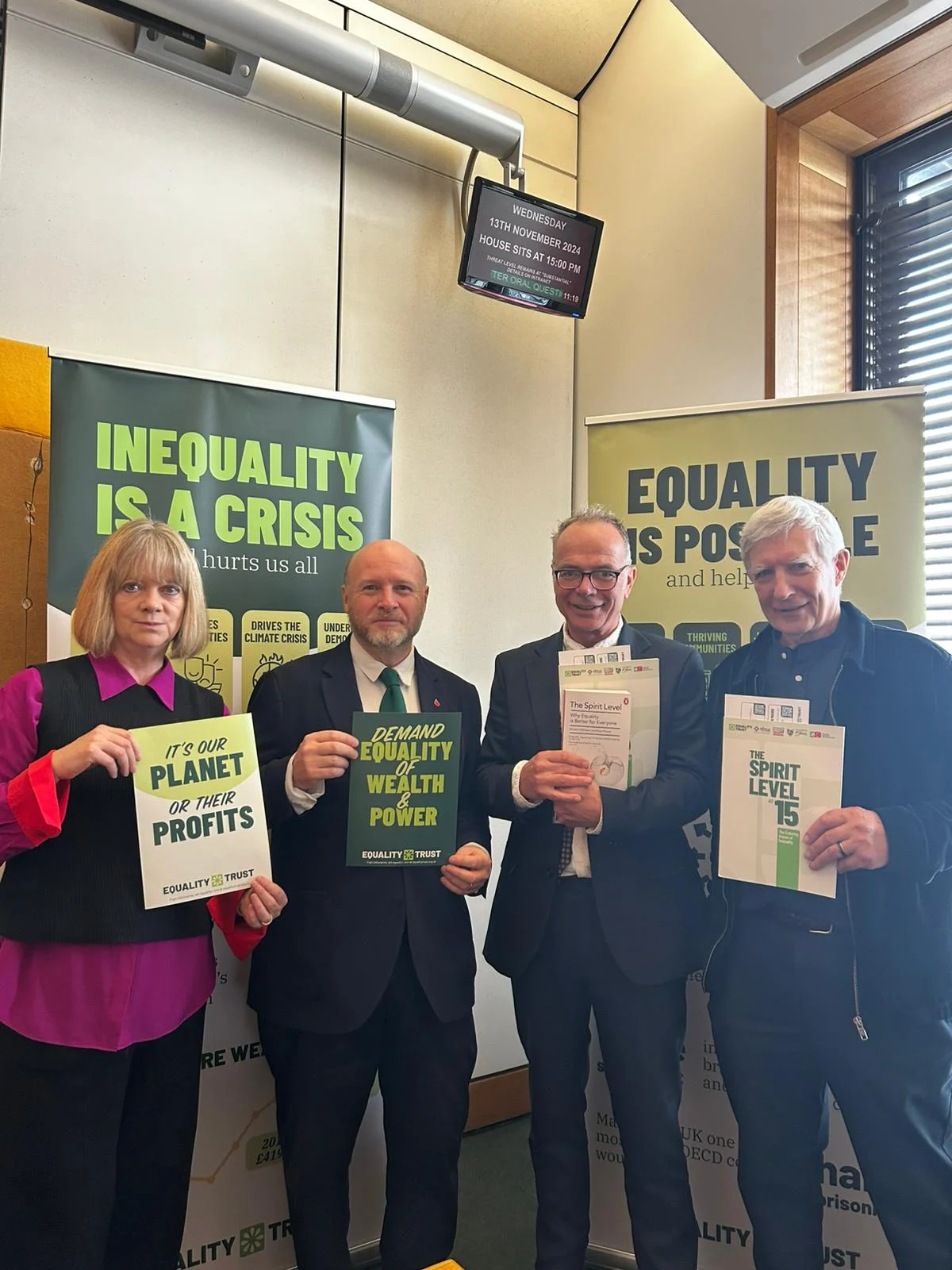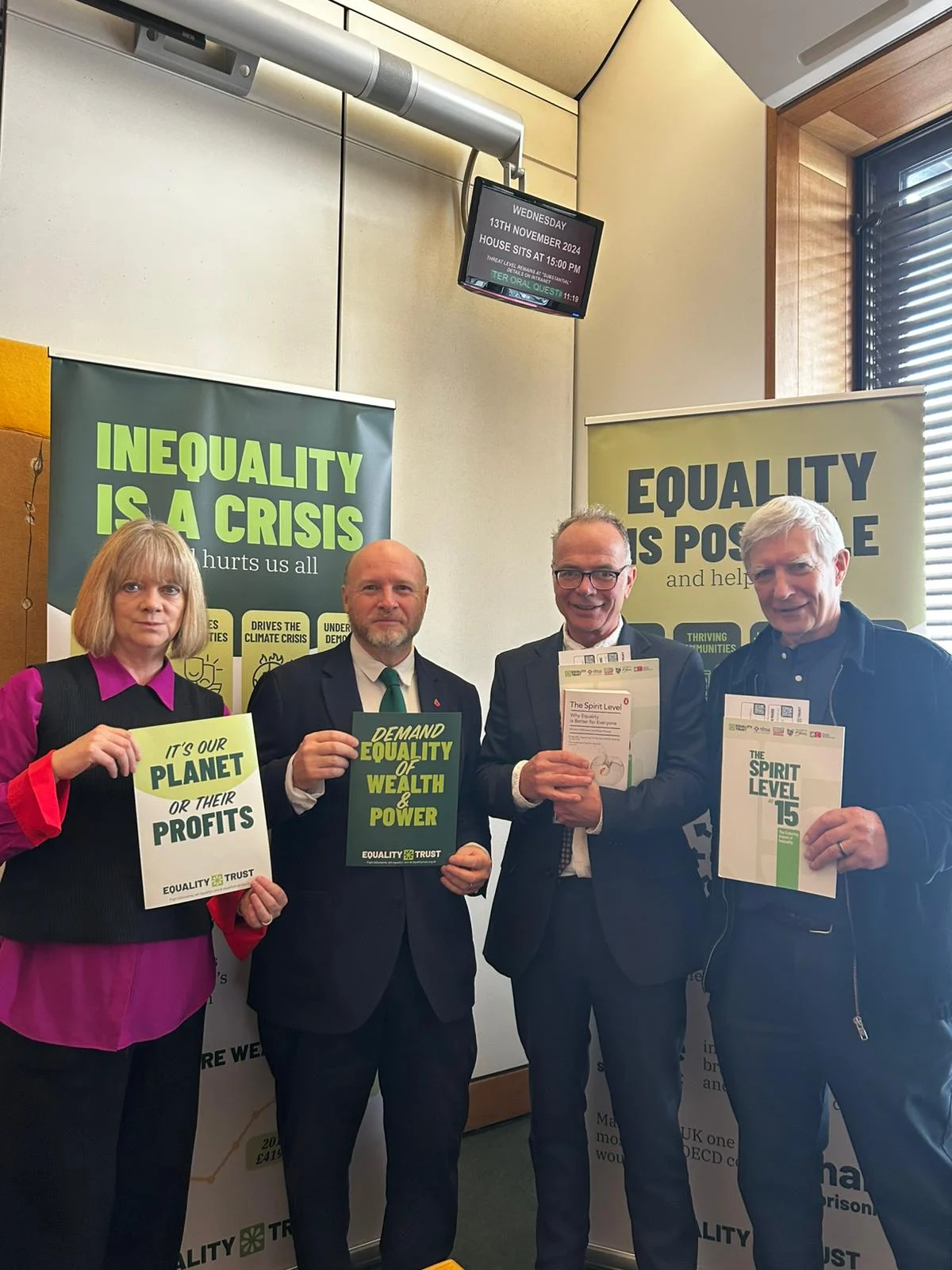
The virtual corridors of digital activism were filled to capacity on February 4 as Professor Kate Pickett, a leading figure in social epidemiology and public health, officially launched her highly anticipated book, The Good Society. Hosted in collaboration with the advocacy group Compass, the online event drew an audience of over 500 attendees, marking a significant milestone in the ongoing discourse regarding social equity and systemic reform. The launch featured a panel of prominent intellectual and political figures, including Baroness Ruth Lister, environmental activist George Monbiot, and Green Party MP Caroline Lucas, each of whom provided a unique lens through which to examine the book’s core propositions. This event not only served as a promotional platform for Pickett’s latest work but also acted as a rallying point for a movement that has been gaining momentum since the founding of The Equality Trust in 2009.
A Legacy of Evidence-Based Advocacy
The publication of The Good Society represents a continuation of a decades-long intellectual journey for Professor Pickett. As a co-author of the seminal 2009 work, The Spirit Level: Why More Equal Societies Almost Always Do Better, Pickett, alongside Richard Wilkinson, fundamentally shifted the global conversation on economic disparity. The Spirit Level utilized a vast array of statistical data to demonstrate that in societies with large gaps between the rich and the poor, nearly every social indicator—from life expectancy and literacy rates to infant mortality and homicide—performs worse than in more egalitarian nations.
Since the establishment of The Equality Trust in 2009, Pickett has been at the forefront of translating academic research into actionable policy. The Good Society is positioned as the practical successor to her previous research, moving beyond the diagnosis of societal ills to offer a blueprint for a more functional, equitable, and sustainable future. The book arrives at a critical juncture, as global economies grapple with the long-term repercussions of the COVID-19 pandemic, rising living costs, and the escalating climate crisis, all of which have disproportionately affected the most vulnerable sectors of society.
The Chronology of a Movement
The timeline leading to the February 4 launch is characterized by a steady accumulation of data and a growing public appetite for systemic change. Following the 2008 financial crisis, the founding of The Equality Trust in 2009 provided a structured platform for challenging the "growth at any cost" narrative. Over the subsequent fifteen years, the organization has consistently published reports highlighting the widening wealth gap in the United Kingdom and abroad.
In the years leading up to 2026, several key milestones paved the way for The Good Society. In 2018, the publication of The Inner Level explored the psychological impacts of inequality, focusing on how social hierarchy increases stress and anxiety. By 2022, the discourse had shifted toward "wellbeing economics," a concept that features heavily in Pickett’s new work. The formal announcement of the book in late 2025 sparked significant interest among policymakers and grassroots organizers, culminating in the high-profile digital launch that saw participants from across the globe tuning in to hear from Pickett and her colleagues.
Supporting Data: The Current State of Inequality
The arguments presented in The Good Society are bolstered by a rigorous set of data that reflects the urgency of the current social climate. According to recent figures from the Office for National Statistics (ONS) and the World Inequality Database, the top 1% of earners in the United Kingdom continue to hold a disproportionate share of the nation’s wealth, while the bottom 50% own less than 5% of the total assets.
Furthermore, social mobility in the UK remains among the lowest in the OECD, suggesting that the "equality of opportunity" often cited by political leaders is frequently undermined by deep-seated structural inequalities. Pickett’s research indicates that the Gini coefficient—a standard measure of statistical dispersion intended to represent the income or wealth inequality within a nation—has remained stubbornly high in many Western democracies. The Good Society utilizes this data to argue that incremental changes are no longer sufficient; rather, a fundamental restructuring of the social contract is required to ensure that economic progress translates into improved quality of life for all citizens.
Perspectives from the Panel: Lister, Monbiot, and Lucas
The presence of Baroness Ruth Lister, George Monbiot, and Caroline Lucas at the launch provided a multifaceted critique of the status quo. Baroness Lister, a renowned academic and member of the House of Lords, focused on the intersection of poverty and human dignity. She emphasized that inequality is not merely a matter of financial metrics but is a fundamental issue of human rights and social respect. Lister argued that Pickett’s work provides the necessary framework for a welfare system that empowers individuals rather than penalizing them for their economic circumstances.
George Monbiot, a vocal critic of neoliberalism and a champion of environmental justice, highlighted the intrinsic link between economic inequality and ecological collapse. Monbiot noted that the wealthiest segments of the global population are responsible for a disproportionate share of carbon emissions, while the poorest are the first to suffer the consequences of climate change. He praised The Good Society for its recognition that a "good society" must also be a sustainable one, moving away from the paradigm of infinite growth on a finite planet.
Caroline Lucas, representing the political vanguard of the green movement, addressed the legislative hurdles and opportunities for implementing the ideas found in Pickett’s book. Lucas spoke to the need for a "wellbeing budget," similar to models adopted in New Zealand, where government success is measured by the health and happiness of the population rather than Gross Domestic Product (GDP) alone. The consensus among the panelists was that Pickett’s book arrives not just as an academic text, but as a manual for political and social transformation.
Fact-Based Analysis of Implications
The implications of the theories presented in The Good Society are profound, particularly regarding the future of public policy. If Pickett’s assertions are correct—that reducing inequality is the most effective way to improve national health, safety, and productivity—then the focus of government spending must shift toward universal basic services, such as healthcare, education, and social housing.
One of the primary implications of this research is the potential for a "wellbeing economy" to reduce the long-term costs of social failure. For example, by investing in early childhood development and reducing poverty-related stress, governments can significantly lower expenditures on the criminal justice system and chronic disease management. This preventative approach to governance is a cornerstone of the "good society" Pickett envisions.
However, the implementation of such a model faces significant opposition from entrenched interests. The redistribution of wealth through progressive taxation and the regulation of corporate profits are contentious issues that require substantial political will. The success of the movement Pickett has helped build will likely depend on the ability of grassroots organizations to maintain pressure on political institutions and to communicate the benefits of equality to a broad and diverse public.
The Role of The Equality Trust and Future Directions
Since its inception in 2009, The Equality Trust has evolved from a small advocacy group into a major influence on British social policy. The organization’s role in the launch of The Good Society underscores its commitment to evidence-based campaigning. By providing the public with the tools to understand and challenge inequality, the Trust has created a platform where academic research can directly inform social activism.
Looking ahead, the publication of The Good Society is expected to spark a series of regional workshops, policy briefings, and community-led initiatives. The Equality Trust has indicated that it will use the book as a foundation for its upcoming campaigns, focusing on local government reforms and the promotion of a "Living Wage" that reflects the true cost of participating in society.
The event concluded with a call to action, encouraging the 500-plus attendees to engage with the themes of the book in their own communities. As the recording of the event begins to circulate online, the reach of Pickett’s message is expected to expand, further cementing her role as a pivotal figure in the quest for a more equitable global order.
Conclusion: A Vision for the Future
The launch of The Good Society by Professor Kate Pickett is more than a literary milestone; it is a manifestation of a growing consensus that the economic models of the 20th century are no longer fit for purpose in the 21st. Through a combination of rigorous data, historical context, and the support of influential public figures, the event on February 4 outlined a clear path forward for those seeking to build a society rooted in fairness and sustainability.
As the book reaches a wider audience through Penguin’s distribution network, the data-driven arguments for equality are likely to become increasingly prominent in the public square. The Good Society offers a compelling case that a better world is not only possible but is a practical necessity for the survival and flourishing of modern civilization. With the ongoing efforts of The Equality Trust and its partners, the vision of a society where everyone has the opportunity to thrive is moving from the realm of academic theory into the domain of tangible political possibility.