March 20, 2026
By HIAS Staff
The United States is currently detaining an unprecedented number of individuals in Immigration and Customs Enforcement (ICE) facilities, with over 73,000 people held nationwide. This staggering figure, a record high, underscores the significant expansion of immigration enforcement under the current administration, which has seen a surge in arrests and detentions of immigrants, asylum seekers, and refugees. Alarmingly, data indicates that more than 70% of these detained individuals have no criminal convictions, highlighting the broad scope of current detention policies. Amidst this landscape, a courageous HIAS program participant, identified as Juliette*, has bravely shared her harrowing experience of being wrongfully detained by ICE, shedding light on the severe and lasting consequences of such detentions. Her testimony, delivered on MS NOW, serves as a stark reminder of the human cost of these policies.
A Refugee’s Journey Interrupted by Detention
Juliette’s ordeal began when she sought refuge in the United States in 2023, fleeing persecution in her native Cameroon. Upon arrival, she promptly initiated the asylum application process, a crucial step toward rebuilding her life. Her initial efforts to establish stability were supported by the dedicated legal and social services teams at HIAS, an organization with a long-standing commitment to assisting displaced individuals. However, this nascent sense of security was shattered two months prior to her public testimony when ICE agents apprehended her.
The arrest itself was a deeply traumatic event. Juliette described being handcuffed and shackled, enduring a series of transfers between multiple detention centers. These facilities, she recounted, were characterized by deplorable conditions that severely impacted her physical and mental well-being.
"It was very crowded," Juliette stated, her voice conveying the depth of her distress. "We had to sleep on the floor, on the concrete. There were no mattresses, there was no bed. There was just one pot for the toilet and the smells were awful. There was no sanitation. I spent six days without washing and wearing the same clothes. We ate with our hands handcuffed."
Her journey through the detention system eventually led her to the Dilley Immigration Processing Center in Texas, a facility that has been widely criticized for its harsh conditions and has housed thousands of immigrants. The prolonged uncertainty of her detention, coupled with witnessing other women held for months, amplified her psychological distress. The inability to know her fate, or when she might be reunited with her family, constituted a profound form of suffering.
The Critical Role of Legal Intervention
The swift intervention of HIAS’s legal and social services team proved instrumental in Juliette’s release. Without their advocacy, she might have remained in detention, separated from her children, her employment, and the life she was striving to build. This critical support system allowed her to regain her freedom, but the emotional and psychological toll of her detention has left deep scars. HIAS continues to provide her with ongoing support as she navigates the complex process of recovery from the trauma of living in a country where she sought safety but instead encountered fear and uncertainty.
The Devastating Aftermath of Detention
Upon her release, Juliette found that "coming home was its own kind of heartbreak." The stability she had painstakingly cultivated before her detention had been irrevocably disrupted. "Since I came back, life has not been the same because I was traumatized by what I experienced," she explained. "I lost everything I had and was doing before being detained."
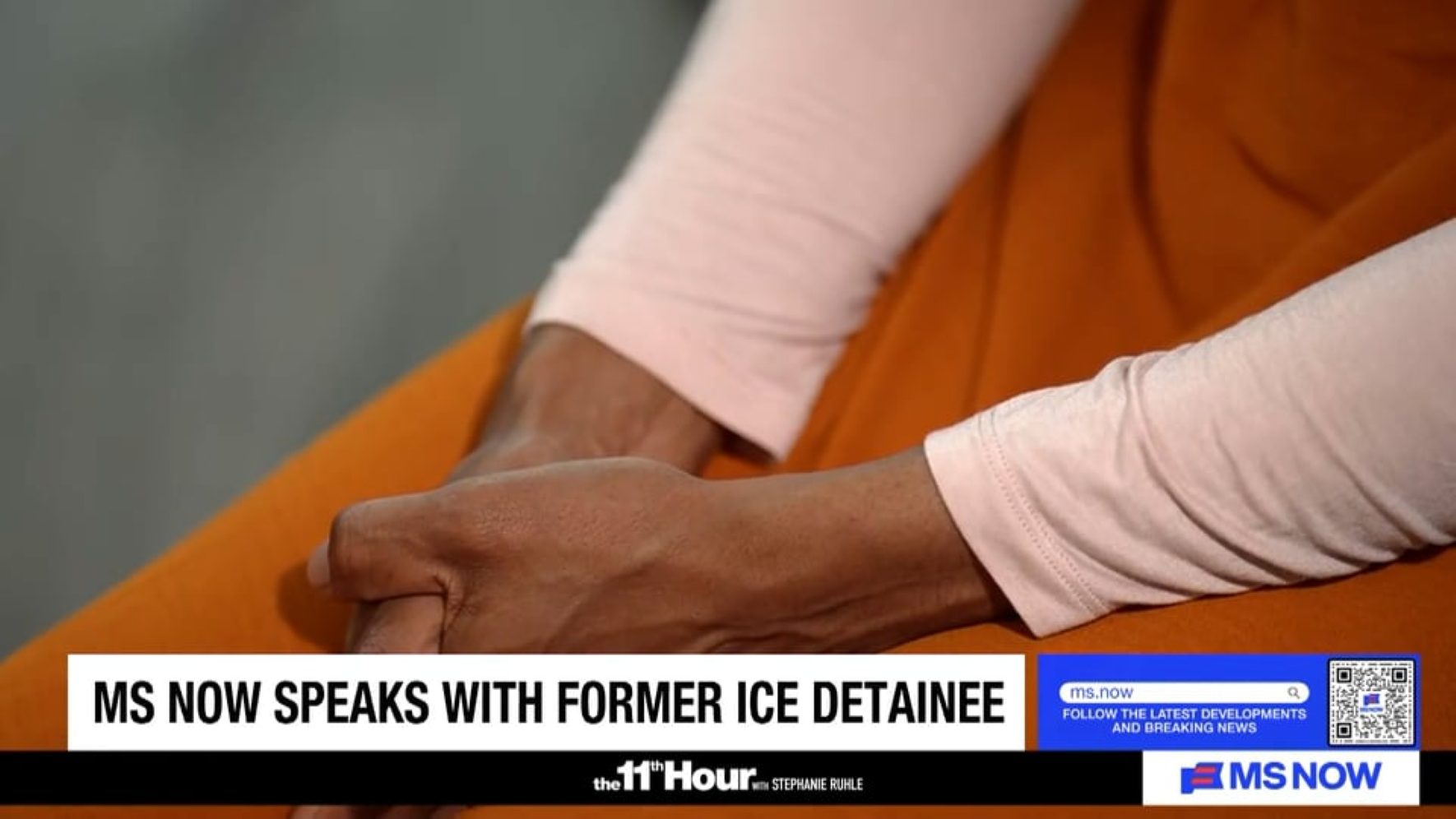
A constant reminder of her ordeal is the ankle monitor she now wears. This visible marker, a symbol of her perceived status as an offender, creates a palpable barrier between her and society. She described how strangers often move away from her on public transport, and how it makes her feel like a criminal, despite her only offense being the pursuit of safety. "I have to start from scratch," Juliette shared, her voice heavy with the weight of her reality. "I don’t feel safe. I have experienced fear, fear in my belly, my stomach, and also on a physical level, I am not the same."
Juliette’s decision to share her story on MS NOW, albeit anonymously for her safety, stems from a powerful desire to educate the public about the realities faced by individuals seeking protection in the United States. She aims to ensure that her experience, and the experiences of countless others, are not overlooked and that the human consequences of current immigration policies are understood.
Broader Implications and HIAS’s Commitment
Juliette’s story is not an isolated incident; it is emblematic of the challenges faced by many asylum seekers and refugees navigating the U.S. immigration system. HIAS’s legal team is actively engaged in representing individuals within detention centers and in courtrooms, advocating for those whose voices often go unheard. Simultaneously, their social services teams provide essential support for the arduous journey of recovery, recognizing that legal battles are only one part of the healing process.
This commitment to holistic support is underscored by HIAS’s active participation in seven legal challenges against the Trump administration’s anti-immigrant agenda. Among these critical lawsuits are Amica Center for Immigrant Rights v. EOIR, which seeks to overturn detrimental changes that significantly curtail immigrants’ ability to appeal decisions made in immigration courts, and U.H.A. v Bondi, a case arguing that the practice of detaining resettled refugees for rescreening is not only cruel and harmful but also deeply retraumatizing.
A Call for Empathy and Action
Juliette’s courage in speaking out is a testament to her resilience and her hope that her testimony can effect change and shift the public discourse surrounding immigration. HIAS expresses profound gratitude for her bravery and reaffirms its unwavering commitment to standing with Juliette and all displaced individuals seeking refuge and safety in the United States.
The current detention policies, as highlighted by Juliette’s experience, raise significant questions about the ethical and humanitarian implications of the U.S. immigration system. The prolonged detention of individuals, many of whom have no criminal history, coupled with the often-inhumane conditions within these facilities, presents a stark contrast to the nation’s historical role as a haven for those fleeing persecution. The economic and social costs of mass detention, both for the individuals detained and for society at large, are substantial. The trauma inflicted can have long-lasting effects, impacting not only the individuals themselves but also their families and communities.
Advocacy groups and legal experts have consistently pointed to the need for comprehensive immigration reform that prioritizes due process, humane treatment, and alternatives to detention. The data on the high number of non-criminal detainees underscores the potential for more targeted and effective approaches to immigration enforcement. The ongoing legal challenges initiated by organizations like HIAS represent a critical effort to ensure that the U.S. immigration system upholds fundamental human rights and legal principles. The personal testimonies of individuals like Juliette are vital in humanizing the often-impersonal statistics and in driving a more compassionate and just approach to immigration policy.
*Name changed for safety.