The recent Winter Bazaar season, a cornerstone initiative of Cultural Survival, successfully concluded its series of vibrant events, celebrating Indigenous artistry, cultural preservation, and economic self-determination. The Bazaars, held in December 2025, served as critical platforms for Indigenous artists from around the globe to connect with a wider audience, fostering cultural exchange and providing significant economic opportunities. This year’s events underscored the growing momentum behind the "Shop Indigenous!" movement, drawing a strong turnout of supporters eager to engage with and invest in Indigenous communities.
A Season of Light and Reciprocity: Celebrating the Winter Solstice
The Winter Bazaar season commenced with a profound connection to the natural world and Indigenous cyclical New Years, aligning with the winter solstice. This period, marked by the return of the sun and the increasing light, was embraced as a time of renewal and reciprocity. Cultural Survival’s program manager, Candyce Testa, a member of the Pequot community, articulated the deep significance of this timing, stating, "This past winter season, we invited you to join us in celebration of the winter solstice, the return of the sun, the return of the light, to harken in the very first of our cyclical New Years. What a joy it was to celebrate this time of reciprocity and renewal with so many amazing partners and friends, including staff, volunteers, interns, homestay hosts, performers, and Indigenous vendors." The enthusiastic response to the "Shop Indigenous!" call to action was met with gratitude, expressed in multiple languages including "Yakoke, Kutaputush, Gracias, Thank you."
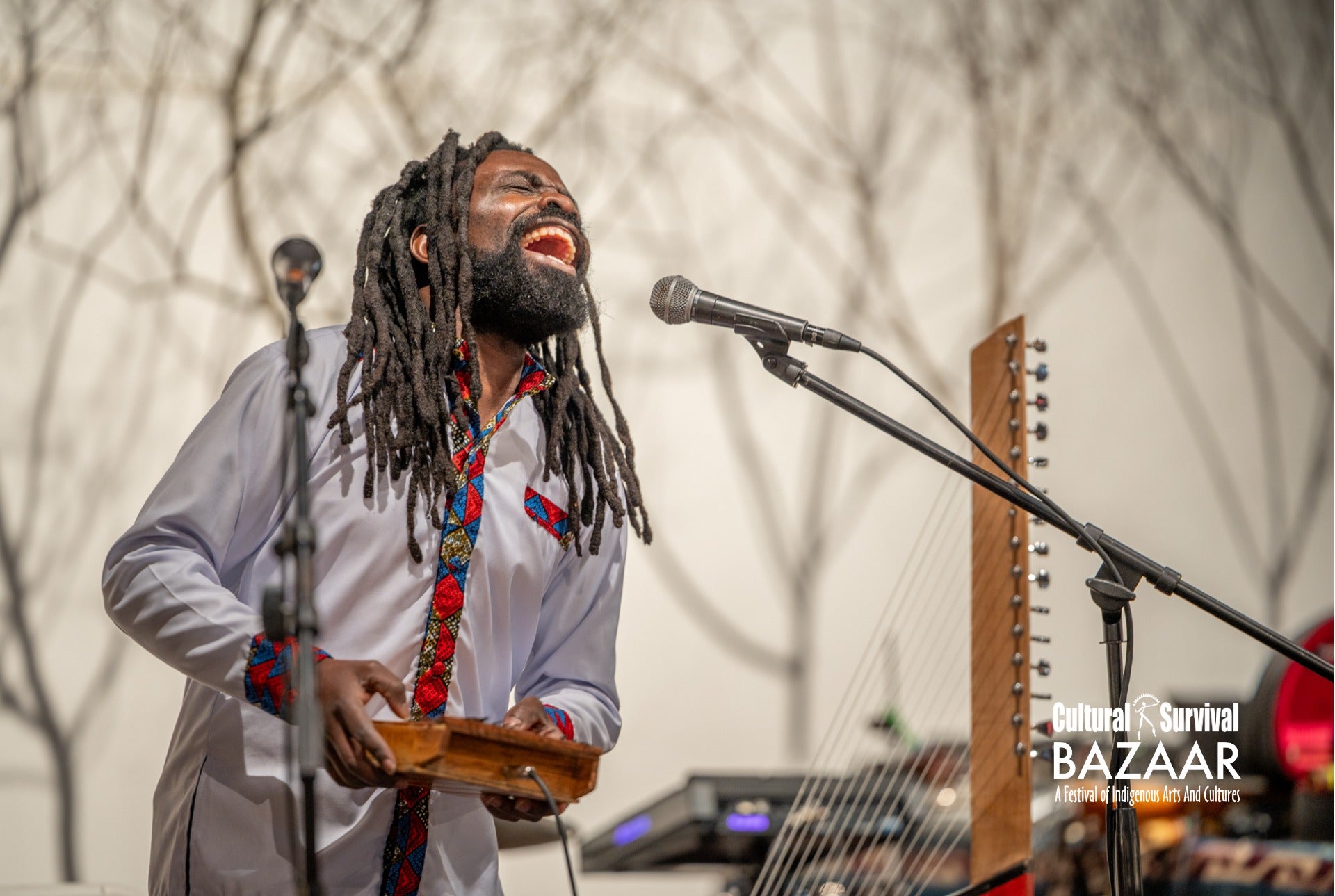
Historic Venues Foster Cultural Resonance
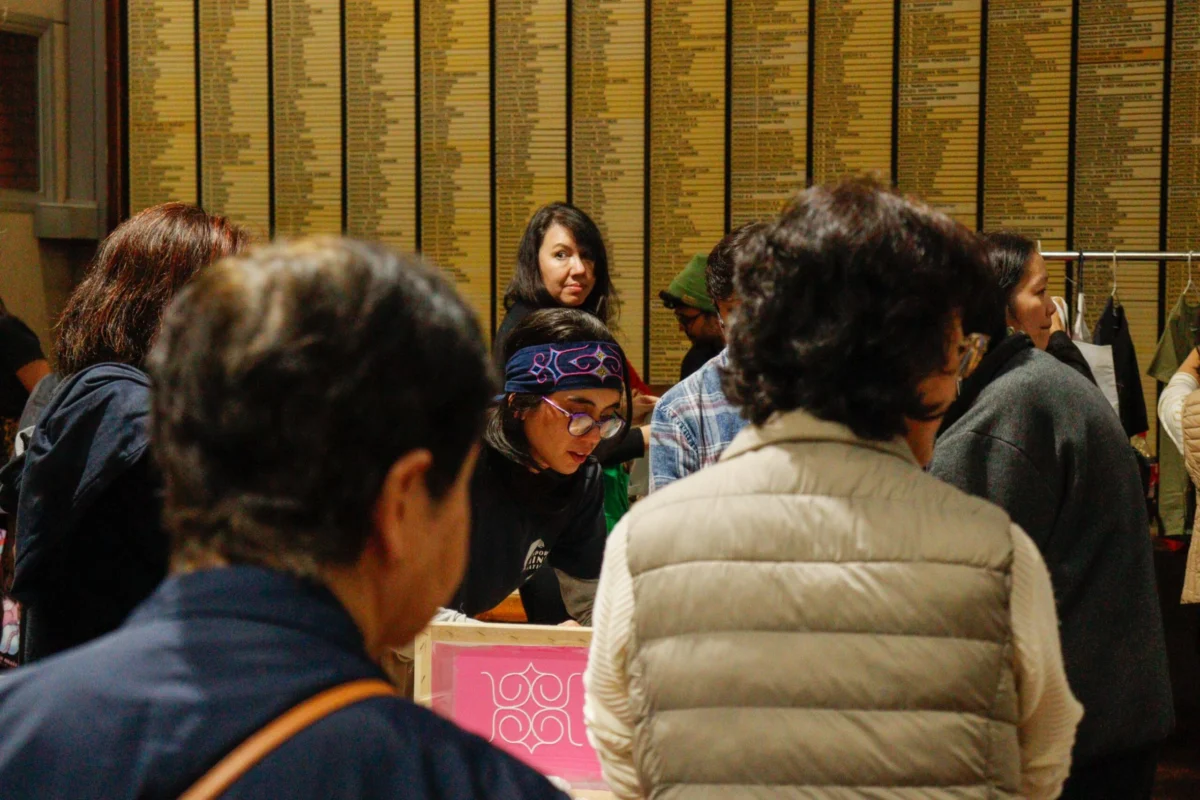
The first Winter Bazaar of the season was held at the historic Cyclorama at the Boston Center for the Arts on December 13-14, 2025. This iconic venue, known for its dramatic 360-degree murals, provided a unique and inspiring backdrop for the event. The circular architecture of the Cyclorama itself resonated with the cyclical themes central to Indigenous cosmology and the overall ethos of the Bazaars. Organizers noted the supportive nature of the venue’s staff and the inherent elegance the historic space lent to the occasion. "The circular layout immediately evoked the rhythms and cycles of the year, the week, the day, and even time itself," Testa observed. "It was a joy to design a layout that used the circular shape organically, contributing to the steady flow of both energy and people throughout this unique and beautiful space." This thoughtful spatial design facilitated an immersive experience for attendees, allowing for seamless navigation between the diverse array of artisan stalls and performance areas.
The subsequent weekend saw the Winter Bazaar relocate to the WaterFire Art Center in Providence, Rhode Island, on December 20-21, 2025. This venue, renowned as a hub for artistic expression in the city recognized as the "Creative Capital" of the United States, offered an expansive 15,000-square-foot space. This generous area provided vendors with ample room to showcase their physical and performance arts, enhancing the overall presentation and attendee experience. The WaterFire Art Center staff were lauded for their exceptional support, offering flexibility and collaboration that extended beyond the event dates, establishing a promising foundation for future partnerships. The synergy between the artists and the dynamic venue created an environment conducive to both commerce and cultural appreciation.
Economic Impact and Global Reach of the Bazaars
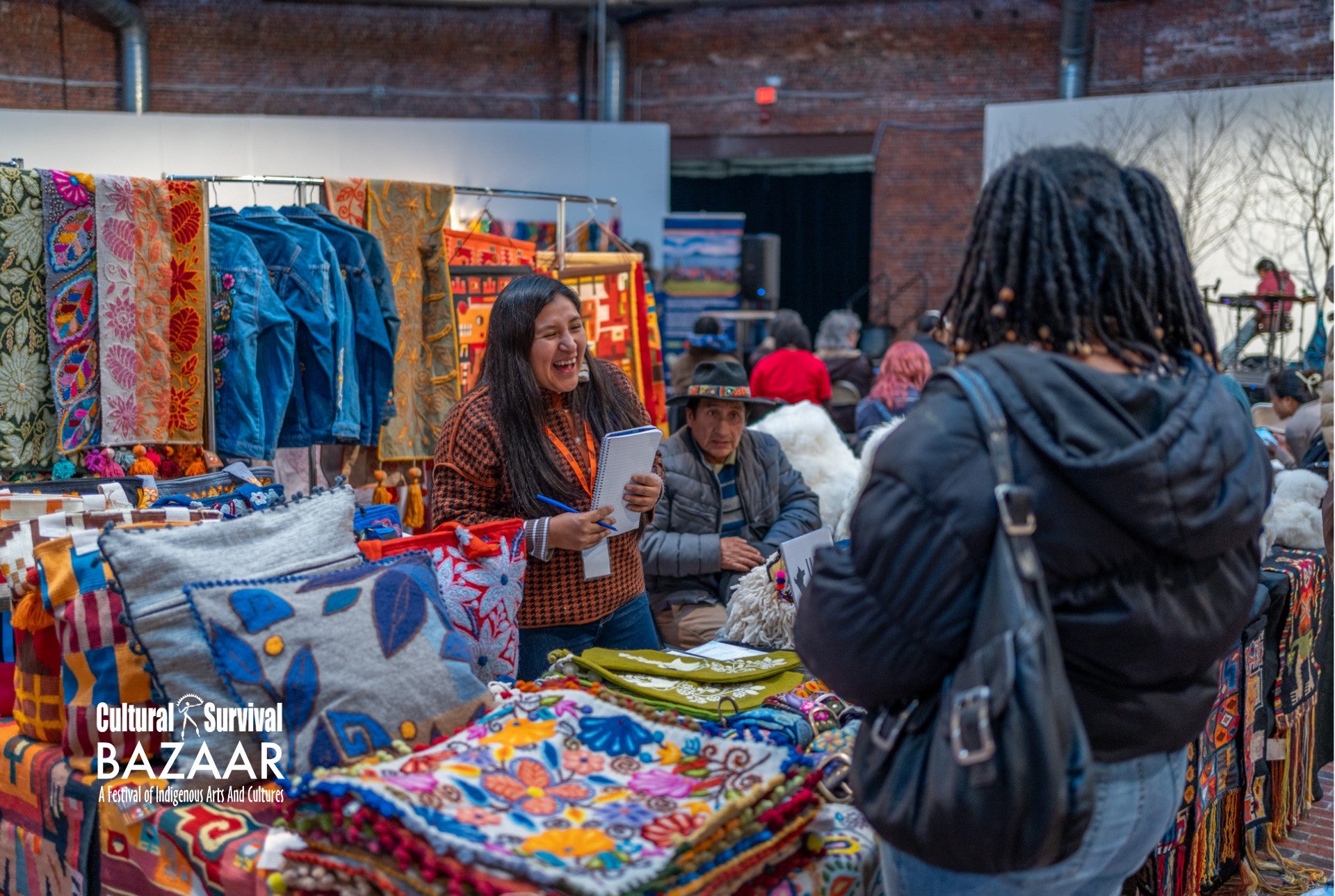
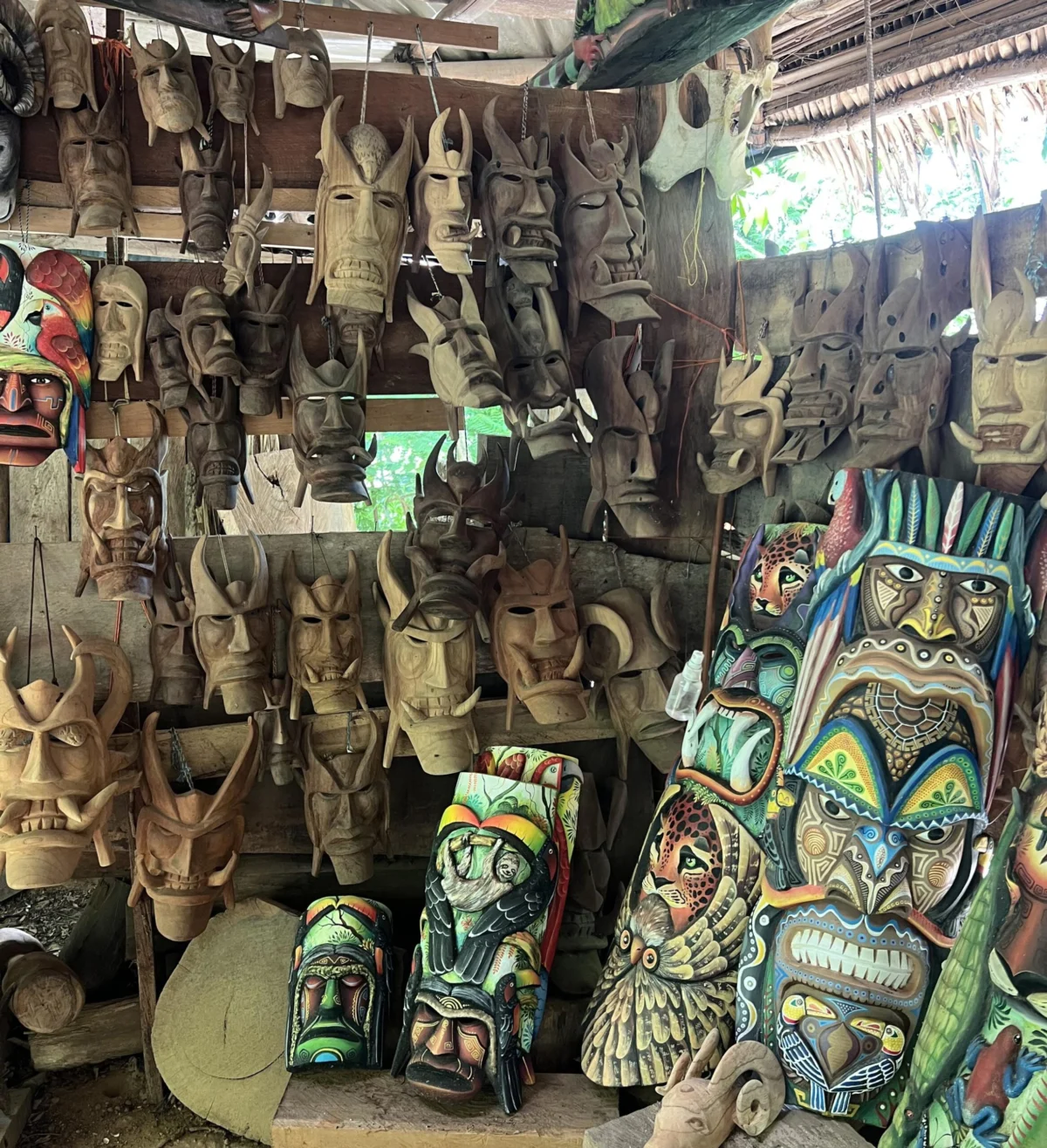
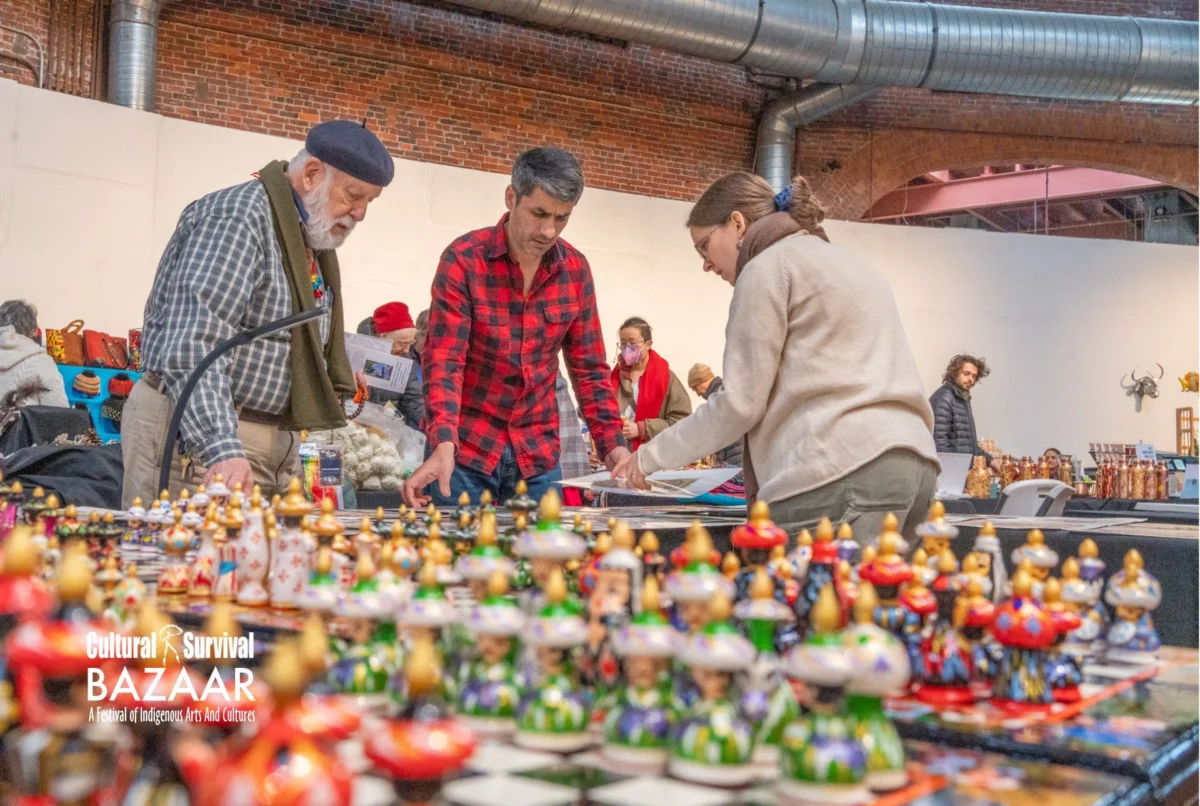
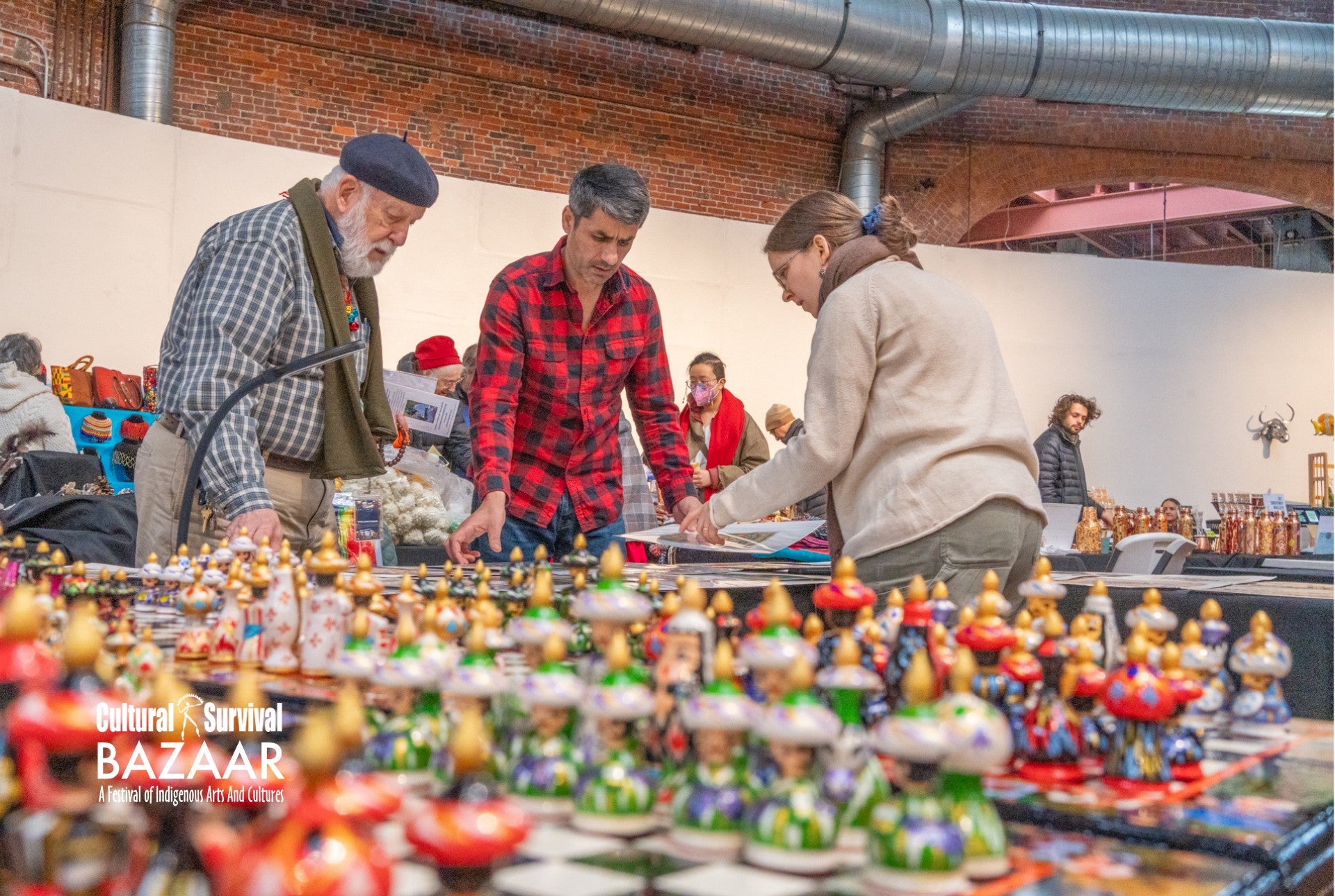
The Cultural Survival Bazaars play a pivotal role in fostering Indigenous livelihoods, promoting cultural sustainability, and cultivating meaningful personal connections. These events serve as invaluable conduits, offering the public a rare opportunity to engage directly with Indigenous artists from across the globe, gaining insights into diverse perspectives and ways of life. This year’s Winter Bazaars collectively welcomed 54 artists and their representatives, impacting an estimated 935 individuals from 34 distinct communities spanning 25 countries. The economic implications were substantial, with vendors collectively generating nearly $300,000 in sales. Individual artists reported earnings ranging from $1,000 to $10,000 per event, highlighting the direct financial benefit these platforms provide for Indigenous artisans and their families.
This significant economic injection not only supports individual artists but also contributes to the broader economic vitality of their communities. The Bazaars act as a crucial mechanism for economic empowerment, enabling artists to reinvest in their craft, sustain traditional practices, and support their families. The direct-to-consumer model fostered by the Bazaars bypasses traditional intermediaries, ensuring that a larger portion of the revenue directly benefits the Indigenous creators. This model is particularly vital for artists from remote or underserved regions, providing them with access to international markets that might otherwise be inaccessible.
Introducing New Voices and Artistic Innovations
The commitment to showcasing emerging talent and established artists alike is a hallmark of the Cultural Survival Bazaars. In preparation for the 2026 season, the organization carefully selected 56 new vendors from a competitive pool of 110 applications. Among these promising new participants was Associação IndÃgena Pykôre, a Kayapo association from Brazil. Two representatives from this organization presented intricate seed and wood jewelry, alongside meticulously crafted cloth designs that mirrored traditional ceremonial body paint patterns. Their presence was further enriched by a poignant cultural sharing session of word and song on the final day of the Boston Bazaar, offering attendees a profound glimpse into Kayapo heritage.
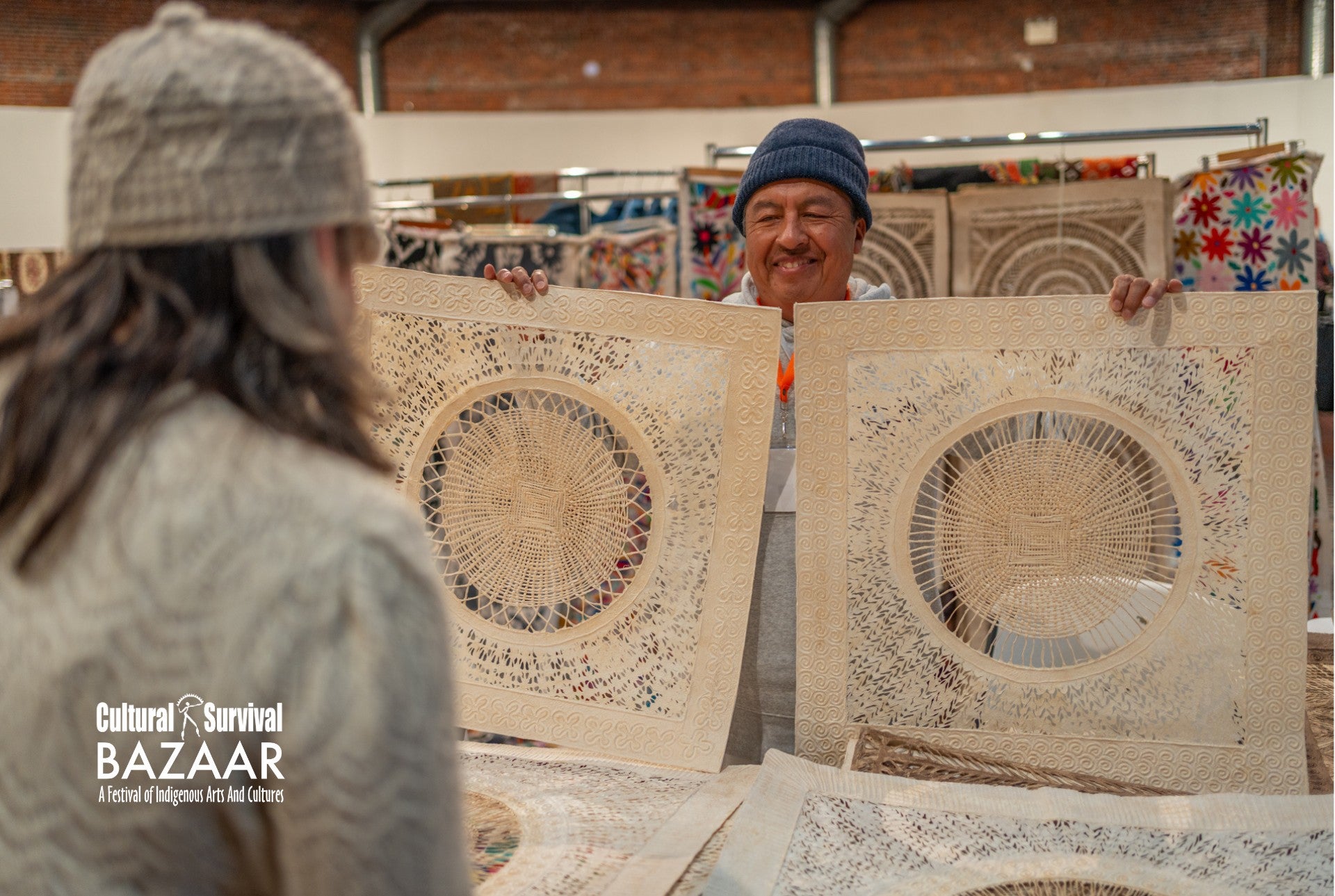
Another notable addition to the Bazaars was Jeremy Arviso, an artist of Hopi, Diné, Akimel O’odham, and Tohono O’odham heritage. Arviso, a multidisciplinary artist, utilizes his jewelry, clothing, and outerwear designs as vehicles for transmitting Native stories. His brand’s mission to "challenge the status quo of dominant culture with thought-provoking graphics and messages" resonated deeply with the Bazaars’ ethos of cultural assertion and dialogue. Beyond his artistic contributions, Arviso also engaged attendees with dynamic physical movements, encouraging participants to stretch and re-energize after a weekend of focused engagement. This blend of artistic expression and interactive cultural practice underscored the holistic nature of the Bazaars.
The selection process for new vendors emphasizes not only artistic merit but also a commitment to cultural authenticity and community benefit. Cultural Survival’s rigorous vetting process ensures that participating artists are deeply rooted in their cultural traditions and that their participation aligns with the organization’s mission to support Indigenous peoples’ rights and cultural survival. The inclusion of artists like Associação IndÃgena Pykôre and Jeremy Arviso demonstrates the Bazaars’ ongoing effort to diversify the range of Indigenous cultures and artistic expressions represented, offering attendees an ever-expanding educational and cultural experience.
Melodies of Tradition and Innovation: The Featured Performers
The Winter Bazaars were further enlivened by a curated selection of musical and performance artists who captivated audiences with their diverse talents. Yarina, a Kichwa Otavalo fusion music ensemble, has been a steadfast partner of the Cultural Survival Bazaars for nearly two decades. Their music, which powerfully promotes the revitalization of Kichwa traditions through language, music, arts, and crafts, has become synonymous with the Bazaars’ soundscape for many attendees. Their enduring presence speaks to the deep collaborative relationships Cultural Survival fosters with Indigenous artists.
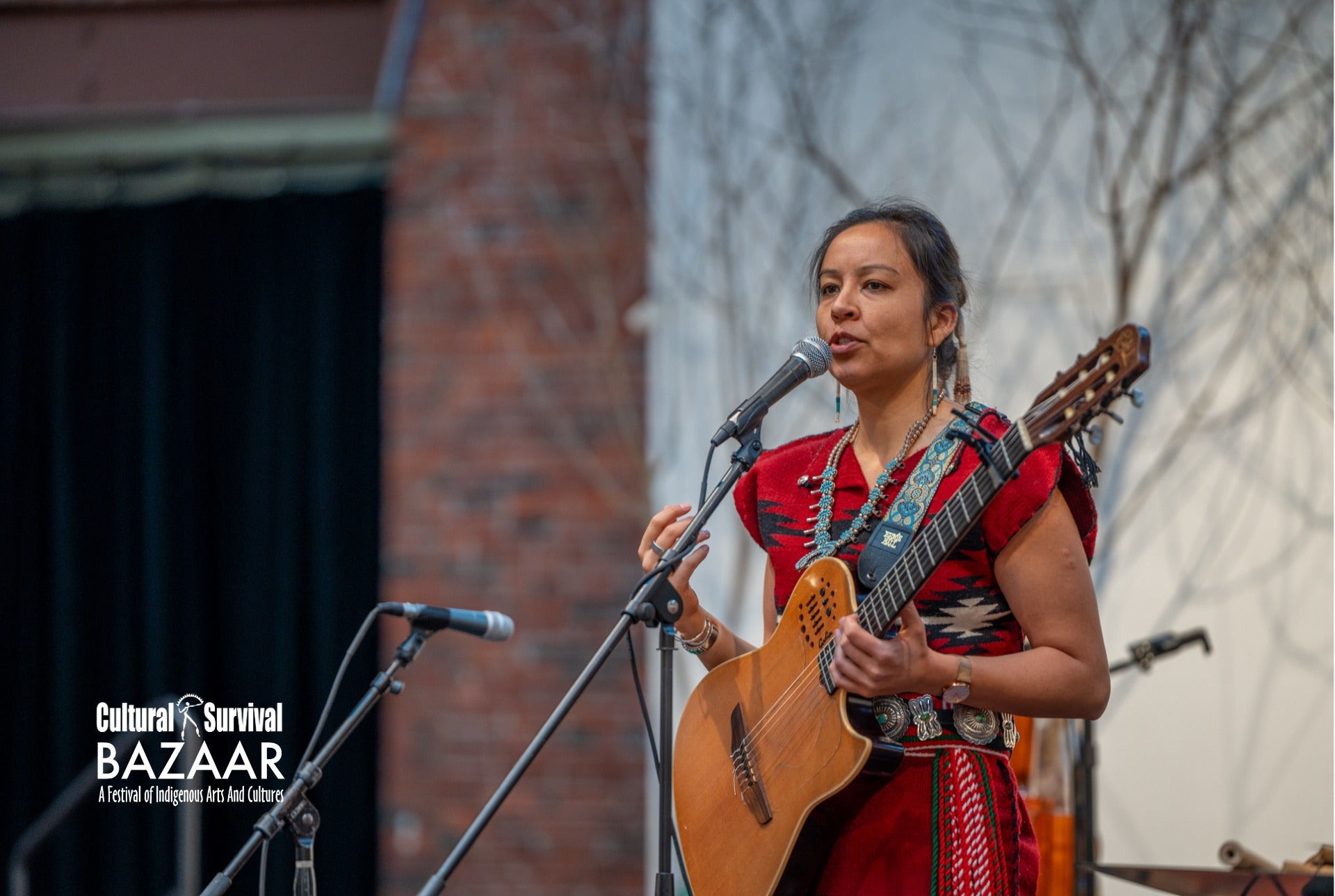
Adding another layer of artistic brilliance was Dr. Lyla June Johnston, a respected CS Board Member, also known as Lyla June. A Diné/Tsêhéstâhese musician, author, and community organizer, Johnston delivered an inspirational performance of her multi-genre music. Her work is deeply rooted in Indigenous philosophy, healing practices, and environmental stewardship, offering audiences a powerful message of hope and resilience. Her presence on stage underscored the multifaceted nature of Indigenous leadership and artistic expression.
The enchantment of the Bazaars was further amplified by the arrival of Ugandan folk musician Samual Nalagira and his troupe of talented dancers. Their captivating performance and sound check created an atmosphere of joy and celebration, drawing many attendees to their feet in appreciation. The dynamic energy of Nalagira’s music and dance provided a vibrant counterpoint to the more introspective artistic presentations, showcasing the global breadth of Indigenous performing arts. The inclusion of artists from such diverse geographical and cultural backgrounds underscores the Bazaars’ commitment to presenting a holistic panorama of Indigenous cultural expression.
A Spontaneous Celebration: The Heart of the Bazaar Experience
Perhaps the most poignant moment of the Winter Bazaar season occurred during Yarina’s final performance. As the energy of the consecutive weekends of vending, performing, and connecting began to wane, a spontaneous eruption of communal celebration took place. A member of Yarina began to dance, and soon, fellow vendors and staff members joined in, transforming the space into an impromptu dance party. This unscripted moment served as a powerful reminder of the true essence of the Bazaars.
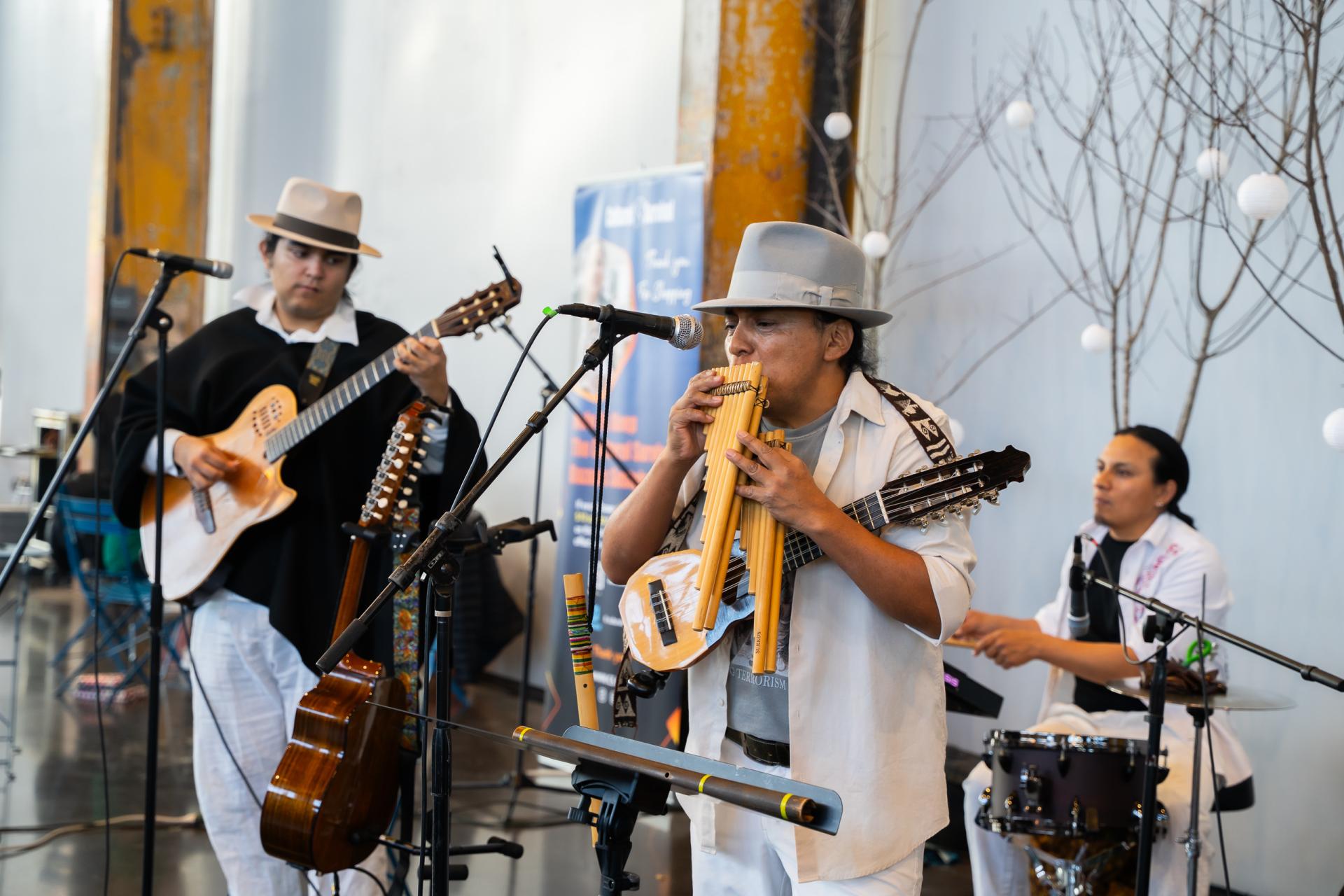
"This impromptu dance party was just the medicine we needed to energize our physical and spiritual selves before closing the venue doors, boxing up our belongings, and packing the truck, all the while hugging one another and saying, ‘Till next time,’" Testa reflected. This spontaneous expression of joy and camaraderie encapsulated the deeper purpose of the Bazaars: they are far more than mere commercial events; they are vital spaces for connection, cultural exchange, and the creation of enduring memories. This moment underscored the profound human element that underpins the Bazaars, where shared experiences forge lasting bonds and strengthen the collective spirit of Indigenous Peoples.
The Bazaars function as a crucial vehicle for cultural exchange and knowledge sharing, allowing artists to not only sell their work but also to share their stories, traditions, and perspectives. The spontaneous dance party was a testament to the organic community building that occurs within the Bazaar environment, where shared passion for culture and mutual respect create an atmosphere of profound connection. These moments of collective joy and shared humanity are as vital to the success of the Bazaars as the economic transactions that take place.
Looking Ahead: Opportunities for Engagement in Summer 2026
With the successful conclusion of the Winter Bazaars, Cultural Survival is already looking ahead to the Summer 2026 season, inviting continued participation and support. The organization is actively seeking craft vendors, food vendors, homestay hosts, volunteers, and donors to contribute to the success of upcoming events. These opportunities provide tangible ways for individuals and organizations to engage directly with the mission of supporting Indigenous artists and cultural preservation.
The upcoming Summer Bazaars are scheduled as follows:
- July 24-26, 2026: Tiverton Four Corners Arts Center, Tiverton, RI. This event will run from 10 am to 6 pm daily, offering a diverse array of Indigenous art and crafts.
- August 1-2, 2026: Farm Fresh Rhode Island, Providence, RI. This weekend market will provide another platform for artists to connect with the community.
These dates and locations offer accessible opportunities for the public to participate in the Summer Bazaar season, supporting Indigenous artisans and experiencing the vibrant cultural tapestry they represent. Cultural Survival’s commitment to creating these inclusive and empowering platforms remains steadfast, ensuring that the legacy of the Bazaars continues to grow and positively impact Indigenous communities worldwide. The organization’s ongoing efforts to facilitate direct economic benefits and foster cultural understanding through these vibrant events are a testament to their dedication to the rights and well-being of Indigenous Peoples.