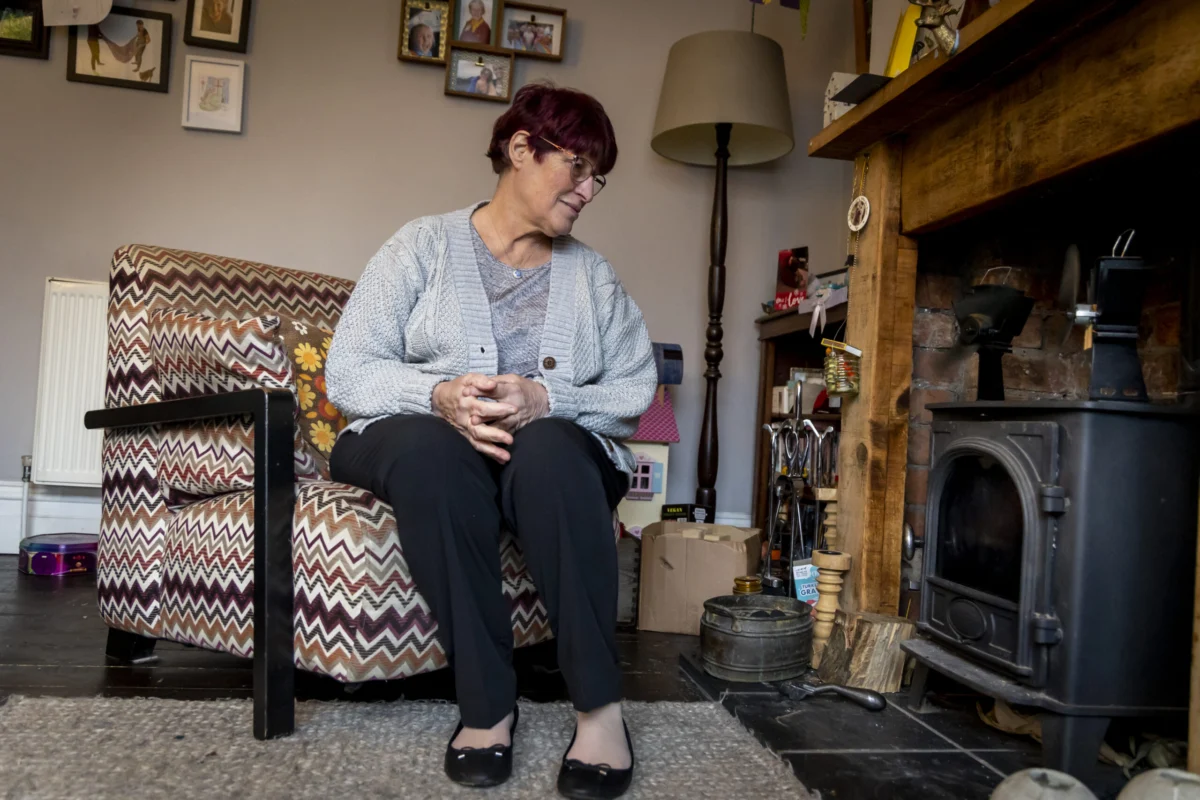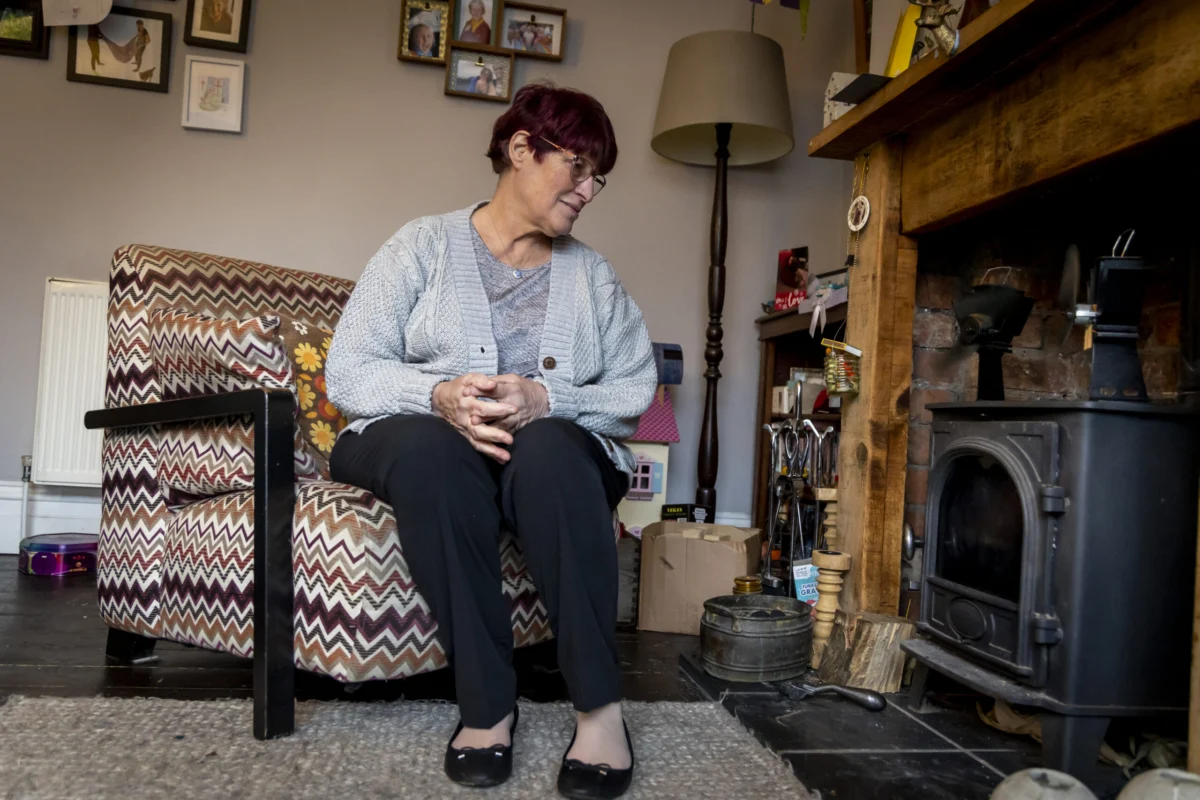
The release of the latest Survey on Income and Living Conditions (SILC) for 2025 by the Central Statistics Office (CSO) has ignited a national conversation regarding the economic security of Ireland’s aging demographic. The data reveals a stark and widening gap in the standard of living for older citizens, with those living alone bearing the brunt of inflationary pressures and inadequate long-term social protection measures. According to the report, the risk of poverty among older people has reached critical levels, prompting advocacy groups like Age Action to demand an immediate shift from temporary "cost-of-living" buffers to permanent, indexed welfare adjustments.
The 2025 figures indicate that older people living alone now represent one of the most economically vulnerable cohorts in the state. The income poverty rate for this group surged to 30.3% in 2025, a significant increase of 4.4 percentage points from the 25.9% recorded in 2024. This figure is nearly two and a half times the national average for income poverty, suggesting that while other sectors of the economy may be stabilizing, the elderly population—particularly those without the shared resources of a multi-person household—is being left behind.
Understanding the Statistical Landscape of Elderly Poverty
To comprehend the gravity of the CSO findings, it is essential to distinguish between the various metrics used to measure economic hardship. The SILC report utilizes three primary indicators: the "at risk of poverty" rate, "enforced deprivation," and "consistent poverty."
The "at risk of poverty" rate is a measure of income inequality, identifying individuals whose disposable income falls below 60% of the national median. For older people living alone, this rate of 30.3% reflects a systemic failure to align the State Pension and other social transfers with the actual cost of living in a modern economy.
"Enforced deprivation" refers to the inability to afford at least two out of eleven basic necessities, such as keeping the home adequately warm, replacing worn-out furniture, or buying new clothes rather than second-hand ones. The 2025 data shows that almost one in five (18.3%) older people living alone experienced enforced deprivation. Even for couples where at least one person is aged 65 or older, the rate stood at 9.8%, indicating that the presence of a second person or a second potential income stream does not fully insulate the elderly from the inability to afford essentials.
The most severe metric, "consistent poverty," describes individuals who are both at risk of income poverty and experiencing enforced deprivation. Nearly one in ten (9.8%) older people living alone fell into this category in 2025. This group represents the most marginalized segment of Irish society, facing the dual challenge of low liquid assets and a lack of physical resources.
A Chronology of Economic Pressure (2023–2026)
The current crisis did not emerge in a vacuum. The timeline of the last three years shows a clear trajectory of escalating costs met by temporary government interventions.
In 2023 and 2024, Ireland experienced a period of high inflation, particularly in energy and food prices. In response, the government introduced a series of "one-off" payments, including electricity credits and double social welfare payments during the winter months. While these measures provided temporary relief, they did not alter the base rate of the State Pension in a way that kept pace with the permanent rise in the price floor of essential goods.
By 2025, as the CSO data now confirms, the reliance on these temporary measures began to show its limitations. While the one-off supports in 2025 were credited with reducing the poverty risk by 5.9 percentage points, they functioned as a "sticking plaster" rather than a cure. The underlying income of pensioners remained insufficient to meet their needs without these periodic injections of cash.
As the nation looks toward Budget 2026, the absence of a commitment to structural reform has created a sense of impending crisis. The failure of the state to transition from emergency one-off measures to a permanent, adequacy-indexed pension system means that the 5.9 percentage point "safety net" provided in 2025 is set to disappear, potentially pushing thousands more older people below the poverty line in the coming year.
The Role of Advocacy and Official Responses
Camille Loftus, Head of Advocacy and Public Affairs at Age Action, has been vocal about the implications of the CSO report. She emphasized that the temporary nature of recent government supports has masked the true depth of the problem. "While one-off cost of living measures have reduced the poverty risk for older people in recent years—by 5.9 percentage points in 2025—the failure to replace these supports with permanent and targeted measures in Budget 2026 means that older people will face a growing risk of living in poverty in 2026," Loftus stated.

The sentiment from advocacy groups suggests that the government’s current fiscal strategy is reactive rather than proactive. By relying on year-to-year "bonuses," the state maintains a level of unpredictability for pensioners who are often unable to return to the workforce to supplement their income.
While the Department of Social Protection has previously defended its approach, citing the need for fiscal flexibility in an uncertain global economy, the CSO data provides a counter-argument: flexibility for the state often translates to instability for the vulnerable. Economists specializing in social policy argue that the "poverty gap"—the distance between the income of those in poverty and the poverty line—is widening, making it harder for one-off payments to bridge the divide.
Broader Economic and Social Implications
The rise in elderly poverty carries significant implications for the state beyond the immediate financial hardship of individuals. There is a well-documented correlation between economic deprivation and poor health outcomes. Older people living in "consistent poverty" are less likely to maintain adequate nutrition and more likely to live in cold, damp conditions due to energy poverty.
This creates a secondary pressure on the national healthcare system (HSE). Increased rates of respiratory illnesses, falls due to poorly maintained housing, and the mental health toll of social isolation—often exacerbated by a lack of funds to participate in community life—lead to higher hospitalization rates and a greater demand for long-term care services.
Furthermore, the housing crisis in Ireland adds a layer of complexity. While many older people own their homes outright, an increasing number of "new" retirees are entering their 60s and 70s as renters in the private market. For this demographic, the 30.3% poverty risk for those living alone is even more precarious, as a significant portion of their fixed income is diverted to rent, leaving little for food, medicine, or heating.
Analysis: The Case for Benchmarking and Indexation
The data from the CSO 2025 report suggests that the current model of Irish social welfare for the elderly is at a crossroads. For decades, the State Pension was seen as a reliable shield against poverty, but the inflationary shocks of the mid-2020s have exposed its vulnerabilities.
Policy analysts suggest that the only viable long-term solution is the "benchmarking" of the State Pension to a percentage of average weekly earnings, or "indexation" to the Consumer Price Index (CPI). Benchmarking would ensure that pensioners’ standard of living rises in tandem with the rest of society, while indexation would protect the purchasing power of the pension against inflation.
Without these structural changes, the "at risk of poverty" rates for those living alone are projected to remain high or even increase. The 4.4 percentage point jump between 2024 and 2025 serves as a warning that the economic divide in Ireland is not just between different social classes, but between different stages of life.
Conclusion and Future Outlook
The Survey on Income and Living Conditions 2025 serves as a definitive record of a growing social crisis. The fact that nearly one-third of older people living alone in Ireland are at risk of income poverty is a statistic that challenges the narrative of a broad-based economic recovery.
As the government prepares for the next budgetary cycle, the pressure from Age Action and other civil society organizations will likely intensify. The demand is clear: a move away from the unpredictability of one-off payments and toward a rights-based approach to income adequacy. For the 18.3% of older people currently going without essentials, and the 9.8% trapped in consistent poverty, the debate over Budget 2026 is not merely a matter of fiscal policy, but a matter of fundamental dignity and survival.
The coming months will determine whether the state will heed the warnings of the CSO data or if 2026 will see a further erosion of the financial security of Ireland’s older generation. With an aging population, the social and economic cost of inaction will only continue to grow, making the need for permanent, structural reform more urgent than ever.