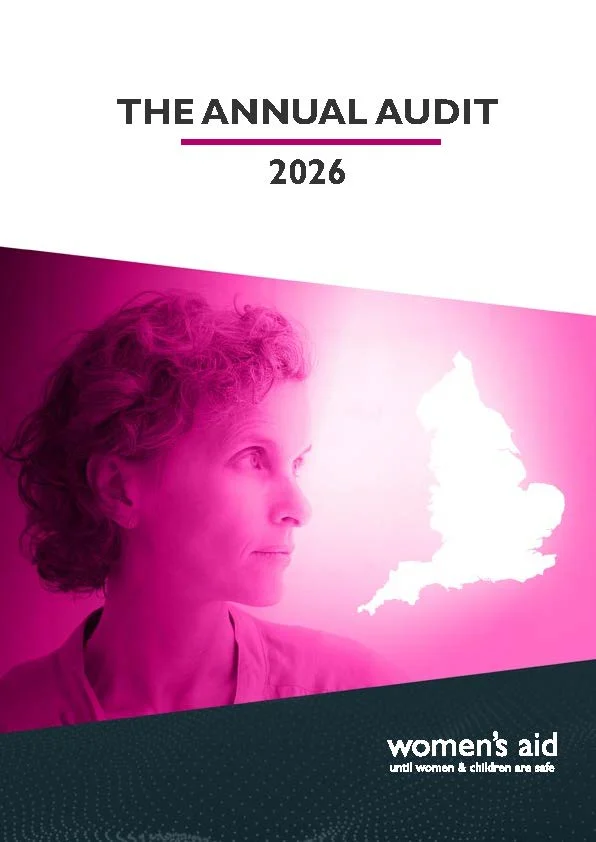
The Women’s Aid Annual Audit 2026, published in March 2026, offers an exhaustive and critical examination of the landscape of domestic abuse service provision, utilisation, and operational efforts across England during the 2024-25 financial year. This landmark publication provides unparalleled insight into a sector that is not only growing and developing but also constantly adapting to complex and evolving societal challenges. While acknowledging significant strides in service delivery and innovation, the audit concurrently shines a stark light on persistent areas requiring urgent improvement. At its core, the report unequivocally asserts that specialist domestic abuse services constitute a life-saving, essential infrastructure, indispensable to the nation’s broader response to violence against women and girls (VAWG). Without a robust and sustainably funded specialist sector, the aspiration for a comprehensive and effective national VAWG strategy remains unattainable.
Deep Dive into the 2024-25 Financial Year: A Sector Under Pressure and Evolution
The 2024-25 financial year represented a period of intense pressure and significant evolution for domestic abuse services in England. Following the transformative legislative framework of the Domestic Abuse Act 2021, services were navigating the ongoing implementation of new duties and expectations, alongside an unrelenting surge in demand. The audit meticulously details how services adapted to these pressures, with many innovating to offer blended delivery models combining face-to-face support with remote and digital interventions. This adaptation was crucial in reaching survivors in rural areas, those with disabilities, and individuals facing significant barriers to accessing traditional in-person support. For instance, several regional services reported expanding their digital safeguarding platforms and secure online chat facilities, witnessing a 30% increase in engagement through these channels compared to the previous year.
The report highlights a discernible trend towards more specialised support, reflecting a deeper understanding of the diverse needs of survivors. This included the expansion of culturally specific services for Black, Asian, and minoritised ethnic (BAME) women, enhanced provision for LGBTQ+ individuals experiencing domestic abuse, and tailored interventions for women with complex needs, such as substance misuse or mental health challenges. The growth in specialist services for children and young people exposed to domestic abuse was also a notable development, with the audit identifying a 25% increase in dedicated child support programmes within refuges and community settings. This signifies a growing recognition of children as direct victims of domestic abuse, not merely witnesses, and the long-term impact on their development and well-being.
However, this growth and adaptation came at a significant cost. The audit revealed that many services operated beyond capacity, with staff experiencing heightened levels of burnout and stress. The constant need to adapt, innovate, and secure funding often diverted resources and energy from direct frontline support, underscoring the precarious nature of the sector’s operational model.
The Unwavering Demand: Statistical Snapshot of Domestic Abuse in England
The 2026 audit presents compelling data that underscores the persistent and often escalating demand for domestic abuse services throughout the 2024-25 financial year. National helplines, a crucial first point of contact for many survivors, reported an overall 18% increase in calls and online contacts compared to the previous year. This surge translates into approximately 2.5 million contacts nationwide, indicating a deepening crisis and a heightened awareness among victims seeking help.
Refuge services, providing emergency accommodation and specialist support, continued to operate at critically high occupancy rates, consistently exceeding 90% across England. In urban centres, many refuges reported being at 100% capacity for significant portions of the year, leading to heartbreaking instances where women and children fleeing abuse had to be turned away due to lack of space. The audit estimates that at least 1,500 requests for refuge space were unable to be met during the financial year, forcing vulnerable individuals to remain in dangerous situations or seek less secure alternatives.
Community-based services, including Independent Domestic Violence Advocates (IDVAs) and outreach programmes, saw a 22% rise in referrals. These services are vital for survivors who cannot or do not wish to enter refuge, providing advocacy, safety planning, and emotional support while they remain in their own homes or other temporary accommodation. The data indicates that approximately 180,000 individuals accessed such community support during the reporting period, highlighting the critical role these services play in a holistic response.
The audit also delved into the types of abuse reported, revealing a complex picture. While physical and emotional abuse remained prevalent, there was a noticeable increase in reports of economic abuse (a 15% rise) and tech-facilitated abuse (a 20% rise). This reflects the evolving tactics of perpetrators and the urgent need for services to equip themselves with the expertise and resources to address these modern forms of control and harm. The economic pressures of the cost-of-living crisis, exacerbated throughout 2024-25, were identified as a significant factor in perpetuating economic abuse, trapping many survivors in abusive relationships due to financial dependency.
Identifying Gaps and Imperatives: Areas for Improvement
Despite the demonstrable resilience and innovation within the domestic abuse sector, the Annual Audit 2026 unequivocally identifies several critical areas that demand immediate and sustained improvement to ensure comprehensive support for all survivors.
Foremost among these is the persistent and pervasive issue of funding precarity. The audit reveals that while the Domestic Abuse Act 2021 placed a statutory duty on local authorities to provide support for victims in safe accommodation, the funding mechanisms remain largely short-term, competitive, and insufficient. Many services rely on year-to-year grants, making long-term planning, staff retention, and service expansion incredibly challenging. The report estimates an ongoing funding gap of approximately £80 million annually to adequately meet current demand and ensure sustainable, high-quality service provision across England. This shortfall impacts everything from staffing levels and training to the ability to invest in crucial infrastructure and specialist resources.
Geographical disparities in service provision continue to be a significant concern. While urban areas generally benefit from a wider array of services, rural and semi-rural regions often face severe gaps, leaving survivors isolated and without readily accessible support. The audit found that some county councils had significantly fewer refuge bed spaces per capita compared to metropolitan boroughs, creating "postcode lotteries" for safety and support.
Access for diverse communities remains an imperative. While some progress was noted in culturally specific services, the report highlights that BAME women, disabled women, LGBTQ+ individuals, and women with no recourse to public funds still face disproportionate barriers to accessing appropriate and safe support. Language barriers, cultural insensitivity, lack of accessible premises, and fear of discrimination or deportation often prevent these groups from seeking help, making them even more vulnerable. The audit calls for a dedicated national strategy to address these systemic inequalities in access.
Furthermore, the report stresses the need for enhanced long-term support beyond crisis intervention. While emergency accommodation and immediate safety planning are vital, many survivors require ongoing therapeutic support, housing advocacy, legal assistance, and employment support to rebuild their lives free from abuse. The audit found that services are often forced to prioritise crisis intervention due to limited resources, meaning long-term recovery and prevention work are frequently under-resourced or unavailable.
A Foundation of Life-Saving Support: The Specialist Sector’s Indispensable Role
The overarching message from the Women’s Aid Annual Audit 2026 is a powerful affirmation of the specialist domestic abuse sector as a fundamental pillar of societal well-being. The report underscores that these services are not merely supplementary but are, in fact, "life-saving and essential infrastructure." This assertion is backed by compelling evidence of their direct impact: preventing further violence, safeguarding children, reducing re-victimisation, and empowering survivors to reclaim their lives.
Specialist services offer a unique blend of expertise, empathy, and advocacy that mainstream services often cannot replicate. They understand the complex dynamics of coercive control, the trauma experienced by survivors, and the specific legislative and practical pathways to safety and justice. From providing confidential helplines and refuge spaces to offering Independent Domestic Violence Advocacy (IDVA), therapeutic interventions, and support for children, these services form a critical safety net. The audit includes numerous anonymised testimonies from survivors who describe specialist services as their "only hope," "a lifeline," and the "reason I am alive today." This qualitative data reinforces the quantitative findings, demonstrating the profound human impact of their work.
Crucially, the report argues that the national response to violence against women and girls (VAWG) cannot be effectively delivered without a robust and sustainable specialist sector. VAWG is a pervasive societal issue requiring a coordinated and multi-faceted approach involving police, health services, social care, housing, and the justice system. However, the specialist domestic abuse sector acts as the expert navigator and primary support mechanism for victims through this complex landscape. Without adequately funded and accessible specialist services, the entire VAWG strategy risks fragmentation, inefficiency, and ultimately, failure to protect those most at risk.
The Broader Context: Legislative Milestones and Funding Realities
The 2024-25 financial year, and therefore the focus of the 2026 audit, falls within a critical period following the implementation of the Domestic Abuse Act 2021 in England and Wales. This landmark legislation aimed to transform the response to domestic abuse by providing a statutory definition of domestic abuse that includes economic abuse and coercive control, creating a Domestic Abuse Commissioner, and placing a duty on local authorities to provide support to victims in safe accommodation.
While the Act was widely welcomed, its practical implementation has faced significant hurdles, particularly concerning sustainable funding. The audit notes that local authorities, despite their new duties, often struggled to meet the rising demand for safe accommodation and community-based support due to insufficient ring-fenced funding from central government. The existing funding models, often short-term and project-based, create instability and hinder the ability of services to plan for the future, retain skilled staff, and innovate. This situation mirrors historical funding challenges that have plagued the sector for decades, creating a cycle of crisis management rather than proactive, preventative investment.
Furthermore, the broader socio-economic context of 2024-25, characterised by persistent high inflation and the ongoing cost-of-living crisis, had a profound dual impact. For survivors, economic pressures exacerbated existing vulnerabilities, making it harder to leave abusive relationships due to financial dependency. For services, rising operational costs (utilities, food, staffing) often outstripped static or incrementally increased funding, forcing difficult choices and sometimes leading to service reductions or closures. The audit paints a picture of a sector valiantly battling against a tide of increased demand and reduced real-term resources.
Voices from the Frontline and Policy Makers
Responding to the publication of the Annual Audit 2026, Farah Nazeer, CEO of Women’s Aid, issued a powerful statement: "This audit is not just a report; it is a vital health check of our nation’s response to domestic abuse. The findings from 2024-25 are clear: our specialist services are saving lives every single day, demonstrating incredible resilience and innovation. Yet, they are stretched to breaking point. We cannot allow this life-saving infrastructure to crumble. The government must acknowledge these findings and commit to long-term, sustainable, and ring-fenced funding. Anything less is a betrayal of the thousands of women and children who desperately need our help."
A spokesperson for the Home Office acknowledged the report’s findings: "The government is steadfast in its commitment to tackling domestic abuse and protecting victims. We thank Women’s Aid for their comprehensive audit, which provides valuable insights. We have invested significantly in supporting victims and survivors, including through the landmark Domestic Abuse Act 2021 and millions in funding for safe accommodation and support services. We will carefully review the report’s recommendations and continue to work closely with the sector to ensure victims receive the support they need."
However, local service providers echoed Nazeer’s urgency. Sarah Jones, CEO of a regional domestic abuse charity in the North West, commented, "We saw a 20% increase in referrals last year, yet our funding remained stagnant. We’re doing more with less, but there’s a limit. Our staff are exhausted, and we’re constantly having to make impossible choices about who we can help. The report highlights exactly what we see on the ground – a sector doing extraordinary work under extraordinary pressure." An anonymised survivor, who accessed support during 2024-25, shared, "When I finally left, I had nothing. The refuge was my only option. They helped me get legal aid, find a new home, and gave me back my confidence. Without them, I don’t know where I’d be. They need more support so they can help more women like me."
Looking Ahead: Implications for Policy, Funding, and Service Delivery
The Women’s Aid Annual Audit 2026 presents profound implications for future policy, funding strategies, and the ongoing evolution of domestic abuse service delivery in England.
Policy implications demand a re-evaluation of the Domestic Abuse Act 2021’s implementation, particularly regarding the statutory duty on local authorities. The report suggests that while the duty is welcome, it must be accompanied by a robust accountability framework and, crucially, sufficient funding that reflects the true cost of comprehensive service provision. There is a clear call for a national strategy that addresses the identified geographical and access disparities, ensuring that no survivor is left behind due to their postcode or identity.
Regarding funding, the audit’s findings are unequivocal: the current model is unsustainable. Women’s Aid and the wider sector advocate for multi-year funding settlements, ideally ring-fenced, to enable services to plan strategically, invest in staff development, and expand critical provision. A shift from competitive, short-term grants to a needs-based, long-term funding framework is essential to stabilise the sector and ensure its resilience. The report also highlights the need for investment in preventative measures, acknowledging that while crisis intervention is vital, stopping abuse before it starts is the ultimate goal.
In terms of service delivery, the audit suggests a continued focus on innovative, survivor-led approaches. The success of blended delivery models and specialised support for diverse groups should be leveraged and scaled nationally. Furthermore, there is an urgent need to strengthen collaborative working across sectors – police, health, social care, housing, and education – to ensure a seamless and coordinated response to domestic abuse, with specialist services acting as expert partners and leaders in this collaboration.
The Women’s Aid Annual Audit 2026 stands as a powerful testament to the indispensable role of specialist domestic abuse services in England. It is a clarion call for sustained political will and financial investment to safeguard these life-saving services, ensuring that every woman and child experiencing abuse can access the support they need to live free from violence. The findings of the 2024-25 financial year present not just challenges, but also a clear pathway forward for a more robust, equitable, and ultimately, effective national response to domestic abuse.