The Trump administration is significantly increasing financial support for students with disabilities, allocating an additional $144 million to state and local governments for programs mandated by the Individuals with Disabilities Education Act (IDEA). This substantial investment includes a groundbreaking expansion of early intervention services, enabling some states to utilize IDEA funds to assist children with disabilities even before they are born. This initiative represents a notable effort to bolster special education services and address the growing needs of a vulnerable student population.
Increased Federal Investment in Special Education
The U.S. Department of Education announced this week that it will distribute $144 million in supplemental funding to support IDEA programs across the nation. This funding is drawn from non-expiring federal funds that had been returned to the agency in recent years. An official from the Department of Education, speaking anonymously to Disability Scoop, stated that these returned funds are being strategically reinvested into special education services, underscoring a commitment to maximizing federal resources for this critical area. While the precise reasons for the funds’ initial return were not elaborated upon, the reallocation signifies a conscious decision to prioritize educational support for students with disabilities.
The allocated funds are divided to address different age groups and service needs within the IDEA framework. Approximately $123.6 million will be directed towards IDEA Part B, which serves individuals from ages 3 to 21. This part of the act is crucial for providing special education and related services to eligible school-aged children. The remaining $20.5 million will support IDEA Part C, the early intervention program designed to provide services for infants and toddlers from birth through age 2. These funds are scheduled to be distributed to states via formula grants on July 1 and October 1, ensuring timely access to these essential resources.
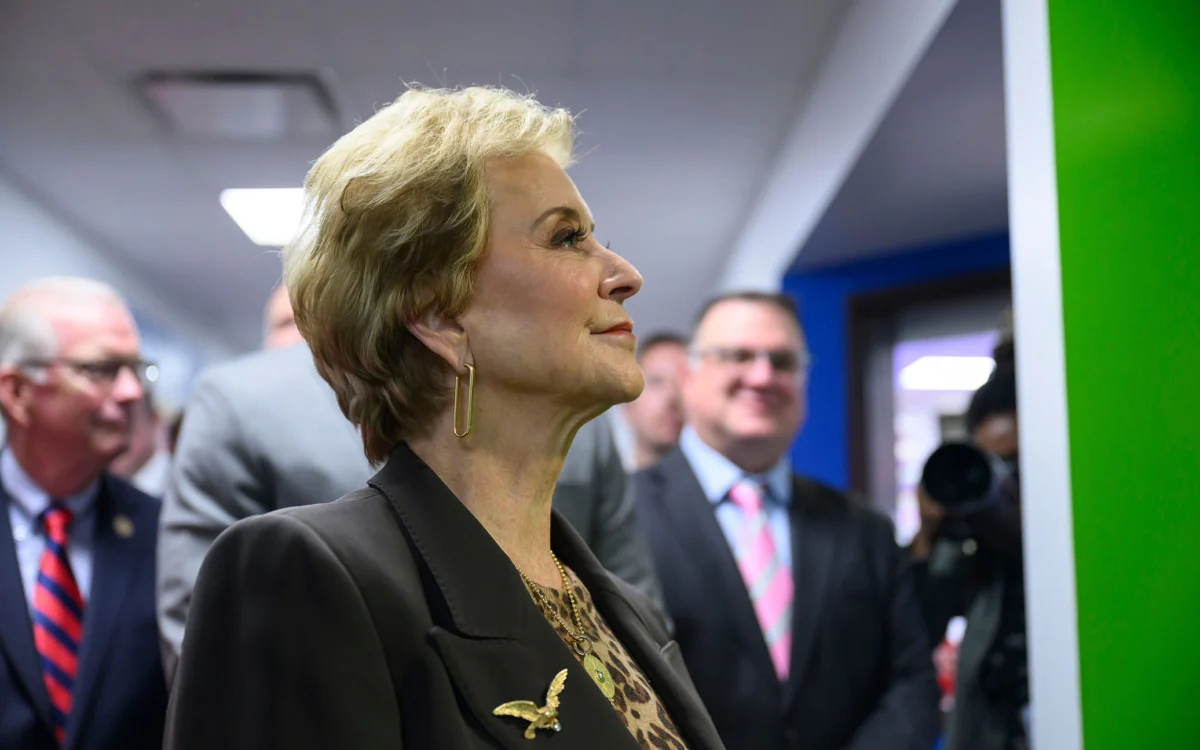
Secretary of Education Linda McMahon characterized this investment as "a substantial expansion of resources for students with disabilities and their families." This sentiment is echoed by advocates in the field, who have long called for increased and consistent funding to meet the escalating demands of special education.
Addressing Funding Gaps and Growing Needs
The influx of additional funds arrives at a critical juncture for special education services. Chad Rummel, executive director of the Council for Exceptional Children, highlighted the ongoing challenge of stagnant funding levels despite a continuous rise in the number of children eligible for IDEA services. "As the number of eligible children under IDEA continues to rise and funding remains stagnant, I am pleased to see that additional funds for IDEA will be distributed by the U.S. Department of Education," Rummel stated. He expressed hope that this federal action would inspire congressional action. "It is my hope that Congress will build on this momentum and provide increased funding for all parts of IDEA in fiscal year 2027, ensuring all IDEA programs are well supported."
Historically, IDEA has been a cornerstone of federal commitment to ensuring that children with disabilities receive a free appropriate public education (FAPE). The act, first passed in 1975 as the Education for All Handicapped Children Act, has undergone several reauthorizations, most recently in 2004. It mandates that states provide a range of services, including specialized instruction, speech therapy, occupational therapy, and psychological services, tailored to the individual needs of each child identified with a disability. The funding mechanism for IDEA has often been a point of contention, with advocates arguing that federal contributions have consistently fallen short of the 40% of per-pupil spending promised in the original legislation. This new allocation, while significant, is seen by many as a step towards bridging that persistent funding gap.
Pioneering Prenatal Support Through IDEA Part C
Perhaps the most transformative aspect of this announcement is the new flexibility granted to states under IDEA Part C. For the first time, states have the option to utilize these early intervention funds to engage in "child find, public awareness, and referral activities" for expectant parents of infants who may have disabilities. This groundbreaking provision stems from a federal spending law enacted earlier this year, demonstrating a legislative shift towards proactive identification and support for at-risk infants and their families.
The U.S. Department of Education has issued comprehensive guidance to states on how to implement this new option. The seven-page document details the procedures and parameters for leveraging Part C funds to reach families before their child’s birth. The department’s intention is to facilitate earlier access to crucial support services, thereby improving developmental outcomes for children with disabilities.
Guidance for Early Identification and Intervention
The guidance document provides concrete examples of how states can implement this new flexibility. For instance, it outlines a scenario where an expectant mother receives genetic testing indicating her child will be born with Down Syndrome. Recognizing that such a diagnosis makes the child eligible for Part C early intervention services upon birth, a state utilizing this new provision could proactively engage with the mother. This engagement might involve explaining the IDEA Part C system, referring her to relevant services, and initiating the process for establishing an Individualized Family Service Plan (IFSP) within 45 days of the child’s birth.
This proactive approach is designed to streamline the often-complex process of accessing early intervention services. By engaging families prenatally, the aim is to reduce the time lag between a diagnosis and the commencement of critical developmental support. Early intervention is widely recognized as vital for maximizing a child’s developmental potential, particularly for those with disabilities. Research consistently shows that early and consistent intervention can lead to significant improvements in cognitive, social, emotional, and physical development, potentially reducing the need for more intensive and costly services later in life.
Implications and Future Outlook
The expanded funding and the new prenatal support option under IDEA Part C carry significant implications for families, educators, and healthcare providers. For families, this represents a more robust safety net and a clearer pathway to obtaining support for their children from the earliest stages of life. The ability to access information and referrals before birth can alleviate anxiety and empower parents with knowledge and resources as they prepare for the arrival of a child with special needs.
For service providers, this initiative could lead to a more coordinated and efficient system of care. By engaging families prenatally, early intervention providers can better prepare for a child’s arrival, ensuring that necessary assessments and IFSP development are initiated promptly. This can lead to a smoother transition into early intervention services and potentially mitigate developmental delays that might otherwise arise from a delayed start.
From a broader public health and educational perspective, investing in early intervention can yield long-term societal benefits. Children who receive effective early support are more likely to enter school ready to learn, achieve greater academic success, and become more independent and productive members of society. This, in turn, can reduce the burden on social services and special education systems in the long run.
However, the success of these initiatives will ultimately depend on sustained commitment and effective implementation by state and local agencies. While the federal government is providing increased funding and new guidelines, the practical application of these policies at the community level will be crucial. Advocates will likely continue to monitor the allocation and utilization of these funds, ensuring that they are effectively reaching the children and families who need them most. Furthermore, the call for increased congressional appropriations for all parts of IDEA, as voiced by Chad Rummel, remains a vital component of ensuring the long-term sustainability and adequacy of these critical programs. The current federal investment represents a significant step, but a continued bipartisan effort to fully fund IDEA will be essential to meet the evolving needs of students with disabilities nationwide.