The spring 2026 literary season is poised to reach a significant crescendo this April, as evidenced by the comprehensive curation of upcoming LGBTQ titles released by Autostraddle. This highly anticipated list underscores a robust expansion in queer publishing, spanning traditional literary fiction, avant-garde poetry, academic autotheory, and a burgeoning market for young adult (YA) genre fiction. As the publishing industry continues to prioritize intersectional voices, the April slate highlights a sophisticated blend of veteran authors and emerging talents, reflecting a broader cultural shift toward diverse storytelling that moves beyond singular narratives of identity.
The curated selection for April 2026 reveals a notable trend in "genre-blurring" works, particularly in the realms of literary horror and "romantasy"—a hybrid of romance and fantasy that has seen exponential growth in market share over the last twenty-four months. Furthermore, the inclusion of translated works and deep-dive nonfiction suggests a globalized approach to queer literature, offering readers a window into both international perspectives and specific subcultural histories, such as Black queer performance in post-Katrina New Orleans and the evolution of trans cinema.

Chronological Release Schedule and Thematic Overviews
The April publishing cycle is strategically front-loaded, with a significant number of high-profile releases scheduled for the first Tuesday of the month, a traditional anchor for new book launches.

April 7: A Focus on Literary Depth and Genre Innovation
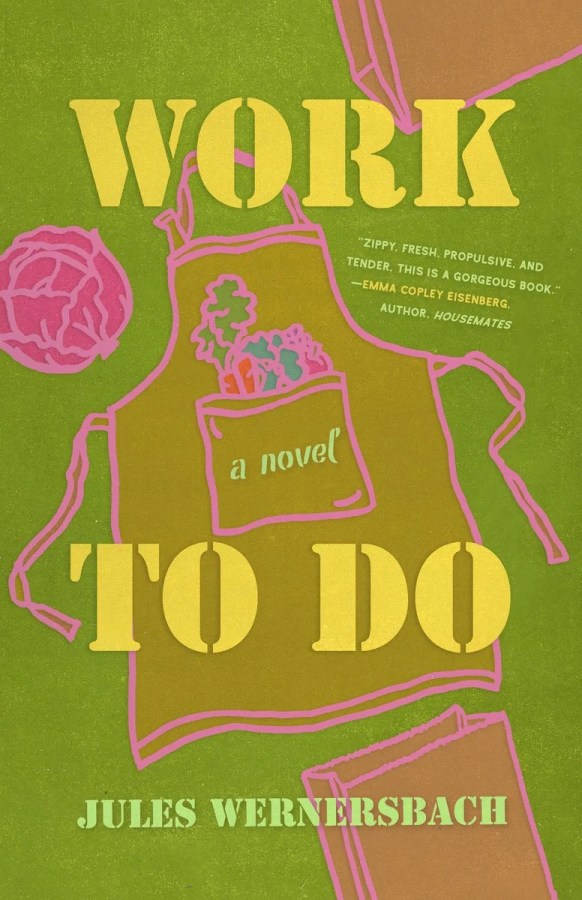
The month opens with a heavy emphasis on literary fiction and psychological depth. Jules Wernersbach’s Work to Do and the translated work Superstars by Ann Scott (translated by Jonathan Woollen) lead the literary fiction category. These titles are expected to explore the nuances of contemporary queer life with a focus on interiority and social structures.
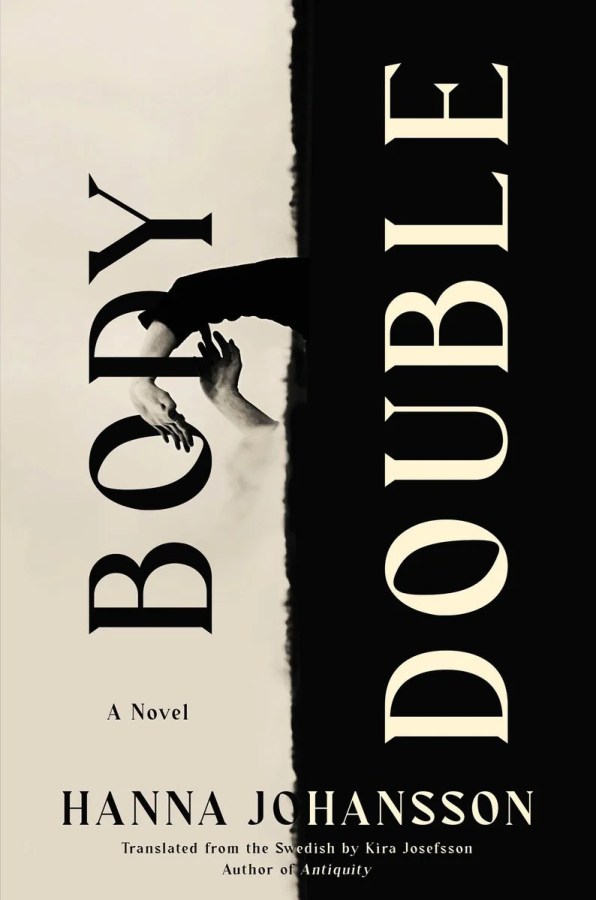
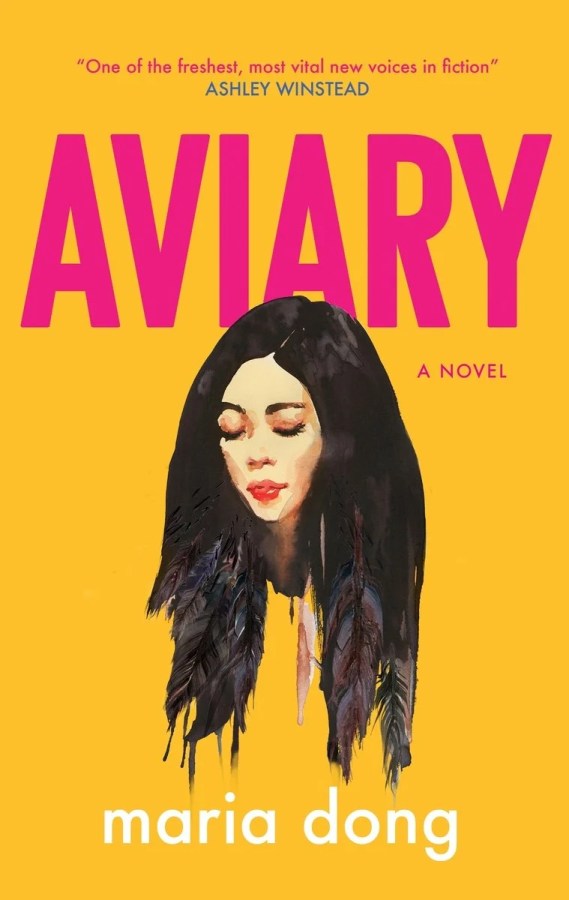
Simultaneously, the genre of "Queer Horror" continues its upward trajectory. Maria Dong’s Aviary and Hanna Johansson’s Body Double (translated by Kira Josefsson) represent the literary end of the thriller and horror spectrum. These works utilize suspense to examine the vulnerabilities inherent in queer bodies and relationships. In the realm of poetry, Leah Lakshmi Piepzna-Samarasinha returns with The Way Disabled People Love Each Other, a collection anticipated to further the discourse on disability justice and intimacy, building on the author’s established reputation as a pivotal voice in the movement.
April 14: Expanding the Narrative Scope
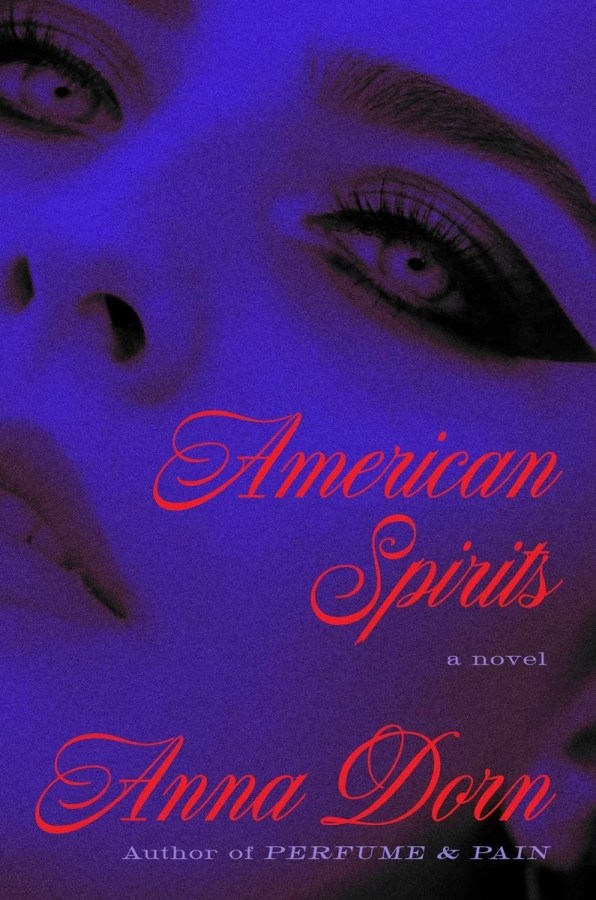
By mid-month, the focus shifts toward a mix of academic inquiry, memoir, and commercial romance. Anna Dorn’s American Spirits is slated for an April 14 release, continuing the author’s exploration of modern nihilism and queer subcultures. This date also sees the release of Skin Deep: A Horror Anthology, edited by Stephanie Sanders-Jacob, which aims to provide a platform for multiple queer perspectives within the horror genre.
Nonfiction offerings on this date are particularly strong, including Laura Horak’s Trans Cinema: Making Communities, Identities and Worlds. This title is expected to serve as a foundational text for film historians and queer theorists alike. Additionally, the biography Jan Morris: A Life by Sara Wheeler provides a historical retrospective on one of the 20th century’s most influential trans figures, offering context to the current generation of queer writers.
April 16 to April 21: Theory and Epistolary Explorations
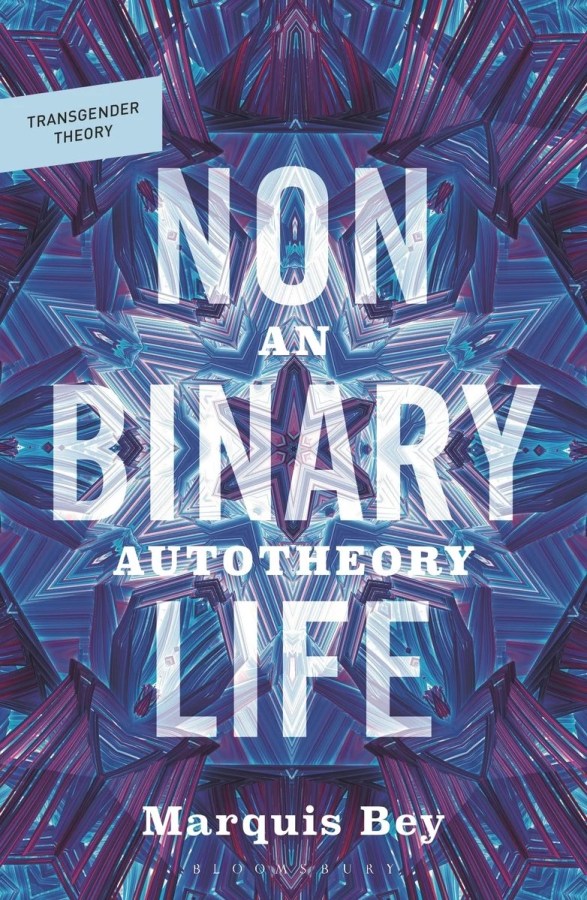
The mid-to-late month period is highlighted by Nonbinary Life: An Autotheory (April 16), a collaborative work by Marquis Bey, Ciara Cremin, and Abraham Well. This release signifies the growing popularity of "autotheory"—a genre that blends personal memoir with philosophical and political theory.
On April 21, the market sees a diversification into short stories and essays. Jess H. Gutierrez’s Adulting for Amateurs: Misadventures of a Geriatric Millennial offers a comedic yet poignant look at the queer aging experience, while Grace Spulak’s Magdalena is Brighter Than You Think explores the short story format through a queer lens.

April 28: Closing the Month with Romance and Reflection
The final week of April is dominated by romance and collections centered on complex social dynamics. Emma Copley Eisenberg’s Fat Swim, a collection of linked short fiction, is one of the most talked-about titles of the season, expected to challenge body politics within queer spaces. The month concludes with a focus on historical romance, such as Anna Cowan’s The Duke, and the poignant anthology No Contact: Writers on Estrangement, edited by Jenny Bartoy, which addresses the often-difficult reality of family dynamics for LGBTQ individuals.
Industry Supporting Data and Market Trends
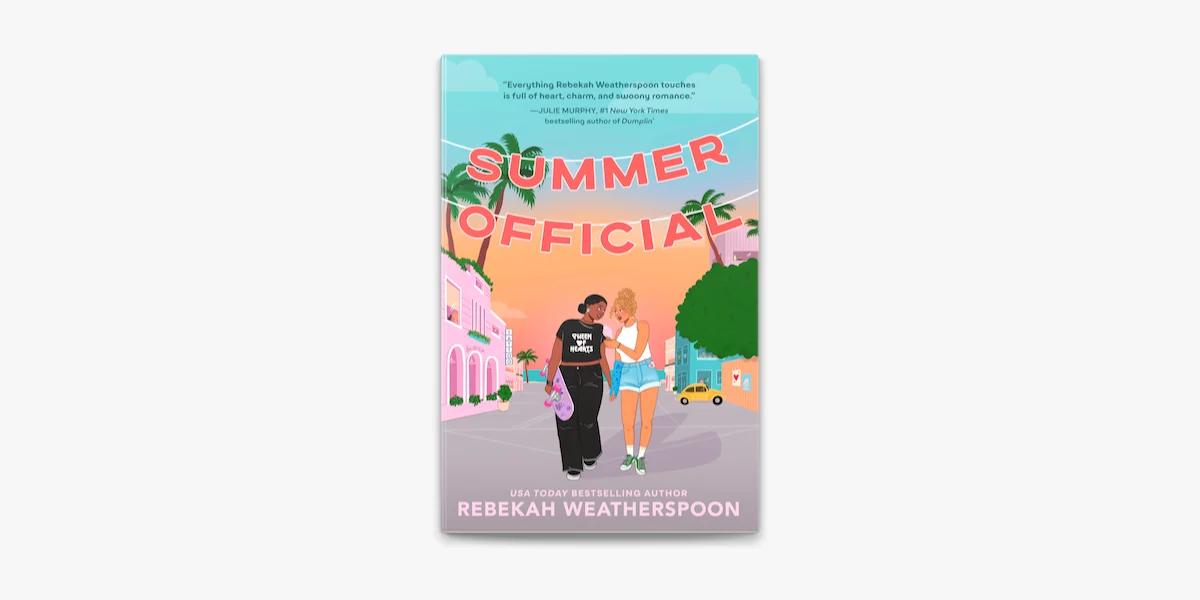
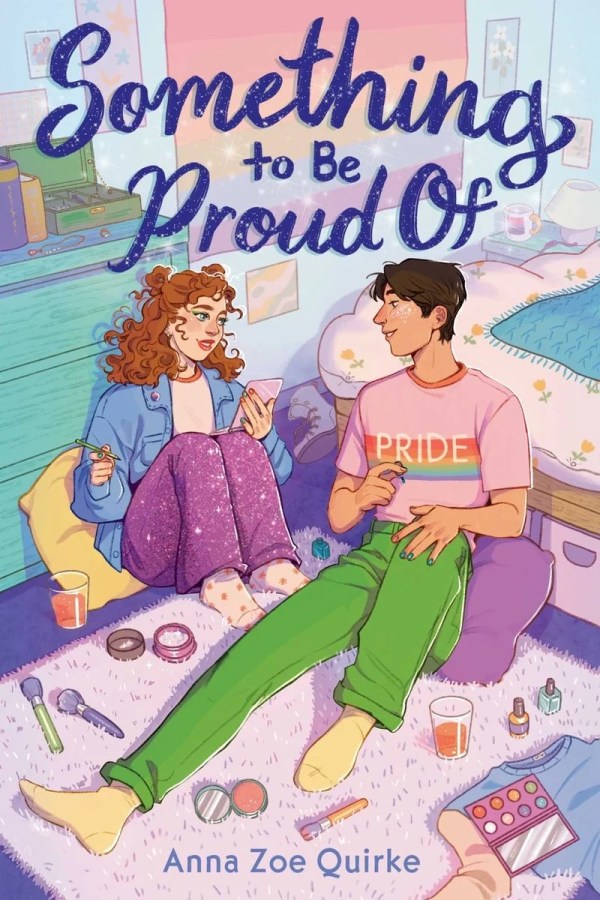
The volume and variety of the April 2026 titles reflect several key data points within the current publishing landscape. According to recent industry reports, the "Queer Romance" sector has seen a 35% year-over-year increase in sales, driven largely by the success of YA and "New Adult" titles on social media platforms like TikTok and Instagram. This trend is visible in the April lineup with titles like The Unruly Heart of Miss Darcy by Erin Edwards and Summer Official by Rebekah Weatherspoon.
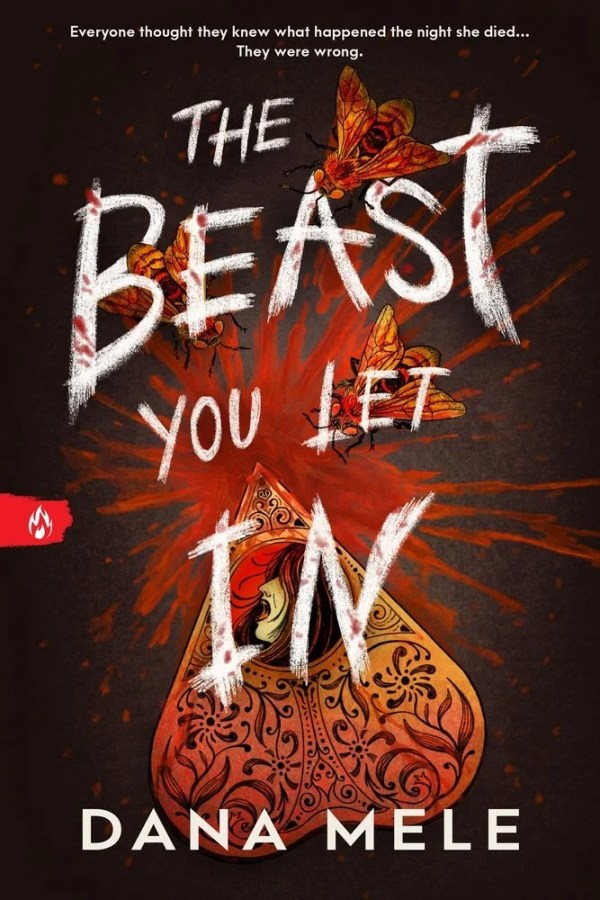
Furthermore, the "Queer Horror" and "Dark Fantasy" genres have moved from niche categories to mainstream contenders. The inclusion of titles such as The Beast You Let In by Dana Mele and This Dream Will Devour Us by Emma Clancey suggests that publishers are leaning into the "darker" side of queer fiction, which historically has been a fertile ground for allegorical storytelling.
Analysis of Cultural Implications and Background
The curation provided by Autostraddle serves as more than just a shopping list; it is a cultural barometer. For decades, LGBTQ literature was often confined to small, independent presses or relegated to specific "Gay and Lesbian" sections of bookstores. The 2026 April lineup demonstrates the degree to which queer narratives have been integrated into every major publishing house, from Penguin Random House to HarperCollins.
The Rise of Intersectional Nonfiction
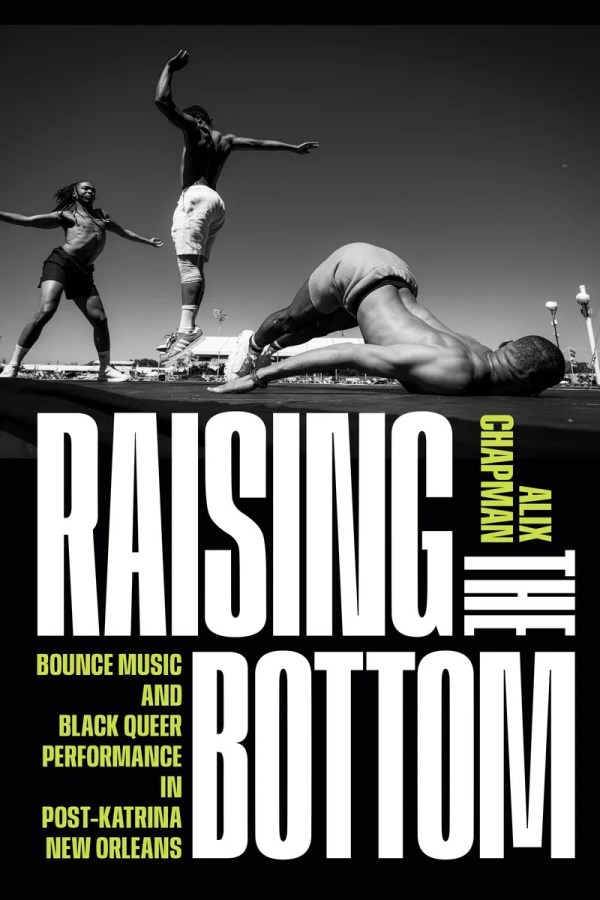
A significant portion of the April list is dedicated to nonfiction that intersects queer identity with other social factors. Alix Chapman’s Raising the Bottom: Bounce Music and Black Queer Performance in Post-Katrina New Orleans is a prime example of how queer history is being preserved through the lens of specific regional and racial experiences. This academic rigor, combined with accessible prose, represents a new era of queer scholarship that seeks to document the "invisible" histories of the community.

The Evolution of YA and Middle Grade
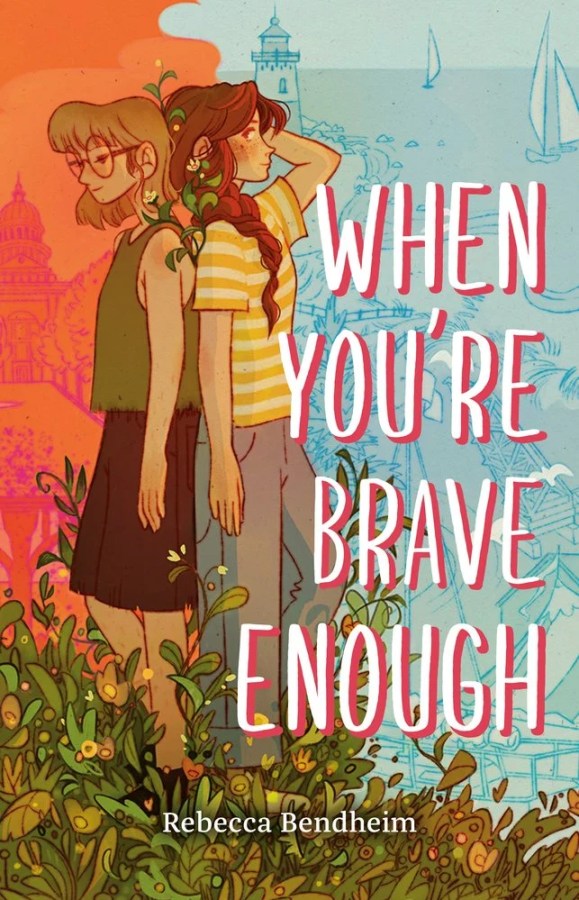
The presence of middle-grade titles like When You’re Brave Enough by Rebecca Bendheim and a wide array of YA novels indicates a sustained commitment to providing younger readers with representative literature. Industry analysts note that the YA market is currently the most diverse segment of the publishing world, often acting as the "canary in the coal mine" for themes that will eventually permeate adult literary fiction.
Statements and Reactions from the Literary Community
While formal reviews for many of these titles are still under embargo, preliminary reactions from literary critics and booksellers suggest a high level of optimism for the April slate. Independent booksellers have noted that "curated lists from trusted outlets like Autostraddle are essential for navigating the sheer volume of queer titles now entering the market."
Authors featured on the list have expressed via social media and press releases a shared sense of purpose in expanding the boundaries of queer joy and complexity. For instance, the editors of the No Contact anthology have stated that their goal was to provide a "necessary space for the complicated, non-linear stories of estrangement that are so prevalent in our community but rarely given the literary weight they deserve."
Broader Impact and Future Outlook
The April 2026 release schedule is a testament to the resilience and creativity of the LGBTQ literary community. By offering everything from "Dinosaur Lesbians" (Nicole Santalucia’s poetry) to serious inquiries into activism (No! The Art of Activism of Complaining by Sara Ahmed), the industry is acknowledging that the queer audience is not a monolith.

As we move toward the summer months and the traditional "Pride" publishing boom in June, the April releases set a high standard for quality and diversity. These books do not merely exist to fill a quota; they represent a sophisticated maturation of queer letters, where the "queerness" of the characters is often the starting point for a story rather than its sole conclusion.
The implications for the future are clear: the LGBTQ market is no longer a sub-segment but a driving force in the literary world. As these titles hit shelves throughout April, they will likely influence bestseller lists and literary awards for the remainder of the year, cementing 2026 as a landmark year for queer expression.

Summary of Key Releases by Category:
- Literary Fiction: Work to Do, Superstars, Surrender, Queens Lander.
- Horror/Thriller: Aviary, Body Double, Skin Deep, Wife Shaped Bodies.
- Nonfiction: Trans Cinema, Jan Morris: A Life, Nasty Work, Raising the Bottom.
- YA/Middle Grade: When You’re Brave Enough, The Unruly Heart of Miss Darcy, Summer Official.
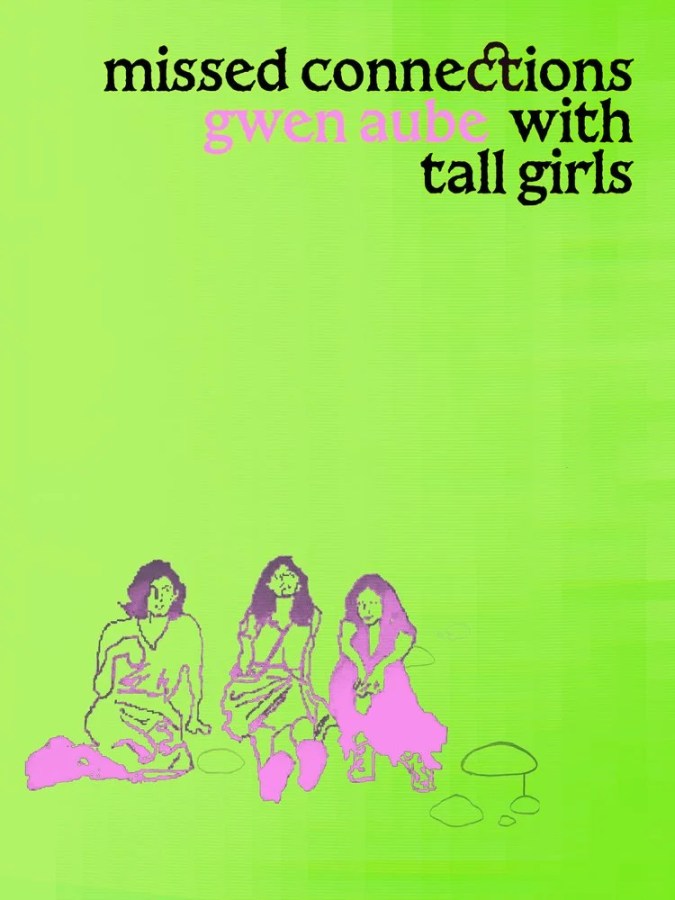
- Poetry: The Way Disabled People Love Each Other, Missed Connections With Tall Girls, Subtext.
- Romance/Fantasy: Set Point, The Impossible Garden of Clara Thorne, The Duke.
This diverse array of voices ensures that every reader, regardless of their specific interests, will find a point of connection in the April 2026 LGBTQ literary harvest.