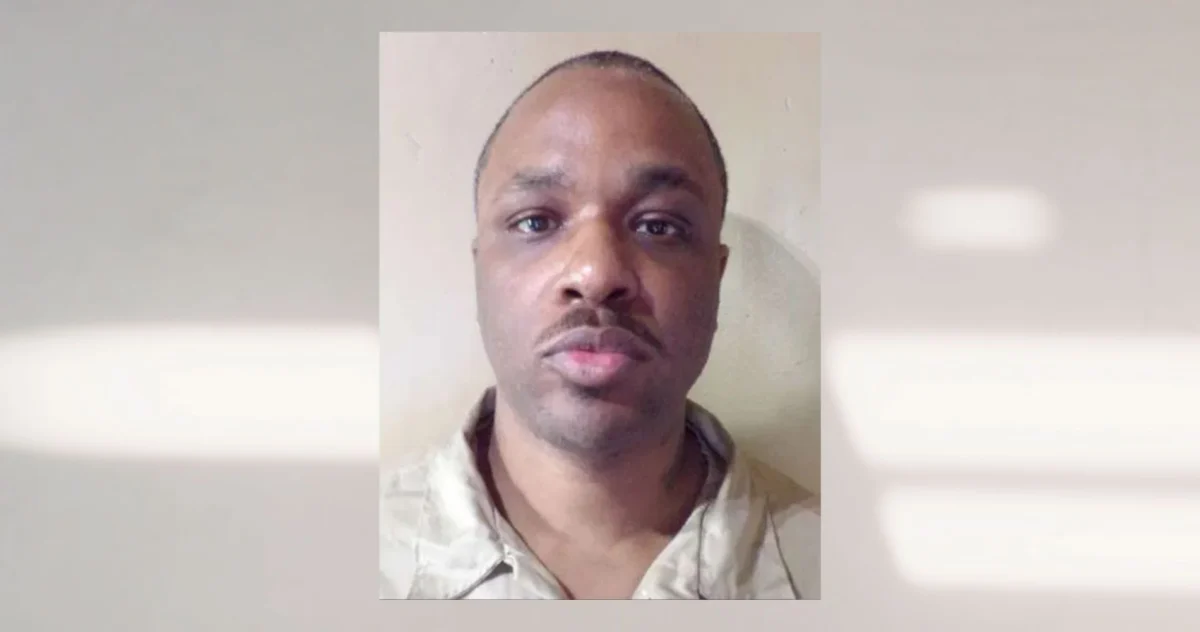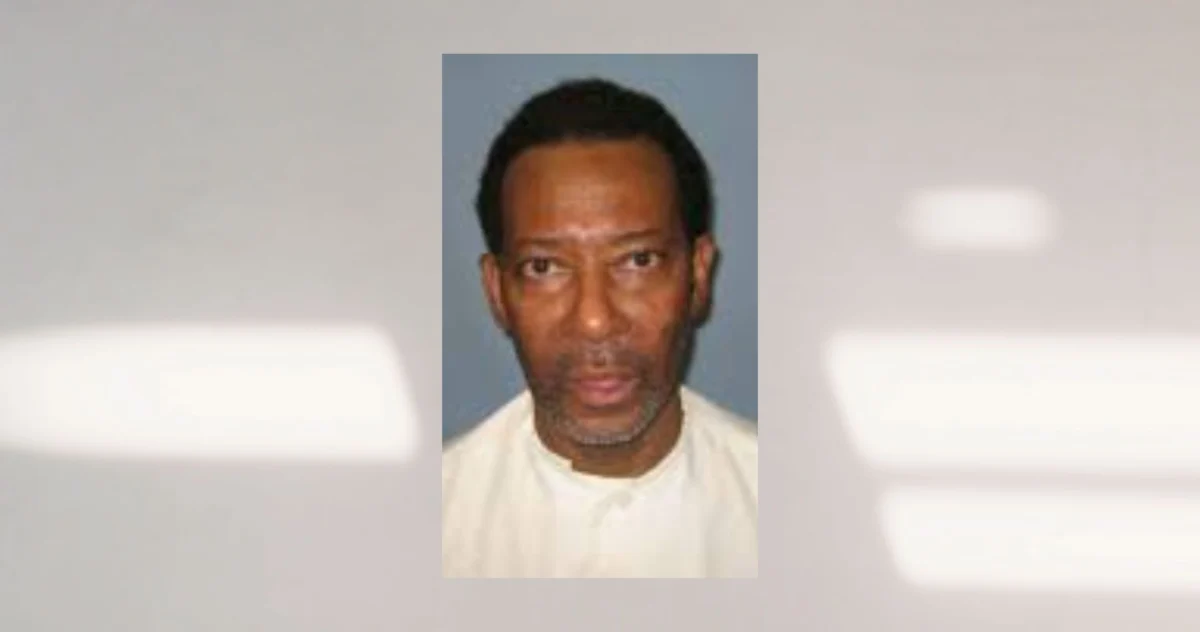
Montgomery, Alabama – Governor Kay Ivey of Alabama has commuted the death sentence of Charles "Sonny" Burton to life without parole, a decision that rectifies a nearly three-decade-old capital conviction widely criticized for its arbitrary application and for condemning a man who did not commit the fatal act. The commutation, announced today, comes after an extensive clemency campaign that garnered support from several jurors who originally sentenced Burton, the victim’s daughter, and legal advocates who highlighted the profound inconsistencies in Alabama’s death penalty system.
The Governor’s Decision and the Pursuit of Justice
Governor Ivey’s decision intervenes just weeks before Burton, 75, was scheduled to be executed by nitrogen suffocation on March 12. This marks a significant moment for Alabama, a state with one of the highest per capita execution rates in the United States. The commutation of Charles Burton’s sentence to life without parole addresses a critical flaw in a case where the "triggerman," Derrick DeBruce, ultimately received a life sentence after his initial death sentence was overturned. Burton, despite not pulling the trigger or even witnessing the fatal shooting, remained the sole individual facing execution among six involved in the 1991 robbery.
The case of Charles Burton has long been cited by legal organizations, including the Equal Justice Initiative (EJI), as a prime example of the arbitrariness inherent in Alabama’s capital punishment framework. The EJI, which has extensively documented systemic issues within the state’s justice system, underscored that Burton’s continued presence on death row, while the actual shooter received a lesser sentence, represented a stark contradiction to the principle that the death penalty should be reserved for the "worst of the worst" offenders.
Chronology of a Contentious Case
The legal odyssey of Charles "Sonny" Burton began in 1991, rooted in a robbery at an auto parts store in Talladega, Alabama.
- 1991: Charles Burton is one of six men involved in the robbery. During the incident, after Burton had exited the store, Derrick DeBruce shoots and kills customer Doug Battle.
- 1992: All six men are charged with capital murder under Alabama’s felony murder rule, which allows accomplices to a felony resulting in death to be charged with capital murder, regardless of their direct involvement in the killing. Charles Burton is tried and sentenced to death.
- Early 2000s (Various Dates): The State reaches plea agreements with four of the other men involved, allowing them to avoid the death penalty.
- 2014: A federal court overturns Derrick DeBruce’s death sentence, citing constitutional violations at his trial. Subsequently, the State of Alabama agrees to resentence DeBruce to life without parole. This leaves Charles Burton as the only individual facing execution for the crime, despite his lesser involvement.
- Late 2023/Early 2024: A robust clemency campaign gains momentum. Jurors from Burton’s original trial, the victim’s daughter, and legal counsel submit compelling arguments to Governor Ivey.
- January 2024: The Alabama Supreme Court authorizes Governor Ivey to set an execution date for Burton. She schedules it for March 12, 2024, by nitrogen suffocation.
- February 2024: Governor Kay Ivey commutes Charles Burton’s death sentence to life without parole.
The "Extreme Outlier" and the Felony Murder Rule
The central argument against Burton’s execution revolved around the fact that he was not the "triggerman" and did not even witness the fatal shooting. Matt Schulz, Burton’s lawyer, emphasized this point, stating, "Not only did he not kill anyone, but he didn’t order anyone to kill anyone. He didn’t hire anyone to kill anyone. He didn’t tell anyone to kill anyone. He literally did not even see anyone kill anyone." This makes Burton’s case an "extreme outlier" in death penalty jurisprudence, especially when contrasted with the outcome for Derrick DeBruce, the actual shooter.
Alabama’s felony murder rule, like similar statutes in other states, allows for a broad application of capital murder charges. Under this doctrine, an individual can be held liable for murder if a death occurs during the commission of a dangerous felony, even if they did not directly cause the death or intend for it to happen. While legally permissible, its application in capital cases, particularly when co-defendants with greater culpability receive lesser sentences, often fuels debates about proportionality and fairness. Critics argue that such broad applications can lead to disproportionate sentences, particularly for those who are accessories rather than direct perpetrators. This was precisely the core of the challenge in Burton’s case, where the legal outcome seemed to defy the common understanding of reserving the harshest penalty for the most culpable.
Juror Remorse and the Evolving Conscience of Justice
Perhaps one of the most powerful aspects of the clemency petition was the public repentance of several jurors who had voted to sentence Burton to death in 1992. Priscilla Townsend, one of three jurors who explicitly urged the governor to grant clemency, articulated her profound discomfort with the situation. "It’s absolutely not fair. You don’t execute someone who did not pull the trigger," Townsend told The Associated Press. While she still believes in capital punishment "for the worst of the worst," she firmly stated that Burton did not fit that description.
In a poignant op-ed, Townsend wrote, "I am deeply disappointed in how this case has slipped through the cracks, and am concerned about Alabama’s system of justice if it allows Mr. Burton’s execution." Her sentiment was echoed by James Cottongim, another juror, who wrote to the governor that while the crime was terrible, it would be "very unjust" for Burton to be executed when the shooter received a life sentence. "Our original sentence of death is just no longer appropriate given the circumstances," Cottongim affirmed. The clemency petition revealed that six of the eight living jurors from the 1992 trial expressed no opposition to commuting Burton’s sentence, underscoring a collective shift in perspective regarding the fairness of his death sentence. This phenomenon of juror remorse, while not unprecedented, carries significant weight, signaling a reevaluation of justice within the very individuals tasked with delivering it.
The Victim’s Family and a Call for Grace
Adding another layer of compelling advocacy to the clemency appeal was Tori Battle, the daughter of the victim, Doug Battle. Nine years old when her father was killed, Tori Battle courageously urged Governor Ivey to grant clemency. Her plea moved beyond retribution, focusing instead on healing and grace. "I do not see how this execution will contribute to my healing," she wrote to the governor, reflecting on her father’s character. "My father, Doug Battle, was many things. He was strong, but he valued peace. He did not believe in revenge. And in that way, I am very much his daughter…I hope you will consider extending grace to Mr. Burton and granting him clemency." Her statement, read aloud at a gathering of Burton’s supporters, highlighted a growing trend among victims’ families who, in certain capital cases, advocate for mercy rather than execution, challenging traditional notions of victim justice.
Burton’s Deteriorating Health and the Humanity of the Condemned
At 75 years old, Charles Burton’s health has significantly declined during his decades on death row. His sister, Eddie Mae Ellison, described him as frail and in failing health, suffering from debilitating rheumatoid arthritis that causes immense pain and necessitates a wheelchair for mobility. His attorney further noted that he requires a state-issued helmet due to frequent falls. The prospect of executing an elderly, infirm individual, particularly one who did not directly commit the murder, raised significant ethical and humanitarian questions, amplifying the calls for clemency. The argument extended beyond legal technicalities to the moral implications of state-sanctioned killing, especially for those suffering severe physical ailments.
Alabama’s Death Penalty Landscape and Broader Implications
Governor Kay Ivey has presided over 25 executions during her nine years in office, making her the state executive with the most executions since the death penalty was reinstated in 1976. This track record underscores the significance of her decision to grant clemency in Burton’s case. While she has generally allowed executions to proceed, her commutation of Robin "Rocky" Myers’s death sentence last year, citing "considerable questions about his guilt," set a precedent for intervention in cases presenting profound doubts about justice.
Alabama continues to be an outlier in its pursuit of capital punishment, even as national trends show a decline in death sentences and executions. In 2023, there were only 24 executions in the entire United States, largely concentrated in a few states. Public support for the death penalty has also waned, with a growing number of Americans favoring life imprisonment without parole as a suitable alternative. This shift in public opinion, coupled with increasing scrutiny of judicial processes and racial disparities, contributes to a more cautious approach to capital punishment, even in traditionally pro-death penalty states.
The commutation for Charles Burton aligns with similar actions taken by Republican governors in other states, such as Oklahoma Governor Kevin Stitt, who granted clemency to Julius Jones in a high-profile case. These instances suggest a growing willingness among some conservative leaders to re-examine capital cases where substantial doubts about fairness, proportionality, or guilt persist.
The Role of Executive Clemency
Executive clemency, whether in the form of a pardon, commutation, or reprieve, serves as a vital safeguard against irreversible injustice within the legal system. It provides an avenue for mercy and a final check on judicial and legislative processes. In cases like Burton’s, where systemic flaws, disproportionate sentencing, or evolving societal standards come to light long after conviction, clemency can correct errors that courts may no longer be able to address.
Burton’s lawyers eloquently argued in their clemency petition that his case was "a quintessential case for the exercise of executive clemency," describing it as one that "slipped through the cracks." This outcome reinforces the notion that clemency is not merely an act of grace but a critical component of a truly just system, especially when confronting the finality of a death sentence.
The decision by Governor Ivey to commute Charles Burton’s sentence is more than an individual act of mercy; it is a tacit acknowledgment of the complexities and potential for error within Alabama’s death penalty system. It signals a moment of reflection for a state that has long been at the forefront of capital punishment, prompting further questions about fairness, culpability, and the ultimate purpose of justice. As the state grapples with its legacy of capital punishment, this commutation will undoubtedly contribute to ongoing debates about the death penalty’s future in Alabama and across the nation.