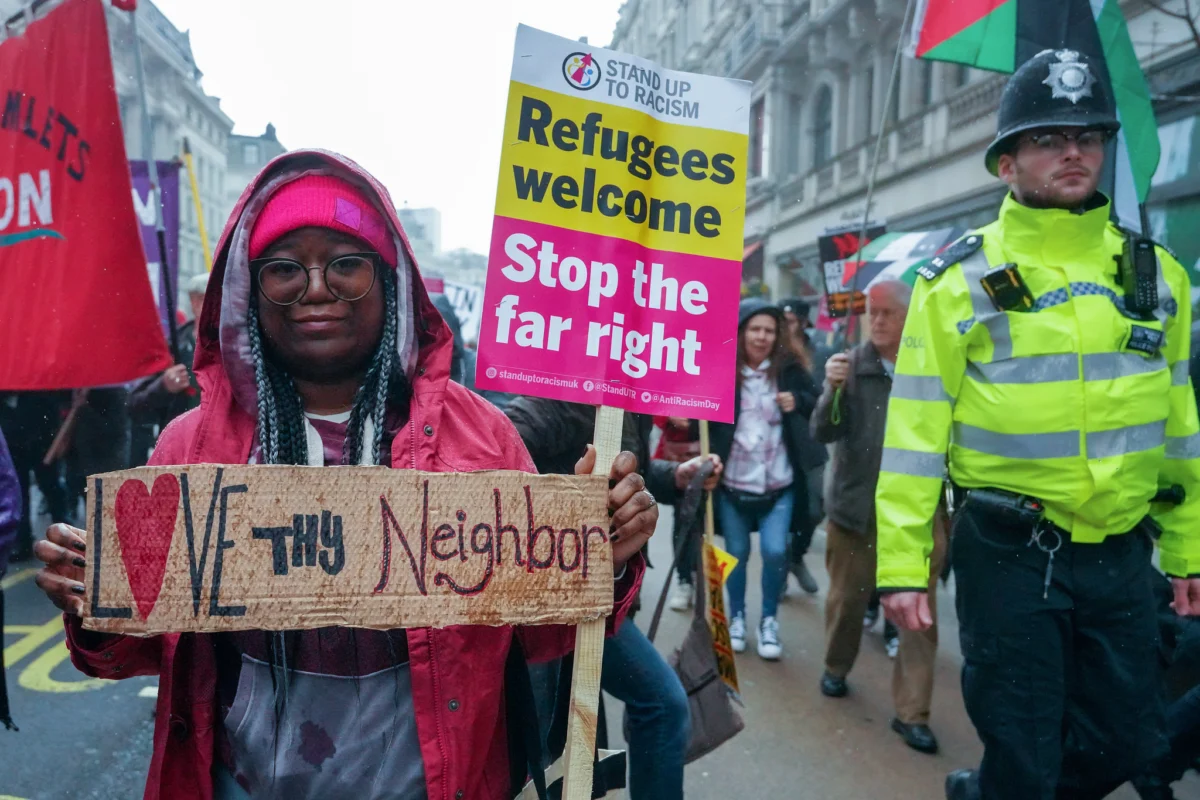
Fundamental rights within the United Kingdom are increasingly viewed not as immutable certainties but as fragile constructs subject to the prevailing winds of political sentiment and legislative reform. While these rights are currently enshrined in robust frameworks such as the Human Rights Act 1998 and the Equality Act 2010, the stability of these protections has come under significant scrutiny. Legal experts, civil liberties advocates, and socio-economic researchers have observed a growing trend toward the dilution of these statutes, driven by a combination of political maneuvering, media consolidation, and a shifting public discourse. The current climate suggests that without active defense, the legal safeguards that prevent discrimination and state overreach may be systematically weakened, potentially returning the nation to a period where marginalized groups lacked formal recourse against systemic inequality.
The Legislative Foundation: A Chronology of Rights in the United Kingdom
To understand the current threats to civil liberties, it is essential to examine the historical trajectory of human rights legislation in the UK. The modern framework is the result of decades of post-war consensus and evolving social standards.
1950: The UK becomes one of the first signatories to the European Convention on Human Rights (ECHR). Drafted in the wake of World War II, the convention was designed to ensure that the atrocities of the mid-20th century could never be repeated by establishing a baseline of human dignity that no government could legally cross.
1970s–1990s: A series of piecemeal acts, such as the Sex Discrimination Act 1975 and the Race Relations Act 1976, began to codify protections against specific forms of prejudice. However, these laws were often fragmented and difficult to navigate.
1998: The Human Rights Act is passed, effectively "bringing rights home" by allowing UK citizens to argue ECHR cases in domestic courts rather than traveling to Strasbourg. This established core protections, including the right to life, freedom from torture, and the right to a fair trial.
2010: The Equality Act is enacted, consolidating over 116 separate pieces of legislation into a single, comprehensive framework. It identified nine "protected characteristics": age, disability, gender reassignment, marriage and civil partnership, pregnancy and maternity, race, religion or belief, sex, and sexual orientation.
2022–2024: Recent years have seen significant pushback. The Conservative government proposed a "Bill of Rights" intended to replace the Human Rights Act, which critics argued would significantly diminish the ability of individuals to challenge the state. Simultaneously, political entities like Reform UK have openly campaigned for the total repeal of the Equality Act, labeling it a hindrance to free speech and economic efficiency.
The Mechanics of the Equality Act 2010 and the Human Rights Act 1998
The Equality Act 2010 serves as a shield against discrimination in the workplace, in the provision of services, and in the exercise of public functions. It ensures that a disabled person cannot be refused entry to a business because of a service animal, that employees cannot be terminated for becoming pregnant, and that housing cannot be denied based on sexual orientation. Beyond individual protections, the Act includes the Public Sector Equality Duty (PSED), which requires public authorities to consider how their policies or decisions affect people who share protected characteristics.
Crucially, Section 1 of the Equality Act—the Socio-economic Duty—was designed to require public bodies to consider how their decisions can reduce the inequalities of outcome which result from socio-economic disadvantage. While this section has been commenced and utilized effectively by the devolved governments in Scotland and Wales, it remains dormant in Westminster. This "dormant duty" represents a significant gap in the UK’s ability to tackle class-based inequality and systemic poverty.
The Human Rights Act 1998 functions differently, acting as a check on the power of the state. It ensures that public bodies—from the police to local councils—respect the fundamental rights of individuals. It has been instrumental in securing justice for victims of state negligence, such as in the Hillsborough disaster inquests, and has protected the privacy of individuals against intrusive state surveillance.
Media Consolidation and the Proliferation of Misinformation
A significant factor in the erosion of public support for these laws is the concentration of media ownership. Reports from the Media Reform Coalition indicate that approximately 90% of the UK’s national newspaper circulation is controlled by just three companies, often owned by billionaire interests. This consolidation has facilitated a decades-long campaign against human rights legislation, frequently framing these protections as "loopholes" for criminals or "special treatment" for minorities.
Journalistic analysis suggests that "clickbait" headlines and inflammatory editorials have been used to distort the reality of how equality laws function. By presenting human rights as a zero-sum game—where the protection of one group necessitates the loss of another—media outlets have fostered a "divide-and-rule" narrative. This misinformation campaign often ignores the fact that these laws are universal; they protect the majority just as they protect the minority, ensuring that every citizen has the right to a fair trial, privacy, and freedom from harassment.
Political Positioning and the Risk of Regression
The political landscape regarding civil liberties is currently divided. The Conservative Party has historically expressed skepticism toward the influence of the European Court of Human Rights, with various factions advocating for a complete withdrawal from the ECHR. During the leadership of Dominic Raab as Justice Secretary, the proposed Bill of Rights was seen as a move to give the UK government more autonomy in ignoring certain human rights rulings.
Reform UK has taken a more radical stance, pledging to scrap the Equality Act entirely. Their platform argues that the Act creates unnecessary bureaucracy and promotes "woke" ideology at the expense of meritocracy. Conversely, the Labour Party has signaled a commitment to maintaining the Human Rights Act, though they have also suggested a review of how rulings from the European Court of Human Rights are integrated into UK law, indicating a potential for moderate reform rather than total preservation.
Civil liberties groups, such as Liberty and The Equality Trust, have warned that even subtle changes to the wording of these acts can have profound consequences. Regression often happens incrementally—through the weakening of enforcement bodies like the Equality and Human Rights Commission (EHRC), the reduction of legal aid funding, and the introduction of narrow judicial interpretations that make it harder for individuals to bring cases forward.
Supporting Data: The Impact of Inequality and Discrimination
The necessity of these legal protections is underscored by current socio-economic data. According to recent statistics:
- Disability Discrimination: In the 2022/23 financial year, disability discrimination remained the most common reason for employment tribunal claims in the UK, highlighting the ongoing barriers faced by disabled workers despite existing laws.
- The Wealth Gap: The UK remains one of the most unequal countries in the developed world. The top 10% of households hold 43% of all wealth, while the bottom 50% hold only 9%. The failure to commence the socio-economic duty in England exacerbates this divide.
- Hate Crimes: Home Office data shows that hate crimes recorded by the police in England and Wales have seen a general upward trend over the last decade, particularly those motivated by race and religion, suggesting that the social tensions these acts aim to mitigate remain prevalent.
- Public Opinion: Despite negative media portrayals, polling often shows that when the specific rights within the Human Rights Act are explained—such as the right to a fair trial or protection against elder abuse in care homes—a vast majority of the UK public supports them.
Broader Implications and the Path Forward
The potential repeal or dilution of equality and human rights laws carries implications that extend beyond the legal sphere. From an economic perspective, discrimination in the workforce leads to underutilization of talent and lower productivity. From a social perspective, the removal of these protections risks alienating marginalized communities and eroding the social contract.
The experience of other nations serves as a cautionary tale. Advocates frequently point to the United States, where the reversal of established precedents (such as Roe v. Wade) has demonstrated that rights long considered settled can be stripped away within a single judicial cycle. This global context has energized UK-based organizations to shift their focus from mere advocacy to "defensive litigation" and grassroots mobilization.
The Equality Trust and similar organizations are currently focusing on research-led policy to strengthen existing safeguards. Their primary objective remains the commencement of the socio-economic duty in Westminster, which would provide a legal basis for challenging policies that disproportionately harm the poor. By framing equality not just as a moral imperative but as a legal obligation, these groups aim to create a more resilient framework that can withstand political shifts.
Conclusion
The legal landscape of the United Kingdom stands at a crossroads. The Equality Act 2010 and the Human Rights Act 1998 represent the high-water mark of civil liberties in the nation, yet they are increasingly under siege from political entities seeking to reduce state accountability and media conglomerates aiming to shift public perception. The evidence suggests that these rights are not self-sustaining; they require constant vigilance, robust legal defense, and a public that is informed of their true value. As the debate over the future of these acts continues, the outcome will determine whether the UK remains a leader in human rights or retreats into a more exclusionary and less accountable era of governance.