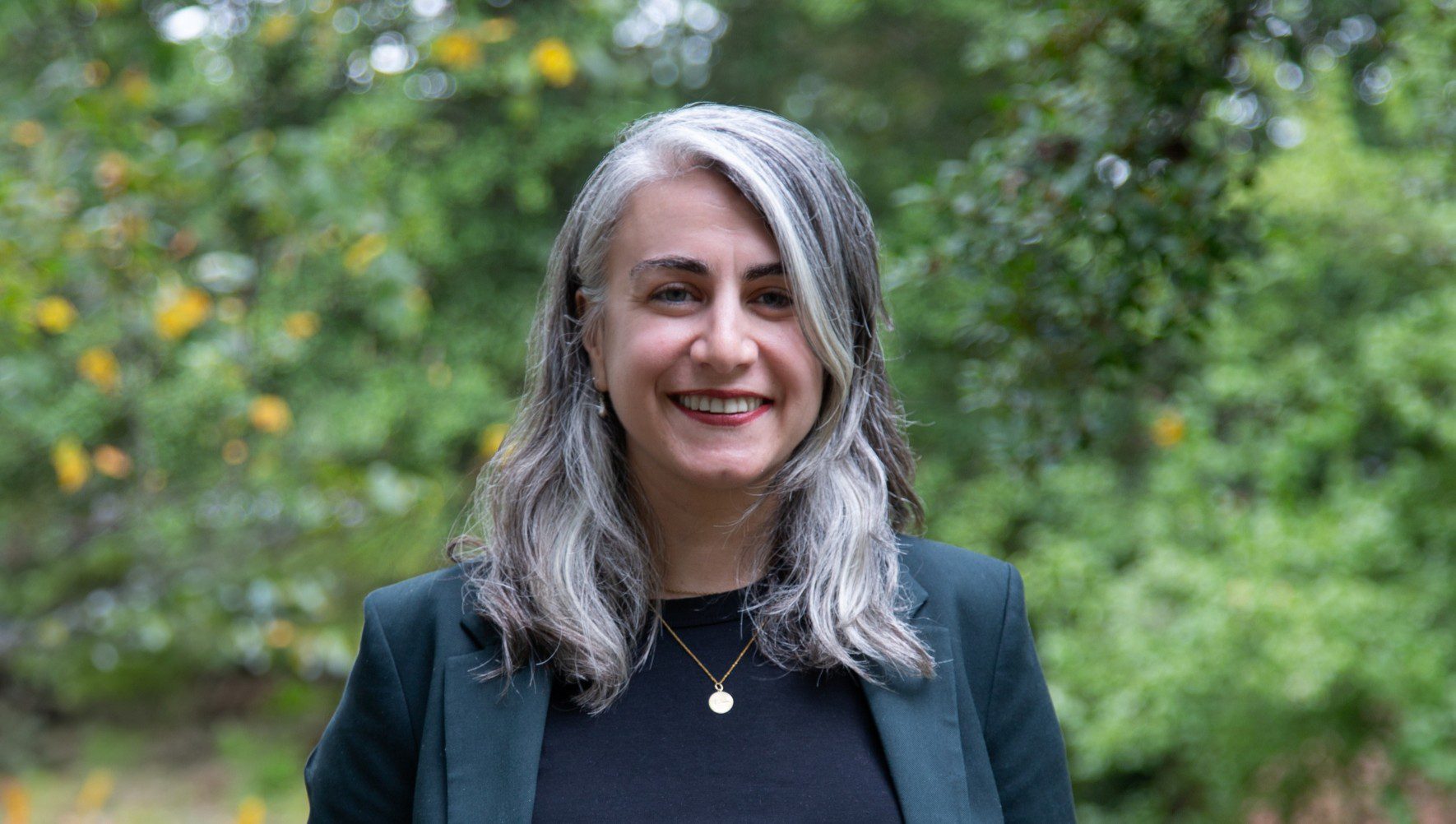
April 14, 2026 – In the wake of Yom HaShoah, the Day of Remembrance, Dr. Beth Oppenheim, CEO of the Hebrew Immigrant Aid Society (HIAS), has shared a deeply personal account of her family’s history and the profound impact of humanitarian aid on saving lives. Her reflections, interwoven with the solemn observance of Holocaust Remembrance Day, underscore the enduring mission of HIAS and the critical need for continued global commitment to refugee protection.
A Personal Connection to Humanitarian Aid
Dr. Oppenheim’s narrative begins with her grandfather, a university student in neutral Switzerland when World War II erupted. Faced with the looming threat of Nazi persecution, he made the courageous, albeit perilous, decision to return to Germany to extricate his parents. This act of filial devotion led to their arrest and imprisonment, a harrowing ordeal from which they miraculously escaped, embarking on a circuitous journey through France and Spain before finally finding refuge in Portugal.
It was in Portugal, during the summer of 1941, that HIAS issued her grandfather the exit visa that would ultimately allow him and his family to reach safety. "I owe my very existence to HIAS," Dr. Oppenheim stated in a recent reflection, emphasizing that this profound personal connection fuels her daily commitment as CEO. This sentiment is further amplified by a short video accompanying her message, a poignant visual testament to the human stories behind the global refugee crisis.
The profound impact of this experience was not fully understood by Dr. Oppenheim until much later in her life. Her grandfather, like many Holocaust survivors, rarely spoke of his trauma. He passed away when she was eleven, leaving behind a box of photographs and a letter in German. It wasn’t until 25 years later, upon having the letter translated, that the full scope of HIAS’s role in her family’s survival became clear. The letter, bearing the abbreviation "HIAS," confirmed the organization’s crucial intervention in facilitating their journey to the United States.
This revelation solidified Dr. Oppenheim’s early career aspirations. "When I started my career, I knew that I, too, wanted to help refugees find lasting safety for themselves and the generations after them," she explained. "And I only knew one organization in that space. HIAS."
Yom HaShoah: A Call to Remember and Act
Yom HaShoah serves as a powerful reminder of the atrocities of the Holocaust and the imperative to learn from this dark chapter of human history. For Dr. Oppenheim, the day is not solely about mourning but about actively remembering the resilience of the Jewish people, the choices made by individuals and organizations, and the often-narrow paths that led to safety. It is a call to acknowledge that a different future was made possible by those who chose to help.
"As the people who survived the Holocaust pass away, we are the ones entrusted with these stories," Dr. Oppenheim asserted. "We are the ones who must heed the lesson: that sanctuary was never accidental. It was the result of deliberate acts of courage – by individuals, and by organizations willing to stand in the breach."
HIAS, with its history spanning over 120 years, has consistently embodied this spirit of courageous action. Originally founded to aid Jewish immigrants arriving in the United States, its mission has evolved to serve refugees of all backgrounds fleeing persecution and conflict. "For more than 120 years, we’ve been there – for Jews and refugees of every background – as a stepping stone, a source of hope," she stated.
The Growing Urgency of Refugee Protection
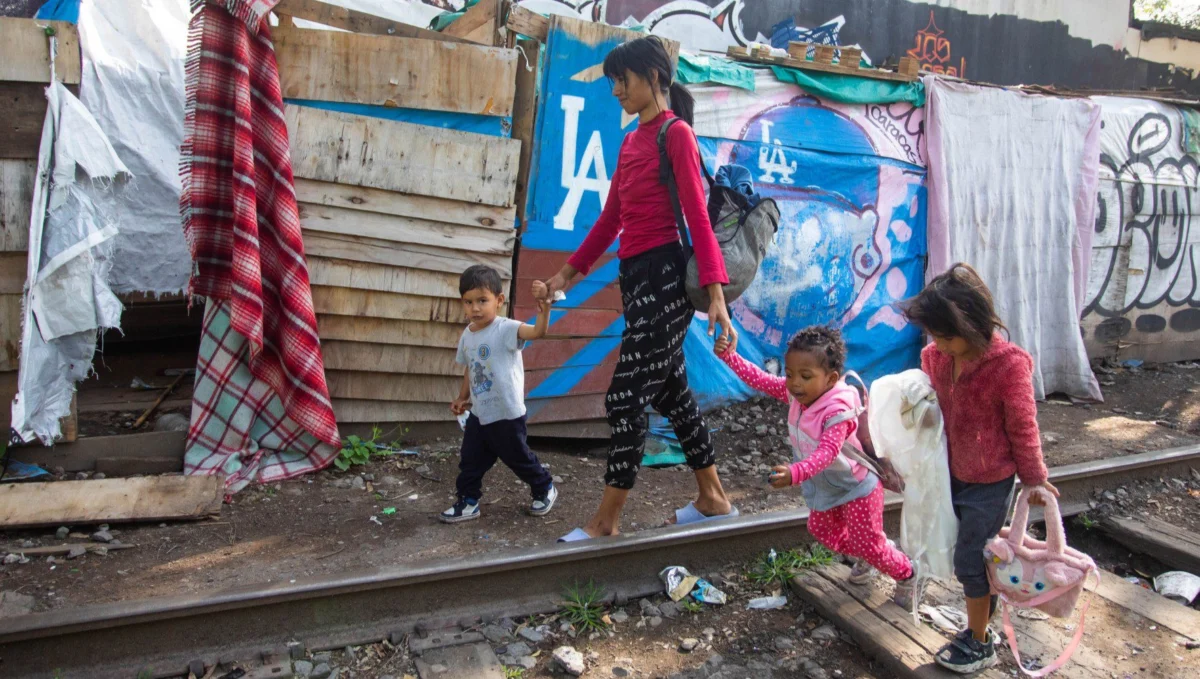
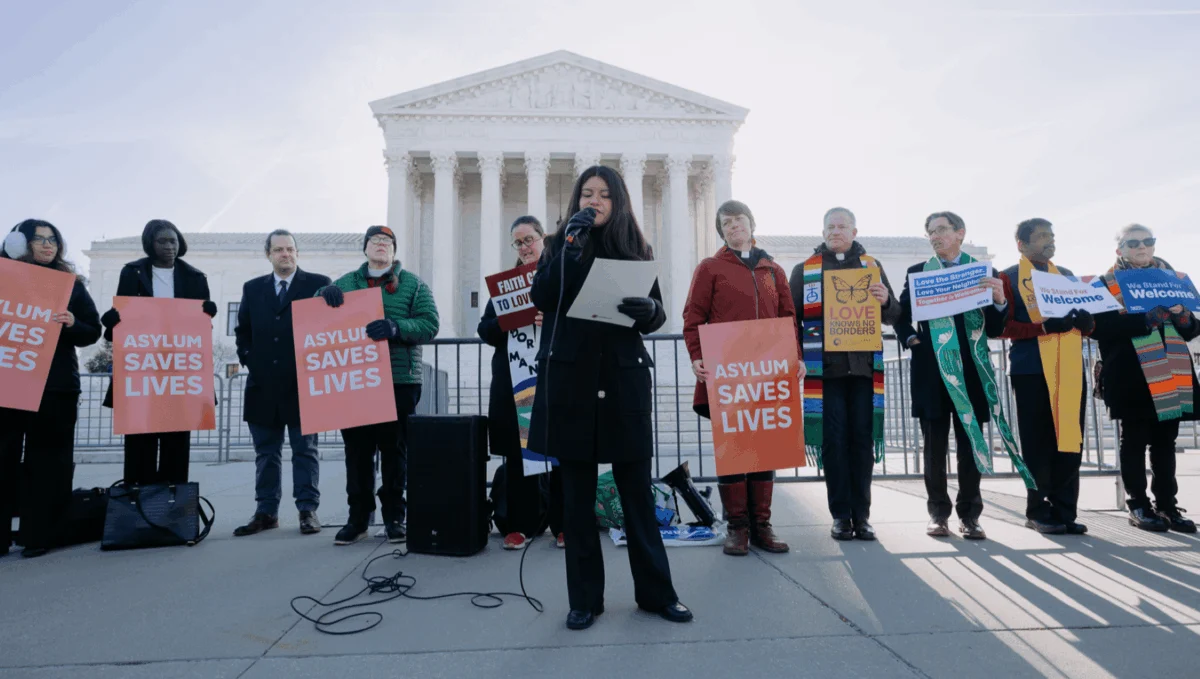
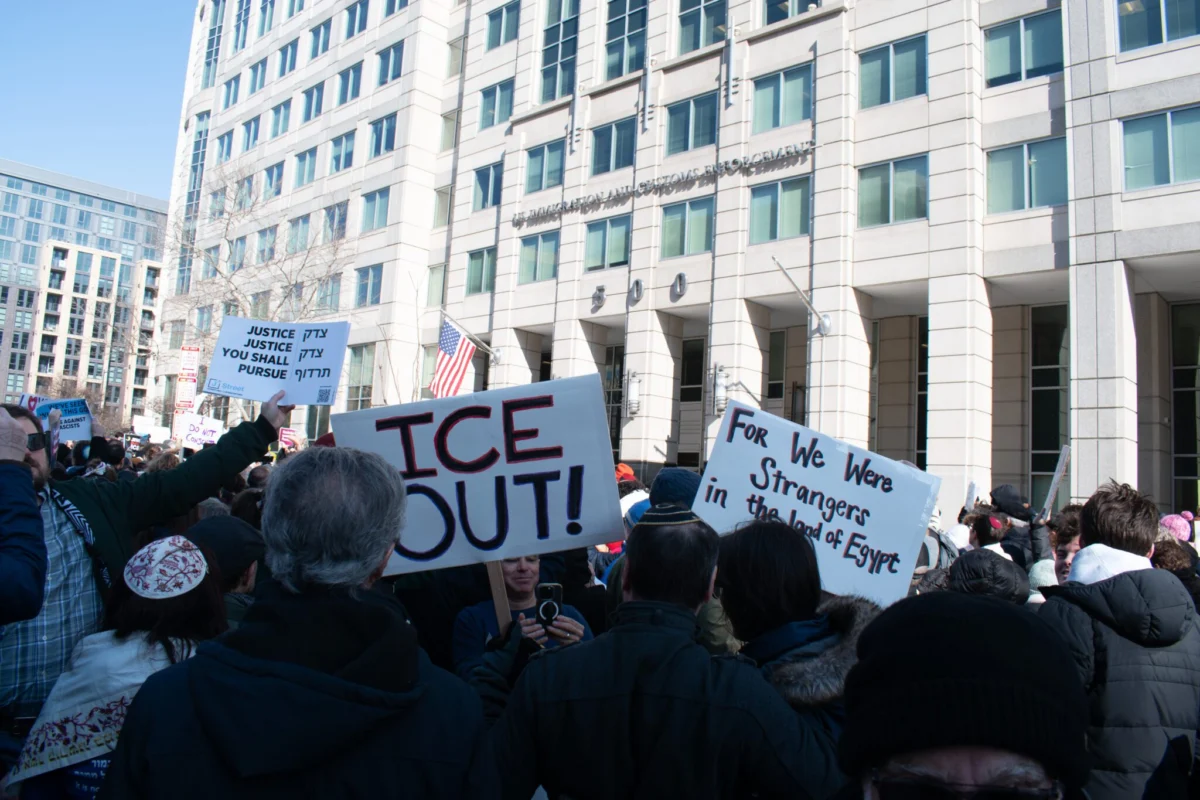
Dr. Oppenheim’s message arrives at a time of heightened global challenges for refugees and asylum seekers. "Today, as our country grows more hostile to those seeking safety, that work is more urgent than ever," she observed. This sentiment reflects a broader trend of increasing anti-immigrant sentiment and restrictive policies in many nations, creating significant obstacles for individuals fleeing violence, persecution, and disaster.
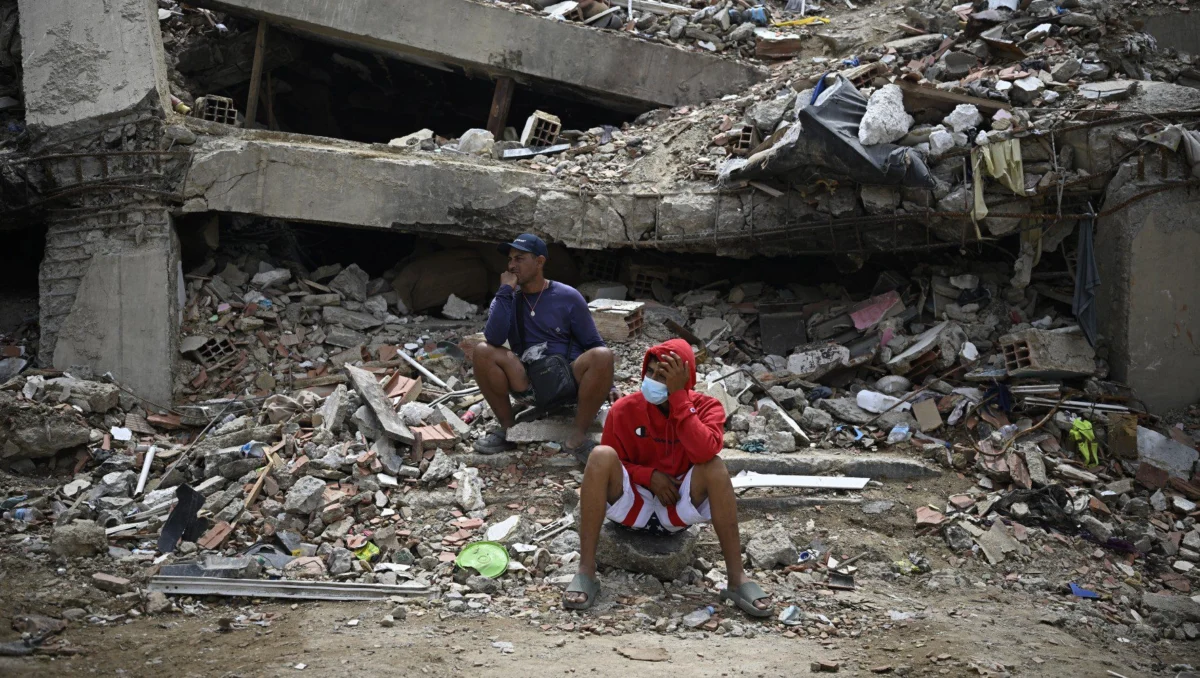
The United Nations High Commissioner for Refugees (UNHCR) reported in its 2023 Global Trends report that the number of forcibly displaced people worldwide had reached 117.3 million by the end of 2023, a staggering increase from previous years. This surge is attributed to a complex interplay of factors, including ongoing conflicts, climate change-induced displacement, and persistent political instability in various regions.
HIAS’s Enduring Mission and Legacy
Founded in 1880, HIAS has a long and distinguished history of assisting Jewish immigrants and refugees. Initially established to support Jews fleeing pogroms in Eastern Europe, the organization played a pivotal role in the resettlement of Jewish refugees after World War II and continued its work with those displaced by the Holocaust. Over time, HIAS expanded its mandate to assist refugees of all faiths and nationalities, recognizing the universal need for humanitarian assistance.
The organization’s historical archives are replete with stories of successful resettlements and the profound impact of its work on individuals and families. These narratives serve as powerful testaments to the efficacy of dedicated humanitarian efforts in transforming lives.
Broader Implications and the Path Forward
Dr. Oppenheim’s personal testimony and the ongoing work of HIAS highlight a critical analysis of contemporary global displacement: the vital importance of intentional, deliberate action in providing sanctuary. In an era where geopolitical tensions and nationalistic sentiments often dominate headlines, the reminder that "sanctuary was never accidental" is particularly resonant.
The implications of failing to uphold the principles of refugee protection are far-reaching. When doors of welcome are closed, individuals are left vulnerable to exploitation, further persecution, and a loss of hope. This not only impacts the displaced populations but also diminishes the humanitarian standing and moral compass of nations.
The analysis suggests that a concerted effort is required on multiple fronts:
- Policy Reform: Governments must re-examine and reform policies that hinder legitimate asylum claims and create undue hardship for refugees. This includes ensuring access to fair and efficient asylum processes and upholding international legal obligations.
- Increased Funding and Support: Humanitarian organizations like HIAS rely heavily on donor support to carry out their vital work. Increased funding is essential to expand services, reach more individuals in need, and adapt to evolving global crises.
- Public Awareness and Education: Combating xenophobia and misinformation surrounding refugees is crucial. Educating the public about the realities of displacement and the contributions of refugees can foster greater empathy and support for welcoming policies.
- International Cooperation: Addressing the root causes of displacement and managing refugee flows effectively requires robust international cooperation. Collaborative efforts among nations are essential to promote peace, stability, and sustainable development in regions affected by conflict and crisis.
A Commitment to an Open Door
The message from Dr. Beth Oppenheim is clear and compelling. The story of her grandfather, rescued by the intervention of HIAS, is a microcosm of the countless lives saved by humanitarian organizations. Yom HaShoah serves as an annual inflection point, a moment to reflect on the past and recommit to the future.
"Remembering his story, and stories like it, is not only an act of memory," Dr. Oppenheim concluded. "It is a commitment: to ensure that the door to safety stays open, and that no one is ever left to face the world alone."
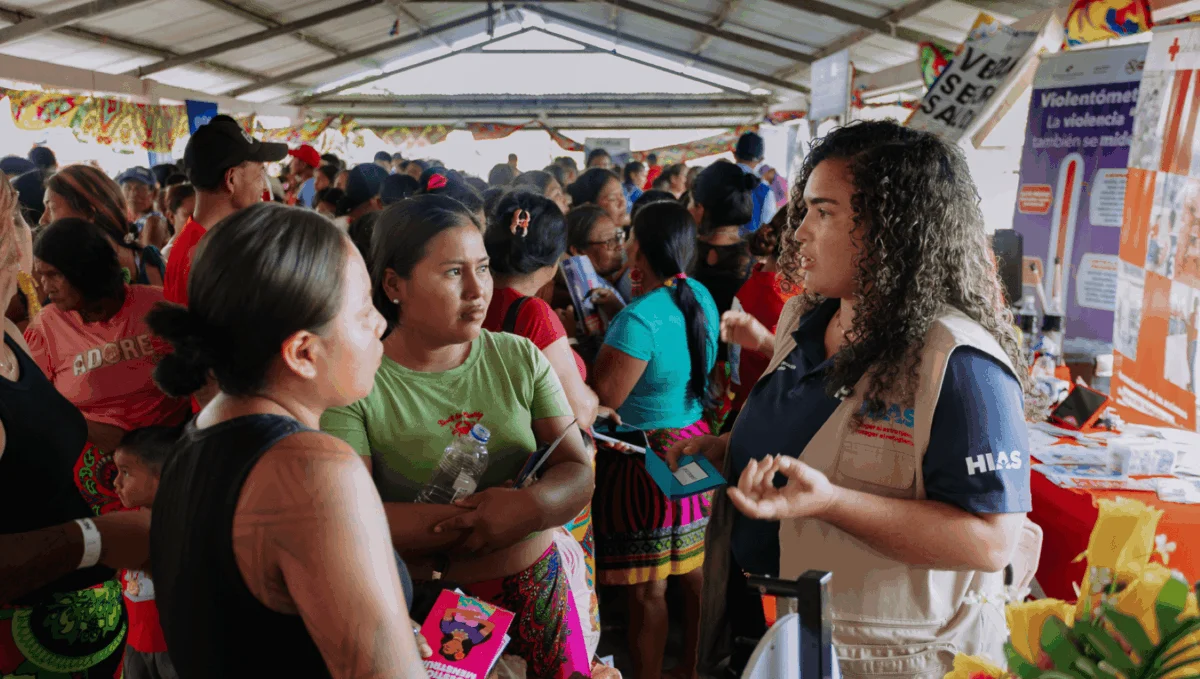
This commitment is not merely symbolic; it translates into tangible action. HIAS continues to provide critical services to refugees and asylum seekers, offering legal assistance, resettlement support, and community integration programs. The organization’s ongoing work, fueled by its rich history and the personal conviction of its leadership, represents a vital bulwark against the forces that seek to close the doors of sanctuary.
The call to action is amplified by a prominent donation appeal on the HIAS website: "Now more than ever, your support is needed to help refugees and displaced people rebuild their lives." In a world grappling with unprecedented displacement, the legacy of HIAS and the urgent plea of its CEO serve as a powerful reminder of our collective responsibility to offer hope and refuge to those most in need. The narrative of Dr. Oppenheim’s family underscores that the fight for a compassionate and just world is a deeply personal one, with profound implications for generations to come.