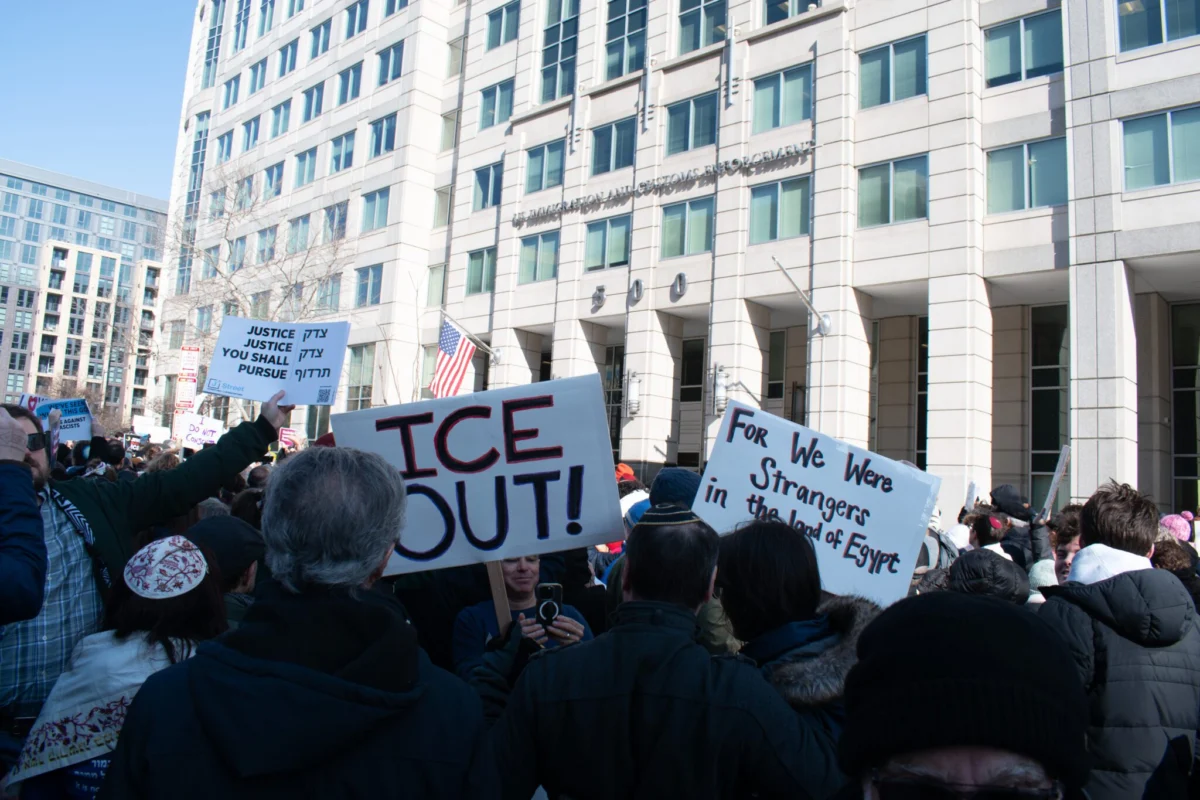
April 14, 2026 – Dr. Beth Oppenheim, the current CEO of HIAS, a global Jewish humanitarian organization, has drawn a powerful connection between her family’s history and the ongoing global refugee crisis, emphasizing the enduring mission of HIAS to ensure "doors of welcome never close." In a recent reflection coinciding with Yom HaShoah, the Day of Remembrance of the Holocaust, Dr. Oppenheim shared the profound personal story of her grandfather, a university student in neutral Switzerland during World War II, who risked everything to return to Germany and rescue his parents. This act of familial devotion, she revealed, was ultimately facilitated by HIAS, an organization that provided her grandfather with the crucial exit visa that allowed his family to escape persecution and ultimately find refuge.
The narrative, deeply personal yet universally resonant, underscores the critical role of humanitarian organizations in providing pathways to safety for those fleeing violence and oppression. Dr. Oppenheim’s grandfather, having grown up in Wiesbaden, Germany, found himself in Switzerland when the war erupted. Despite the relative safety of his position as a university student, he made the courageous decision to re-enter Nazi Germany. The specifics of his daring escape and the subsequent journey of his family through France and Spain to Portugal remain, in part, shrouded in the complexities of wartime circumstances. However, it was in Portugal, in the summer of 1941, that HIAS issued the vital exit visa, a document that, as Dr. Oppenheim poignantly states, "I owe my very existence to."
A Silent History, A Revealed Legacy
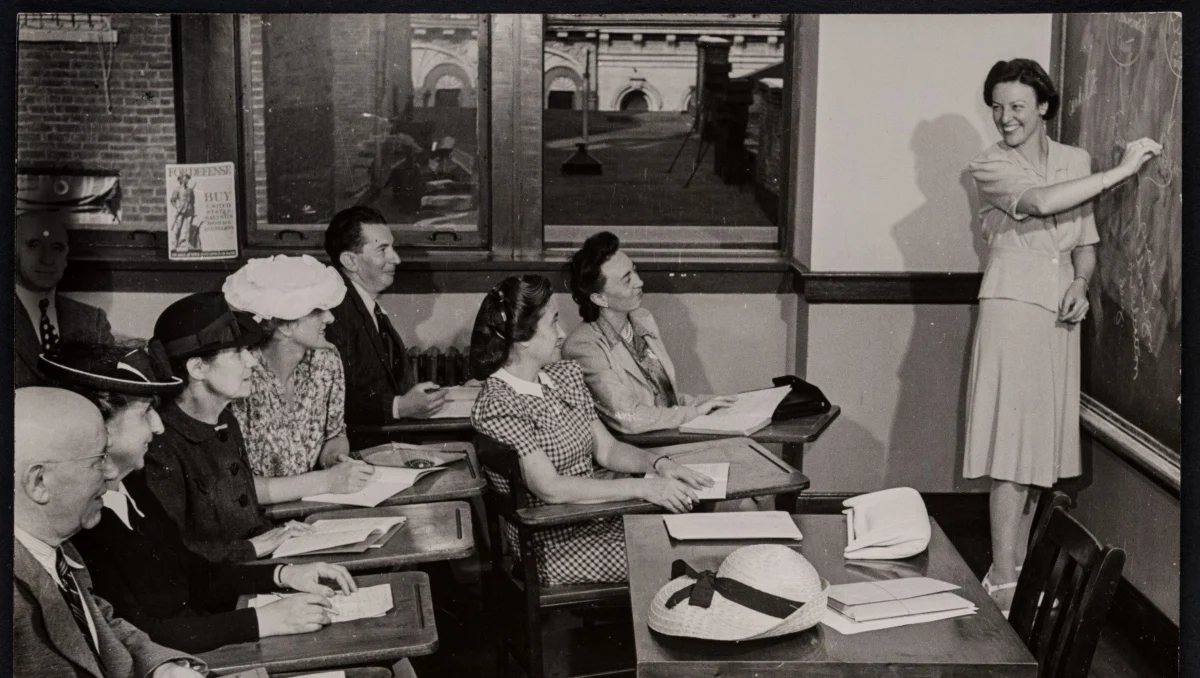
For many years, the full scope of her grandfather’s ordeal and HIAS’s involvement remained a hidden chapter in the family’s history. Like many survivors of the Holocaust, her grandfather carried the weight of his experiences with a profound silence, a reticence that extended to his own son and, consequently, to Dr. Oppenheim herself. He passed away when she was only eleven years old, leaving behind a void of unspoken history. It was only after his death that her father discovered a box containing old photographs and a letter written in German. While the names of European cities were recognizable, and the acronym "HIAS" stood out in bold capital letters, the full narrative remained elusive.
It took an astonishing twenty-five years for Dr. Oppenheim to uncover the complete story, facilitated by the translation of that very letter. This revelation, however, solidified her childhood understanding that HIAS had been instrumental in helping her grandfather and other family members find a new home and a sense of belonging in the United States. This personal connection to the organization’s mission profoundly influenced her own career trajectory.
"When I started my career, I knew that I, too, wanted to help refugees find lasting safety for themselves and the generations after them," Dr. Oppenheim stated. "And I only knew one organization in that space. HIAS." This personal conviction now fuels her leadership at the helm of an organization with a rich and complex history of aiding those displaced by conflict and persecution.
Yom HaShoah: Remembering Resilience and the Courage to Act
The observance of Yom HaShoah serves as a poignant reminder of the atrocities of the Holocaust, but for Dr. Oppenheim and HIAS, it is also a call to action, a moment to reflect on the resilience of the human spirit and the critical importance of collective action.
"Yom HaShoah calls us to do more than mourn," Dr. Oppenheim articulated. "It asks us to remember the history of our people – not just the suffering, but the resilience. The choices, the helpers, the narrow paths toward safety. It asks us to remember that there were always people and organizations who made a different future possible."
This perspective highlights a crucial aspect of Holocaust remembrance: the recognition of those who actively worked to save lives. The history of the Holocaust is not solely a narrative of victimhood; it is also a testament to extraordinary acts of courage, compassion, and intervention by individuals and organizations who defied the prevailing climate of hatred and indifference.
HIAS: A Legacy of Sanctuary Spanning Over a Century
The history of HIAS, formerly known as the Hebrew Immigrant Aid Society, is deeply intertwined with the experiences of Jewish refugees. Founded in 1880, the organization was initially established to assist Jewish immigrants arriving at Ellis Island in New York City. Over its more than 140-year history, HIAS has evolved significantly, expanding its mission to provide critical assistance to refugees and asylum seekers of all backgrounds fleeing persecution, war, and natural disasters.
The organization’s work has been a constant thread through periods of immense global upheaval, including pogroms in Eastern Europe, the rise of Nazism, the aftermath of World War II, and numerous subsequent refugee crises. HIAS has played a pivotal role in facilitating the resettlement of hundreds of thousands of individuals, offering legal aid, social services, and the crucial support needed to rebuild lives in new countries.
"As the people who survived the Holocaust pass away, we are the ones entrusted with these stories," Dr. Oppenheim emphasized. "We are the ones who must heed the lesson: that sanctuary was never accidental. It was the result of deliberate acts of courage – by individuals, and by organizations willing to stand in the breach."
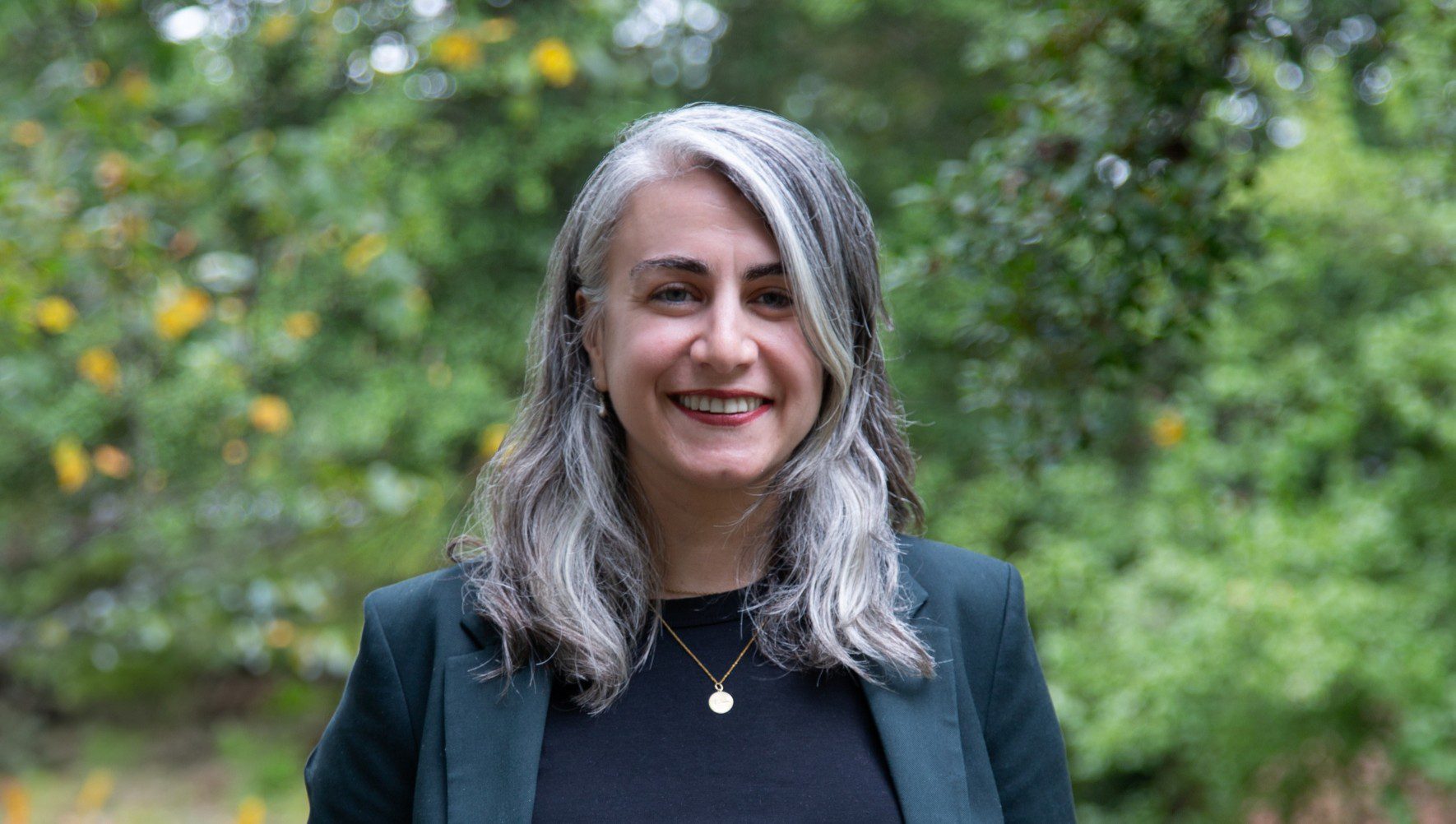
Her grandfather’s story, once a silent echo, now stands as a powerful symbol of this ongoing legacy. The narrow path to safety he navigated, aided by HIAS, represents the countless similar journeys facilitated by the organization throughout its history.
The Urgency of the Present: A Hostile Climate for Refugees
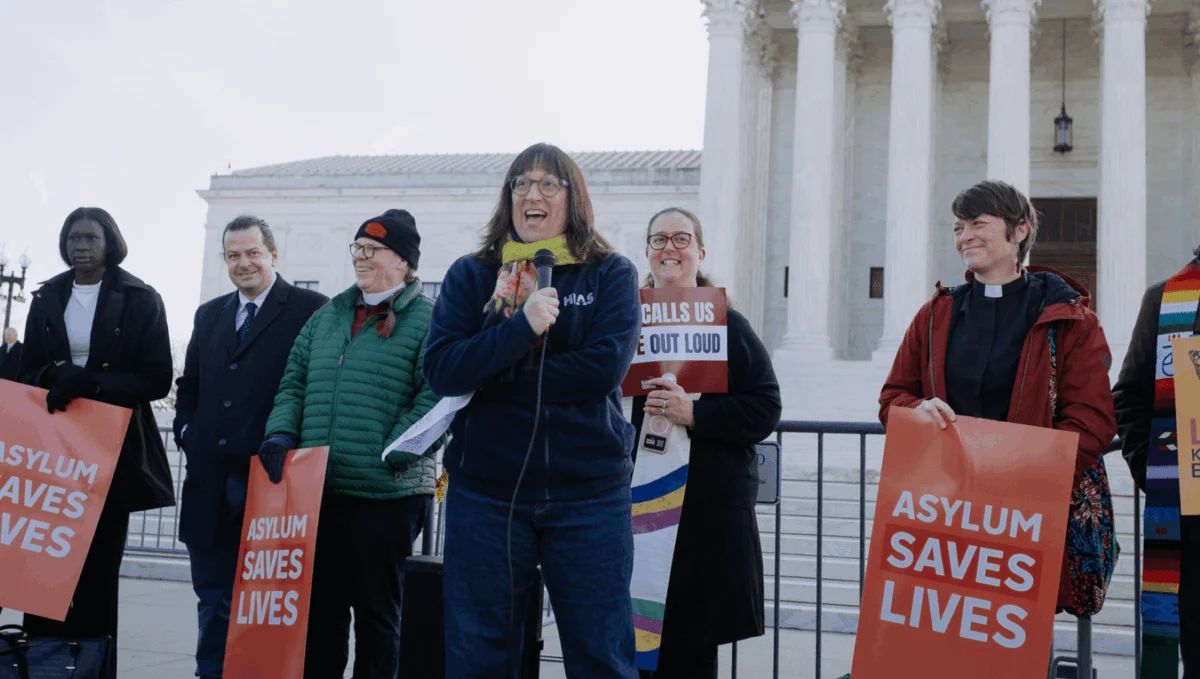
In the contemporary landscape, Dr. Oppenheim notes a concerning trend: an increasingly hostile environment for those seeking refuge. The rise of nationalist sentiments, restrictive immigration policies, and widespread xenophobia in many parts of the world present significant challenges to the fundamental principles of asylum and humanitarian protection.
"Today, as our country grows more hostile to those seeking safety, that work is more urgent than ever," she stated. "It is sacred." This sentiment reflects a broader concern within the humanitarian sector about the erosion of international norms and the growing difficulties faced by refugees in finding safe haven.
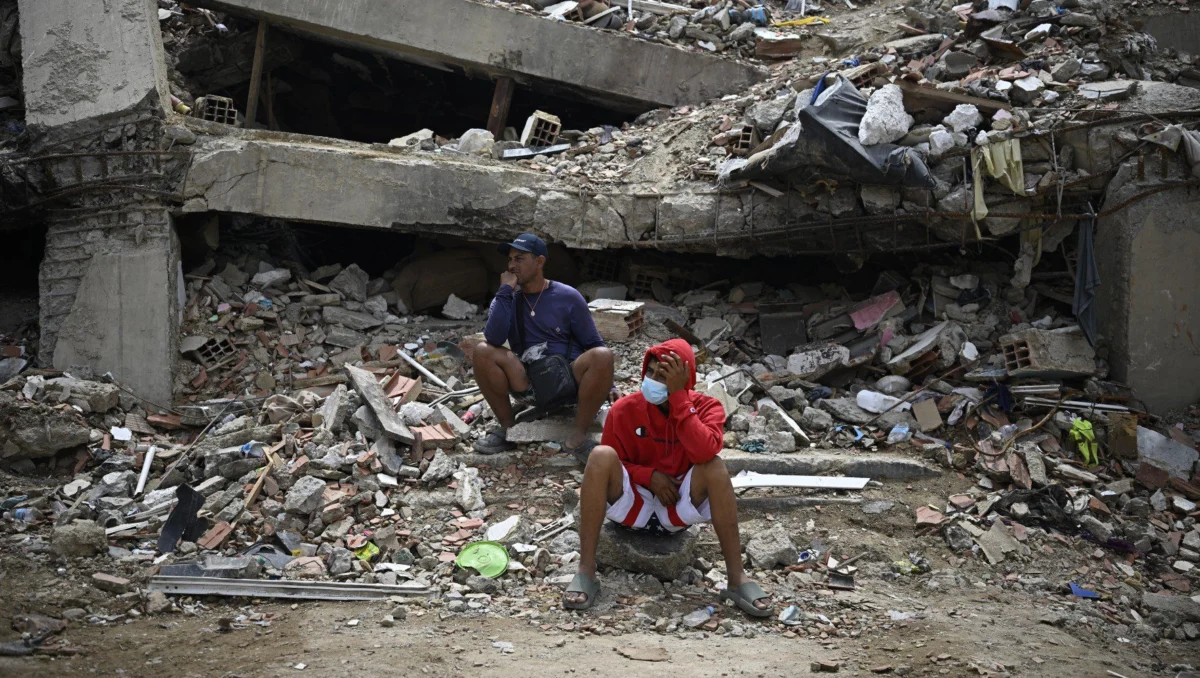
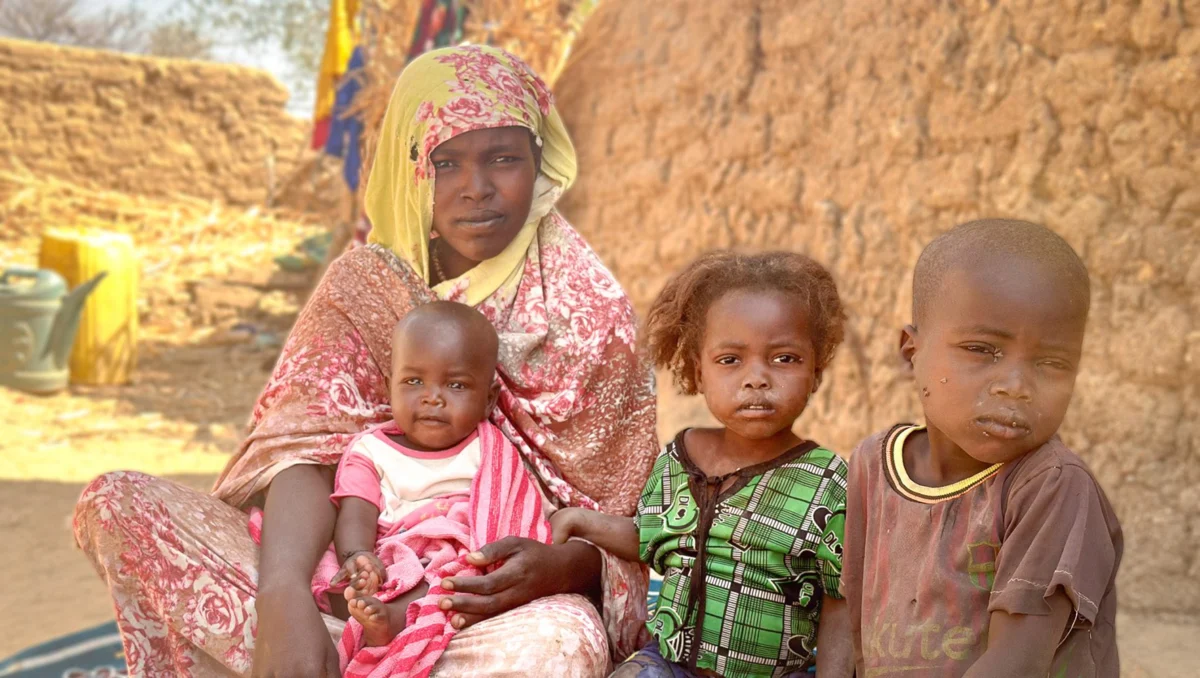
Data from organizations like the United Nations High Commissioner for Refugees (UNHCR) consistently highlight the escalating numbers of displaced people worldwide. As of the end of 2023, the UNHCR reported that a record 117.3 million individuals were forcibly displaced globally due to persecution, conflict, violence, human rights violations, and events seriously disturbing public order. This figure represents a stark increase from previous years, underscoring the immense scale of the current humanitarian challenge.
The implications of this growing hostility are profound. When doors of welcome are closed, individuals and families are often forced into more dangerous journeys, fall prey to traffickers, or are compelled to remain in precarious situations where their safety and well-being are constantly at risk. This not only impacts the lives of those directly affected but also poses challenges to global stability and human rights.
A Commitment to an Open Door: The Enduring Mission of HIAS
Dr. Oppenheim’s personal connection to HIAS’s mission is not merely a matter of historical curiosity; it is a driving force behind her commitment to ensuring that the organization continues to fulfill its vital role. The story of her grandfather’s escape and eventual resettlement serves as a tangible reminder of the profound impact that dedicated humanitarian efforts can have.
"HIAS was there for my grandfather," she affirmed. "And for more than 120 years, we’ve been there – for Jews and refugees of every background – as a stepping stone, a source of hope." This statement encapsulates the enduring mission of HIAS: to provide not just immediate relief but also the long-term support necessary for individuals to rebuild their lives and integrate into new societies.
The organization’s work encompasses a wide range of services, including:
- Legal Assistance: Helping refugees navigate complex asylum processes and secure legal status.
- Resettlement Services: Providing practical support for newly arrived refugees, including housing, education, and employment assistance.
- Community Integration: Fostering welcoming communities and helping refugees connect with local resources and support networks.
- Advocacy: Working to promote policies that protect refugees and uphold their human rights.
The challenges facing refugees are multifaceted and often deeply entrenched. Political instability, economic hardship, and climate change are increasingly contributing to displacement, creating a continuous and growing need for humanitarian assistance. In this context, organizations like HIAS play an indispensable role, acting as crucial bridges between vulnerability and opportunity.
The Call to Remember and to Act
As the world grapples with unprecedented levels of displacement, Dr. Oppenheim’s message resonates with a powerful urgency. The lessons of history, particularly the harrowing experiences of the Holocaust, serve as a stark warning against complacency and indifference. The remembrance of past suffering, coupled with the recognition of the acts of kindness and courage that offered pathways to safety, must translate into concrete action in the present.
"Remembering his story, and stories like it, is not only an act of memory," Dr. Oppenheim concluded. "It is a commitment: to ensure that the door to safety stays open, and that no one is ever left to face the world alone."
This commitment is not without its challenges. Navigating the complexities of international law, securing adequate funding, and combating the pervasive narratives of fear and exclusion require sustained effort and unwavering dedication. However, the personal legacy embodied by Dr. Oppenheim, and the historical precedent set by HIAS, offer a powerful testament to the enduring possibility of creating a more compassionate and just world for all those seeking refuge. The ongoing work of HIAS, fueled by such personal conviction and historical imperative, remains a critical beacon of hope in a world often fraught with uncertainty and peril for the displaced.