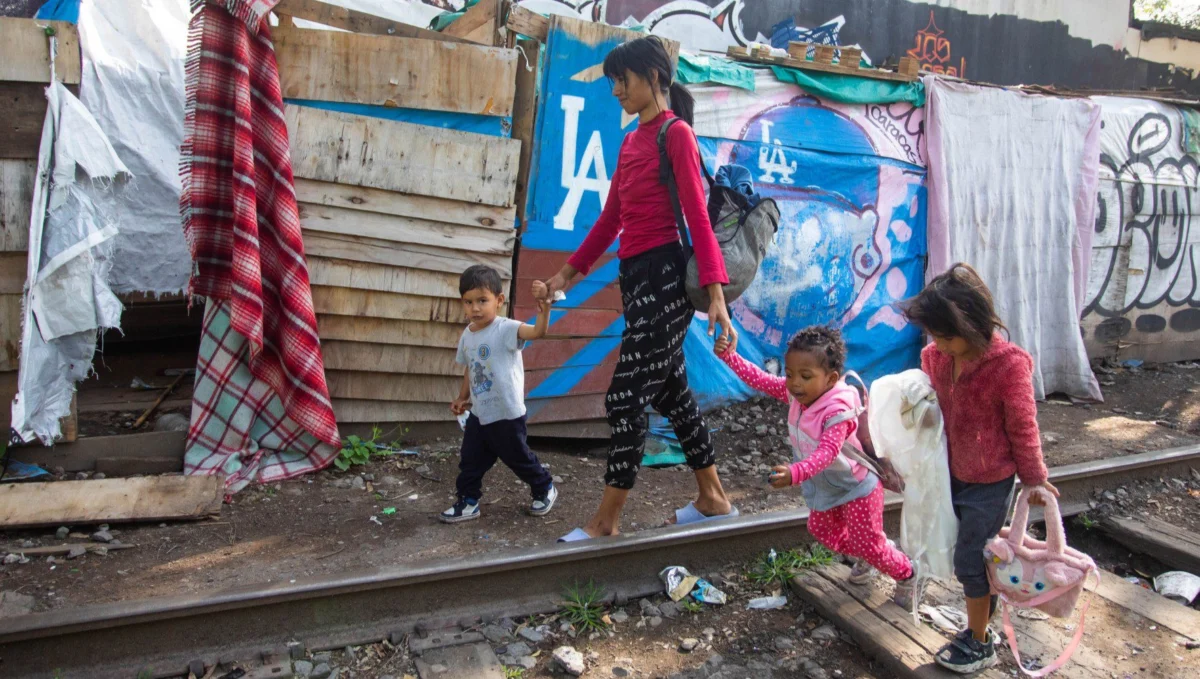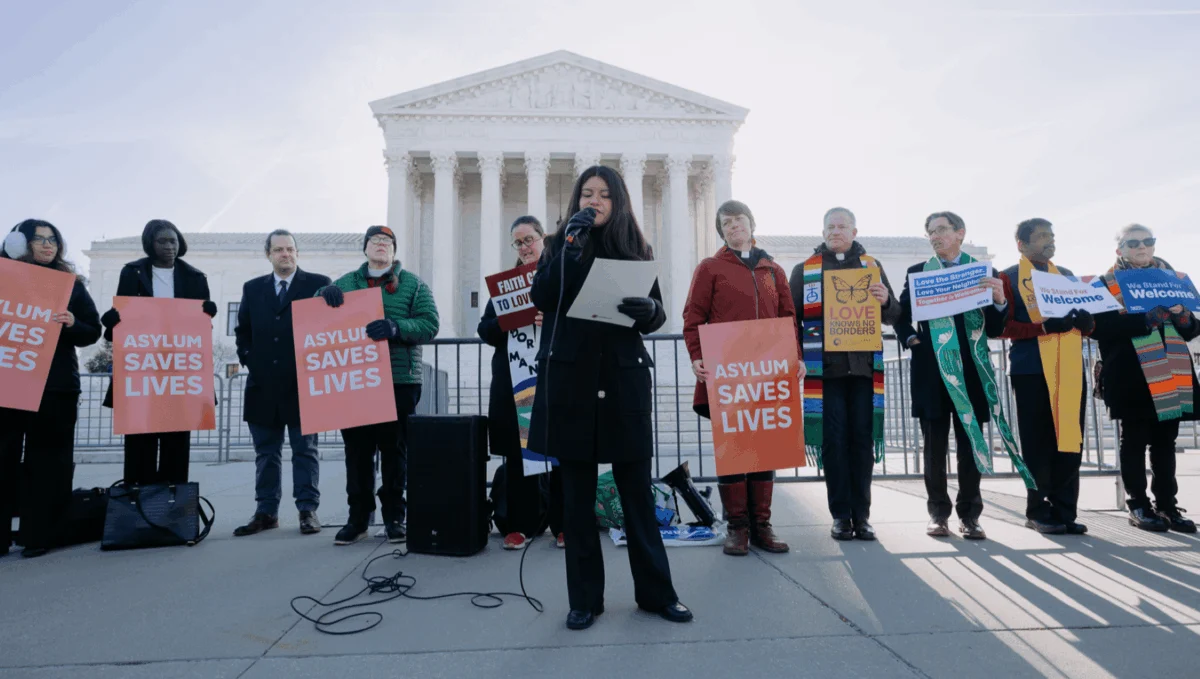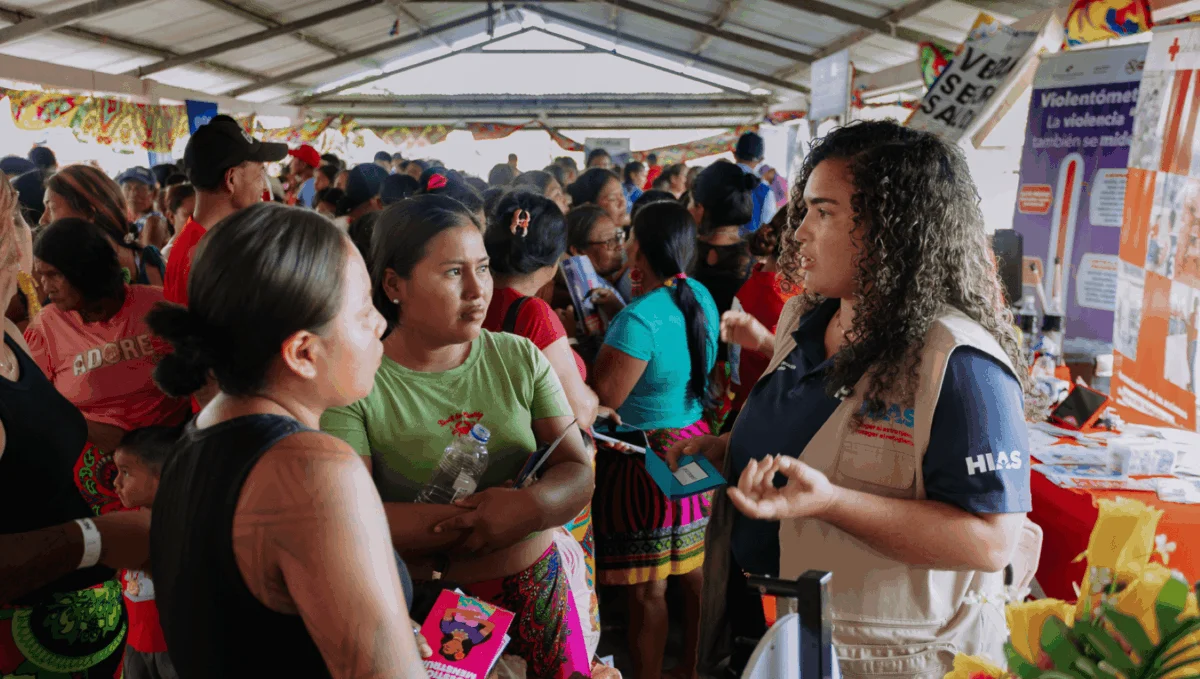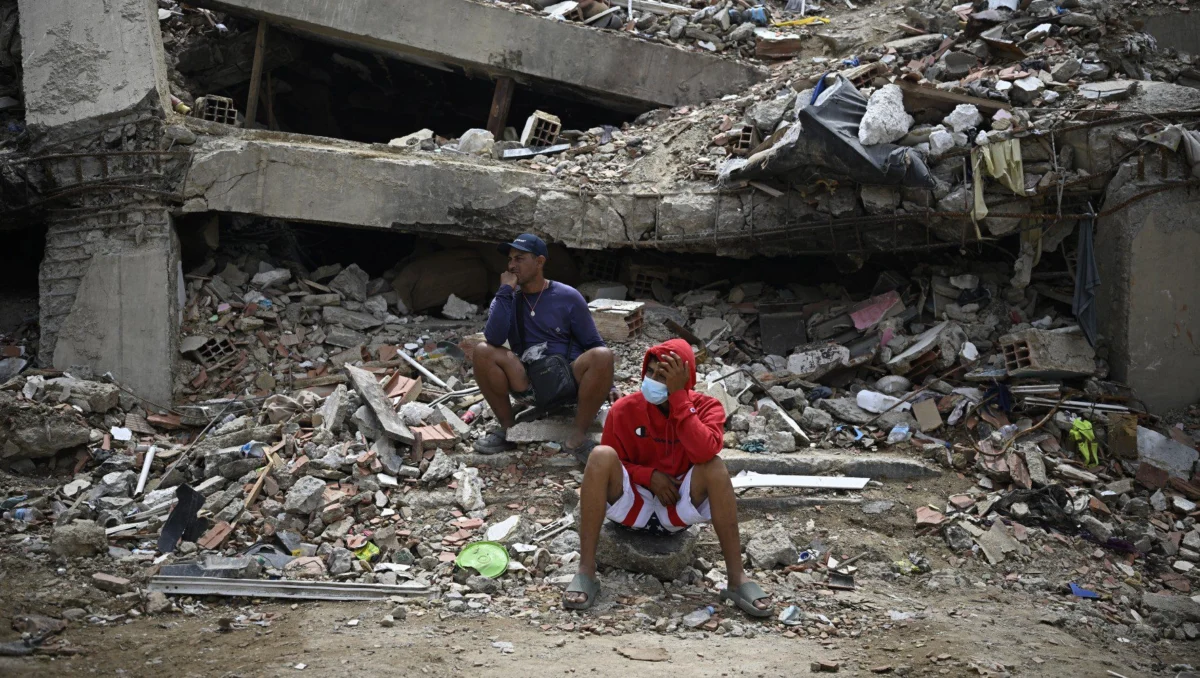
In its eighth year, HIAS’s Refugee Shabbat has emerged as a powerful and resonant demonstration of the Jewish community’s unwavering support for and solidarity with refugees, asylum seekers, and immigrants. This annual observance, held on March 13-14, 2026, carried particular significance this year, occurring against a backdrop of escalating xenophobia and restrictive governmental policies that threaten to erode decades of progress in welcoming vulnerable populations. For many participants, Refugee Shabbat serves as a vital annual reminder that the principle of welcome is deeply interwoven with Jewish values, complementing the year-round efforts of organizations and individuals dedicated to aiding those displaced by conflict and persecution.
"At a time when governments have slammed doors shut in the face of people seeking protection and safety, Refugee Shabbat feels particularly powerful and poignant," stated Isabel Burton, HIAS’s Senior Director for Community Engagement. "Refugee Shabbat gives us an opportunity to celebrate the inspiring actions of Jewish communities around the world, who are stepping up to respond in real time to these new realities. Together, we honor that work, support each other, and stand with refugees who simply seek sanctuary and a fresh start."
This year’s observance saw a significant global engagement, with an estimated 300 Jewish communities and 144 individuals participating from diverse geographical locations including the United States, Canada, South Africa, and the United Kingdom. The spectrum of events organized by these communities reflected a multifaceted approach to engagement, encompassing art exhibitions, film screenings, and traditional Friday night and Saturday morning services. Regardless of the format, the underlying message remained consistent: a collective commitment to supporting refugees and understanding how to advocate for their rights and well-being during a challenging global climate.
A Chronology of Solidarity: Events Across Continents
The Refugee Shabbat initiative, first launched in 2019 by HIAS, has steadily grown in scope and impact. Its evolution reflects a proactive response by Jewish communities to the increasing global refugee crisis.
- 2019: The inaugural Refugee Shabbat sees initial participation from a modest number of congregations, establishing the core message of solidarity and the connection to Jewish values of hospitality and justice.
- 2020-2022: Despite the challenges posed by the global pandemic, Refugee Shabbat adapts, with many events transitioning to virtual formats. This period highlights the resilience of the initiative and its ability to connect communities across distances. Participation continues to grow, with an increasing awareness of the plight of refugees exacerbated by global instability.
- 2023-2025: As geopolitical tensions rise and displacement figures surge globally, Refugee Shabbat gains further traction. In the United States, this period coincides with significant policy shifts affecting refugees and asylum seekers, prompting a more urgent call to action within Jewish communities. Organizations like HIAS and its partners redouble their advocacy efforts.
- March 11-14, 2026: The eighth annual Refugee Shabbat witnesses unprecedented participation. Key events, such as the cooking demonstration in London and services in Los Angeles, exemplify the diverse and impactful ways communities are observing the occasion. The scale of engagement this year underscores a growing concern and a determination to counter narratives of fear and exclusion.
United States: Defiance Against a Shifting Political Landscape
In the United States, the political climate of the preceding year had presented considerable challenges for refugees and immigrants. The Trump administration’s policies and rhetoric had demonstrably impacted resettlement numbers and asylum processes. However, this period also galvanized a strong counter-movement within American communities, demonstrating that while policies might shift, the fundamental values of compassion and welcome remained deeply ingrained in the national consciousness.
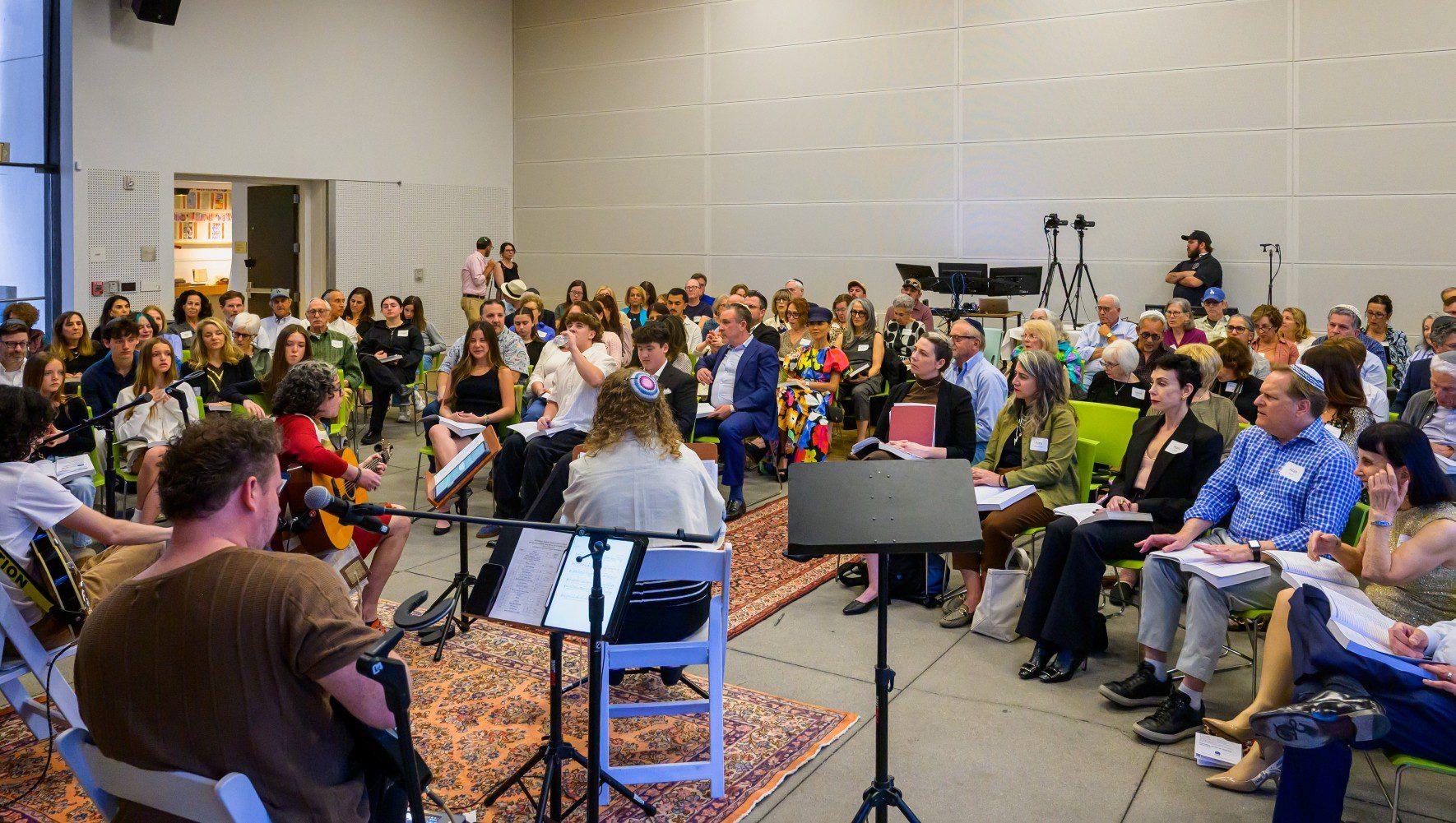
In Los Angeles, a city with a long-standing tradition of supporting newcomers, Temple Israel of Hollywood hosted a significant Refugee Shabbat service and program on Friday, March 13, 2026. Under the guidance of Rabbi Lara Regev, the service was a powerful affirmation of the Jewish imperative to welcome the stranger. The event featured addresses from HIAS CEO Beth Oppenheim and HIAS Rabbi-in-Residence Sarah Bassin, who provided crucial insights into the current landscape of refugee resettlement and outlined actionable steps for community members to engage in advocacy.
Rabbi Sarah Bassin reflected on the significance of the occasion, stating, "I was honored to share words of Torah to ground ourselves through an era of moral disorientation in which our values are challenged daily." The service underscored the historical parallels of Jewish experience with that of contemporary refugees, drawing strength from ancient texts to navigate contemporary ethical dilemmas.
United Kingdom: A Surge in Support Amidst Growing Division
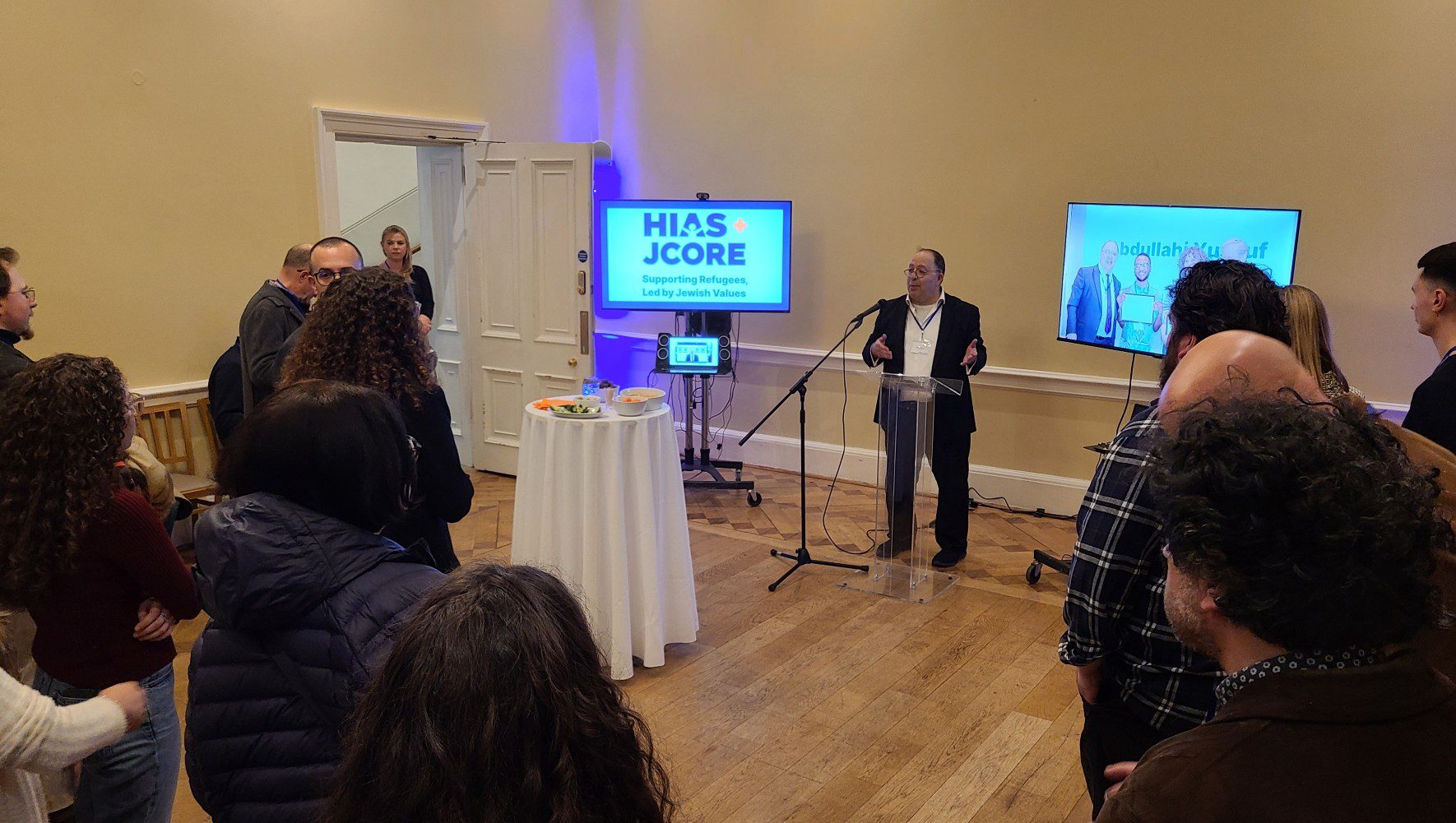
Across the Atlantic, in the United Kingdom, Refugee Shabbat 2026 saw a remarkable surge in participation, with a record 66 communities engaging, more than doubling the numbers from 2025. This expansion occurred against a backdrop of increasingly polarized public discourse surrounding immigration. The initiative, spearheaded by HIAS+JCORE, a partnership between HIAS and the Jewish Council for Racial Equality, demonstrated a powerful counter-narrative of empathy and active support.
"It is truly remarkable to have this many communities taking part in Refugee Shabbat this year," said Yael Peleg, HIAS+JCORE’s Community Engagement Director. "There is so much inspiring work being done across the Jewish community to welcome refugees, and Refugee Shabbat 2026 is a wonderful opportunity to celebrate it."
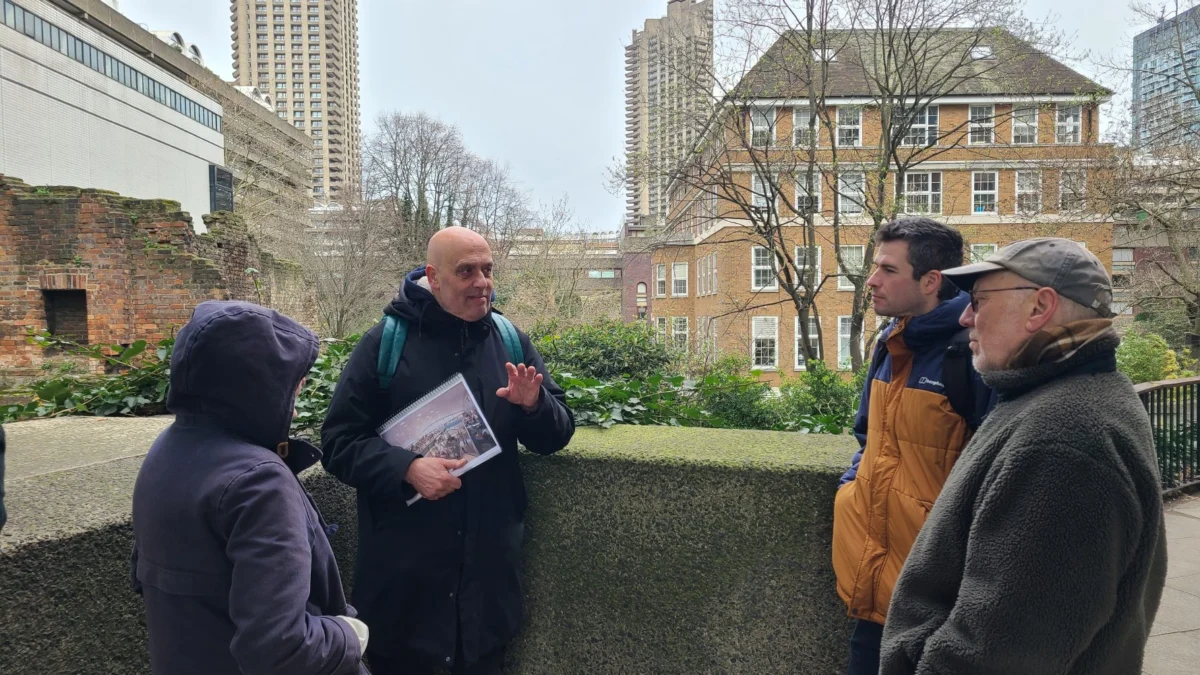
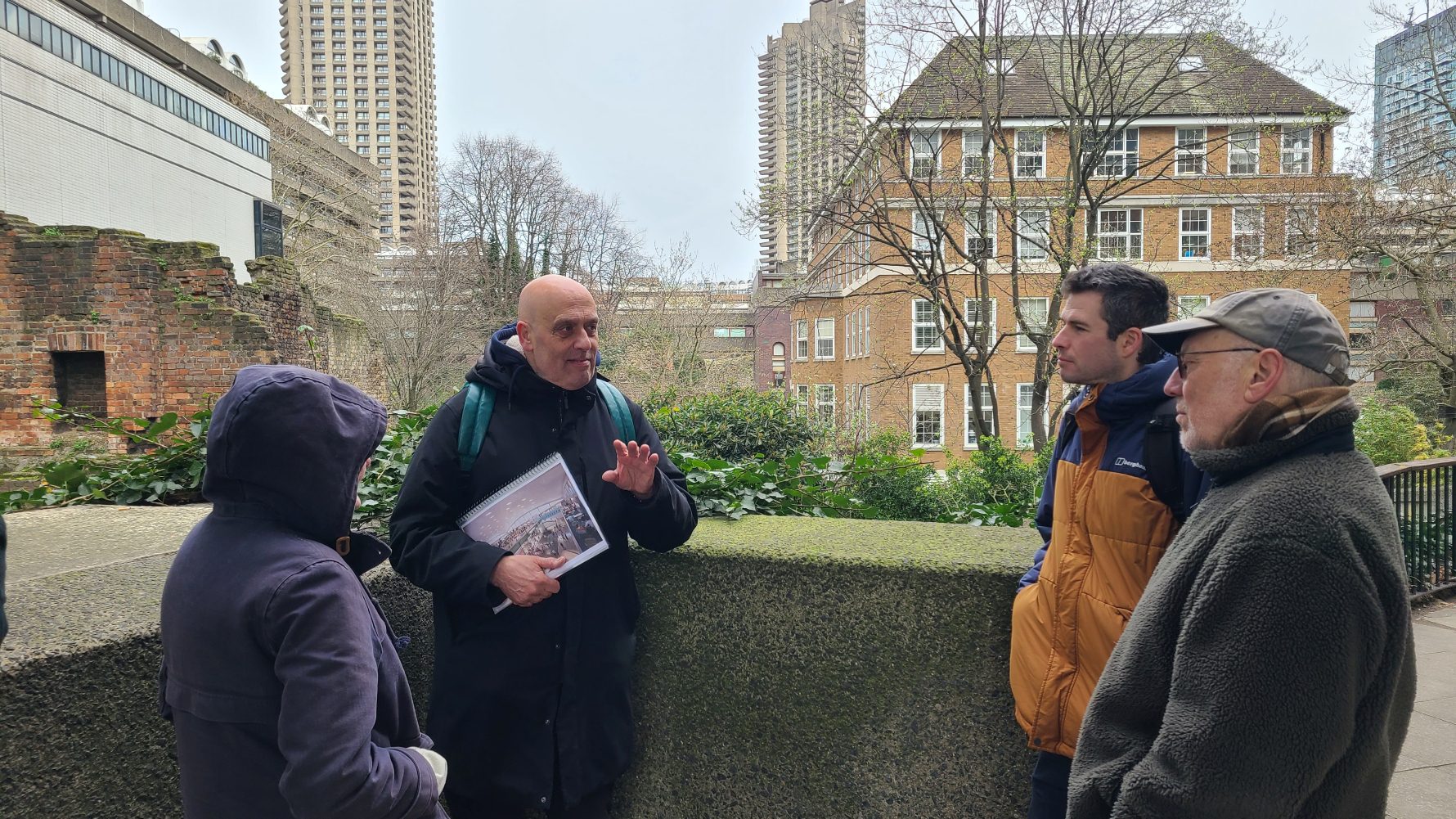
The breadth of activities in the UK was particularly noteworthy. These included an architectural tour in central London showcasing buildings designed by refugee and immigrant architects, a poignant tour of the historic Willesden Jewish Cemetery highlighting the stories of Jewish refugees and immigrants buried there, and numerous engaging discussions held in synagogues nationwide. Thousands of British Jews actively participated, demonstrating a deep commitment to understanding the complexities of refugee and immigrant issues and exploring avenues for impactful advocacy.
Libi Sears, a refugee supporter and consultant with HIAS+JCORE partner Our Second Home, articulated the prevailing sentiment: "There is so much misinformation and a lack of compassion when it comes to refugees. Discussions around refugees and asylum seekers often lack nuance and kindness. Empathy and humanity should be at the forefront of any discussion about refugees."
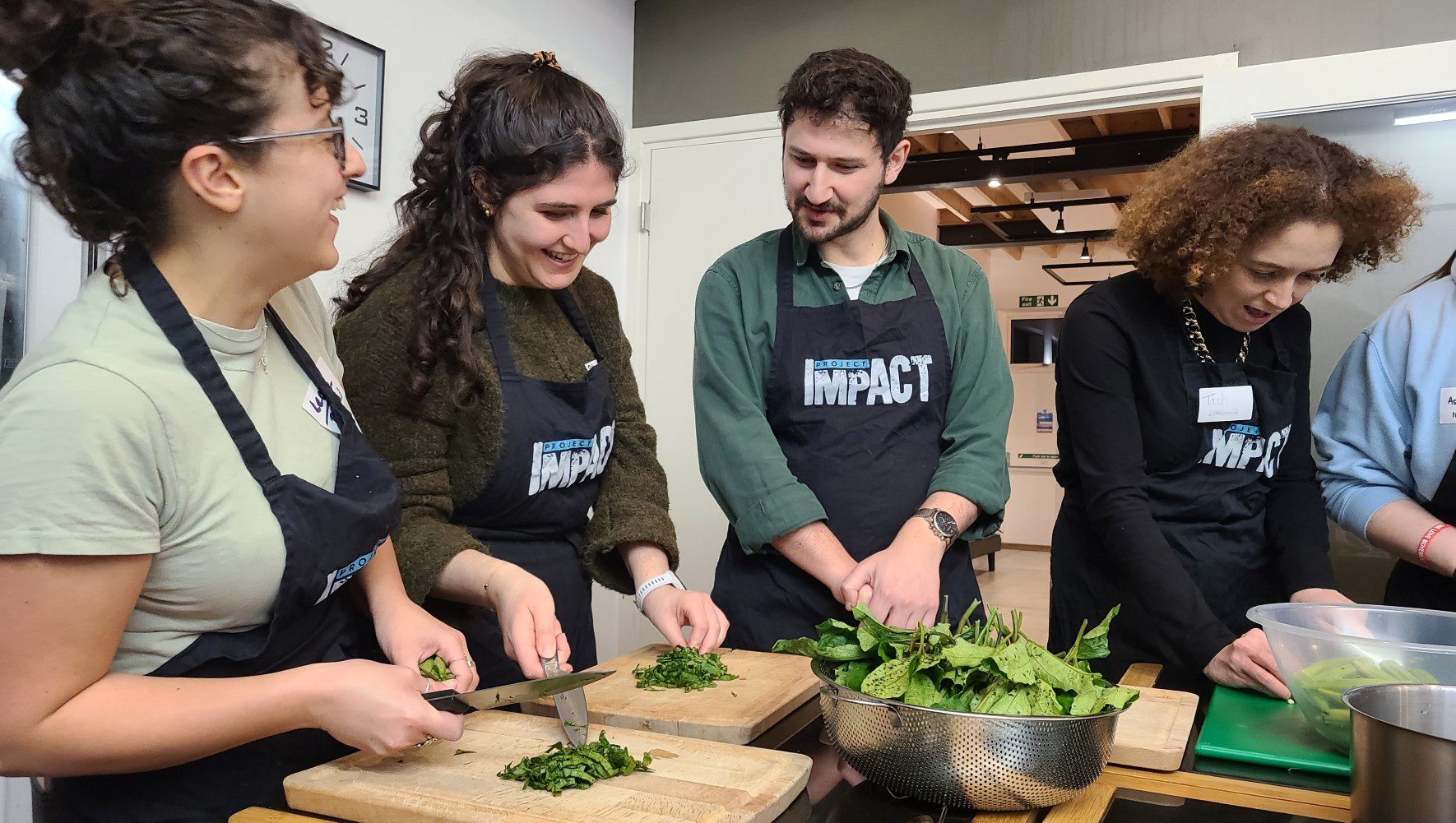
Sears was among 20 supporters who participated in an early Refugee Shabbat event in London on March 11, 2026: a cooking demonstration hosted by OLAM, a HIAS partner. Charity, a former Nigerian refugee, shared her culinary heritage by teaching attendees how to prepare a traditional meal with a vegan adaptation. The event fostered not only culinary learning but also provided crucial information about the work of HIAS and HIAS+JCORE, empowering attendees to contribute to the support of refugees, asylum seekers, and displaced people in the UK. "We should never stop talking about refugees," Sears emphasized. "Refuge is a human right, and it is our responsibility as humans to provide compassion and safety."
Broader Impact and Analysis
The widespread participation in Refugee Shabbat 2026, spanning diverse cultural and political landscapes, underscores several critical observations:
- Resilience of Values: In an era often characterized by rising nationalism and isolationist tendencies, the Jewish community’s sustained commitment to Refugee Shabbat demonstrates the enduring power of core ethical principles. The tradition of welcoming the stranger, deeply embedded in Jewish scripture and history, continues to serve as a powerful motivator for action.
- Countering Misinformation: The events highlighted a conscious effort to combat the pervasive misinformation and dehumanizing narratives surrounding refugees. By providing platforms for dialogue, personal testimonies, and factual information, communities actively worked to foster understanding and empathy.
- Community Empowerment: Refugee Shabbat serves as a vital mechanism for empowering individuals and communities to move beyond passive sympathy to active engagement. The provision of concrete advocacy strategies and opportunities for direct support ensures that participants can translate their solidarity into tangible change.
- Intersectional Advocacy: The involvement of various partners, such as HIAS+JCORE and OLAM, signifies a growing recognition of the need for collaborative efforts to address the multifaceted challenges faced by refugees. These partnerships leverage diverse expertise and resources to create a more comprehensive support network.
- Historical Resonance: The specific inclusion of events like the Willesden Jewish Cemetery tour and discussions involving descendants of Jewish refugees or refugees themselves, powerfully connects contemporary struggles with historical experiences. This resonance serves to deepen the sense of shared humanity and responsibility.
The data points to a significant increase in engagement:
- Global Participation: 300 Jewish communities and 144 individuals globally.
- UK Surge: 66 participating communities in the UK, more than double the previous year.
- US Engagement: Temple Israel of Hollywood’s service, alongside numerous other congregations, indicates strong US participation.
- Diverse Events: Ranging from art and film to culinary experiences and historical tours, demonstrating a broad appeal and varied engagement methods.
The implications of this sustained commitment are far-reaching. As global displacement figures continue to rise—the UN Refugee Agency (UNHCR) reported over 120 million forcibly displaced people by mid-2024—initiatives like Refugee Shabbat play a crucial role in maintaining public awareness and advocating for humane policies. The collective voice of these communities serves as a moral compass, urging governments and societies to uphold their international obligations and ethical responsibilities towards those seeking safety and a better life.
A Message of Hope Amidst Adversity
The concluding remarks from Rabbi David Mason, HIAS+JCORE’s Executive Director, encapsulate the spirit of the initiative: "There is no doubt that we’re living in a difficult period. But this Refugee Shabbat is a message of hope and a loud statement from the Jewish community that we are with refugees. Together, our values of compassion and solidarity are so much stronger than hate and division."
The events of Refugee Shabbat 2026 serve as a powerful testament to the enduring capacity for empathy and collective action within the Jewish community. As the world grapples with unprecedented levels of displacement, the commitment demonstrated through this annual observance offers a vital beacon of hope and a call to action, reinforcing the universal values of welcome, dignity, and human rights for all.
Call to Action
Organizations like HIAS continue to rely on the generosity of supporters to sustain their critical work. Donations are essential for providing legal assistance, resettlement services, and advocacy for refugees and displaced people worldwide. The message from Refugee Shabbat 2026 is clear: solidarity is not just a concept, but a call to tangible action.