March 20, 2026
By HIAS Staff
The United States is currently detaining over 73,000 individuals in Immigration and Customs Enforcement (ICE) facilities, a figure that represents a record high and underscores a significant escalation in the nation’s immigration enforcement policies. This dramatic increase in detainee population, largely attributed to the Trump administration’s intensified efforts to arrest and detain immigrants, asylum seekers, and refugees, has brought to light severe concerns regarding the conditions within these facilities. Data indicates that more than 70% of those detained do not have any criminal convictions, raising critical questions about the necessity and humaneness of prolonged detention for individuals seeking asylum or refuge. This article delves into the personal account of Juliette*, a HIAS program participant who bravely shared her harrowing experience of wrongful detention by ICE on MS NOW, shedding light on the profound and lasting consequences of such encounters.
The Harsh Realities of ICE Detention
Juliette’s journey to the United States began in 2023 when she fled Cameroon to escape persecution. Upon her arrival, she promptly initiated the asylum application process and began the arduous task of rebuilding her life, finding support through HIAS’s comprehensive U.S. legal and social services. However, her pursuit of safety was abruptly interrupted two months prior to her interview by ICE agents. The arrest was swift and disorienting. Juliette recounted being handcuffed and shackled before being transferred through multiple detention centers, each step of the journey exposing her to what she described as horrifying conditions.
"It was very crowded," Juliette stated, her voice strained with the memory. "We had to sleep on the floor, on the concrete. There were no mattresses, there was no bed. There was just one pot for the toilet and the smells were awful. There was no sanitation. I spent six days without washing and wearing the same clothes. We ate with our hands handcuffed."
Her odyssey through the detention system eventually led her to the Dilley Immigration Processing Center in Texas, a facility that has garnered notoriety for its harsh conditions and has housed thousands of immigrants. Here, the uncertainty of her fate compounded the physical deprivations. Juliette met women who had been detained for months, their prolonged stays a stark testament to the system’s capacity for prolonged separation from families and the lives they sought to build. The psychological toll of this indeterminate waiting period, she explained, was a form of cruelty in itself.
Swift Intervention and the Path to Recovery
The intervention of HIAS’s legal and social services team proved critical in Juliette’s case. Their swift action secured her release from detention, reuniting her with her children, her job, and the semblance of a life she had carefully constructed. The organization’s commitment to her well-being extends beyond her release, as they continue to provide support as she navigates the complex trauma of experiencing fear and uncertainty in a country she had hoped would offer sanctuary.
The narrative of Juliette’s detention is not isolated. It is emblematic of a broader systemic issue where individuals seeking protection are subjected to conditions that can inflict deep psychological and physical harm. The sheer volume of individuals held in ICE detention facilities, coupled with the high percentage of those without criminal convictions, suggests a policy framework that prioritizes detention over alternative, potentially more humane, approaches to managing immigration cases. The reliance on detention for asylum seekers, particularly those fleeing persecution, raises ethical and legal questions regarding the right to seek asylum and the treatment of vulnerable populations.
The Enduring Impact of Trauma and Stigma
While Juliette’s physical freedom was restored, the emotional and psychological repercussions of her detention continue to cast a long shadow. "Since I came back, life has not been the same because I was traumatized by what I experienced," she confessed. "I lost everything I had and was doing before being detained." The stability she had painstakingly cultivated unraveled during her absence.
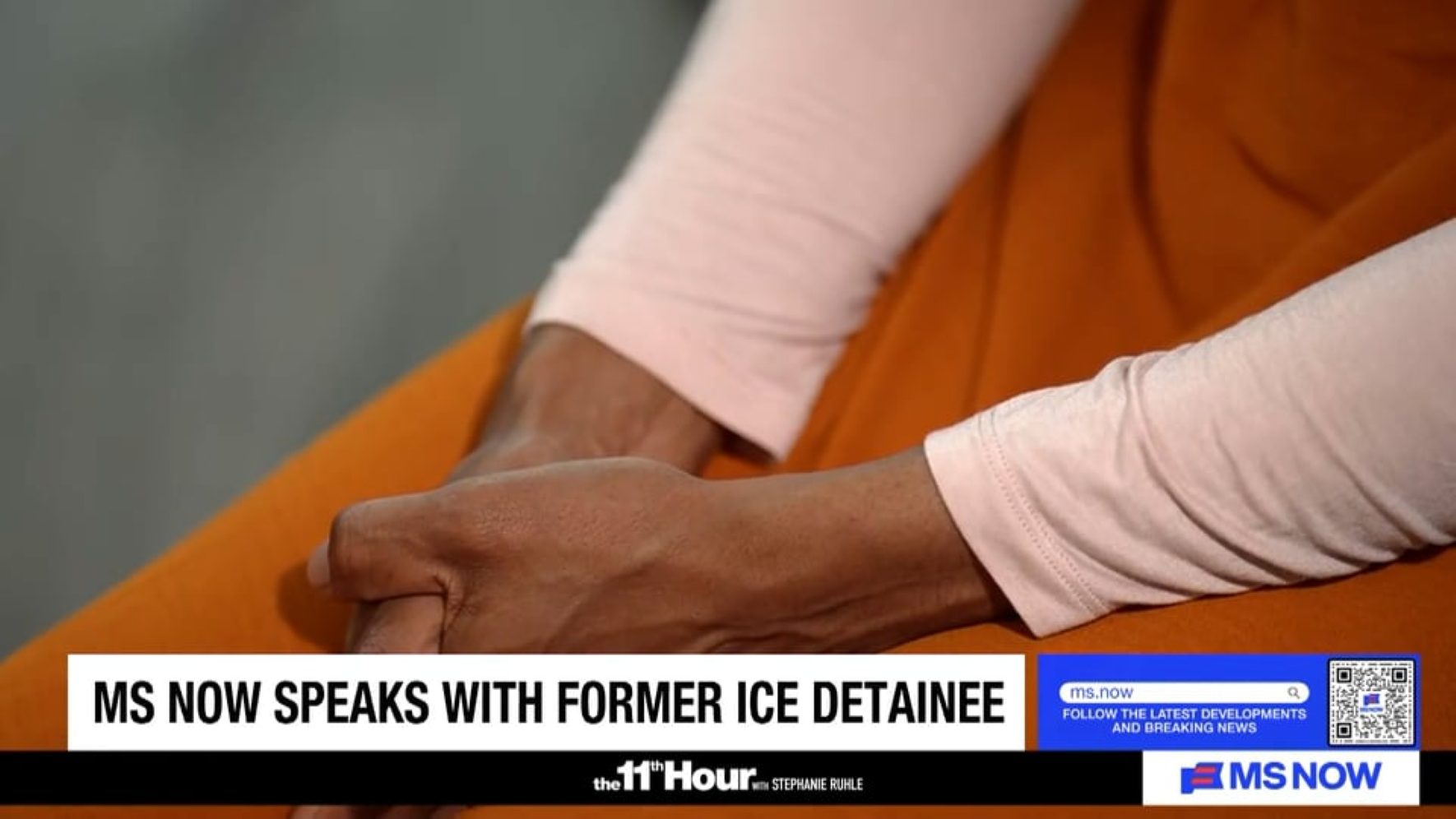
The most visible reminder of her ordeal is the ankle monitor she is now required to wear. This device, a constant physical tether to her detention, has become a symbol of stigma. Juliette described how strangers on the street often move away from her, her presence perceived with suspicion. The monitor, she lamented, makes her feel like a criminal, despite her sole offense being the pursuit of safety.
"I have to start from scratch," Juliette shared, her voice heavy with the weight of her experience. "I don’t feel safe. I have experienced fear, fear in my belly, my stomach, and also on a physical level, I am not the same." Her words paint a poignant picture of the lasting damage inflicted by the detention system, highlighting how it can strip individuals of their sense of security and self-worth.
Amplifying Voices for Change
Juliette’s decision to share her story, albeit anonymously for her safety, with MS NOW stems from a profound desire to illuminate the realities faced by those seeking protection in the United States. She aims to foster understanding and empathy, hoping that her narrative will prompt a shift in public perception and policy. Her courage in speaking out is a testament to her resilience and her commitment to ensuring that others do not endure similar hardships.
HIAS, as the world’s oldest refugee agency, has consistently advocated for the rights and well-being of refugees and asylum seekers for over 120 years. The organization’s work extends to providing crucial legal representation within detention centers and courtrooms for individuals whose names may never be widely known. Beyond legal advocacy, their social services teams play an indispensable role in supporting clients through the challenging process of recovery from trauma, providing a steady presence during the arduous journey of rebuilding their lives.
Legal Challenges and the Fight for Justice
The systemic issues highlighted by Juliette’s experience are precisely why HIAS is actively engaged in multiple legal challenges against the Trump administration’s anti-immigrant agenda. Currently, the organization is contributing to seven significant legal battles aimed at dismantling policies that they argue are harmful and unjust.
Among these legal actions is Amica Center for Immigrant Rights v. EOIR, a lawsuit challenging regulatory changes that threaten to significantly curtail the ability of immigrants to appeal adverse decisions made in immigration court. Such appeals are often a crucial lifeline for individuals seeking protection. Another critical case is U.H.A. v Bondi, which argues that the practice of detaining resettled refugees for rescreening is not only cruel and harmful but also deeply retraumatizing, further compounding the trauma they may have already experienced.
These legal interventions underscore HIAS’s multifaceted approach to advocating for displaced people. By fighting in the courts, the organization seeks to create systemic change that protects the rights and dignity of asylum seekers and refugees. Simultaneously, their on-the-ground support for individuals like Juliette provides immediate relief and long-term assistance, addressing both the immediate needs and the enduring consequences of the immigration system.
Juliette’s decision to lend her voice to this critical conversation is an act of profound bravery. Her story serves as a stark reminder that behind the statistics and policy debates are individuals with unique experiences, hopes, and the fundamental right to seek safety and dignity. HIAS remains steadfast in its commitment to stand with Juliette and all displaced individuals seeking refuge in the United States, ensuring that they are not alone in their pursuit of a secure future.
*Name changed for safety.