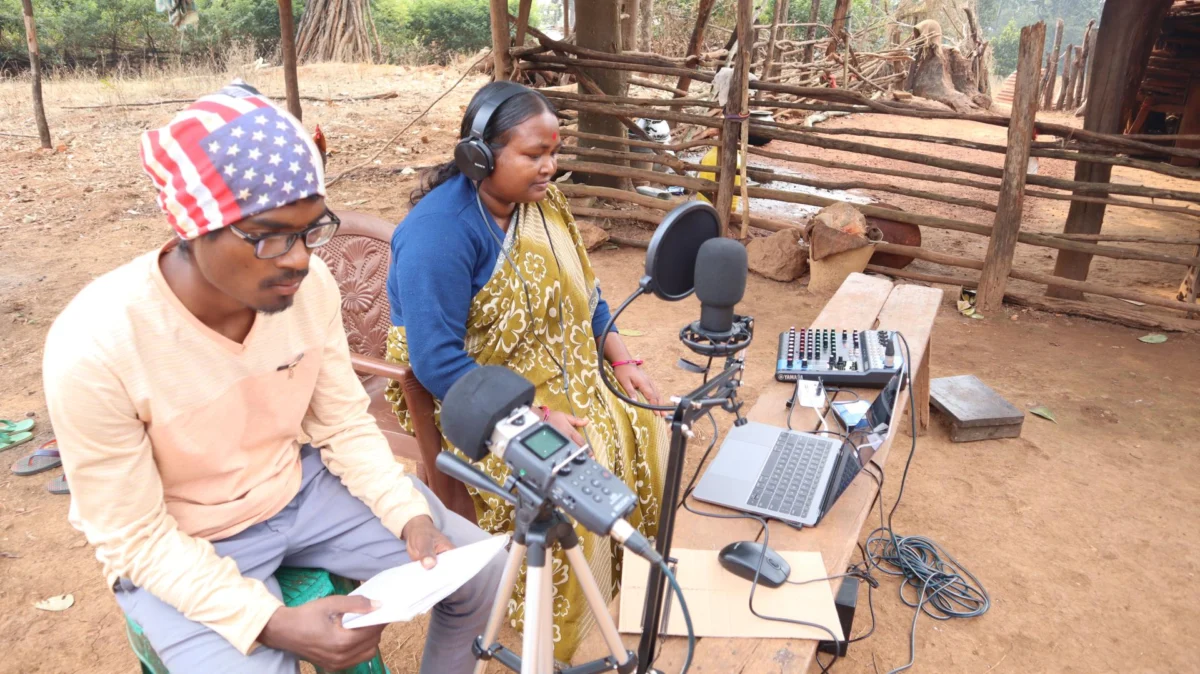
In the verdant, undulating hills of Netarhat, Jharkhand, an eastern Indian region synonymous with both breathtaking natural beauty and the relentless pursuit of mineral wealth, a novel sound is beginning to permeate the valleys. This is not the cacophony of heavy machinery that signals the advance of industrial extraction, nor the somber thud of felled trees. Instead, it is the consistent, resonant broadcast of the Asur language, a vital linguistic and cultural heritage, emanating from village to village via the Asur Adivasi Mobile Radio (AAMR). This pioneering community media initiative has emerged as a critical conduit for the Asur community, a marginalized Indigenous group, striving to inform, educate, and galvanize its people in a concerted effort to safeguard their ancestral lands, rich cultural traditions, and their very future against the escalating threats of mining and forced displacement.
The Asur People, recognized as one of India’s particularly vulnerable Indigenous Tribes, find in AAMR a pivotal turning point in their enduring struggle for self-preservation. By leveraging the pervasive reach of radio and fostering robust community leadership, the initiative is effectively raising awareness about the insidious impacts of mining operations. This empowers local markets and digital platforms to transform into dynamic arenas for resistance against what is often termed "development aggression" and simultaneously cultivates a profound sense of cultural pride.
"Through the activities of AAMR, we learned that our voices can reach beyond our villages," shared Asinta Asur, an AAMR leader from Jobhipat. Her words encapsulate the profound empowerment that the initiative has fostered, offering a platform where previously silenced narratives can now be amplified. "The radio has given us strength and a platform to speak about our land, our forests, and our rights." This sentiment underscores the fundamental role AAMR plays in reasserting the Asur people’s agency in decisions that directly impact their lives.
Addressing a Multifaceted Crisis
The inception of the Asur Adivasi Mobile Radio project was a direct response to a critical confluence of challenges threatening the Asur community:
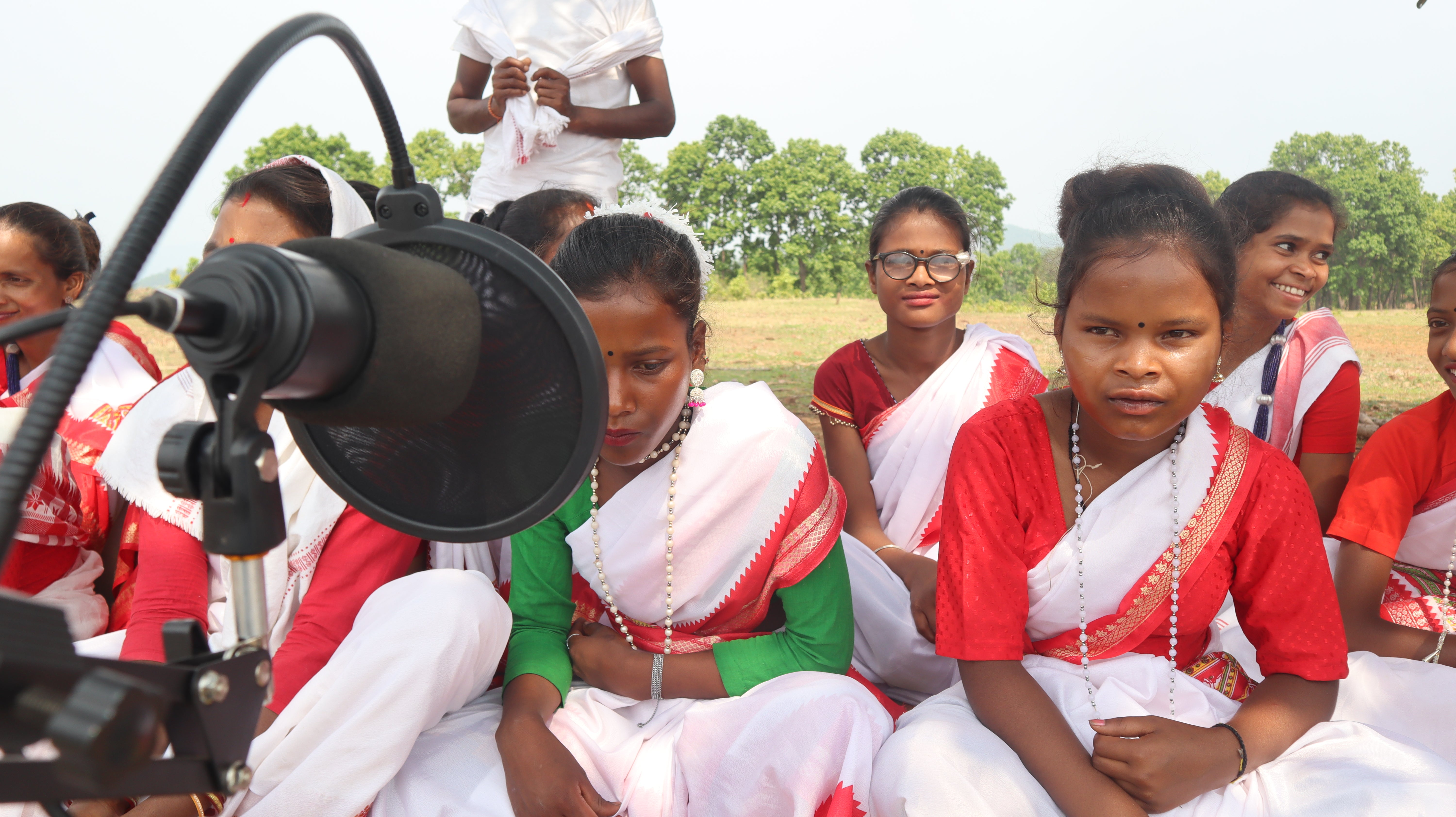
- Erosion of Land Rights due to Mining: The relentless march of mining operations, often facilitated by government policies prioritizing resource extraction, poses an existential threat to the Asur’s traditional land tenure systems. This industrial encroachment not only devastates the natural environment but also undermines the community’s connection to their ancestral territories, which are intrinsically linked to their cultural identity and livelihood.
- Youth Migration and Human Trafficking: The economic pressures exacerbated by land dispossession and the lack of sustainable local opportunities have driven a significant number of Asur youth to migrate in search of work. This exodus, however, often exposes them to exploitative labor conditions and the pervasive threat of human trafficking, particularly in urban centers and informal labor markets.
- Endangerment of the Asur Language: The Asur language, a cornerstone of their cultural heritage, faces the grim prospect of extinction. Without a dedicated platform for its preservation and dissemination, the transmission of linguistic and cultural knowledge from elder generations to younger ones has been severely hampered.
The AAMR project strategically addresses these interconnected issues by integrating practical technical training in radio production with essential lessons on constitutional rights and Indigenous land rights. This dual approach aims to cultivate a new generation of informed and empowered land defenders equipped with the communication tools necessary to navigate and challenge the prevailing socio-economic and political landscape.
Empowering a New Generation of Communicators and Defenders
The impact of this empowerment is vividly illustrated by the experiences of young Asur individuals like Vivek Asur, a trainee and youth broadcaster from Sakhuapani. "Earlier I was hesitant, but after this training, I can now record and broadcast radio programs myself," Vivek remarked. "I feel proud that our Asur language is being heard in the markets and even online." His journey from apprehension to confident self-expression highlights the transformative potential of community media in fostering individual agency and collective pride. The expansion of broadcasts into digital spaces signifies an innovative adaptation, extending the reach of Asur voices beyond traditional geographical boundaries.
The radio’s role extends far beyond mere information dissemination; it has become a vital educational resource, particularly concerning legal rights. Barnabas Toppo, an AAMR volunteer from Lupungpat, described his learning experience as "eye-opening." "This was the first time I understood how mining is connected to our rights in the Constitution. I feel more confident to speak up in the village council," he stated. This newfound understanding of their constitutional rights empowers individuals to participate more effectively in local governance and advocate for their community’s interests.
Furthermore, AAMR has demonstrably fostered greater inclusivity, particularly for women within the community. Sushma Asur, a respected community leader from Sakhuapani, noted a significant shift: "The Radio gave us courage to stand together against mining. Now we women can speak in the meetings; [it’s] not just the men [who] can participate and speak." This amplification of women’s voices is crucial for building cohesive and representative community resistance.
Preserving Culture and Rekindling Heritage
Beyond its immediate political and advocacy functions, AAMR plays an indispensable role in preserving a culture that many feared was on the precipice of oblivion. By broadcasting traditional Indigenous songs, the initiative creates a vital bridge connecting the knowledge keepers—the elders—with the inheritors of that legacy—the youth. Ajay Asur, an elder from Sakhuapani, expressed his profound gratitude: "When I hear the songs of our ancestors on the radio, I feel that our traditions are alive again. The young people are learning what we had almost forgotten." This act of cultural transmission is not merely nostalgic; it is a vital reinforcement of collective identity and continuity.
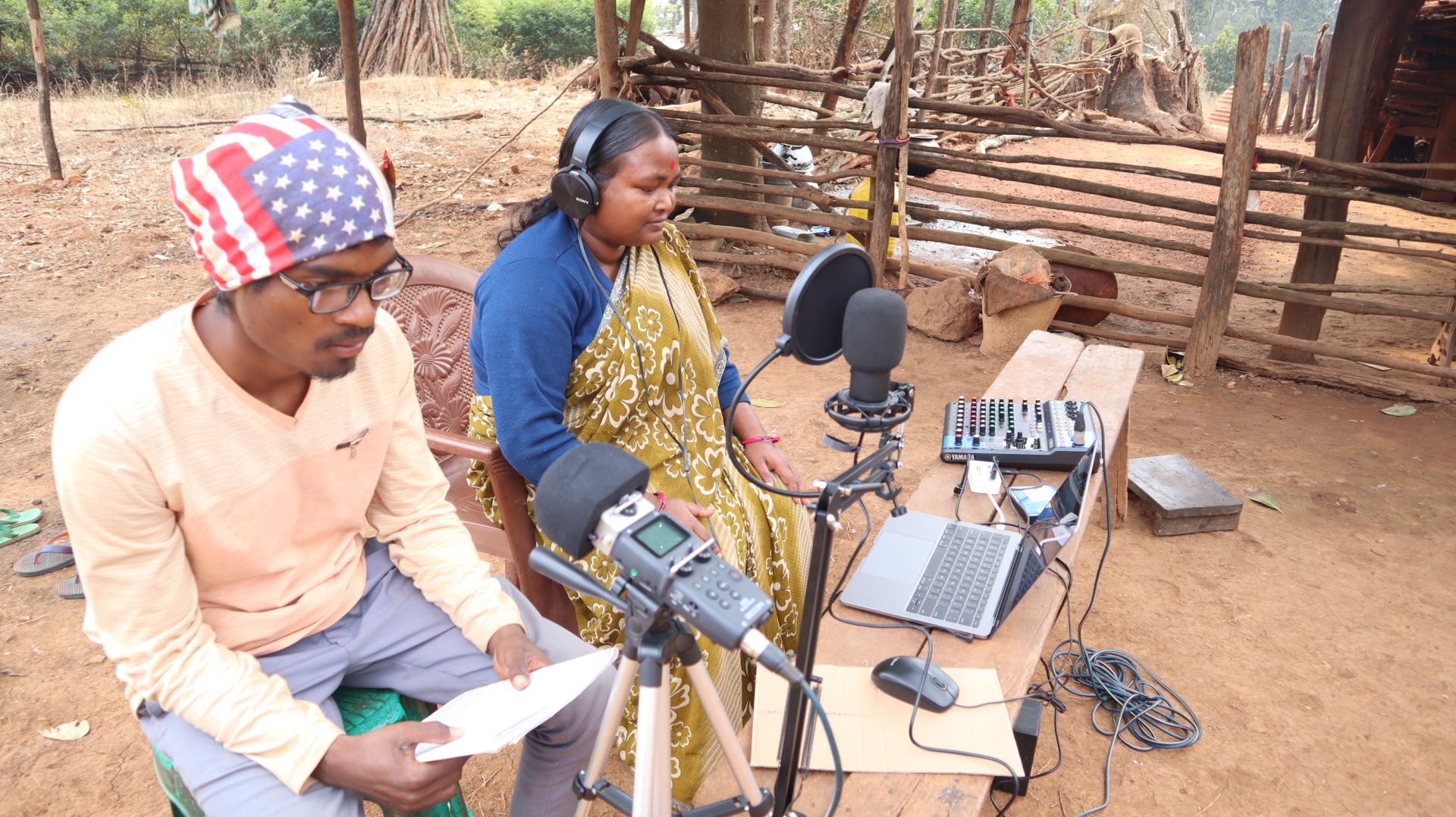
The project also offers a compelling alternative to the often-dangerous and exploitative labor found in local mining operations. Bhikha Asur, a volunteer from Jobhipat, recounted how his involvement with AAMR diverted him from seeking precarious daily wage work in the mines. "Working with the radio saved me from going to the mines for daily wage work. Now I am using my energy to create programs for our community," he explained. This sentiment of finding purpose and dignity through community service was echoed by Shradhanand Kerkett of Lupungpat, who, having once contemplated migrating for work, now feels a profound sense of belonging and commitment: "here…serving my community."
Reaching National Platforms and Facing Persistent Challenges
The efficacy and impact of Asur Adivasi Mobile Radio have not gone unnoticed. The initiative has garnered attention from mainstream media and state institutions, with All India Radio and Ranchi Doordarshan extending invitations to the AAMR team to share their radio programs. This represents a significant milestone, marking the first instance where Asur language songs and narratives of the Asur People have been broadcast on national public media platforms, offering a broader audience an insight into their lives and struggles.
Despite these notable successes, the organization continues to grapple with persistent financial instability. This precarious funding situation often compels dedicated volunteers to return to daily wage labor to sustain themselves, posing a continuous threat to the project’s operational continuity. Nevertheless, the Asur community’s commitment to AAMR remains unwavering. For elders like Ropani Asur, the very act of hearing their language broadcast is a profound assurance for the future. "For years I was worried that our language would disappear. Hearing the radio in Asur makes me feel our grandchildren will remember who we are," she shared, her words conveying the deep-seated anxiety of cultural erosion and the immense relief offered by the radio’s presence.
A Beacon of Indigenous Resilience
As the Asur People navigate the complex and often adversarial landscape shaped by increasing industrialization and the pervasive threat of displacement, Asur Adivasi Mobile Radio stands as a powerful testament to the resilience and ingenuity of Indigenous-led media. Melan Asur, an elder from Jobhipat, articulates the profound significance of the station: "Radio is our lifeline to organize and unite our Asur community. Every day we face violence from the state and from dikus (outsiders). Mining, deforestation, displacement, and human trafficking are tearing our lives apart. With deep gratitude, we thank Cultural Survival for standing with us and supporting our Asur Adibasi Mobile Radio—our voice of resistance and survival."
The narrative of AAMR is not merely about broadcasting programs; it is about reclaiming narratives, asserting rights, and building a collective future. It demonstrates how accessible technology, when wielded by a determined community, can become an potent instrument for social justice, cultural preservation, and ecological stewardship. The sustained efforts of AAMR highlight the critical need for greater support for Indigenous media initiatives worldwide, recognizing them not just as cultural artifacts, but as vital tools for survival and self-determination in the face of globalized development pressures. The steady, rhythmic broadcast from Netarhat is a clear signal: the Asur people are speaking, and their voices are resonating with strength and unwavering resolve.