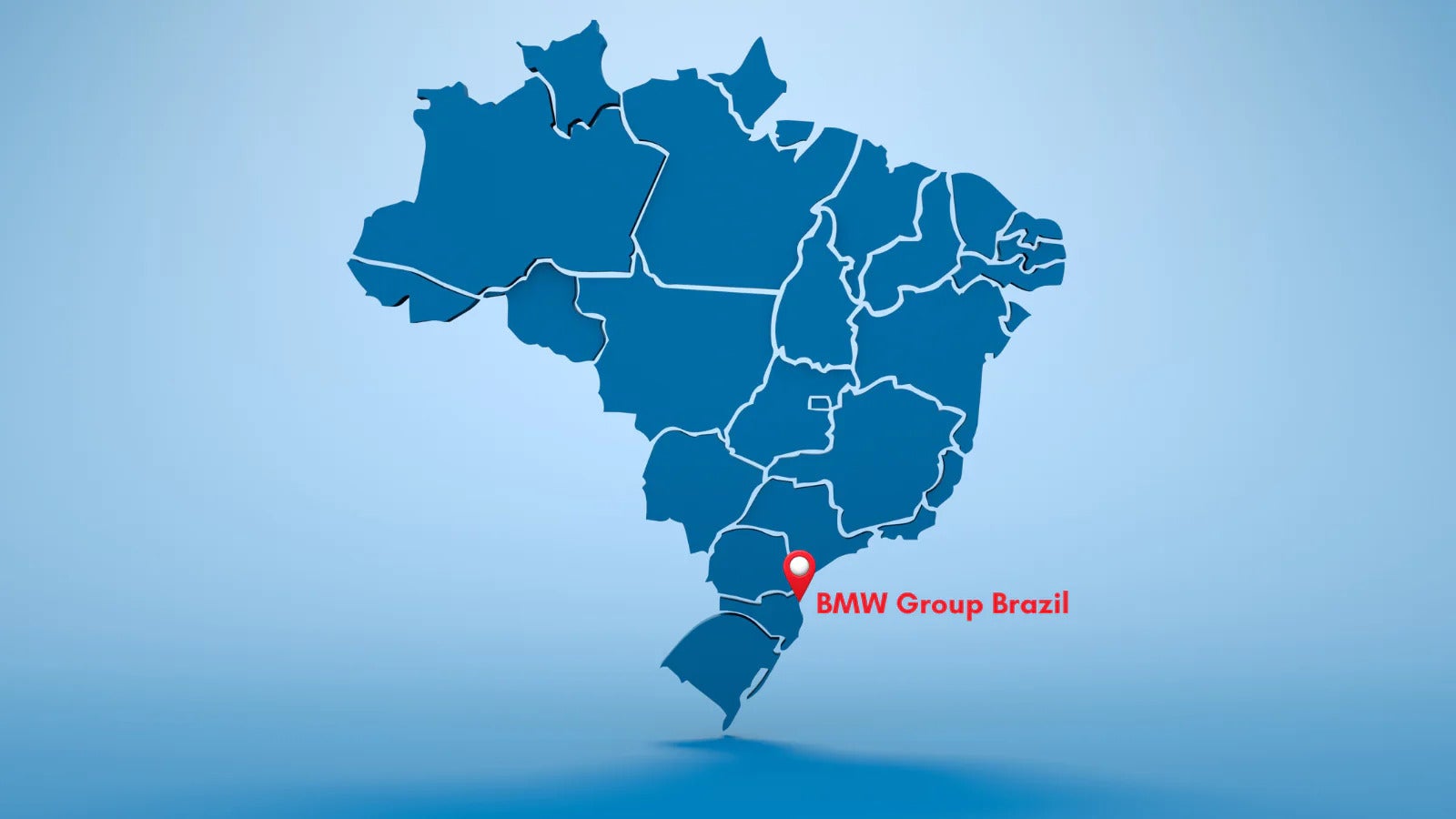
In the southern Brazilian state of Santa Catarina, the Guarani Indigenous communities are intensifying their long-standing calls for the German automotive giant BMW to honor commitments made over a decade ago concerning their ancestral lands and fundamental rights. The construction and operation of BMW’s vehicle assembly plant in Araquari, initiated in 2013, has become a focal point of contention, with Indigenous leaders asserting that the company has failed to uphold their rights, particularly concerning Free, Prior, and Informed Consent (FPIC) and the adequate mitigation of environmental and social impacts.
A Factory’s Footprint on Sacred Ground
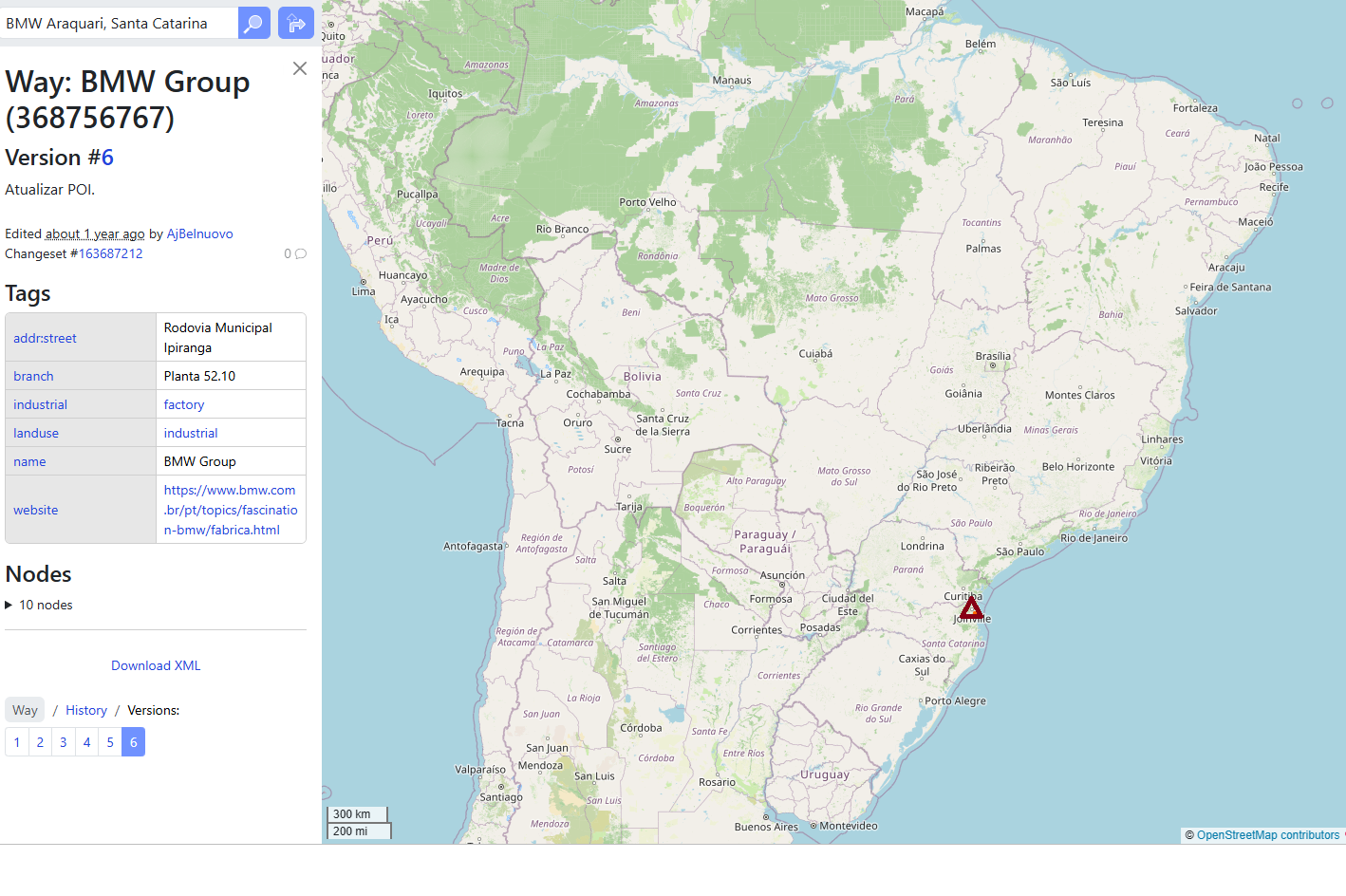
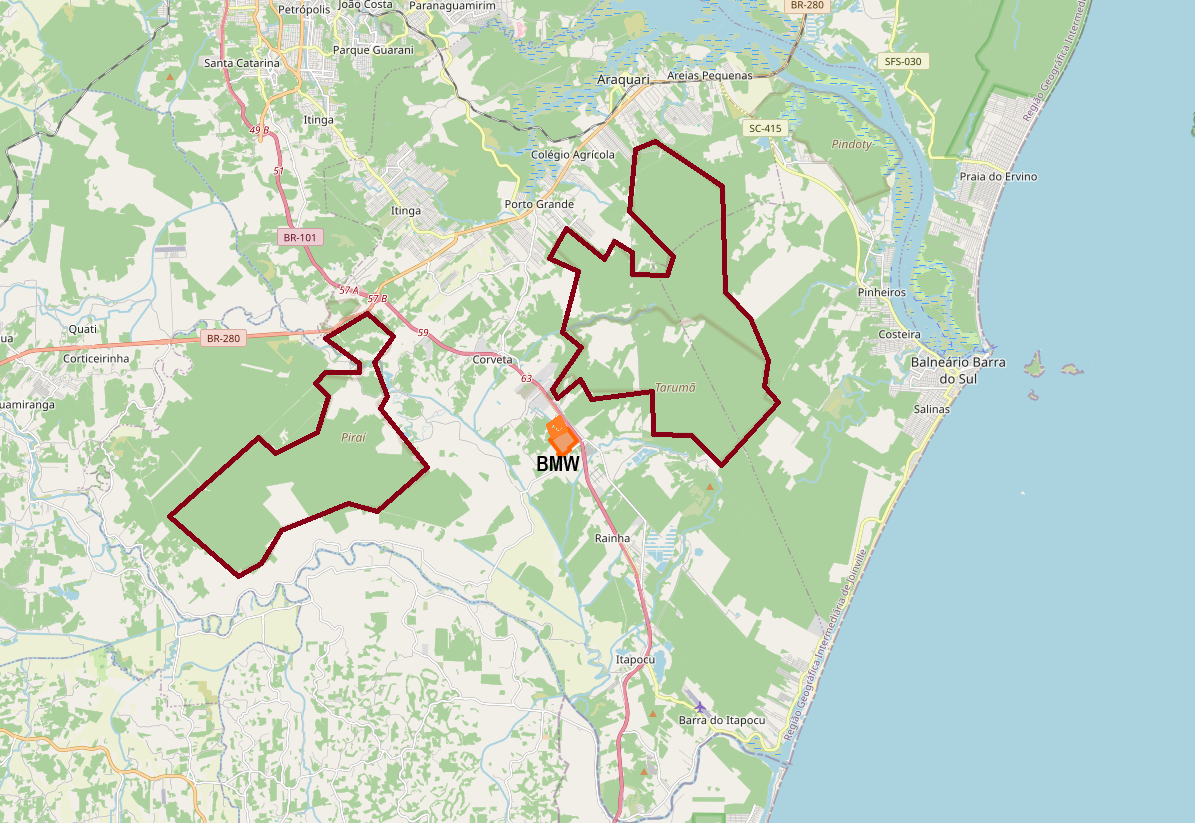
The controversy centers on BMW’s decision to establish a state-of-the-art assembly plant on approximately 1.5 square kilometers of land historically belonging to the Guarani Peoples, specifically impacting the Piraí, Pindoty, and Tarumã Indigenous Territories. Completed in 2015, the facility has since produced a significant volume of vehicles, with BMW reporting the assembly of 60,000 units in its initial five years of operation. However, as the plant materialized and commenced production, the Guarani communities voiced strong opposition, denouncing the encroachment on their ancestral territories, the environmental degradation associated with industrial manufacturing, and the secondary infrastructure developments that accompanied the factory’s establishment.
A cornerstone of Indigenous rights, both under Brazilian national law and international conventions such as the UN Declaration on the Rights of Indigenous Peoples (UNDRIP), is the principle of Free, Prior, and Informed Consent (FPIC). This principle mandates that Indigenous peoples have the right to give or withhold their consent to projects that may affect them or their territories. According to the Guarani leadership, BMW failed to engage in a genuine FPIC process prior to commencing construction and operations.
The official process for assessing and mitigating the environmental and social impacts of such projects on Indigenous peoples in Brazil is outlined in the Componente Indígena do Plano Básico Ambiental (CI-PBA) – the Indigenous Component of the Basic Environmental Plan. This plan is crucial for identifying, mitigating, and compensating for project-related impacts and establishing a framework for corporate responsibilities. However, the Guarani communities assert that BMW did not initiate the formal CI-PBA process until 2019, a full four years after the factory had been operational. This tardiness, they argue, underscores a fundamental disregard for their rights and procedural requirements.
Despite the absence of fulfilled federal FPIC requirements at the time of its installation, BMW secured its pre-licensing for the Araquari plant in 2013 from the local environmental authority, the Santa Catarina Environmental Institute (IMA). The national agency responsible for Indigenous affairs, FUNAI (The National Indian Foundation), did not release a final and approved CI-PBA until 2022. This timeline highlights a significant gap between regulatory requirements and the practical implementation of projects impacting Indigenous territories.
A Chronology of Unmet Expectations
The dispute has unfolded over more than a decade, marked by periods of negotiation, protest, and increasing frustration from the Guarani communities.
- 2013: BMW begins construction of its vehicle assembly plant in Araquari, Santa Catarina. Guarani communities voice initial concerns regarding land use and potential impacts.
- 2015: The BMW plant becomes operational. Denunciations of land encroachment and environmental concerns by Indigenous communities intensify.
- 2019: BMW initiates the formal CI-PBA process, years after the plant’s construction and operation began.
- November 2025: Leaders from the Guarani communities engage with members of the Securing Indigenous Peoples’ Rights in the Green Economy (SIRGE) Coalition, including representatives from Earthworks and Cultural Survival, to discuss the ongoing issues related to the CI-PBA’s implementation. During this visit, Indigenous leaders present extensive documentation and express concerns about the strained relationship with the local BMW operation.
- 2026: Intense storms, exacerbated by climate change, lead to significant disruptions in power and internet connectivity for some Guarani communities, highlighting the fragility of existing infrastructure and its potential link to broader environmental changes.
- Present: The Comissāo Guarani Yvyrupa continues to press BMW for a comprehensive resolution, demanding a meaningful FPIC process, fair compensation, and direct engagement with the company’s global leadership.
Inadequate Mitigation and Questionable Quality: The CI-PBA Under Scrutiny
A visit by SIRGE Coalition members in November 2025 to the Guarani communities provided a stark, on-the-ground perspective on the implementation of the CI-PBA. Indigenous leaders reported a pervasive absence of meaningful federal oversight from FUNAI or other relevant agencies throughout the process. The relationship with the local BMW operation was described as characterized by distrust, poor communication, inconsistent follow-through, and a perception that engagement with community authority was treated as a mere procedural formality rather than a genuine partnership.
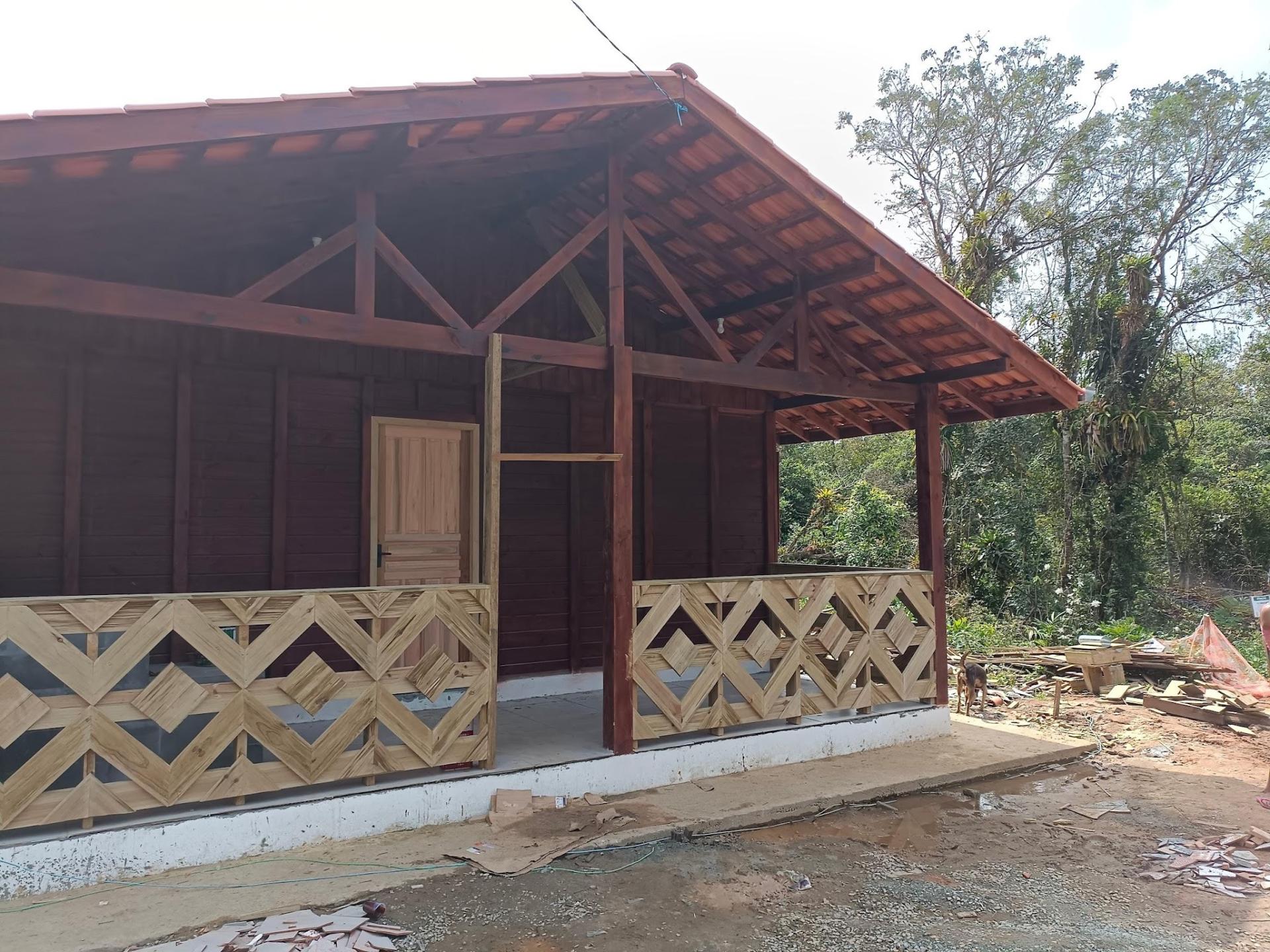
The CI-PBA outlined a series of mitigation and compensation measures, including the construction of 46 new single-family houses for members of the Guarani communities. However, the execution of these housing projects has been fraught with serious concerns regarding quality, safety, and accountability. Guarani leaders reported that the housing construction project reportedly ran out of funds before all committed homes could be completed. In one documented instance, a community expecting 16 houses received only 6 fully constructed units, with the remaining 10 left in various stages of incompletion.
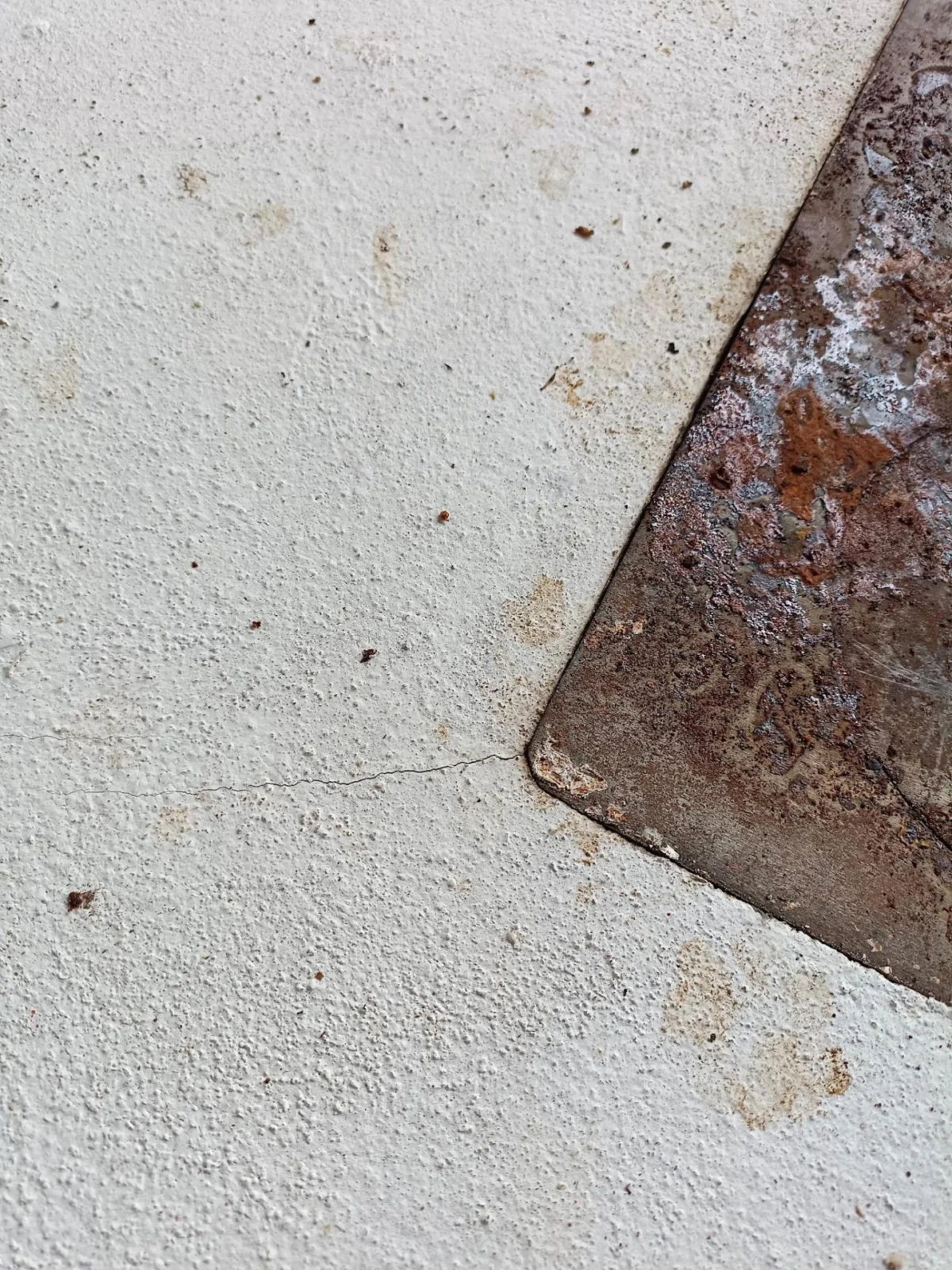
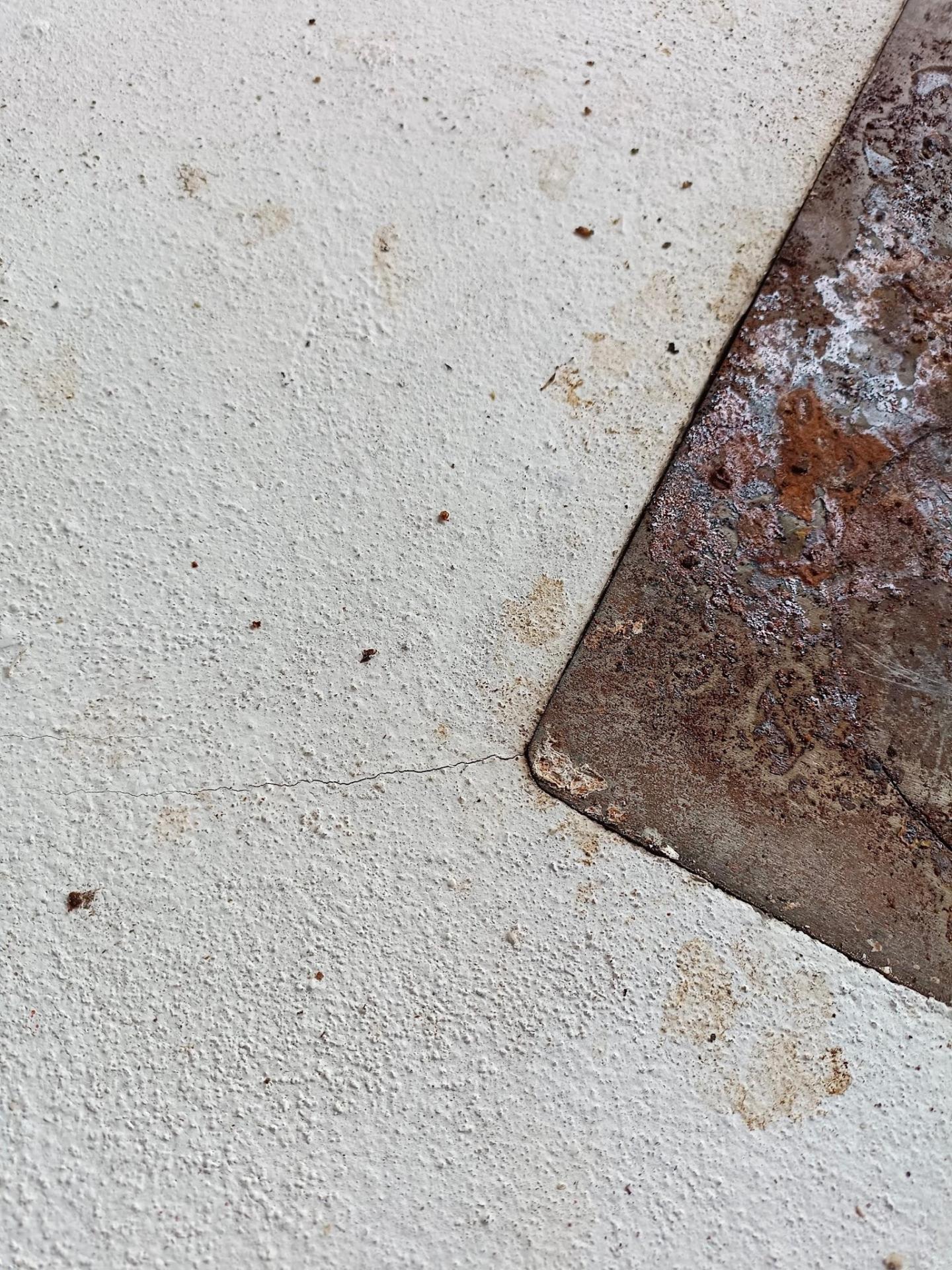
During the SIRGE delegation’s visit, community leaders guided them through the ongoing housing projects, pointing out critical issues with the craftsmanship and safety. Even before occupancy, elements of the construction had reportedly failed or were showing signs of premature deterioration. Many houses remained unfinished, leaving construction debris scattered within the communities, posing potential hazards. These shortcomings suggest not only technical negligence but also a significant governance failure, where interventions intended to improve territorial well-being introduce new risks and maintenance burdens for the communities. The visual evidence, captured in photographs, starkly illustrates the unfinished nature of these homes and the materials left behind.
Environmental Strains: Water and Power Disruptions
The Guarani communities also link disruptions to essential services, such as access to clean water and power outages, to the presence and operation of the BMW plant. In November 2025, leaders reported that two communities had lost their primary water sources, necessitating reliance on water delivered by trucks. This situation raises critical questions about the cumulative impact of industrial development on local water tables and the availability of clean water, a fundamental human right.
Furthermore, in 2026, intense storms, widely attributed to the accelerating impacts of climate change, severely damaged the already precarious electrical and internet grid in some of the affected communities. While partial restoration has occurred, these events underscore the vulnerability of Indigenous communities situated in proximity to large industrial facilities and the broader environmental challenges that often intersect with Indigenous land rights.
The Imperative of Self-Determination and Genuine Consent
While the CI-PBA may list a series of planned activities, the Guarani communities argue that the most critical outcome is missing: a genuine recognition of their self-determination and a robust framework for mitigating the factory’s impacts on their lands and livelihoods. True and substantive improvements, they contend, would encompass risk reduction, enhanced territorial security, effective and transparent oversight mechanisms, community autonomy in decision-making, robust cultural protection measures, and proactive conflict prevention strategies.
The implementation of the CI-PBA, as observed on the ground, appears to replicate a familiar pattern of formal compliance without substantive delivery and with minimal genuine community engagement on issues of true importance. This approach risks perpetuating a broader trend where industrial development proceeds on Indigenous lands without adequate respect for Indigenous Peoples’ rights. In this context, the CI-PBA risks functioning less as a rights-based safeguard and more as a public relations tool, where superficial "deliverables" are used to mask a lack of durable commitments, meaningful consent, and a respectful, long-term partnership grounded in Indigenous self-determination.
This situation is not isolated. In March, the Lead the Charge Coalition released its annual leaderboard report, which assesses automakers based on their corporate commitments to respecting Indigenous Peoples’ rights. The findings indicated minimal year-on-year improvement across the automotive industry, with overall scores remaining unacceptably low, including for BMW. Notably, none of the analyzed automakers met the criteria for providing effective grievance mechanisms for potentially affected rights-holders. The ongoing experience of the Guarani Peoples in Brazil serves as a critical, concrete example of how agreements between corporations and Indigenous communities require transparency, robust enforcement, and genuine accountability to be effective and just.
A Call for Accountability and a New Path Forward
After more than a decade of automobile production impacting their ancestral territories, the Comissāo Guarani Yvyrupa is issuing a renewed and urgent call for BMW to unequivocally honor its commitments to the affected Indigenous communities. Their demands extend beyond mere procedural compliance with past agreements. They are insisting on a meaningful FPIC process that respects their right to self-determination, adequate and just compensation for the disruptions and traumas they have endured, and transparent, direct channels for communication with BMW’s global headquarters. Furthermore, they emphasize the critical need for the company to address persistent issues related to water security and ensure the provision of adequate and safe housing. The future of this relationship hinges on BMW’s willingness to move beyond superficial gestures and engage in a process that truly respects the rights, dignity, and self-determination of the Guarani Peoples.