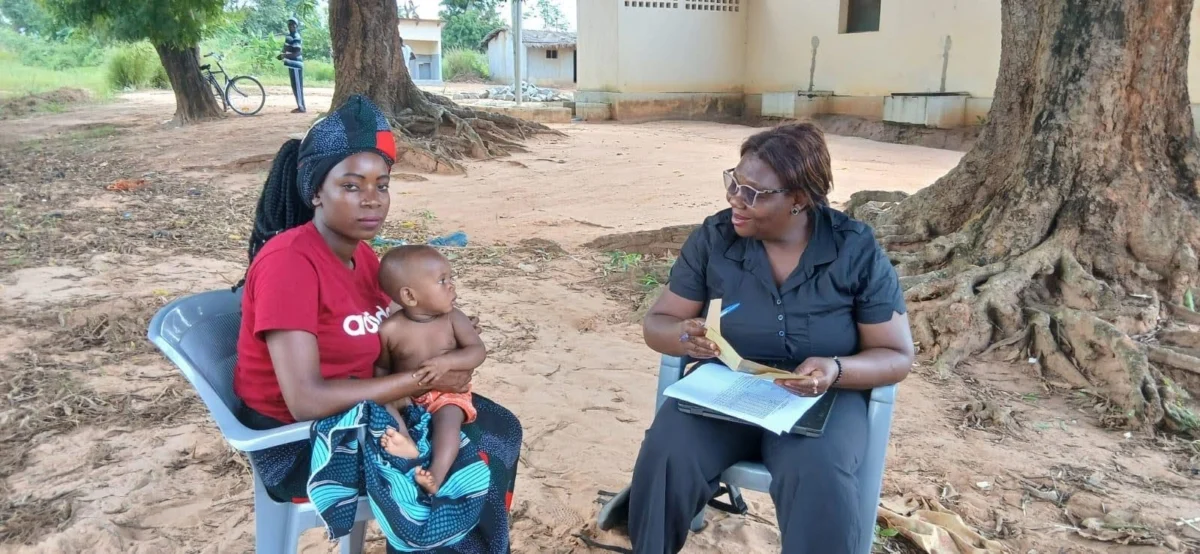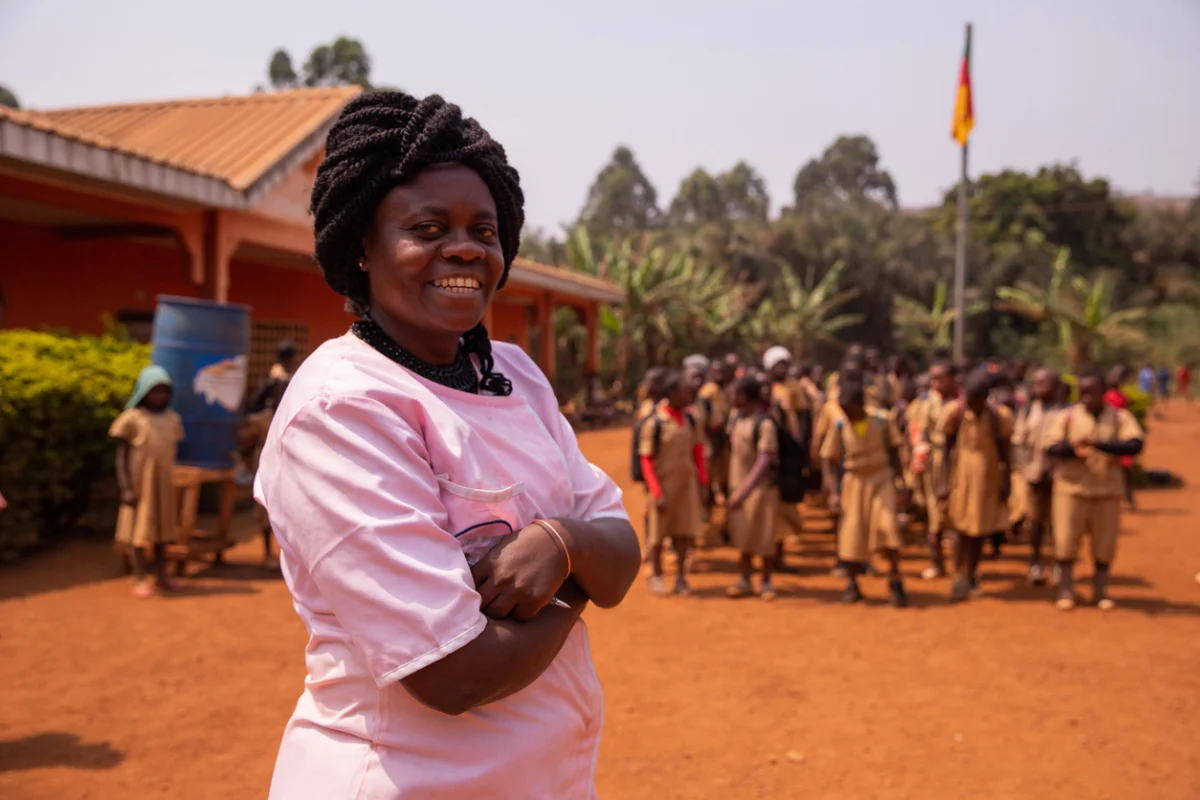
The Government of Mozambique’s National Youth Institute (Instituto Nacional da Juventude, or INJ) has officially designated World Education, a JSI Research & Training Institute initiative, as the lead partner for the Eu Sou Capaz (I Am Capable) Technical Assistance and Training Activity. This significant award, backed by the World Bank, marks a pivotal expansion of the Empowering Adolescent Girls to Earn and Read (EAGER) strategic vision, a multi-country effort designed to transform the educational and economic landscapes for millions of young women across Mozambique, Zimbabwe, and Madagascar. The partnership represents a concerted effort to institutionalize gender-responsive education systems and dismantle the systemic barriers that have historically prevented girls from completing their schooling and transitioning into the workforce.
Under the terms of the agreement, World Education will provide the technical expertise necessary to scale government-led interventions that target the social, economic, and behavioral drivers of school attrition. The Eu Sou Capaz program is specifically designed to address the multifaceted challenges faced by adolescent girls in Mozambique, where socio-cultural norms, economic hardship, and a lack of localized support systems often lead to high dropout rates. By focusing on two primary objectives—enhancing the quality of life-skills instruction and strengthening the capacity of the National Youth Institute to implement data-driven social and behavior change strategies—the initiative aims to create a sustainable framework for female empowerment.
Contextualizing the EAGER Strategic Vision in Southern Africa
The EAGER initiative was launched by the World Bank in late 2023 as a response to the widening gender gap in education and economic participation across East and Southern Africa. In Mozambique, the challenges are particularly acute. According to World Bank data, while primary school enrollment has seen significant increases over the last two decades, retention remains a critical issue. Only a fraction of girls who enter the first grade manage to complete secondary education. The reasons for this decline are complex, ranging from the high cost of school supplies and uniforms to the prevalence of child marriage and early pregnancy.
The Eu Sou Capaz program serves as the Mozambican pillar of this regional strategy. By aligning with the EAGER vision, the program seeks to ensure that girls are not only "enrolled" in school but are "earning and reading." This means moving beyond simple attendance metrics to focus on learning outcomes and the acquisition of marketable skills. The collaboration between the National Youth Institute and World Education is intended to bridge the gap between policy and practice, ensuring that national strategies are effectively translated into community-level impact.
Addressing the Root Causes of School Attrition
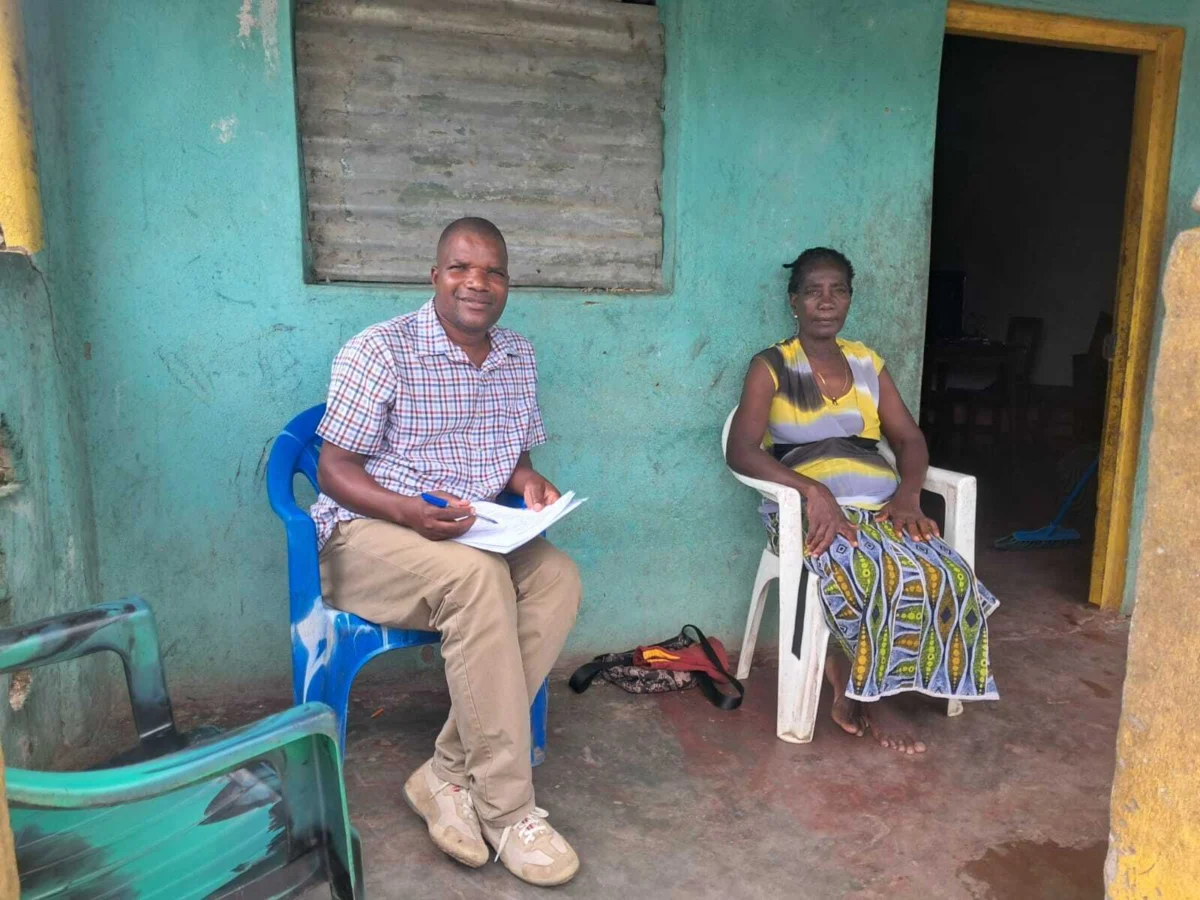
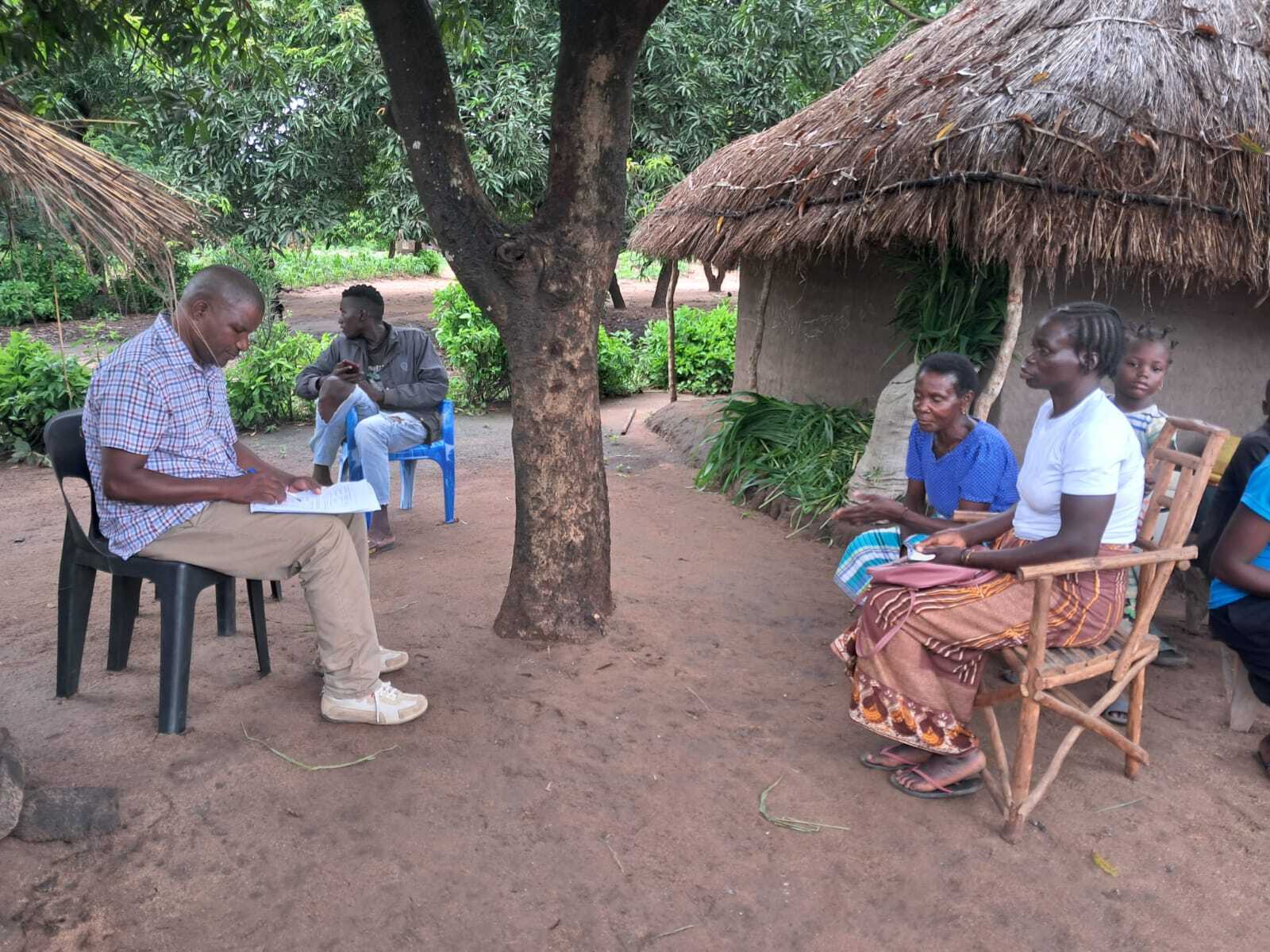
The core of the Eu Sou Capaz model lies in its recognition that education does not happen in a vacuum. To keep a girl in school, the program must address the external pressures that pull her away from the classroom. Alberto Domingos, a representative of the initiative, recently conducted a series of pilot interviews with community leaders in Sofala province to test the Community Leader Mapping Tool. This tool is designed to identify influential figures within rural and urban communities who can act as advocates for girls’ education and help mitigate risks such as gender-based violence (GBV) and harmful socio-cultural practices.
Obert Darara, JSI’s World Education Country Lead in Mozambique, emphasized that the program’s philosophy is rooted in removing "invisible barriers." According to Darara, Eu Sou Capaz is about more than just physical access to a classroom; it is about redesigning the entire educational experience around the lived realities of Mozambican girls. By utilizing human-centered design, the program ensures that interventions—such as the distribution of material support and the implementation of life-skills curricula—are tailored to the specific needs of the beneficiaries.
The program focuses on several key areas of intervention:
- Social and Behavior Change (SBC): Implementing communication strategies that challenge the norms surrounding child marriage and the perceived value of female education.
- Material Support: Providing essential items such as school kits and uniforms to alleviate the financial burden on low-income families.
- Life-Skills Education: Developing a transformative curriculum that teaches girls about reproductive health, financial literacy, and leadership.
- Community Mobilization: Engaging parents, traditional leaders, and local authorities to create a protective environment for adolescent girls.
A Data-Driven Approach and Regional Expertise
World Education brings over 15 years of regional experience to the Eu Sou Capaz initiative. The organization has a proven track record of implementing large-scale educational programs in Southern Africa, often in partnership with USAID and other international donors. In Zimbabwe and Madagascar, World Education has successfully led initiatives that combined literacy training with economic empowerment, reaching hundreds of thousands of students and training thousands of educators.
This historical expertise is being leveraged to ensure that Eu Sou Capaz is both scalable and sustainable. The program utilizes a data-driven approach, employing tools like the Community Leader Mapping Tool to gather real-time insights into the challenges faced by girls in different provinces. This allows for a "responsive" model of governance, where the National Youth Institute can adjust its strategies based on the specific socio-economic conditions of regions like Sofala, Nampula, or Zambezia.
In previous regional iterations of similar programs, World Education’s interventions have led to measurable improvements. For instance, integrated life-skills programs have been shown to reduce the incidence of teenage pregnancy by providing girls with comprehensive health education and the agency to make informed decisions about their futures. By applying these lessons to the Mozambican context, the Eu Sou Capaz program aims to replicate and exceed these successes.
Chronology of the Eu Sou Capaz Initiative
The journey toward the current technical assistance award has been marked by several key milestones:
- October 2023: The World Bank announces the EAGER strategic vision for Mozambique, Zimbabwe, and Madagascar, earmarking substantial funding for girls’ economic empowerment.
- Early 2024: The Mozambican National Youth Institute begins the design phase for the Eu Sou Capaz program, seeking partners with expertise in human-centered design and social behavior change.
- Mid-2024 to 2025: World Education and JSI conduct preliminary assessments and pilot programs in various provinces, including the development of mapping tools for community leaders.
- January 2026: The formal award of the Technical Assistance and Training Activity is announced, signaling the transition from pilot phases to full-scale national implementation.
- Present: Implementation teams are currently deployed in Sofala province, conducting interviews and gathering data to refine the delivery of life-skills education and material support.
Official Responses and Strategic Implications
The partnership has been met with optimism from both government officials and international observers. Representatives from the National Youth Institute have noted that the technical assistance provided by World Education will be instrumental in professionalizing the institute’s approach to youth engagement. By building the capacity of local government officials, the program ensures that the benefits of the EAGER strategy will persist long after the current funding cycle concludes.
The World Bank’s involvement underscores the economic imperative of the project. Analysis by the bank suggests that for every additional year of secondary school a girl completes, her future earning potential increases significantly, which in turn contributes to the national GDP. In a country like Mozambique, which is striving for economic diversification and poverty reduction, the empowerment of its female youth is seen as a "best-buy" investment in the nation’s future.
Furthermore, the focus on gender-based violence (GBV) prevention within the Eu Sou Capaz framework aligns with Mozambique’s broader legal and social reforms. By integrating GBV awareness into the school system and community dialogues, the program helps to uphold the rights of young women and create a safer society for all citizens.
Future Outlook and Scalability
As World Education continues to scale the Eu Sou Capaz Technical Assistance and Training Activity, the focus will remain on sustainability. The goal is to embed these interventions within the existing structures of the Mozambican government, ensuring that the Ministry of Education and Human Development and the National Youth Institute have the tools and training to lead these efforts independently in the future.
The success of the program in Mozambique could serve as a blueprint for other nations in the region facing similar challenges. By demonstrating that a combination of material support, behavioral change, and community leadership can effectively keep girls in school, the Eu Sou Capaz initiative provides a roadmap for achieving gender equality in education across sub-Saharan Africa.
World Education’s commitment to fostering enduring partnerships is central to this vision. By collaborating with local stakeholders and international donors, the organization aims to advance education outcomes that are not only inclusive but also resilient to the economic and social shocks that often disrupt learning in developing contexts. Through the Eu Sou Capaz program, Mozambique is taking a decisive step toward a future where every girl has the opportunity to read, earn, and lead.