The West African nation of Côte d’Ivoire, the world’s leading producer of cocoa, is currently the site of a transformative educational intervention aimed at decoupling the country’s primary economic driver from the systemic issue of child labor. World Education, an initiative of JSI (John Snow, Inc.), has released a comprehensive overview of its decade-long operations in the region, highlighting the successes of the CocoaLife Quality Education Project. Funded by Mondelez International, this initiative seeks to address the root causes of educational instability in cocoa-growing communities through a combination of community-led governance, infrastructure development, and localized data collection. By moving beyond traditional aid models and focusing on the financial self-sufficiency of school management committees, the project has established a blueprint for sustainable educational reform that is now being integrated into national government policy.
The Socio-Economic Landscape of Ivorian Education
The challenges facing the Ivorian education sector are deeply intertwined with the global cocoa supply chain. Côte d’Ivoire produces approximately 40% of the world’s cocoa, an industry that supports the livelihoods of millions. However, this reliance on labor-intensive agriculture often comes at the expense of the next generation. Ferdinand Beblai, Country Director for JSI Côte d’Ivoire, identifies a recurring cycle where economic necessity overrides educational attainment. During peak harvest seasons, children are frequently withdrawn from classrooms to assist in the fields. This disruption results in chronic absenteeism and a subsequent decline in academic performance.
The statistical reality of this crisis is stark. Data from 2021 indicates that over 15% of primary-level students in Côte d’Ivoire repeat a grade annually. In cocoa-producing regions, this figure is often higher due to the seasonal nature of the work. When children fall behind, the likelihood of expulsion or voluntary dropout increases significantly, often funneling them permanently into the informal labor market. Furthermore, the physical infrastructure of rural schools has historically been insufficient. Many schools in remote areas are constructed from perishable materials such as wood and straw. These structures are increasingly vulnerable to extreme weather events exacerbated by climate change, creating hazardous learning environments that further discourage attendance.
A Decade of Strategic Intervention: The 2012–2024 Timeline
The involvement of World Education in Côte d’Ivoire began in 2012, marking the start of a long-term commitment to improving school quality and reducing child labor. The initial phase of the project focused on the development of evaluation tools for the Comité de Gestion Établissement Scolaire (COGES), the community-based committees established by the Ivorian government to manage local school resources. By 2014, the project had identified a critical vulnerability in the COGES model: a total lack of consistent funding. Without financial resources, these committees were unable to maintain buildings, purchase supplies, or support struggling students.
Between 2015 and 2020, World Education pivoted toward a model of economic empowerment. The organization began training COGES members to implement income-generating activities (IGAs). Rather than relying solely on external grants, communities were encouraged to view the school as a collective asset that required a diversified funding base. This period saw the rise of village-led agricultural projects, such as maize cultivation and poultry farming, the profits of which were directly reinvested into School Improvement Plans (SIPs).
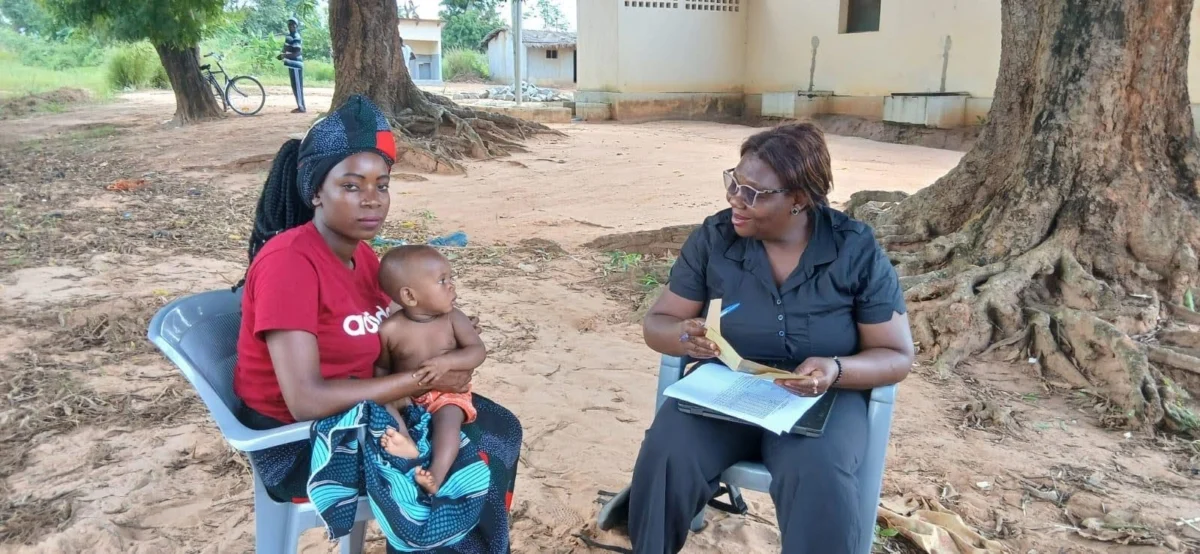
By 2021, the project began emphasizing the importance of granular, community-level data. Recognizing that national statistics often obscured the specific needs of individual villages, the CocoaLife project implemented localized tracking systems to identify every child of school-going age within a community. This data-driven approach allowed for targeted interventions, such as the provision of direct grants to the most vulnerable families during the "lean" periods between cocoa harvests.
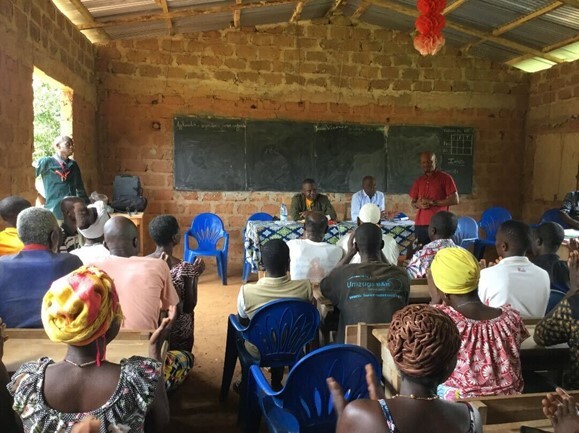
The COGES Model: Financial Autonomy and Community Synergy
The success of the CocoaLife Quality Education Project is rooted in its ability to mobilize a wide array of local stakeholders. The COGES serve as the central hub, bringing together parents, teachers, youth groups, and Mothers’ Associations. However, the true innovation lies in the integration of cocoa cooperatives and Village Savings and Loan Associations (VSLAs) into the school management framework.
In many cocoa-growing villages, the COGES have moved beyond simple administration to become local economic engines. For instance, in communities where maize or cassava is grown specifically to fund the school, the profits are used to provide "motivation" stipends for teachers. These stipends fund remedial classes in essential subjects like mathematics and French, ensuring that students who have missed school during the harvest can catch up with their peers. This holistic involvement creates a sense of communal ownership; when the village sees the school as a product of their own labor and investment, their commitment to keeping children in the classroom strengthens.
Furthermore, the project has prioritized financial transparency. COGES members are trained in accounting and resource management, ensuring that every franc generated by a community project is tracked via receipts and ledgers. This transparency has been vital in building the "traceability" of trust, encouraging even the most impoverished community members to contribute what they can to the collective goal of education.
Case Study in Transformation: The Ndrikro Success Story
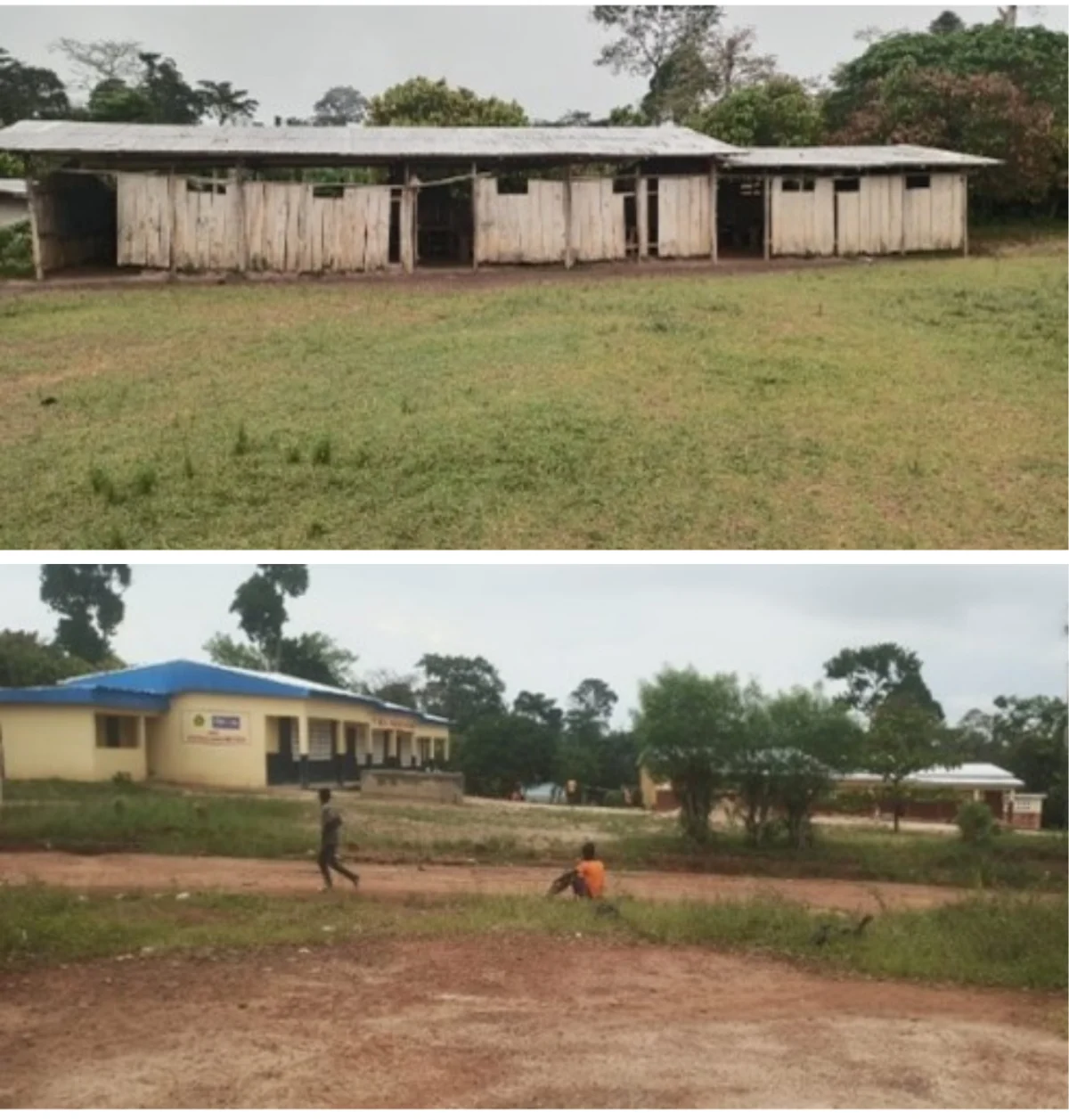
The village of Ndrikro serves as a primary example of how community mobilization can replace systemic neglect. Prior to 2012, the educational facilities in Ndrikro were virtually non-existent, consisting of precarious sheds that lacked toilets, desks, and protection from the elements. Governance was weak, and the children showed significant deficiencies in basic literacy and numeracy.
Under the guidance of World Education, the COGES in Ndrikro mobilized the village leadership and the local VSLA. They identified a common vision: the school was a community asset that had to be saved to ensure the village’s future. Leveraging a communal cassava field to generate income, and combining those funds with material support from the loan association, the community succeeded in replacing the straw sheds with two modern school buildings. These new structures include administrative offices and sanitary facilities, providing a safe and dignified environment for learning.
Today, Ndrikro is recognized as a model community. The physical transformation of the school has been accompanied by a shift in academic culture. The school now hosts remedial classes and excellence awards, fostering a competitive and supportive environment that has significantly reduced the dropout rate.
Analytical Implications: Data Granularity and Policy Integration
A critical takeaway from the CocoaLife project is the limitation of macro-level data in solving rural education crises. National data points in Côte d’Ivoire are typically aggregated by school district, which can hide the specific hardships of a single village. For example, national averages might not reflect the fact that a specific community loses 30% of its students during the mid-year cocoa harvest.
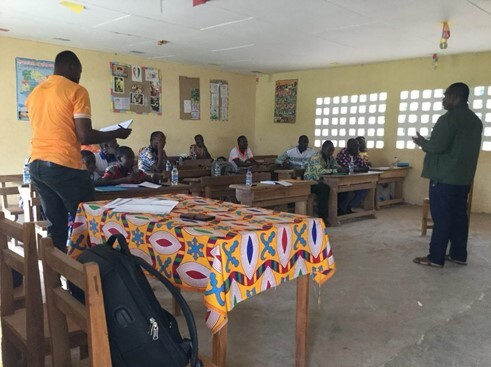
By collecting community-level data, World Education discovered that many families were unable to afford basic school supplies because the start of the school year coincided with a period when farmers had little liquid cash. This insight led to the creation of a targeted grant program, providing approximately 80,000 francs (USD 140) to vulnerable families. This modest investment proved to be a decisive factor in preventing children from being pulled out of school to work.
The success of these localized strategies has caught the attention of the Ivorian government. In a significant move toward institutional sustainability, the Ministry of Education has requested a formal collaboration protocol with World Education. This agreement signifies a transition where the strategies developed under the CocoaLife project—specifically the strengthening of COGES and the use of income-generating activities—will be integrated into the national educational framework. The goal is to move from a project-based intervention to a self-sufficient national system where communities are empowered to manage their own educational resources.
Long-term Sustainability and the Future of the Cocoa Belt
As the CocoaLife project moves into its next phase, the focus remains on the long-term sustainability of these community structures. The objective is for the COGES to remain functional and well-funded even after direct international support is phased out. In several regions, this transition is already occurring, with communities independently financing remedial tutoring and infrastructure repairs.
The broader impact of this work extends to the future of the cocoa industry itself. There is a growing recognition among parents that education is a prerequisite for modern farming. Even for children who intend to follow their parents into cocoa production, literacy and numeracy are essential skills. Educated farmers are better equipped to read and follow the instructions on agricultural inputs, such as pesticides and fertilizers, leading to safer and more efficient farming practices.
The collaboration between World Education, JSI, and the Ivorian government represents a shift toward a more sophisticated model of international development—one that prioritizes local agency and economic resilience over short-term aid. By addressing the intersection of education, economics, and child labor, the CocoaLife initiative is not only improving the lives of individual children but is also strengthening the social fabric of the communities that sustain one of the world’s most important agricultural sectors. As these models are scaled up, they offer a viable path toward a future where the prosperity of the cocoa industry is no longer achieved at the expense of the country’s youth.