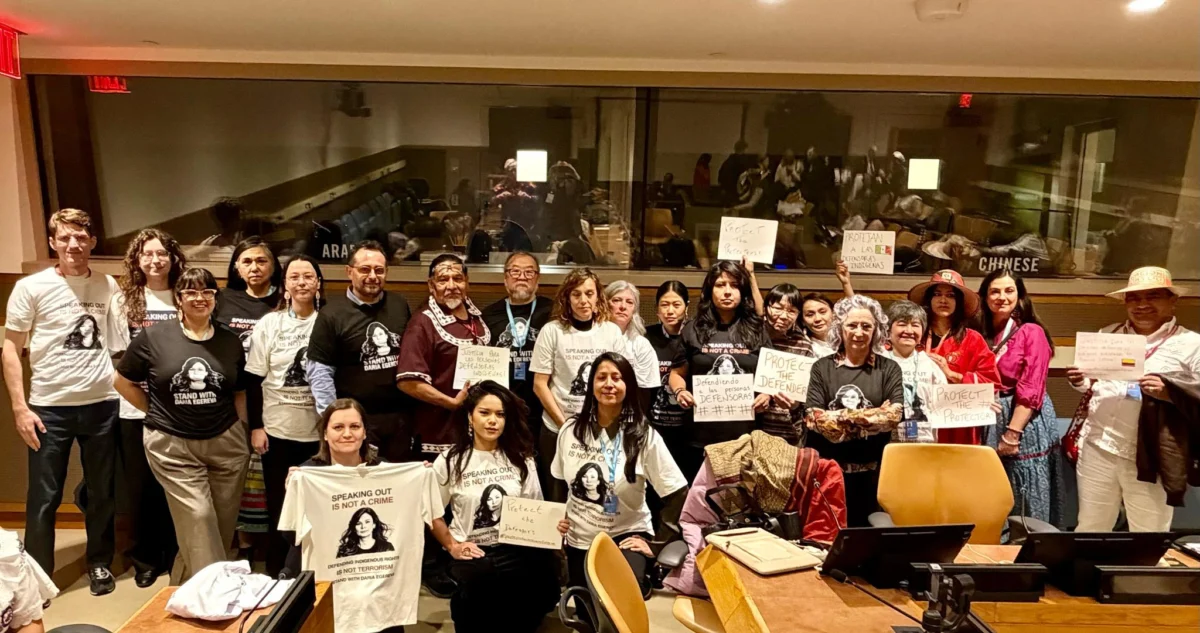
A critical United Nations event, held on the sidelines of the 25th session of the UN Permanent Forum on Indigenous Issues (UNPFII), has cast a stark spotlight on the escalating repression and systemic criminalization faced by Indigenous human rights defenders, particularly those from small-numbered peoples. Participants voiced urgent calls for international intervention, asserting that in numerous countries, including the Russian Federation, the vital work of human rights advocacy is increasingly being conflated with criminal offenses, effectively silencing critical voices and undermining fundamental rights.
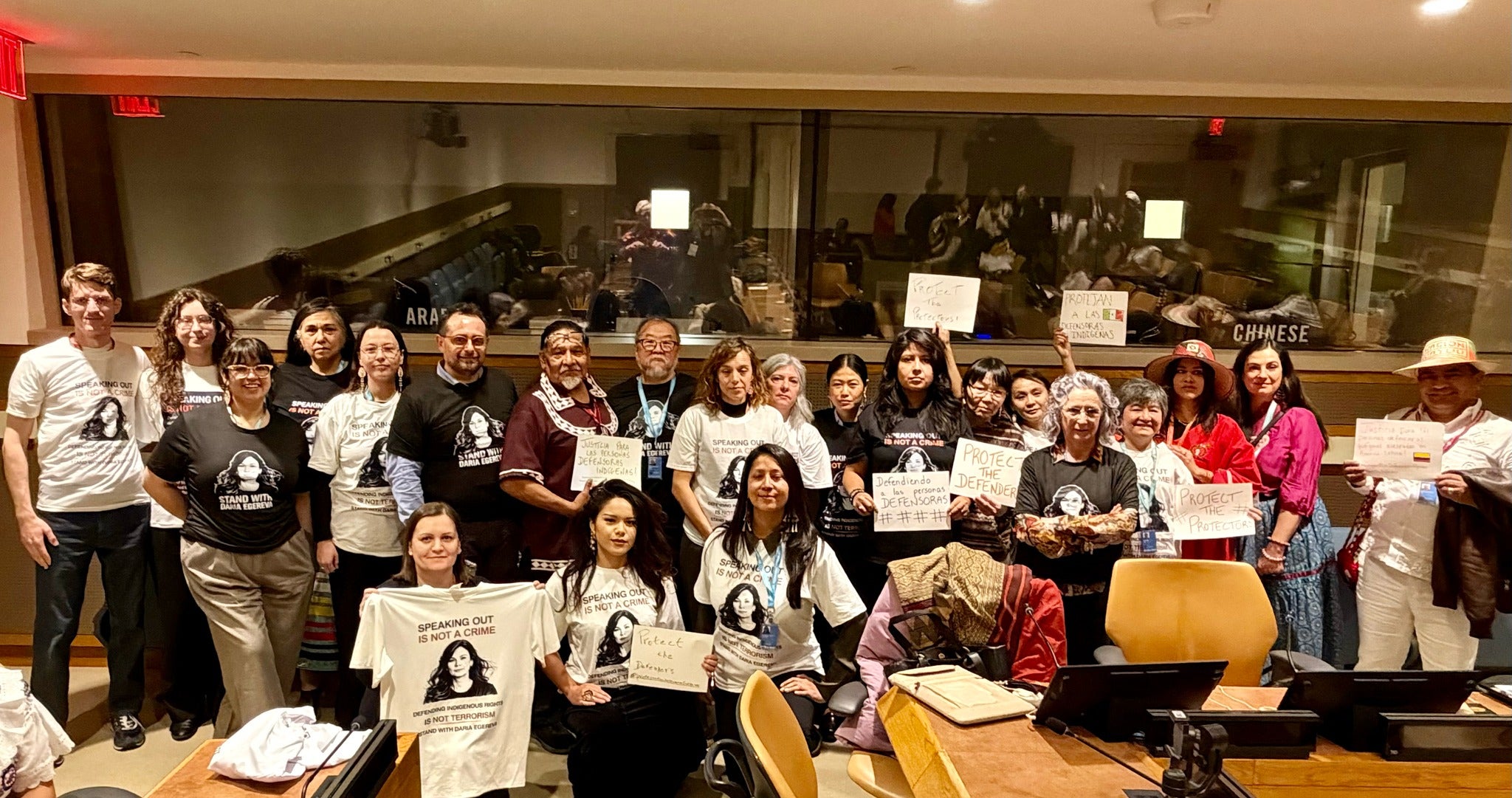
The special hearing, titled "Repressions against Indigenous Human Rights Defenders: Misapplication of Security Legislation and Restrictive Laws," was a collaborative effort spearheaded by the Batani International Foundation for the Development of Indigenous Peoples and the International Committee of Indigenous Peoples of Russia. This forum provided a crucial platform for Indigenous leaders, activists, and international observers to share testimonies, analyze trends, and strategize for effective responses to a growing global challenge.
A Decade and a Half of Institutional Control in Russia
Pavel Sulyandziga, Chair of the Batani Foundation, articulated a deeply concerning narrative regarding the systematic dismantling of independent Indigenous leadership in Russia. He stated that over the past fifteen years, a deliberate and institutionalized system has been constructed with the express aim of eroding the autonomy and influence of Indigenous voices. This strategy, according to Sulyandziga, has involved a multi-pronged approach, including legislative measures and the co-option or neutralization of key Indigenous representative bodies.
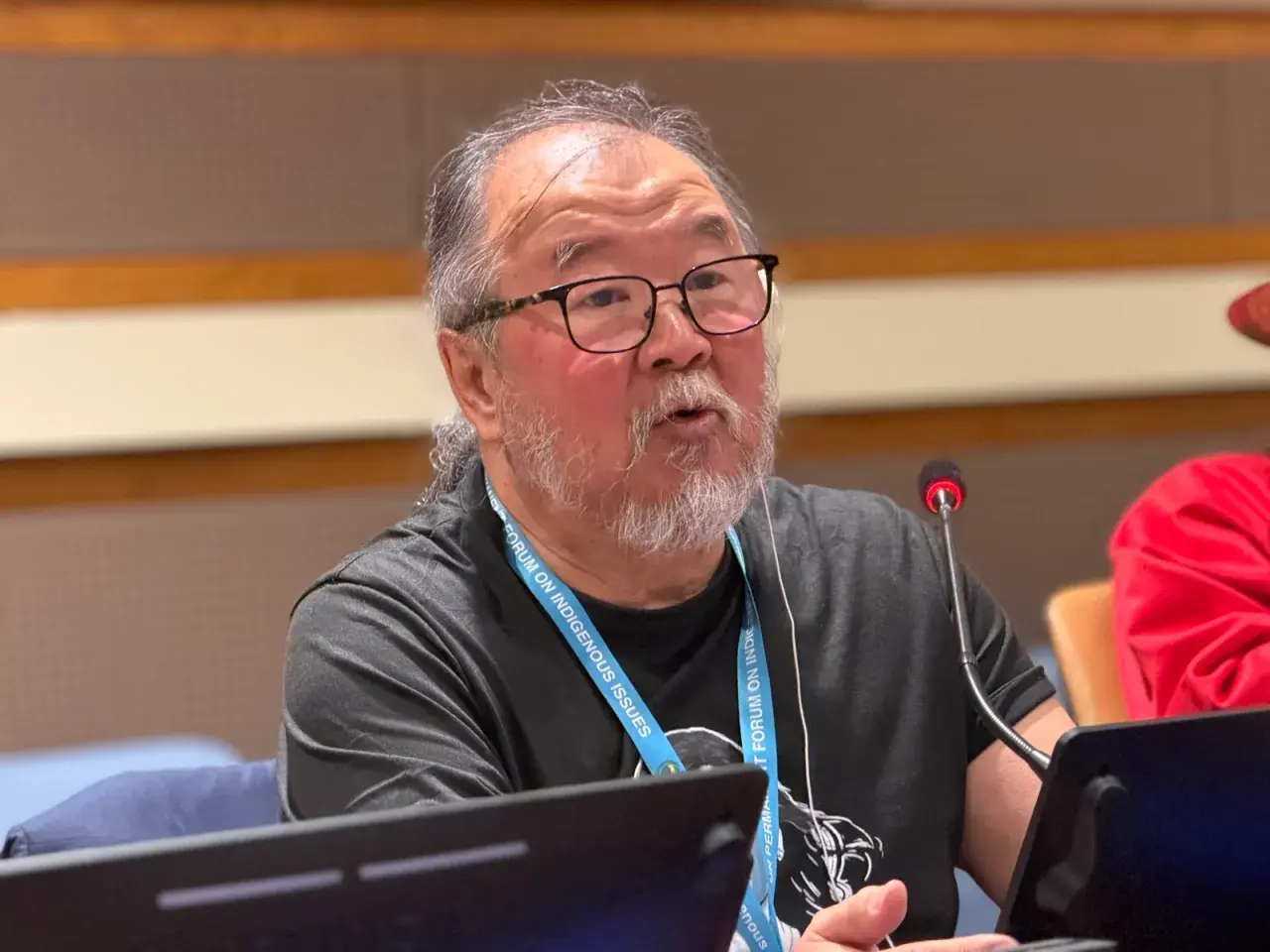
A pivotal moment in this alleged systematic suppression, Sulyandziga explained, was the establishment of state control over the Russian Association of Indigenous Peoples of the North, Siberia, and the Far East (RAIPON). Previously a vital independent platform for Indigenous advocacy, its restructuring under governmental influence is seen by many as a significant blow to the grassroots human rights movement of Indigenous peoples within Russia. This move, critics argue, has severely curtailed the ability of Indigenous communities to self-organize, voice grievances, and advocate for their rights on national and international stages without undue interference.
Global Patterns of Criminalization
The issue is not confined to a single nation. Aili Keskitalo, a member of the UN Permanent Forum on Indigenous Issues, underscored the global dimensions of this disturbing trend. She emphasized that criminal law is being increasingly weaponized as a tool to stifle legitimate human rights activities, thereby creating a climate of fear and intimidation. "When participation in public life becomes dangerous," Keskitalo stated, "it indicates a deep systemic failure in upholding fundamental democratic and human rights principles." Her remarks highlighted the shared experiences of Indigenous peoples worldwide who find their advocacy for land rights, cultural preservation, and environmental protection met with legalistic and security-driven responses.

Witness Testimony from the Tomsk Region
The hearing was particularly impactful due to the firsthand account provided by Olga Kostrova, an activist representing the Chulym people from Russia’s Tomsk Region. Kostrova detailed a coordinated series of events on December 17, 2025, which she described as a nationwide wave of searches, interrogations, and detentions targeting Indigenous rights defenders. This operation, she contended, was not about prosecuting genuine criminal activity but rather about punishing individuals for their legitimate efforts to protect their rights, ancestral lands, and cultural heritage.
"Today, human rights activism is effectively equated with a crime," Kostrova declared, her voice resonating with the gravity of the situation. "People are not persecuted for crimes, but for defending their rights, land, and culture." She further elaborated that the objective of these actions appears to be intimidation, serving as a stark warning that even engaging with international mechanisms, such as UN platforms, could lead to criminal prosecution. This sends a chilling message to other activists, discouraging them from speaking out, defending their communities, or raising awareness about critical issues.

Kostrova also drew attention to the gendered nature of this repression, noting that a significant proportion of those targeted are women human rights defenders who are at the forefront of environmental protection efforts. These women often face compounded risks, balancing community leadership with the personal dangers associated with their activism.
International Responses and Calls for Action
The international community’s response to the testimonies presented at the UN hearing was one of grave concern and a call for immediate action. Sigrid Ina Simonsen, State Secretary of Norway, speaking on behalf of the Nordic countries, directly urged the Russian Federation to cease its practices of persecuting human rights defenders. "The increase in threats, intimidation, and repression against human rights defenders is deeply concerning and requires an international response," Simonsen stated, emphasizing the need for collective action to address this escalating crisis.

Alicia Moncada, Director of Advocacy and Communications at Cultural Survival, characterized the current approach as a dangerous tool for legal exclusion. "Labeling human rights defenders as terrorists is a tool for excluding them from the legal framework and silencing their voices," she explained. This tactic, she argued, serves to delegitimise legitimate activism and shields perpetrators of human rights abuses from accountability by framing defenders as threats to national security.
A particularly sharp critique came from Joan Carling, Executive Director of Indigenous Peoples Rights International (IPRI). Carling asserted that the criminalization of Indigenous peoples has no genuine connection to security concerns. Instead, she posited, it functions as a deliberate mechanism for controlling territories, exploiting natural resources, and consolidating political influence at the expense of Indigenous rights and self-determination. Her analysis pointed to the economic and political motivations that often underpin the legal repression of Indigenous activists.

The Broader Implications and Future Steps
The discussions at the UN hearing highlighted a disturbing convergence of restrictive laws, often enacted under the guise of national security or public order, and the targeted suppression of Indigenous rights advocates. These laws can include broad definitions of extremism, foreign agent legislation, and anti-terrorism statutes, which are then applied in ways that criminalize legitimate dissent and advocacy.
Supporting Data and Context:

- Russia’s Legal Framework: Russia has a history of enacting legislation that has been criticized by international human rights organizations for its vagueness and potential for abuse. Laws concerning "foreign agents," "undesirable organizations," and "extremism" have been used to restrict the activities of NGOs and individuals perceived as critical of the government. For Indigenous peoples, this has translated into difficulties in receiving international support for their rights advocacy and facing accusations of foreign influence when engaging with global bodies.
- Indigenous Rights in Russia: Russia is home to over 30 distinct Indigenous peoples, many of whom have unique cultures, languages, and traditional territories. The protection of their rights, particularly concerning land use, resource extraction, and cultural preservation, has been a persistent challenge, often pitting Indigenous communities against powerful state and corporate interests.
- Global Trends: Reports from organizations like the UN Special Rapporteur on the rights of Indigenous peoples and various human rights NGOs have documented similar trends of criminalization and repression against Indigenous activists in other parts of the world, including Latin America and parts of Asia, often linked to development projects and resource exploitation.
Analysis of Implications:
The systemic criminalization of Indigenous rights defenders has profound and far-reaching implications. Firstly, it directly undermines the ability of Indigenous communities to protect their lands, cultures, and livelihoods, which are intrinsically linked to their identity and well-being. Secondly, it erodes the rule of law and democratic principles by silencing legitimate voices and discouraging civic participation. Thirdly, it can exacerbate social and environmental conflicts, as grievances go unaddressed and communities are denied legal recourse. The fear of prosecution can lead to self-censorship, further isolating Indigenous peoples and weakening their collective power.

Chronology of Events and Trends:
- Early 2000s: Growing international recognition of Indigenous rights, leading to the UN Declaration on the Rights of Indigenous Peoples (UNDRIP) in 2007.
- Mid-2000s onwards: Increased legislative measures in various countries, including Russia, aimed at regulating NGOs and public activism, often framed as national security concerns.
- 2010 onwards (Russia specific): According to Pavel Sulyandziga, a systematic institutional control aimed at dismantling independent Indigenous leadership began to take shape.
- December 17, 2025 (as described by Olga Kostrova): A coordinated wave of searches, interrogations, and detentions targeting Indigenous rights defenders across Russia.
- Present: Ongoing advocacy and international forums, such as the UNPFII, to address the persistent issue of criminalization and repression.
A Unified Call for International Action
In conclusion, participants at the UN hearing issued a comprehensive statement outlining critical demands for the international community. These include:

- Cessation of Criminalization: An immediate halt to the practice of criminalizing Indigenous human rights defenders.
- Enhanced Monitoring and Pressure: Strengthening international monitoring mechanisms and increasing public pressure on states that engage in such practices.
- Access to Justice and Protection: Ensuring that Indigenous defenders have access to justice and effective protection mechanisms.
- Legislative Compliance: Urging national governments to bring their legislation into alignment with international human rights standards.
The closing remarks from the participants underscored the vital role of visibility and international solidarity. "Publicity is protection. International attention can save lives," they emphasized, cautioning that in the face of such systemic repression, silence is tantamount to complicity. The event served as a stark reminder of the ongoing struggle for Indigenous rights and the urgent need for a robust and unified international response to protect those on the front lines.