The financial landscape for American homeowners is shifting, with a significant majority reporting a noticeable increase in their homeowners insurance premiums over the past few years. A comprehensive survey conducted by the Pew Research Center in March 2026 reveals that a substantial 71% of U.S. homeowners have experienced a rise in their insurance costs, with a striking 42% indicating that this increase has been substantial. This growing financial burden is prompting homeowners to seek explanations, with a considerable portion pointing to the profitability of insurance companies and the escalating costs of property repair and reconstruction as primary drivers. The survey, which polled 3,524 U.S. adults, also highlights the increasing awareness of extreme weather events as a contributing factor to these escalating premiums.
Understanding the Trend: A Snapshot of Rising Insurance Costs
The findings from the Pew Research Center survey paint a clear picture of a widespread concern among U.S. homeowners. The data indicates that the perception of rising costs is not an isolated incident but a pervasive issue affecting a large segment of the population. While 71% report an increase, the intensity of this rise varies. Forty-two percent characterize the increase as "a lot," suggesting a significant impact on household budgets, while another 29% describe it as "a little." This widespread upward trend has led homeowners to scrutinize the reasons behind these changes, with specific factors emerging as dominant explanations.
Key Drivers Identified by Homeowners
When asked about the reasons for the surge in their home insurance premiums, homeowners overwhelmingly pointed to two primary factors: the perceived desire of insurance companies to increase their profits and the escalating expenses associated with repairing and rebuilding damaged properties. A significant 65% of homeowners who reported an increase in their premiums identified "insurance companies wanting to make more money" as a major reason. This sentiment underscores a degree of distrust or concern regarding the financial operations of the insurance industry.

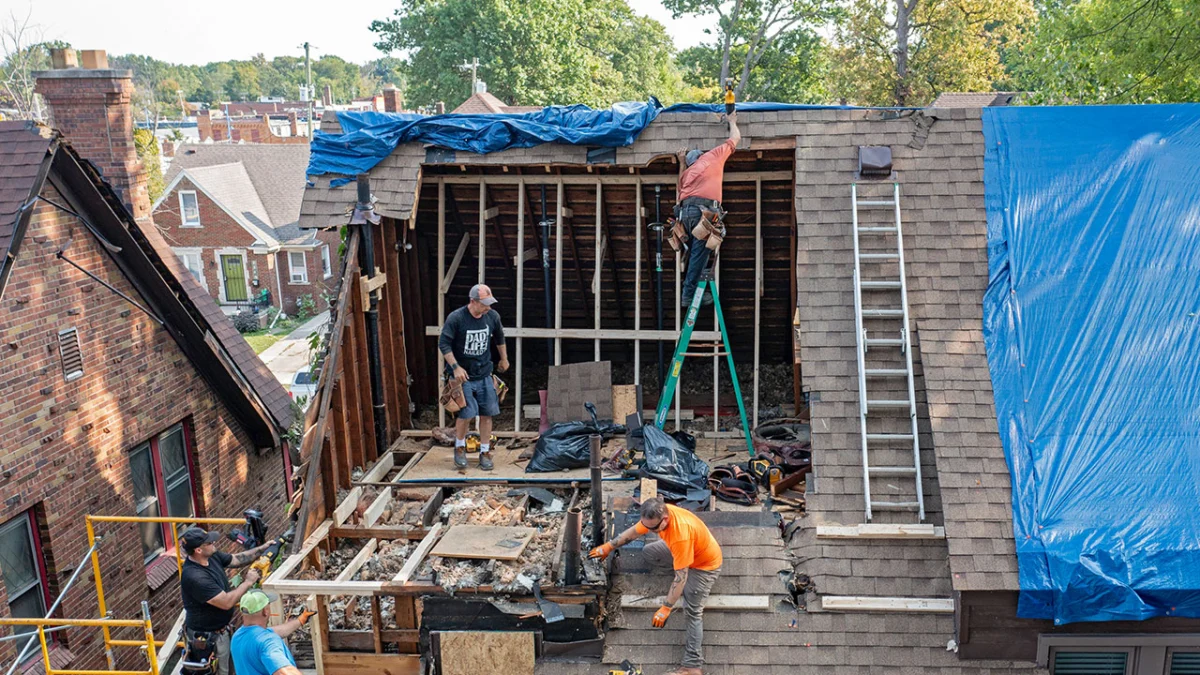
Closely following, 61% of homeowners cited "the costs of repairing or rebuilding" as a major reason for the premium hikes. This response reflects the tangible impact of inflation on construction materials, labor, and specialized repair services. The increasing frequency and severity of natural disasters, as well as the general rise in the cost of goods and services, directly contribute to these repair expenses, which insurers then factor into their pricing models.
Beyond these dominant explanations, extreme weather events are also recognized as a significant contributor. Forty-six percent of homeowners consider extreme weather events a "major reason" for their increased premiums, with an additional 31% identifying it as a "minor reason." This acknowledgment aligns with growing scientific consensus and observed trends of more frequent and intense storms, wildfires, floods, and other climate-related phenomena that lead to substantial property damage and insurance claims.
Government regulations, while a factor, were cited less frequently as a primary driver. Twenty-eight percent of homeowners identified "government regulations" as a major reason, while 29% considered it a minor reason. A notable 22% expressed uncertainty about the role of government regulations in their rising insurance costs.
Demographic Variations in Experience
While the rise in home insurance costs is a broad phenomenon, the Pew Research Center’s analysis reveals some variations across different demographic groups.
-
Income Levels: Homeowners with higher incomes appear to be more acutely affected by rising premiums. Eighty percent of upper-income homeowners reported an increase in their insurance costs, compared to 54% of lower-income homeowners. Conversely, lower-income homeowners are more likely to report not having homeowners insurance at all (17% compared to 2% for upper-income households), a pattern that has also been observed in U.S. Census Bureau data. This suggests that affordability is a significant barrier for lower-income individuals, potentially leaving them more vulnerable to financial shocks in the event of property damage.

-
Political Affiliation: A slight divergence exists between political groups. Homeowners who identify as Republican or lean Republican were marginally more likely to report an increase in their home insurance costs than those who identify as Democratic or lean Democratic. This difference, though subtle, might indicate differing perceptions or experiences with insurance markets or regulatory environments.
-
Geographic Distribution: The impact of rising home insurance costs is remarkably consistent across the four major census-designated regions of the United States. In the Northeast, Midwest, South, and West, similar proportions of homeowners reported an increase in their premiums, suggesting that this is not a localized issue but a national trend.
The Interplay of Extreme Weather and Insurance Availability
The growing frequency and intensity of extreme weather events are increasingly reshaping the homeowners insurance market. Insurers are grappling with higher payouts due to widespread damage from hurricanes, wildfires, floods, and severe convective storms. This has led some insurance companies to re-evaluate their risk exposure in certain areas, resulting in premium increases, reduced coverage options, or even withdrawal from markets deemed too high-risk.
This trend is particularly concerning in regions prone to natural disasters. For example, states along the Gulf Coast and in California have seen significant increases in insurance premiums and, in some cases, a scarcity of affordable coverage. The Insurance Information Institute has reported substantial increases in insured catastrophe losses over the past decade, directly correlating with the rise in extreme weather events. This dynamic creates a challenging environment for homeowners in these vulnerable areas, potentially impacting property values and the ability to secure mortgages, as lenders often require proof of adequate insurance coverage.
A Deeper Dive into Perceptions of Causes

The Pew Research Center’s survey delved deeper into the perceived causes of rising premiums, revealing nuanced opinions based on political affiliation.
-
Extreme Weather Events: While a majority of homeowners across the political spectrum acknowledge extreme weather as a factor, Republicans and those leaning Republican were more likely to attribute their rising premiums to these events. Fifty-two percent of Republicans cited extreme weather as a major reason, compared to 42% of Democrats. This could reflect differing views on climate change and its direct impact on local environments.
-
Government Regulations: Political differences were also evident regarding the role of government regulations. Fifty-two percent of Republicans and those leaning Republican identified government regulations as a major or minor reason for increased premiums, whereas only 38% of Democrats and those leaning Democratic expressed the same view. This suggests a potential partisan divide on the extent to which government policies influence the insurance market.
Interestingly, both Republicans and Democrats largely agreed on the significance of insurance company profits and repair costs as primary drivers of premium increases. This suggests a broad consensus on these core economic factors, irrespective of political ideology.
Broader Implications and Future Outlook
The persistent rise in homeowners insurance premiums carries significant implications for the affordability of homeownership in the United States. As insurance costs climb, the overall financial burden of owning a home increases, potentially pricing out first-time buyers and exacerbating housing affordability challenges.

The trend also raises questions about the long-term sustainability of the current insurance model, particularly in the face of escalating climate-related risks. Insurers are facing a delicate balancing act: adequately pricing policies to remain solvent while ensuring coverage remains accessible and affordable for homeowners.
In response to these challenges, various stakeholders are exploring potential solutions. These include advocating for stronger building codes and infrastructure resilience to mitigate damage from extreme weather, exploring innovative insurance products, and fostering greater transparency within the insurance industry regarding pricing and profitability. The long-term impact of these rising costs on the housing market and the financial security of American homeowners will likely remain a critical issue for policymakers, industry leaders, and consumers alike. The findings from Pew Research Center serve as a crucial indicator of public sentiment and highlight the urgent need for comprehensive strategies to address the escalating cost of homeownership.
About This Research
This analysis by the Pew Research Center stems from its ongoing commitment to providing the public, media, and policymakers with data-driven insights into critical societal issues. Building upon its extensive research into economic conditions and public opinion on climate and extreme weather, this study specifically addresses the growing concern over home insurance costs. The survey was conducted from March 16 to 22, 2026, among a nationally representative sample of 3,524 U.S. adults. A subset of these respondents, specifically 1,236 homeowners, were asked detailed questions about their experiences with homeowners insurance. The research methodology, survey questions, and detailed response data are available for public review, ensuring transparency and facilitating further understanding of these complex trends. The insights provided by this research are vital for informed discussions and policy development aimed at ensuring the continued affordability and security of homeownership in the United States.