The escalation of hostilities in Iran has precipitated a profound human catastrophe, marked by a rising death toll and the displacement of millions, while simultaneously forcing a fundamental reappraisal of the United Kingdom’s long-term economic and geopolitical strategy. As the conflict intensifies and the United States maintains a complex, often erratic military and diplomatic posture in the region, British policymakers are being confronted with a question deferred for nearly half a century: which model of capitalism should define the nation’s future? For decades, the UK has drifted toward an American-style economic framework characterized by deregulated finance, weakened labor protections, and the privatization of essential public services. However, the instability of the current global order, exacerbated by the war in Iran, suggests that the "Anglosphere gamble" may no longer be sustainable, prompting a renewed interest in the more egalitarian social democratic models of Northern Europe.
The Human Cost and the Geopolitical Catalyst
The immediate reality of the war in Iran is one of devastating civilian suffering. Humanitarian organizations report that infrastructure in major urban centers has been severely compromised, leading to shortages of medicine, clean water, and food. While the international community grapples with the ethical and logistical challenges of the crisis, the war has also acted as a catalyst for a shift in global power dynamics. Britain’s historical reliance on the United States as its primary strategic partner is facing unprecedented strain.
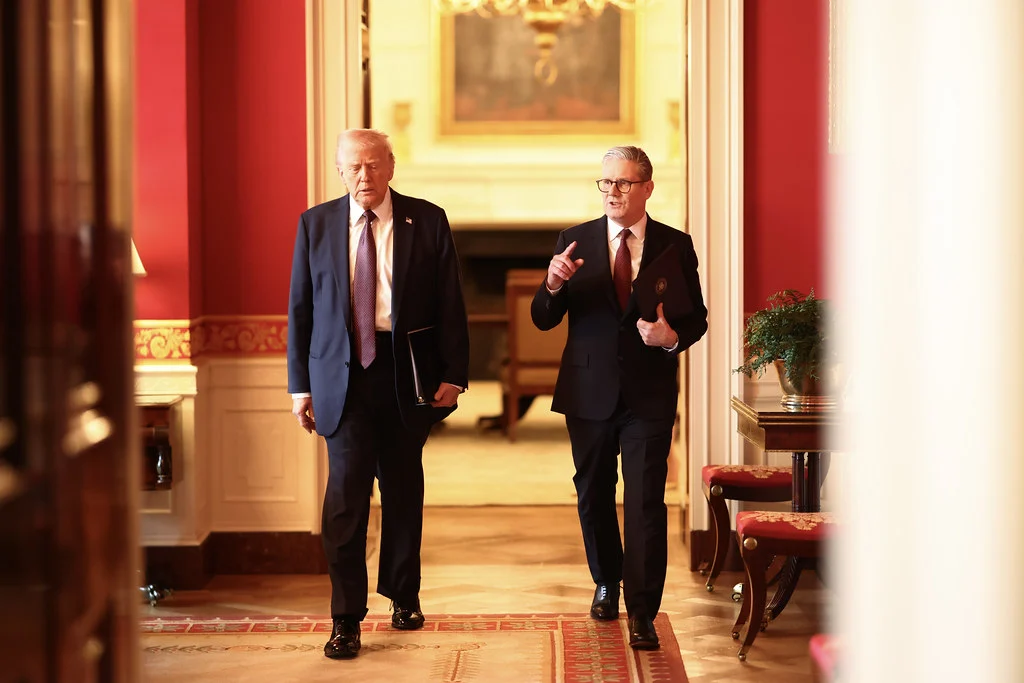
The current conflict has highlighted a divergence in interests. While Washington has pursued a policy of "economic nationalism" and erratic alliance management, London finds itself caught between its traditional loyalty to the Atlantic alliance and the practical necessity of regional stability and economic security. This tension is not merely a matter of foreign policy; it is an existential domestic concern. The war has accelerated the need for Britain to decide whether it will continue to follow the American trajectory or reorient itself toward a model that prioritizes social cohesion and economic resilience.
Chronology of the Shift: From Post-War Consensus to the Anglosphere Gamble
The UK’s current economic position is the result of a forty-year ideological shift that began in the late 1970s and early 1980s. To understand the present crossroads, it is necessary to examine the timeline of Britain’s economic evolution:
- 1945–1979: The Post-War Consensus: Following World War II, Britain operated under a mixed economy with strong trade unions, high levels of public ownership, and a robust welfare state. This period saw significant reductions in wealth inequality.
- 1980–1997: The Neoliberal Turn: Under the Thatcher administration, the UK moved toward the American model. Key industries were privatized, financial markets were deregulated (the "Big Bang" of 1986), and the power of trade unions was systematically curtailed.
- 1997–2016: Consolidating the Model: Subsequent governments largely maintained the deregulated framework, fostering a technology sector dominated by American platforms and a defense strategy inextricably linked to American hardware.
- 2016–2024: The Brexit Pivot: The decision to leave the European Union was framed by many proponents as an opportunity to double down on the "Anglosphere" model, seeking deeper integration with the US and other Commonwealth economies.
- 2025–2026: The Iranian Crisis and US Volatility: As the US shifted toward a more protectionist and unpredictable foreign policy, the limitations of the post-Brexit strategy became apparent. The outbreak of war in Iran in early 2026 served as the final indicator that the US-led global order had entered a period of profound instability.
Comparative Economic Data: The American vs. Northern European Models
The choice facing Britain is underscored by stark differences in economic outcomes between the American model and the Northern European models (Germany, Scandinavia, the Netherlands). Data from the OECD and the World Bank highlight these disparities.
Inequality and Wealth Distribution:
The UK’s Gini coefficient, a measure of income inequality where 0 represents perfect equality and 1 represents perfect inequality, has hovered around 0.35 in recent years. In contrast, Scandinavian nations like Norway and Denmark consistently report coefficients between 0.25 and 0.28. This difference is attributed to more progressive taxation and stronger social safety nets.
Labor Rights and Union Density:
In the UK, trade union density has fallen to approximately 23%, down from over 50% in the late 1970s. In Sweden and Denmark, union density remains above 60%, facilitating collective bargaining that ensures wages keep pace with productivity. This structural difference results in a smaller "working poor" demographic in Northern Europe compared to both the UK and the US.
Market Concentration:
The UK economy has become increasingly dominated by large-scale oligopolies, particularly in the tech and retail sectors. Analysis suggests that this concentration of corporate power allows a small number of firms to extract significant value from consumers while exerting disproportionate influence over government regulation. In contrast, Northern European economies often feature stronger competition policies and a greater emphasis on "Mittelstand" (small and medium-sized) enterprises that provide stable, regional employment.
Official Responses and Stakeholder Reactions
The ongoing conflict in Iran and the subsequent economic uncertainty have prompted a range of reactions from British political and business leaders.
The Equality Trust:
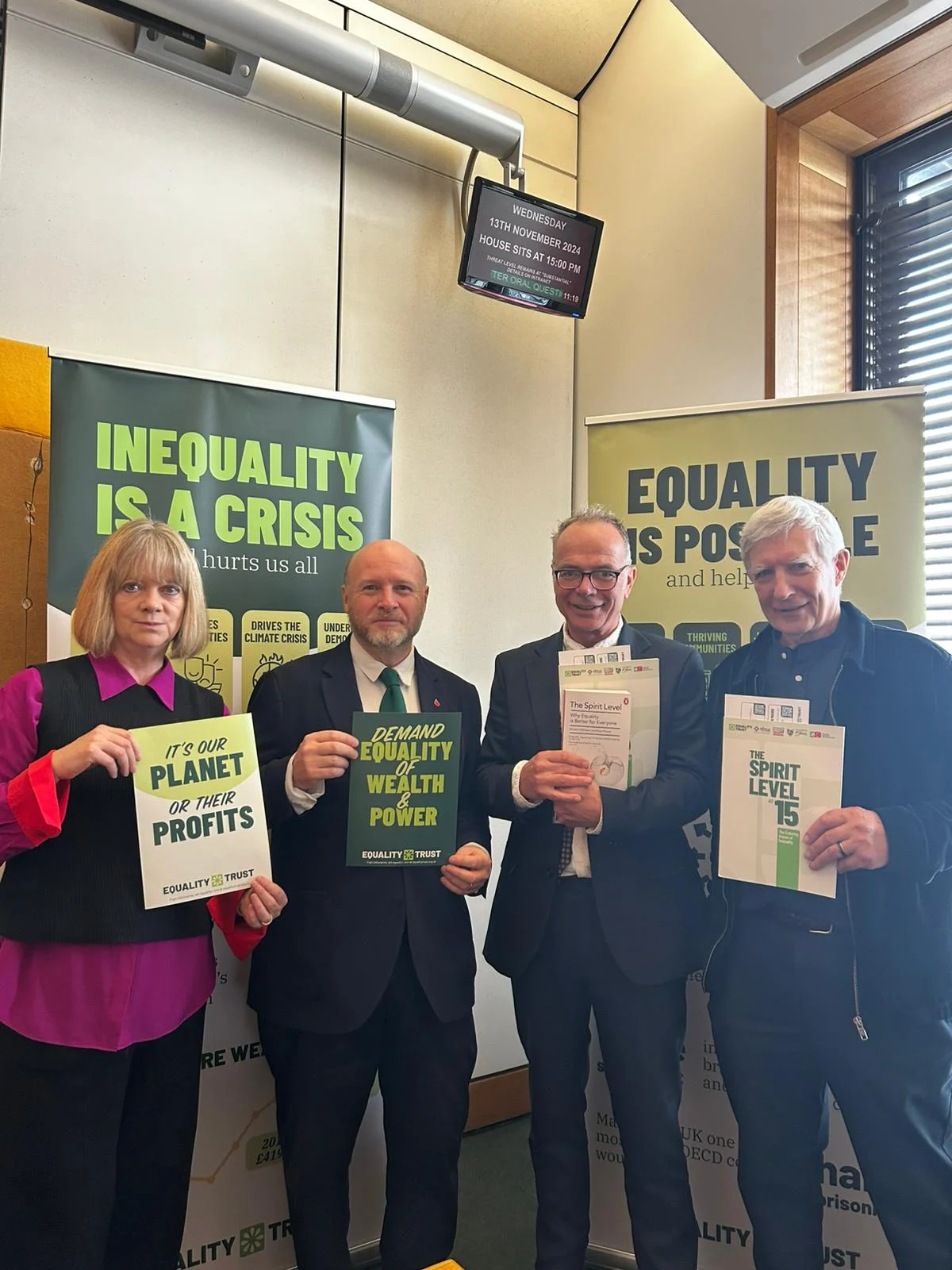
Priya Sahni-Nicholas, Co-Executive Director of the Equality Trust, argues that the war is a "moment of truth" for the UK. The organization emphasizes that the drift toward the American model has created a "feedback loop between extreme wealth and political influence." Their recent briefing, Money, Media and the Lords: How the Ultra-wealthy are Shaping Britain, details how concentrated wealth has compromised democratic institutions. The Trust advocates for a "community wealth building strategy" to decentralize economic power.
Business and Markets:
The Confederation of British Industry (CBI) has expressed concern over the volatility of energy prices and supply chains disrupted by the Middle Eastern conflict. While some sectors remain committed to the US market, there is a growing consensus among manufacturers for closer alignment with European regulatory standards to ensure frictionless trade with the UK’s nearest neighbors.
Government and Opposition:
The current administration has remained cautious, reaffirming its "special relationship" with Washington while simultaneously seeking new "strategic partnerships" in Europe. However, opposition figures have been more vocal, calling for a "New Settlement" that prioritizes domestic industrial capacity and reduces dependence on foreign technology giants.
The Feedback Loop: Wealth, Power, and Policy
A central challenge in reorienting the British economy is the entrenched nature of the current system. Decades of American-style deregulation have led to a political culture where extreme wealth and corporate power are deeply integrated into the legislative process.
This "feedback loop" manifests in several ways:
- Lobbying and Regulation: Large corporations, particularly in finance and technology, possess the resources to shape regulations in their favor, often at the expense of smaller competitors and consumer protections.
- Media Ownership: A significant portion of the UK’s media landscape is owned by ultra-wealthy individuals or conglomerates whose interests align with the maintenance of a deregulated, low-tax environment.
- The House of Lords: Investigations have highlighted the increasing number of political donors and representatives of the financial sector within the upper house of Parliament, raising questions about the objectivity of legislative scrutiny.
Breaking this cycle requires more than just a change in diplomatic alignment; it requires a structural overhaul of how wealth and influence are managed within the British state.
Broader Impact and the Path Toward Strategic Autonomy
If Britain chooses to move away from the American model, it must define what an independent, European-aligned economy looks like. Experts suggest several pillars for this transition:
Community Wealth Building:
This strategy involves redirecting economic activity to local communities. Rather than awarding contracts to large multinational corporations that extract profits to offshore accounts, the government would prioritize local businesses, cooperatives, and social enterprises. This approach aims to keep wealth circulating within the domestic economy, particularly in regions that have been "left behind" by globalization.
Domestic Industrial Investment:
To achieve "strategic autonomy," the UK would need to rebuild its industrial base. This includes investing in green energy technology, advanced manufacturing, and sovereign defense capabilities. By reducing reliance on American hardware and Silicon Valley infrastructure, the UK can protect itself from the whims of foreign political shifts.
Financial Regulation for the Productive Economy:
Reforming the City of London is a critical component of this shift. This would involve moving away from a model that prioritizes speculative financial products and toward one that serves the "productive economy"—providing credit and investment to businesses that create tangible goods and services.
Strengthening Competition Policy:
A more robust competition policy would aim to break up oligopolies and prevent the concentration of market power. By fostering a more diverse ecosystem of businesses, the UK can ensure that economic policy is shaped by the needs of the many rather than the interests of a few dominant players.
Conclusion: A Genuine Crossroads
The war in Iran, while a humanitarian tragedy of the first order, has stripped away the illusions of the post-Brexit era. Britain can no longer afford to defer the question of its economic identity. The choice is between maintaining a status quo that benefits a small elite while leaving the majority of the population vulnerable to global shocks, or seizing the moment to build an economy that is more equal, more resilient, and more autonomous.
The Northern European states provide a proven template for a model of capitalism that balances market efficiency with social justice. Whether Britain has the political will to enact the necessary reforms—such as community wealth building, industrial reinvestment, and the curbing of corporate influence—remains to be seen. However, as the geopolitical landscape continues to shift, the cost of inaction is becoming increasingly clear. The path chosen in the coming months will likely define the British economy for the next half-century.