The last decade has witnessed a dangerous escalation of misinformation and conspiracy theories targeting immigrants in the United States and across the globe. Among the most insidious is the notion of an impending "invasion" of immigrants poised to fundamentally alter the demographic landscape of Western nations. This fabricated narrative, often coupled with dehumanizing rhetoric that falsely blames immigrants for economic woes and crime, serves as a potent accelerant for hatred and fear, leading to profoundly damaging consequences. The Great Replacement Theory, a particularly virulent strain of this conspiracy, alleges a deliberate plot orchestrated by Jewish individuals and other elites to displace white populations in Western countries with non-white immigrants. Once confined to the fringes of the internet, this ideology has regrettably infiltrated mainstream political discourse, inspiring acts of violence and shaping public policy.
The Roots and Evolution of a Dangerous Ideology
The Great Replacement Theory is not a new phenomenon; its ideological underpinnings can be traced back to the deep currents of racism and antisemitism that have plagued societies for centuries. As early as the late 19th century, prominent French journalists articulated fears that Jewish populations would "destroy" French culture, a sentiment that resonated with the burgeoning eugenics movement in the United States, which advocated for the sterilization of Black Americans under the guise of population control. Throughout American history, Jewish immigration itself was frequently characterized as an "invasion" by politicians seeking to stoke fear and animosity.
The term "Great Replacement Theory" gained significant traction in 2011 with the publication of Le Grand Replacement by French author and conspiracy theorist Renaud Camus. Camus posited that "elite" figures within the French government were facilitating Muslim immigration to dilute France’s white, Christian population and identity. In the United States, the theory has evolved to explicitly identify Jewish people as the orchestrators of this supposed demographic shift, with non-white immigrants cast as the "invaders."
Manifestations of Hate: Violence and Policy
The real-world consequences of the Great Replacement Theory have been tragically evident in a string of violent attacks and discriminatory policies. The theory’s insidious influence was starkly illustrated during the 2017 "Unite the Right" rally in Charlottesville, Virginia, where white supremacists chanted "Jews will not replace us," a clear and explicit connection between xenophobia and antisemitism. This hateful ideology was further amplified in 2018 when a white supremacist assailant targeted the Tree of Life synagogue in Pittsburgh, Pennsylvania, murdering eleven congregants. The perpetrator had posted online screeds accusing HIAS (Hebrew Immigrant Aid Society) of facilitating the migration of "hostile invaders" who would harm "his people."
This pattern of violence continued in subsequent years. In 2019, a shooter attacked a Chabad center in Poway, California, killing one person and injuring several others. The attacker explicitly accused Jews of "destroying the white race." Later that same year, the perpetrator of the mass shooting at a Walmart in El Paso, Texas, which claimed 23 lives, was heavily influenced by the Great Replacement Theory. In 2022, a supermarket shooting in Buffalo, New York, which resulted in ten fatalities, was also directly linked to this hateful ideology. Reports indicate that antisemitic incidents in 2025 reached a grim peak, resulting in the highest number of Jewish fatalities in three decades, a stark testament to the escalating danger.
Beyond acts of extreme violence, the rhetoric of "invasion" associated with the Great Replacement Theory has permeated the political landscape. This trope, inextricably linked to the conspiracy, has found its way into numerous anti-immigration policy proposals and legislative efforts. Members of Congress have amplified this white nationalist narrative in their official capacities, contributing to the pervasive falsehood that migrants are arriving in the U.S. with the intent to commit widespread voter fraud.
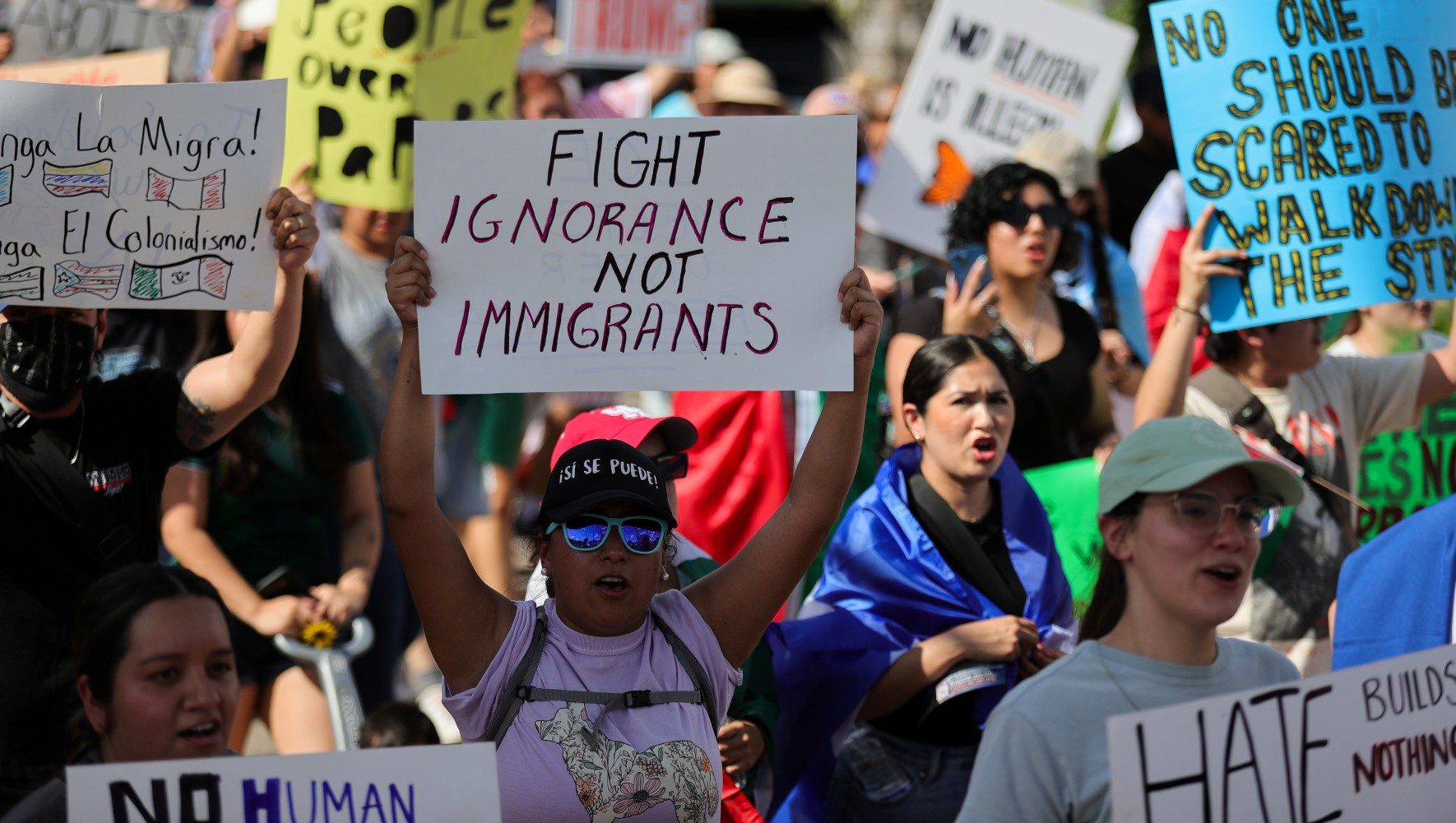
The Trump administration’s aggressive mass deportation policies, particularly those implemented since January 2025, have been heavily influenced by the "replacement" narrative. The promotion of "remigration"—the forced deportation of non-white individuals from Western countries—has led to the removal of hundreds of thousands of immigrants. These actions have not only inflicted immense personal suffering but have also demonstrably damaged the social fabric and economic vitality of communities deeply integrated into American society.
The Role of HIAS and the Fight Against Disinformation
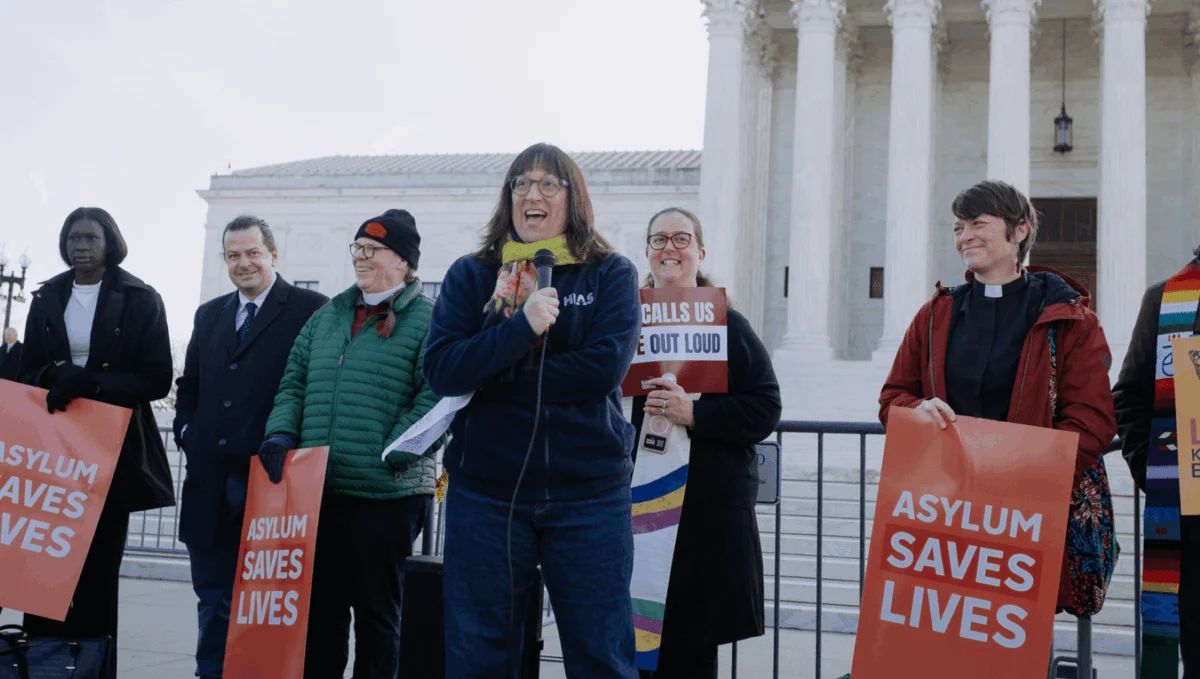
HIAS, as the world’s oldest refugee agency, has become a target for proponents of the Great Replacement Theory. Given its mission to provide services to refugees, displaced persons, and immigrants globally, and its inherent connection to Jewish identity, HIAS finds itself at the nexus of this hateful ideology. White nationalist media figures and influencers have deliberately disseminated misinformation about HIAS’s operations, aiming to advance their xenophobic, antisemitic, and racist agendas, and to profit from the proliferation of hate.
In response, HIAS remains steadfast in its commitment to combating these dangerous smears with factual information. The organization’s work, spanning over a century, has consistently been driven by core values of welcome, empathy, and the unwavering belief that every individual deserves kindness and dignity. HIAS emphasizes that it will not be deterred by hatred and continues its vital work to support those seeking refuge and a better life.
A Timeline of Escalation and Impact:
- Late 19th Century: Early manifestations of racist and antisemitic ideologies that would later inform the Great Replacement Theory emerge, with fears of Jewish influence and population control movements gaining traction.
- 2011: Renaud Camus’s book Le Grand Replacement popularizes the term and its core tenets in France, focusing on the alleged dilution of white, Christian identity through immigration.
- 2017: The "Unite the Right" rally in Charlottesville, Virginia, features explicit antisemitic chants directly linked to replacement ideology, alongside violence against counter-protesters. Heather Heyer is killed during the event.
- 2018: The Tree of Life synagogue shooting in Pittsburgh, Pennsylvania, where 11 people are murdered. The perpetrator’s online manifestos explicitly blame HIAS for facilitating "hostile invaders" and reference replacement conspiracy theories.
- 2019: A mass shooting at a Chabad center in Poway, California, results in one death and multiple injuries. The shooter expresses beliefs aligned with the Great Replacement Theory. Later that year, the perpetrator of the El Paso Walmart massacre, which killed 23, is found to be inspired by the theory.
- 2020-2024: Continued rise of anti-immigrant rhetoric in political discourse, with the "invasion" narrative becoming a common refrain.
- January 2025: The Trump administration intensifies mass deportation policies, often framed by the "remigration" agenda, directly influenced by replacement ideology.
- 2025: Reports indicate a significant spike in antisemitic incidents globally, resulting in a historically high death toll for Jewish communities.
- May 7, 2026: HIAS updates its reporting on the persistent threat of the Great Replacement Theory, highlighting its ongoing impact on policy and societal discourse.
Broader Implications and the Path Forward
The enduring presence of the Great Replacement Theory in contemporary politics and society poses a grave threat to democratic values and human rights. Its insidious narrative fuels division, incites violence, and undermines the principles of inclusion and compassion. The theory’s ability to morph and adapt, resonating with various anxieties and prejudices, makes it a particularly challenging foe.
Fact-based analysis reveals that the theory is fundamentally a white nationalist construct designed to demonize minority groups and immigrants, thereby justifying discriminatory policies and actions. The deliberate spread of misinformation by extremist groups, often amplified through social media and certain political platforms, exacerbates the problem.
Organizations like HIAS, alongside civil society groups and responsible media outlets, play a crucial role in debunking these falsehoods and promoting a more accurate and humane understanding of immigration. The fight against the Great Replacement Theory is not merely an ideological battle; it is a critical endeavor to protect vulnerable communities and uphold the foundational principles of a just and equitable society. Continued vigilance, robust education, and a collective commitment to truth are essential to counter the corrosive influence of this dangerous conspiracy theory.